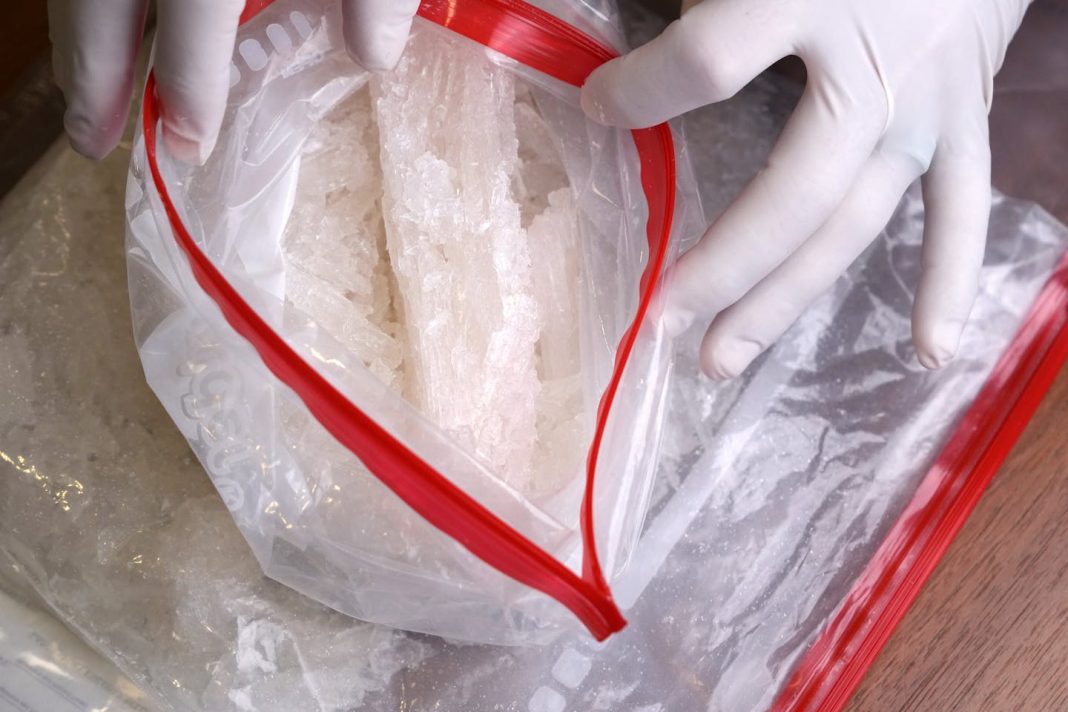

Federal agents removed a staggering 3,157 pounds of methamphetamine from Minnesota streets in 2025, the highest in five years, yet recovery workers report supplies rebounding quickly as cartels adapt routes through the Upper Midwest hub. Major busts included nearly 900 pounds from Minneapolis vehicles in July and another 900 pounds hidden in Burnsville storage unit metal spools, both linked to international organizations that swiftly reroute after disruptions. Recovery advocates like Yeng Moua of Koom Recovery noticed a brief dry spell at homeless encampments following the vehicle seizure, where clients suddenly lacked access, but flows resumed, underscoring the endless pipeline challenging law enforcement and treatment efforts statewide. DEA’s Dustin Gillespie, overseeing the Omaha division, noted seizures escalating from pounds to hundreds, reflecting cartel efficiency in multi-state networks undeterred by intercepts.
Fentanyl powder seizures surged 300 percent to 161 pounds this year from 37 pounds prior, as traffickers shifted from pill presses mimicking Xanax after federal awareness campaigns, maintaining low street prices around $2 per handful in north Minneapolis. Twin Cities Recovery Project staff observed Black clients increasingly combining meth with fentanyl, sparking discussions on crossover addictions fueled by dealers dodging scrutiny through cheaper alternatives. Outreach tables now stock naloxone, test strips, and warnings about emerging threats like medetomidine, a potent animal sedative causing zombie-like effects already detected locally amid rising overdose risks. Nonprofits distribute harm reduction amid the grim reality where busts capture only portions, leaving total volumes unknown but impacts felt daily in encampments and recovery circles.
Minneapolis positioned as a distribution nexus sees federal-local collaborations intensify, yet experts liken interdiction to Whac-A-Mole, with cartels zigzagging past heat to sustain supply chains. Community conversations evolve around meth’s infiltration into traditional fentanyl markets, prompting mobile medical units to adapt pamphlets and support for diverse users navigating polydrug crises. Winter streets echo with unchanged dealing despite headlines, as leaders push for sustained investment in treatment alongside enforcement to break the cycle beyond temporary victories.