

A fatal encounter between federal agents and a Minneapolis resident has triggered multiple investigations, public protests, and renewed questions about accountability in immigration enforcement. After Alex Pretti, a U.S. citizen and healthcare worker, was shot during a tense confrontation, the agents involved were placed on administrative leave while authorities review what happened. As officials examine body camera footage, witness video, and operational procedures, the case has become a flashpoint in the national debate over use of force, federal jurisdiction, and community trust.
Why Agents Were Placed on Leave
When federal agents are involved in a fatal shooting, it is standard practice for law enforcement agencies to place the officers on administrative leave while the incident is reviewed. In the case of Alex Pretti’s death in Minneapolis, federal officials confirmed that the Border Patrol agent and Customs and Border Protection officer who discharged their weapons were taken off active duty soon after the January 24 incident. Administrative leave is not an admission of wrongdoing but a procedural step meant to ensure an unbiased investigation. It creates space for internal reviews, external oversight, and legal scrutiny without the pressure of active field assignments.
Yet in this matter, the timing and context have drawn particular attention. Pretti’s shooting occurred amid a broader federal immigration enforcement surge in Minneapolis, a city already bracing for heightened tension between law enforcement and local communities. Removing the agents from active duty serves dual purposes: it protects the integrity of ongoing inquiries and signals to the public that the incident is being taken seriously. Both the Department of Homeland Security and civil rights units within the Department of Justice have underscored that multiple, overlapping investigations are underway, each intended to determine whether policy was followed and whether the use of force was justified under constitutional and departmental standards.
What Happened During the Shooting
The fatal encounter unfolded at an intersection in Minneapolis when federal agents participating in an immigration enforcement operation encountered Alex Pretti, a 37-year-old registered nurse and U.S. citizen. Video footage that has circulated shows a tense confrontation, but critical details remain contested. According to local surveillance and bystander video, Pretti was holding a cellphone, a device he apparently used to record the interaction, when agents moved in. Moments later, a scuffle broke out, and at least one of the agents fired his weapon. Pretti was struck and subsequently pronounced dead.
Federal authorities initially justified the shooting by stating that the agents perceived a threat, though they did not immediately specify the nature or source of that threat. Independent civilian footage, however, depicts what appears to be a brief physical altercation before shots were fired, leading critics to question whether Pretti’s actions genuinely represented a danger. The agents identified as having fired their weapons are Border Patrol agent Jesus Ochoa and Customs and Border Protection officer Raymundo Gutierrez. Both men remain on administrative leave while federal and local authorities examine the timeline of events, the communications among agents, and whether all procedural safeguards were observed.
Public Reaction and Continued Scrutiny
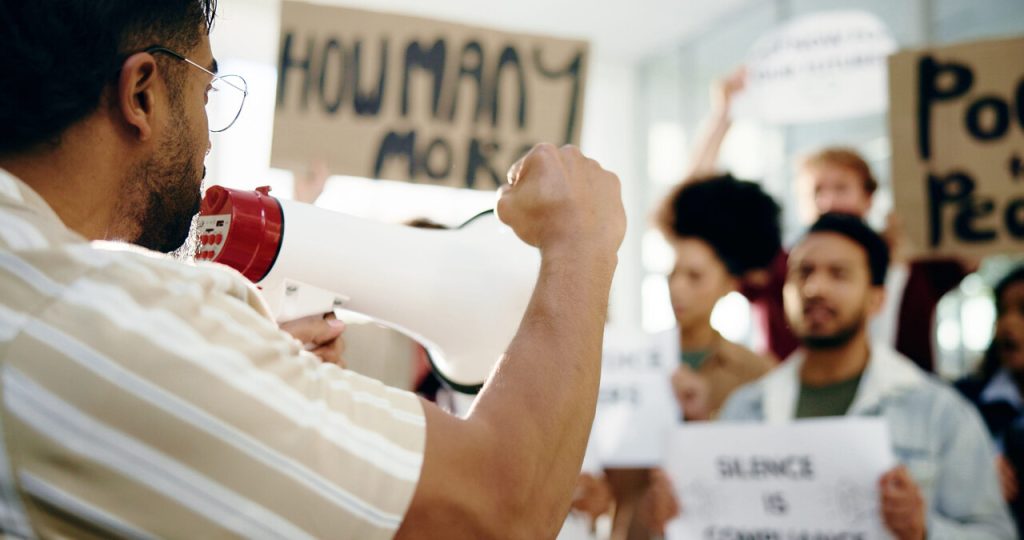
News of Pretti’s death sparked swift and sustained public reaction in Minneapolis and beyond. For many community members, the fatal shooting raised deep concerns about the expanding role of federal immigration enforcement in domestic policing, particularly in urban areas far from international borders. Pretti’s status as a U.S. citizen intensified those concerns. Demonstrators gathered to demand transparency, accountability, and independent investigations, stressing that federal agencies must be held to the same standards as local law enforcement when force results in loss of life.
The shooting also reignited broader debates about the militarization of domestic law enforcement and the scope of ICE and Border Patrol authority. Local officials and advocacy groups have called for the release of body camera footage, complete transcripts of agent communications, and full cooperation with civil rights investigators. These calls reflect a deeper mistrust between segments of the public and federal agencies, cultivated over years of high-profile immigration enforcement actions and perceived lack of accountability. In Minneapolis, the outcry over Pretti’s death came less than a month after another fatal shooting involving federal agents, intensifying demands for systemic review and policy reform.
Broader Legal and Investigative Context
Pretti’s shooting did not occur in isolation; it is now part of overlapping legal and investigative frameworks. Federal law requires that in-custody deaths and use-of-force incidents involving officers be examined by multiple agencies to ensure compliance with civil rights statutes and departmental policy. The Department of Justice’s Civil Rights Division has opened a formal inquiry aimed at determining whether Pretti’s constitutional rights were violated. Meanwhile, the Department of Homeland Security’s internal watchdog is reviewing how the operation was conducted, including whether supervisors properly communicated rules of engagement and de-escalation protocols.
On the local front, Minnesota prosecutors have also signaled interest in assessing whether any misconduct occurred. Coordination between state and federal authorities remains complex, in part because federal agents often operate with broad legal immunities and protections. Nonetheless, the involvement of the state highlights a rare moment of cross-jurisdictional scrutiny. As investigations progress, the placement of the agents on leave underscores that authorities are treating the incident with gravity, recognizing both the legal implications and the intense public interest in understanding precisely how and why Pretti died.