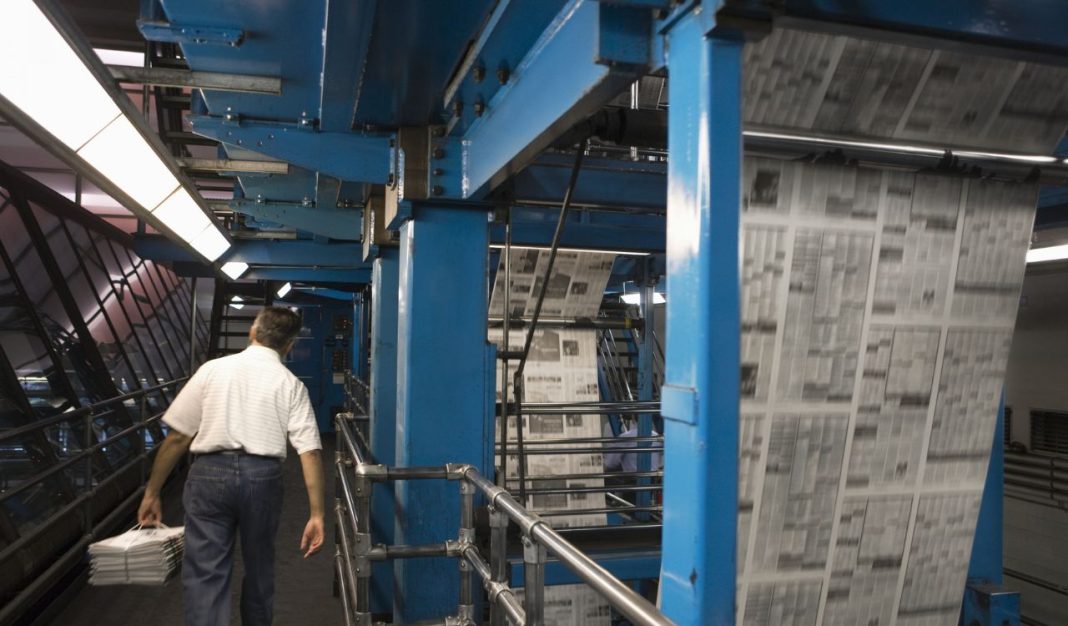

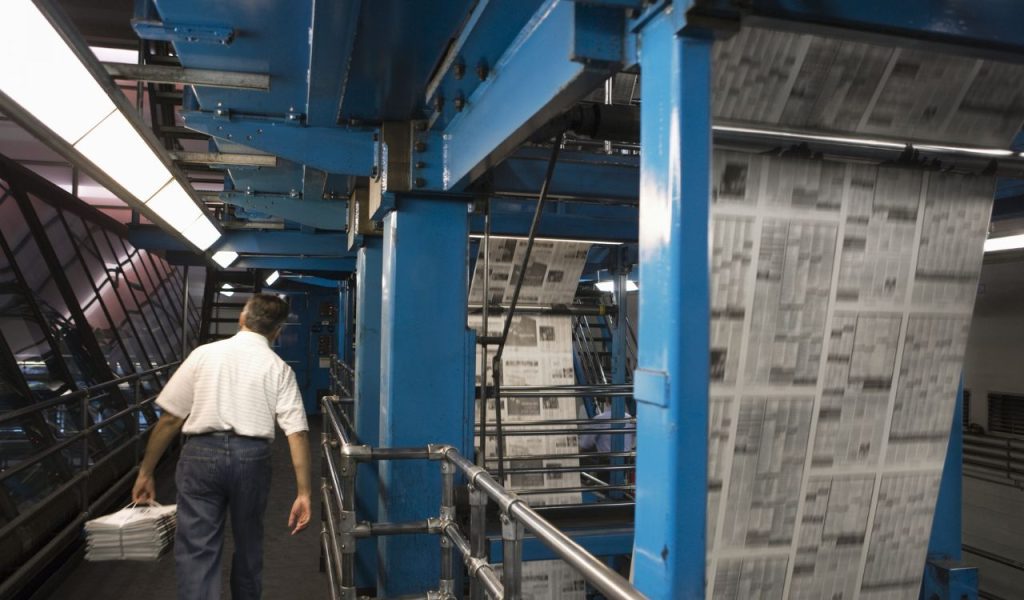
A Minneapolis law firm has launched an investigation into whether the Minnesota Star Tribune properly handled notifications for its Heritage Print Facility closure, which will displace 159 workers. Strauss Borrelli PLLC is examining potential violations of federal labor protections designed to give employees advance warning before major job cuts. The newspaper announced in September that it would end 158 years of local printing operations and shift production to a Gannett facility in Des Moines, Iowa, starting December 28, 2025. Workers affected by the closure include press operators, machinists, mailroom staff, maintenance personnel, and management positions.
Understanding Federal Worker Notification Requirements
The Worker Adjustment and Retraining Notification Act, passed by Congress in 1988, mandates that employers with 100 or more employees provide 60 days’ written notice before significant layoffs or facility closures. This federal protection aims to cushion the blow of sudden unemployment by giving workers and their families sufficient time to seek new jobs, pursue retraining programs, or make financial adjustments. The law applies when employees face termination or when their work hours drop by 50 percent or more during any six-month period due to plant closings or mass layoffs. Companies that fail to meet these notification standards, whether through late notices or unclear communications, may owe affected workers back pay and benefits for the violation period.
Timeline And Scope Of The Layoffs
State records show the Star Tribune filed its WARN notice with the Minnesota Department of Employment and Economic Development on October 7, 2025, detailing plans for the Heritage Print Facility shutdown at 800 North First Street. The layoffs will begin on December 28, 2025, and continue through March 31, 2026, affecting 159 positions across multiple departments. This number exceeds the newspaper’s initial September estimate of approximately 125 job losses. Multiple unions represent the affected workforce, including the Printing, Publishing and Paper Workers Union Local 11-M, District Lodge No. 77 of the International Association of Machinists & Aerospace Workers, Teamsters Local 120, SEIU Local 26, and IBEW Local 292.
Economic Pressures Drive Difficult Decision
Star Tribune CEO Steve Grove acknowledged the challenging nature of the decision while emphasizing the company’s continued commitment to print subscribers. The Heritage plant currently operates at only 18 percent of its full capacity due to decades of declining print readership and the migration of advertising dollars to digital platforms. Grove stated the transition will generate several million dollars in annual savings, resources that will be redirected toward digital transformation efforts and maintaining quality journalism. The company has assured print subscribers they will experience no disruptions in newspaper delivery during the transition to Iowa-based production. However, the closure marks the end of an era for local newspaper printing that stretched back over a century and a half in Minneapolis.