


Minnesota is famous for its lakes, parks, and family-friendly outdoor culture, but one Minneapolis shoreline quietly breaks expectations. Tucked along Cedar Lake is a beach that has developed a long-standing reputation for clothing-optional sunbathing. While it is not officially designated as a nude beach, local custom and respectful visitor behavior have shaped a relaxed environment that surprises many first-time visitors. What sounds unusual at first is, for regulars, simply another part of the city’s diverse and low-key outdoor scene.
The Unlikely Setting of Minnesota’s Nude Beach
At first glance, Minnesota may not seem like the place you would expect to find a clothing-optional beach. The state is widely known for its long winters, family-friendly lake culture, and deeply rooted Midwestern modesty. Yet tucked within the city limits of Minneapolis lies a small stretch of shoreline that has quietly developed a very different reputation. Cedar Lake East Beach sits on the eastern edge of Cedar Lake, surrounded by trees, walking trails, and residential neighborhoods. Its calm water and natural scenery make it feel more like a secluded retreat than a headline-grabbing destination.
What makes the setting surprising is not just the nudity but the contrast with its surroundings. The beach is part of the Minneapolis park system, meaning it shares space with joggers, cyclists, families, and kayakers enjoying the broader lakeside environment. There are no flashy signs or commercial attractions drawing attention to it. Visitors typically reach the area by foot or bicycle along wooded paths, which adds to its low-key character. Because of that quiet integration into the city landscape, many residents go years without realizing that this small beach has developed a reputation for clothing-optional sunbathing. The understated setting plays a major role in how the beach functions socially, keeping it relaxed rather than sensational.
Cedar Lake East Beach: A Local Tradition
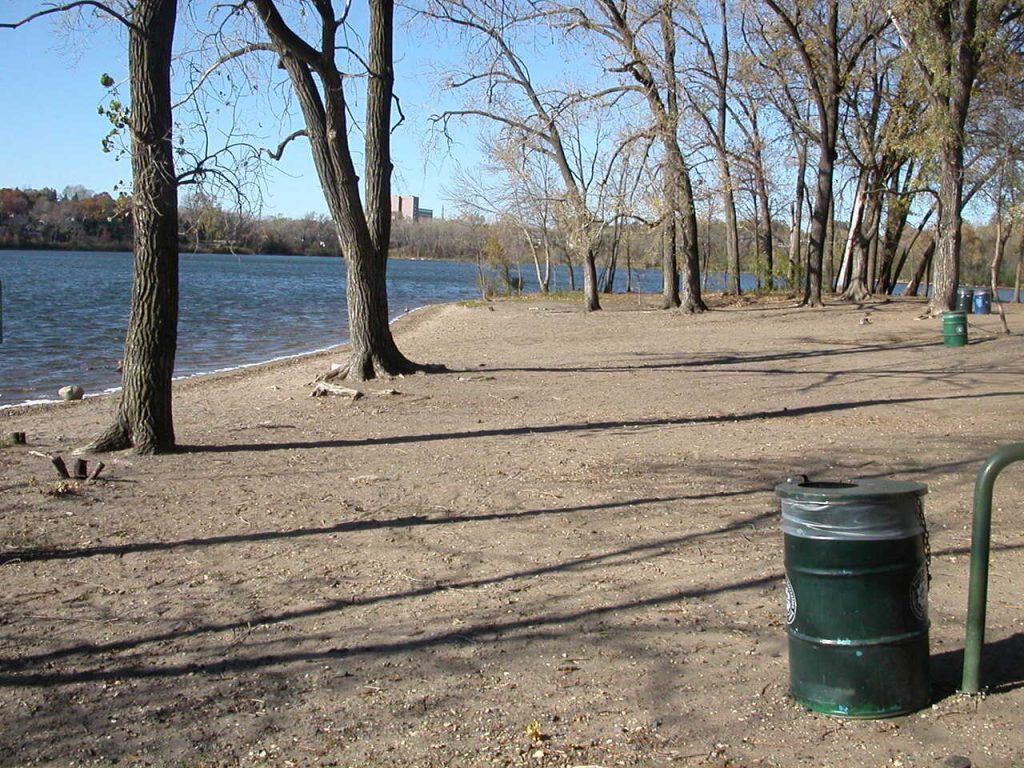
What often surprises newcomers is that the beach’s clothing-optional culture did not appear overnight. Over the years, regular visitors gradually shaped an informal tradition of relaxed norms and personal freedom. Unlike designated nude resorts that operate as private businesses, this beach evolved organically through community behavior. Locals who preferred sunbathing without swimsuits began gathering there decades ago, and the practice slowly became part of the beach’s identity. Word of mouth, rather than advertising, spread awareness. That gradual evolution helped establish an environment where nudity was treated as casual rather than provocative.
The atmosphere today reflects that history. Regulars describe the beach as peaceful, welcoming, and notably unpretentious. Visitors include longtime residents, young adults, couples, and solo sunbathers who value privacy and body positivity. The social tone tends to be respectful, with people giving each other space and focusing on swimming, reading, or relaxing rather than spectacle. Because the tradition developed naturally, there is an unspoken understanding among frequent visitors about etiquette and discretion. This sense of shared expectations allows the beach to function without the party atmosphere or disruptive behavior that sometimes stereotypes clothing-optional locations.
Rules, Respect, and Community Expectations
Despite its reputation, the beach operates within the same public regulations that govern other Minneapolis parks. There is no official city designation labeling it as a nude beach, and local ordinances regarding public behavior still apply. Visitors are expected to follow general park rules related to safety, littering, alcohol use, and respectful conduct. The clothing optional aspect exists largely as a tolerated custom rather than a formally recognized status. That distinction matters because it shapes how visitors approach their experience. People understand they are participating in a shared space rather than entering a venue built specifically for nudity.
Community expectations emphasize discretion and courtesy. Photography is strongly discouraged, especially without consent, to protect privacy and maintain trust among beachgoers. Visitors who choose to remain clothed are free to do so, and mixed use is common. Loud behavior, harassment, or disruptive conduct tends to draw swift social disapproval from regulars who want to preserve the beach’s relaxed tone. This culture of mutual respect allows the area to function smoothly without constant supervision. The balance relies less on enforcement and more on shared understanding that everyone deserves comfort and personal space in a public setting.
Reactions From Neighbors and Authorities

Public opinion around the beach tends to range from amused curiosity to quiet acceptance. Many Minneapolis residents view it as one of the city’s quirky local details rather than a point of controversy. Because the beach is somewhat tucked away and does not dominate surrounding areas, it rarely becomes a flashpoint in civic debates. Some neighbors appreciate that the visitors are generally calm and respectful, creating little disturbance compared with louder recreational spots. Others simply treat it as part of the city’s diverse social landscape, reflecting broader attitudes about personal freedom and tolerance.
City authorities typically respond with a practical approach. Law enforcement and park officials focus on behavior rather than clothing choices, intervening only if complaints arise about disorderly conduct or violations of park regulations. This measured stance allows resources to remain directed toward safety concerns rather than policing personal expression. Over time, the absence of major incidents has reinforced a quiet understanding between visitors and officials. As long as the environment remains respectful and low-impact, the beach continues to operate without drawing sustained official scrutiny or political attention.
A Niche Spot in Minnesota Outdoor Culture
Minnesota’s outdoor culture is deeply tied to its lakes, trails, and seasonal recreation, and this beach represents a small but distinctive thread within that tradition. Residents take pride in spending time outside during warmer months, whether through swimming, paddling, hiking, or picnicking. Within that broader landscape of recreation, clothing optional sunbathing occupies a niche that appeals to individuals seeking comfort, simplicity, and a closer connection to nature. For many visitors, the choice is less about exhibitionism and more about relaxation and body acceptance in a peaceful environment.
The beach’s quiet presence highlights how diverse recreational preferences can coexist within a shared public system. While some people are surprised to learn it exists, others see it as a reflection of evolving social norms around personal expression and public space. Minneapolis has long supported arts, cultural diversity, and progressive civic values, and the beach fits into that broader identity as an example of tolerance and individuality. Rather than defining the city, it adds a small layer to its character, reminding residents and visitors alike that even familiar places can hold unexpected stories.