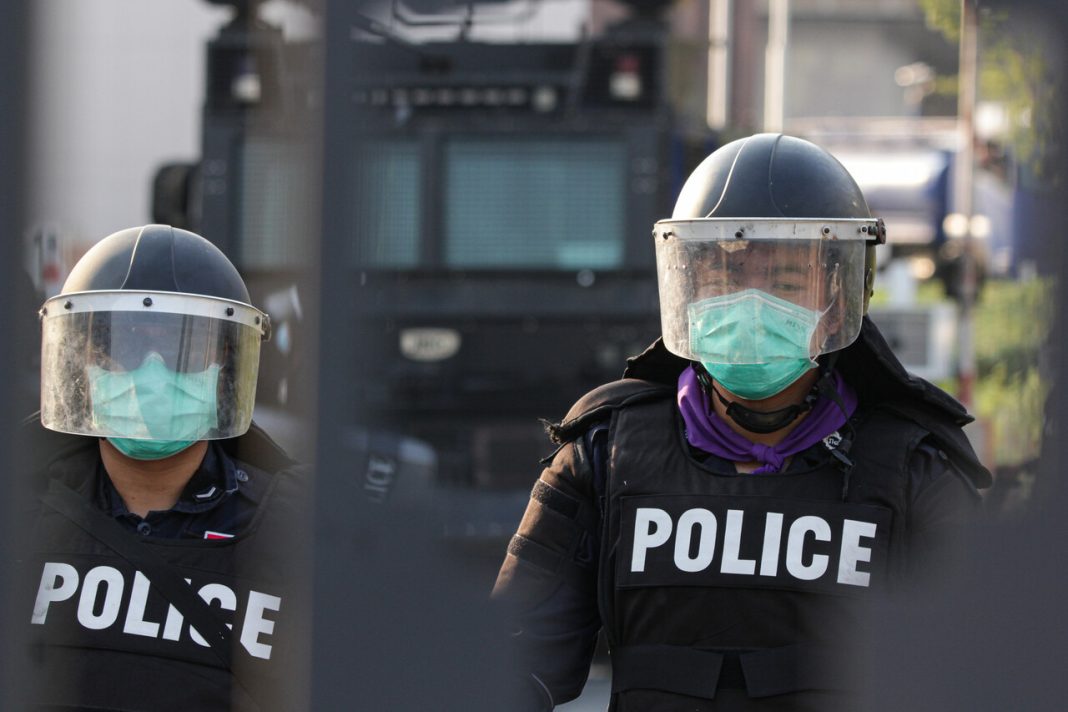
Hospitals are meant to feel like neutral ground, places where care comes before anything else and patients can focus on getting better without fear or hesitation. In parts of Minnesota, that sense of safety has been shaken as ICE agents have begun appearing inside medical facilities. What started as isolated encounters quickly turned into a broader concern among nurses, doctors, and administrators who suddenly found themselves navigating unfamiliar legal questions and emotional tension on top of already demanding jobs. Staff worry about patient privacy, ethical responsibilities, and how enforcement activity inside clinical spaces changes the way people seek care. For many families, the simple act of going to the hospital no longer feels straightforward. Understanding what’s happening inside these hospitals helps explain why healthcare workers are speaking out and why public health experts are increasingly alarmed.
A Federal Presence Inside Hospital Walls
What was once a place of healing has turned into a tense space for many healthcare workers in Minnesota, as federal immigration agents have appeared inside hospitals, raising alarm. Reports show that agents from U.S. Immigration and Customs Enforcement have been seen at multiple Twin Cities medical facilities, including Hennepin County Medical Center and others, leading staff to feel uneasy and often unprepared for their presence. The agents are part of Operation Metro Surge, a large federal enforcement initiative in the state, and their activity has spilled over from street patrols into public spaces like hospital lobbies and, in some instances, areas where patients are being treated. The sudden visibility of federal agents in clinical settings has caught many hospital workers off guard because such enforcement activity inside healthcare facilities is highly unusual.
In some cases, agents have entered patient care areas without what hospital staff consider appropriate documentation. Local organizers and healthcare workers have described scenarios where agents entered emergency departments, navigated restricted hallways, and were present in areas traditionally reserved for patient care. This infiltration of clinical spaces has heightened anxiety for both staff and patients who expect hospitals to be safe, neutral spaces dedicated solely to health and recovery. The sense of a shifting environment where federal enforcement and medical care intersect has complicated the already difficult job of delivering urgent and compassionate care to sick and vulnerable people.
Why Medical Workers Feel Alarmed

The reaction among medical professionals has been one of concern and, in many cases, frustration. Hospitals are meant to protect patient privacy and dignity, yet the presence of law enforcement agents with a mission of detention has made it more difficult for staff to fulfill their roles comfortably. Nurses, doctors, and administrators have expressed that the sudden appearances of agents disrupt routines and create ethical dilemmas about how to balance patient confidentiality with federal enforcement priorities. Healthcare workers are trained to care for people in vulnerable states, someone arriving injured, ill, or incapacitated, and the intrusion of authorities evaluating immigration status adds a level of complexity that traditional clinical training does not address.
In at least one reported incident, agents were alleged to have handcuffed a patient to a hospital bed without presenting a warrant or clear legal basis, drawing sharp criticism from community leaders and elected officials. Lawmakers and hospital staff have described these kinds of interactions as not only disruptive but potentially dangerous, especially when patients are in fragile health or experiencing trauma. This has sparked urgent conversations about the appropriateness of armed federal agents in spaces where care and recovery should come first, and whether current practices respect ethical obligations and patient trust.
How Patients Are Changing Their Behavior
The presence of immigration enforcement in healthcare settings has had an immediate effect on how individuals approach medical care, not just in hospitals but for routine treatment as well. Public health experts have noted that residents across Minnesota, including U.S. citizens, are delaying or avoiding seeking medical help out of fear of encountering ICE agents en route to or inside care facilities. The University of Minnesota’s public health reporting shows people postponing critical appointments, including preventive care and treatment for chronic conditions, because they are worried about being stopped, questioned, or detained by immigration agents even if they have legal status. This fear is not limited to undocumented immigrants but spills over into wider communities who see federal activity as unpredictable and potentially intrusive.
This chilling effect on health-seeking behavior poses real consequences for community health. Doctors have observed increases in delayed diagnoses, missed vaccinations, and more severe cases of illnesses that might have been treated earlier under normal circumstances. Families are reluctant to bring children to emergency rooms for urgent conditions, and some people are even waiting until symptoms are severe before seeking care. Public health officials warn that this trend could lead to larger outbreaks of preventable disease, worsening outcomes for individuals, and a general decline in community wellbeing if left unchecked.
The Legal Gray Area in Healthcare Settings
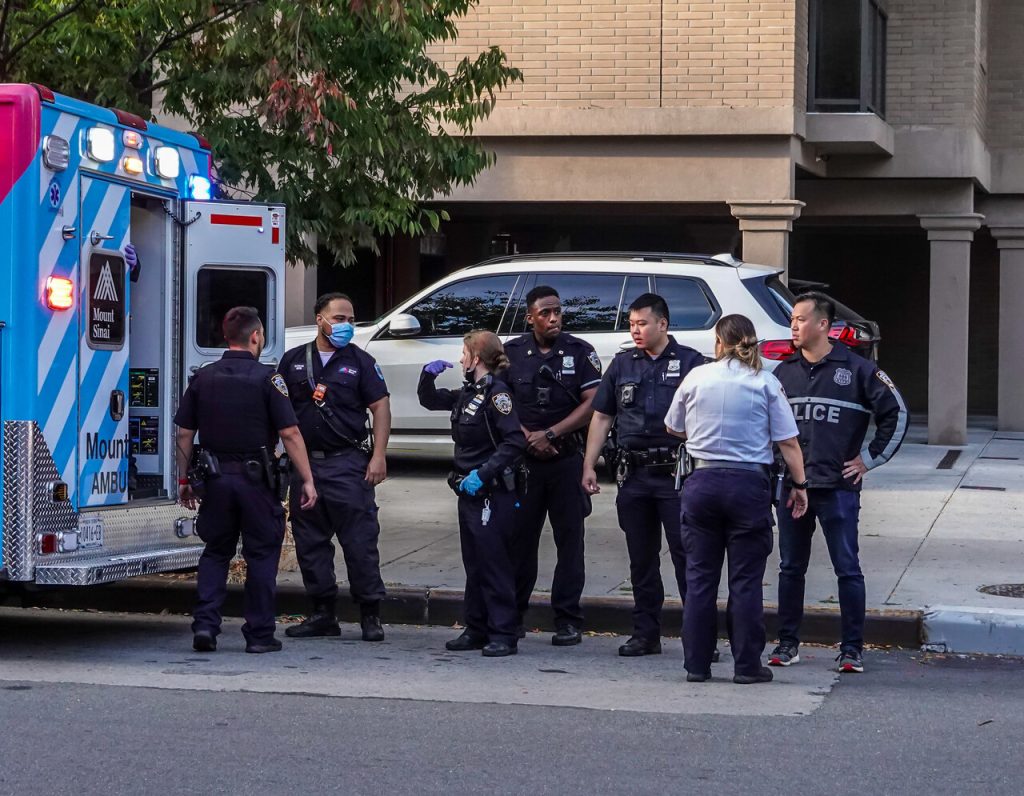
Hospitals are governed by strict rules designed to protect patient privacy and safety. Federal law generally allows law enforcement to access public areas of hospitals, but entering patient rooms or private spaces typically requires a warrant or explicit consent. Healthcare providers have expressed confusion and concern over how immigration agents navigate these boundaries. Hospital administrations and employee unions are demanding clearer policies and protocols that protect patients’ rights while complying with the law. Some institutions have stated that agents must present proper identification and legal documentation to access restricted areas, yet staff report inconsistencies in how this is enforced.
In addition, the Department of Homeland Security has reportedly audited employee records at large medical centers, adding another layer of intrusion that staff and advocates call unprecedented. Such audits, while legally permissible under certain circumstances, have been perceived by workers as part of a broader pattern of scrutiny that extends beyond patient care into the personal lives and job security of hospital employees. These legal questions about consent, civil liberties, and the separation of healthcare from enforcement are now being debated at both the institutional and public policy levels, with many calling for explicit protections that keep immigration enforcement out of clinical spaces unless absolutely necessary.
The Broader Impact on Public Health
The ripple effects of enforcement actions reaching into healthcare settings extend far beyond individual patient interactions. Public health experts warn that when people avoid seeking medical care, community health declines as a result. This is especially concerning during periods of higher prevalence of contagious diseases like influenza, whooping cough, or respiratory viruses, where early treatment and vaccination are key to preventing outbreaks. Delays in care not only affect those who avoid treatment but also increase risks for broader public health.
Trust in healthcare systems is fundamental to effective care, and when that trust is eroded by fear, even if the fear is not grounded in direct experience, people are less likely to engage with medical professionals. Community leaders and health advocates argue that preserving trust means ensuring hospitals remain safe havens for all, regardless of immigration status. If families believe they might be questioned, detained, or surveilled while seeking necessary care, the long-term damage could manifest in worsened health outcomes and further strain on an already burdened healthcare infrastructure. This connection between enforcement policy and public health underscores why many are calling for clear boundaries and protective measures that keep clinical settings focused on healing rather than fear.
References
- Inside Minnesota Hospitals, ICE Agents Unnerve Staff – nytimes.com
- ICE agents appear at Twin Cities hospitals, alarming health care workers – mprnews.org