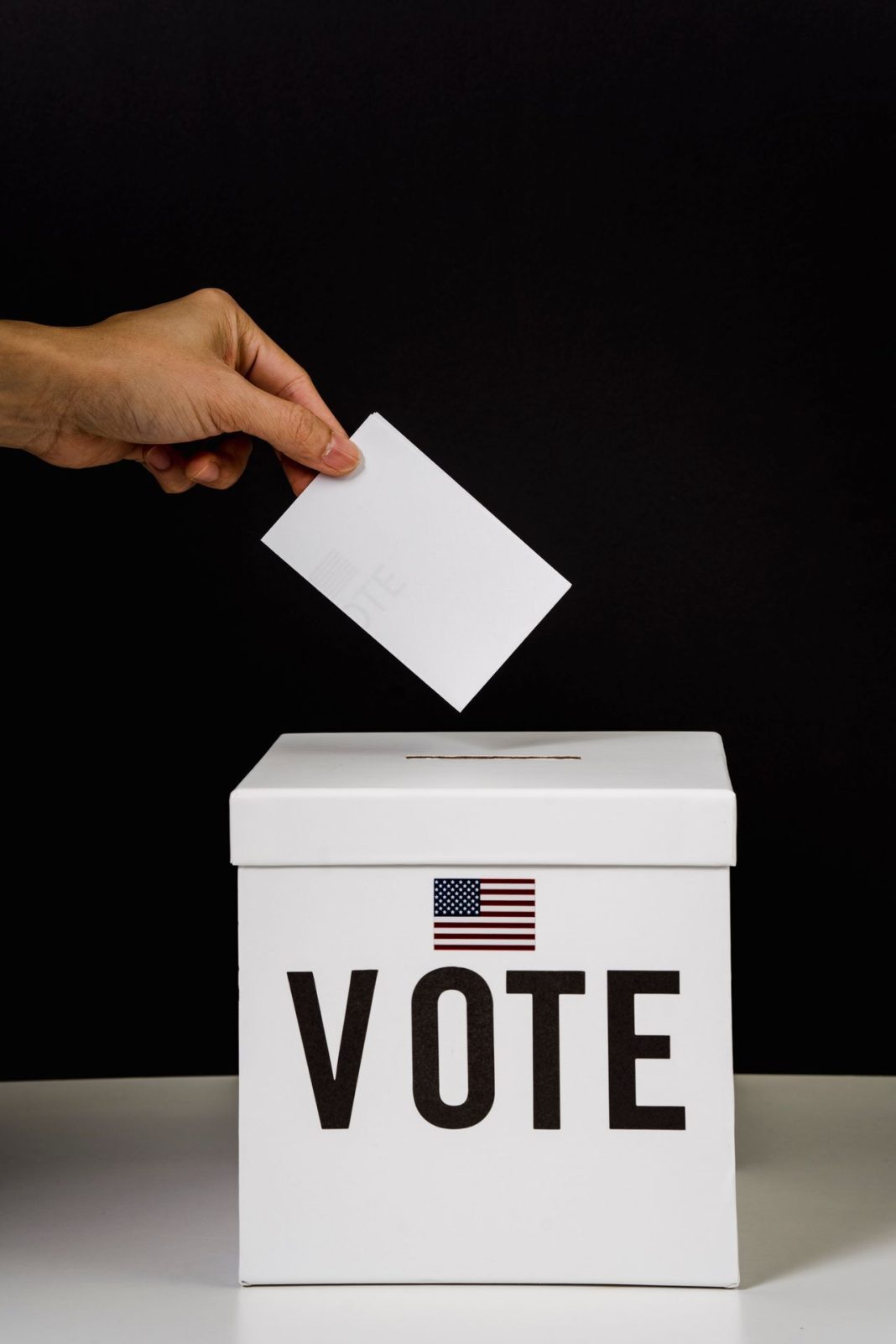

Minnesota’s early voting numbers are climbing as the state approaches the November 3, 2026, general election. More than 419,000 ballots had already been accepted by October 22, with in-person voting accounting for the larger share. Compared with the same period during the 2022 midterm election, participation is up nearly 49%. But with hundreds of thousands of absentee and mail ballots still outstanding, these early figures offer only a partial picture of what turnout could look like on Election Day.
Minnesota Has Accepted 419,189 Ballots Before November 3
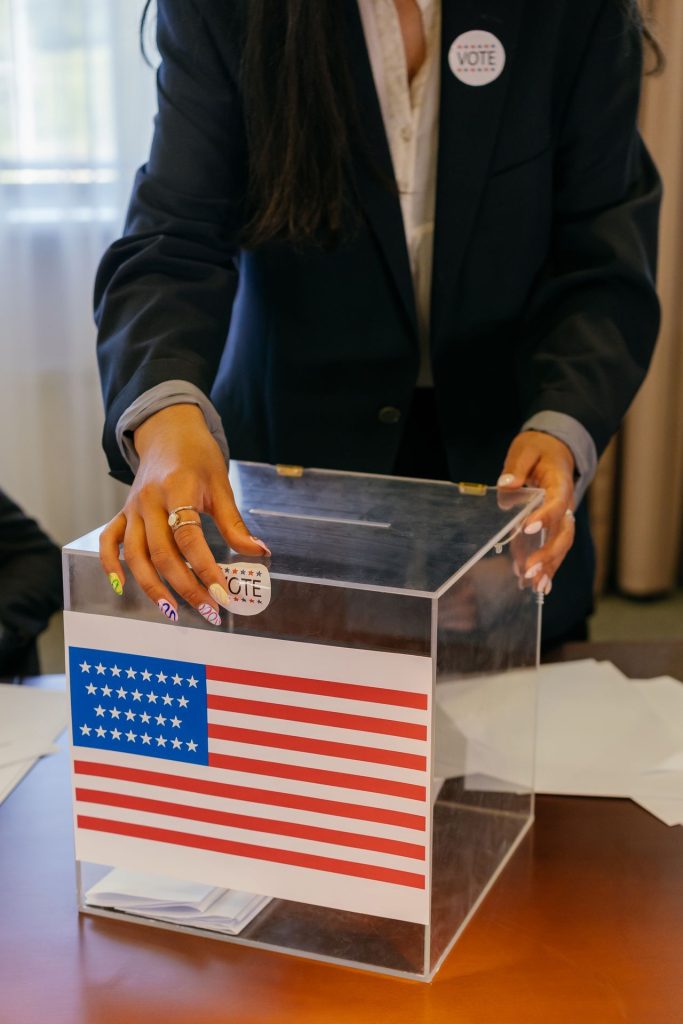
Minnesota’s early voting numbers are drawing attention as the state approaches the November 3, 2026, general election. By the close of business on October 22, election officials had accepted 419,189 ballots from voters who cast their votes in person or returned them by mail. Voting began on September 18, giving Minnesotans several weeks to participate before Election Day. The total includes 241,348 ballots cast in person and 177,841 returned by mail, showing that both options are contributing substantially to turnout. These figures represent ballots accepted during the first five weeks of voting, rather than a final turnout count. With Election Day still ahead, the total could continue to rise as more residents visit early voting locations and outstanding mail ballots arrive. The figures also offer an early indication of how Minnesotans are using the state’s voting options ahead of a closely watched midterm election.
In-Person Voting Accounts for 241,348 Ballots
For many Minnesotans, voting before Election Day means visiting an election office, completing a ballot, and submitting it directly rather than waiting until November 3. By October 22, a total of 241,348 voters had cast their ballots in person, making this the larger of the two reported early voting categories. Minnesota expanded access to early in-person voting for the 2026 election, allowing voters to place their completed ballots directly into a ballot tabulator at designated locations. This process offers an alternative for people who prefer to vote in person but cannot easily make it to their polling place on Election Day. Extended voting hours beginning October 24 also give residents additional opportunities to participate over the final stretch of the early voting period. The numbers do not explain why individual voters chose this method, but they show that in-person voting has played a substantial role in the state’s early turnout.
Mail Voting Has Delivered 177,841 Accepted Ballots
Mail voting remains an important part of Minnesota’s early voting picture, with 177,841 ballots returned by mail and accepted by election officials as of October 22. This option allows eligible voters to complete their ballots outside a polling place and return them without making a separate trip to vote in person. However, requesting or receiving a ballot does not mean it has been counted as returned. Election officials must receive the completed ballot within the applicable deadline for it to be accepted. Minnesota’s figures distinguish between ballots distributed and ballots returned, which is why the number of accepted mail ballots is lower than the total number sent out. Voters returning ballots by mail need to account for delivery time, particularly as Election Day approaches. The state also allows voters to return absentee ballots directly to their local election office, subject to the relevant deadline. These rules matter because ballots received too late cannot be counted, even when voters have completed them before Election Day.
Early Voting Is Running Well Ahead of the 2022 Midterm Election
The comparison with the previous midterm election provides one of the clearest signs of Minnesota’s early voting surge. During the first five weeks of voting in 2022, 282,277 Minnesotans cast ballots in person or by mail. By the comparable point in 2026, that figure had reached 419,189, an increase of 136,912 ballots, or approximately 48.5%. In other words, Minnesota had accepted nearly 49% more early ballots than during the same period four years earlier. Election officials had also distributed more absentee and mail ballots in 2026, with 696,364 distributed by October 22 compared with 558,300 during the equivalent period in 2022. These comparisons indicate that early participation is substantially higher so far, although they do not establish what the final turnout will be. Differences in voter interest, election issues, campaign activity, and voting habits may all influence participation. The figures provide a useful snapshot of early engagement, but the final comparison will depend on the ballots accepted through Election Day.
Election Officials Have Distributed 696,364 Absentee and Mail Ballots

The number of ballots distributed offers another perspective on how many Minnesotans have the opportunity to vote before November 3. By October 22, local election officials had distributed 696,364 absentee and mail ballots across the state. This figure is considerably higher than the 419,189 ballots accepted through in-person and mail voting during the same period, partly because many distributed ballots had not yet been returned. The distinction is important: a ballot that has been sent or issued is not the same as a completed ballot received by election officials. The distribution total reflects the reach of the early voting process, while the accepted-ballot total reflects participation that has already been recorded. Minnesota’s election officials continue to track these figures as Election Day approaches. The difference between the two totals also helps explain why outstanding ballots remain a significant part of the election outlook. Some recipients may still be preparing their ballots, while others may have returned them through a process that has not yet been reflected in the published figures.