
Minnesota’s Boundary Waters wildfires did more than threaten forests and disrupt outdoor recreation. They also dealt a costly blow to nearby tourism communities during one of the busiest months of the summer. A University of Minnesota Duluth study estimated $9 million in lost economic activity across Ely and Grand Marais in July 2026, as closures, smoke and canceled trips kept visitors away. These six numbers reveal the scale of the damage and explain why the effects reached far beyond the wilderness itself.
The Boundary Waters Wildfires Caused an Estimated $9 Million in Economic Losses

The financial impact of Minnesota’s 2026 Boundary Waters wildfires extended well beyond burned forests and closed campsites. A study by the University of Minnesota Duluth’s Bureau of Business and Economic Research estimated that Ely and Grand Marais lost a combined $9 million in economic activity during July, when wildfires, hazardous smoke and restrictions on outdoor recreation discouraged visitors. The U.S. Forest Service closed the entire Boundary Waters Canoe Area Wilderness on July 14, and a gradual reopening began on July 27. The closure disrupted tourism during one of the region’s most important revenue-generating periods. The $9 million estimate includes more than the money tourists would have spent directly at hotels, restaurants, outfitters and shops. It also accounts for indirect and induced economic effects, such as businesses purchasing supplies and employees spending their earnings locally. These figures represent estimated economic activity that did not occur, rather than a direct accounting of every business’s financial losses. The study focused on the two largest surrounding communities, so the full regional impact could be broader.
Nearly 48,000 Visitor-Days Disappeared From Ely and Grand Marais
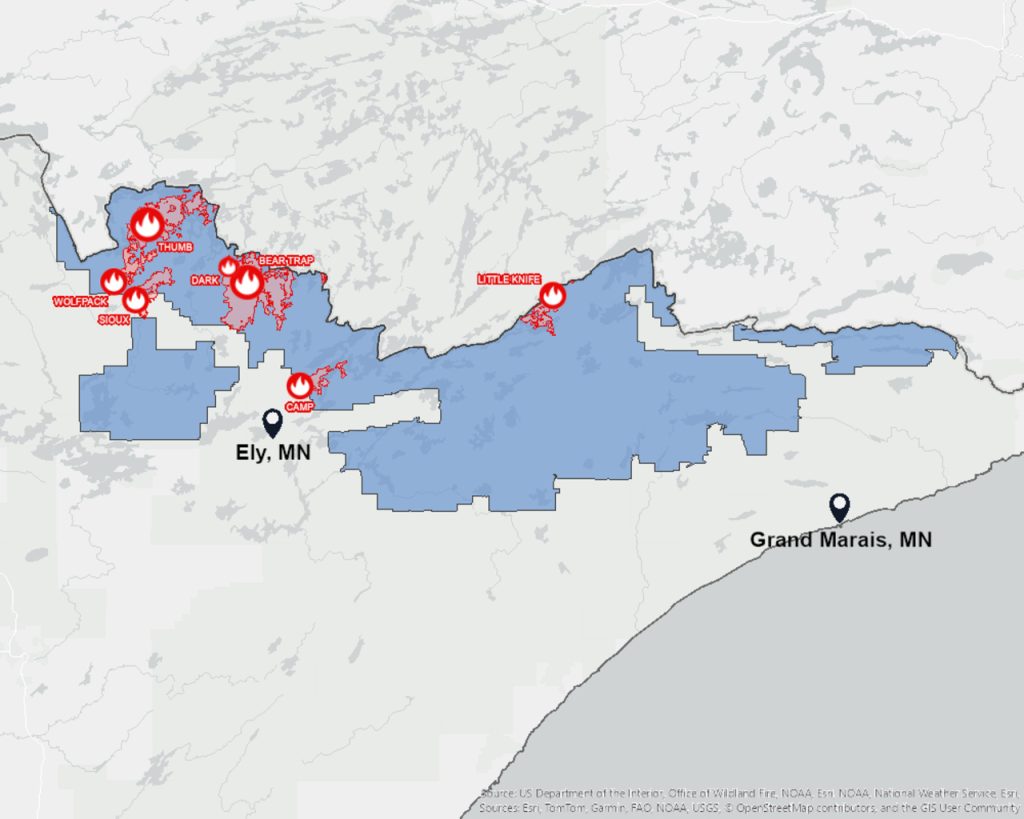
Tourism losses become easier to understand when measured in the number of days visitors would otherwise have spent in a community. Researchers estimated that Ely and Grand Marais experienced a combined shortfall of 47,717 visitor-days in July 2026 compared with the average for July 2024 and July 2025. A visitor-day represents one person’s presence in a community for one day, meaning a tourist who stays for three days contributes three visitor-days. The study used mobile phone location data to compare daily visitor activity across the three summers. Both communities initially recorded visitor numbers broadly in line with previous years, but activity declined as the fires spread and access to the wilderness was restricted. Ely experienced a particularly sharp drop after the July 14 closure, while Grand Marais saw visitor numbers recover closer to previous levels by the fourth weekend of the month. Even with that recovery, the overall monthly shortfall remained substantial. These missing visitor-days matter because every canceled overnight stay, restaurant meal, guided excursion or shopping trip can mean less income for businesses that rely heavily on summer tourism.
Ely Lost an Estimated $4.4 Million in Economic Activity
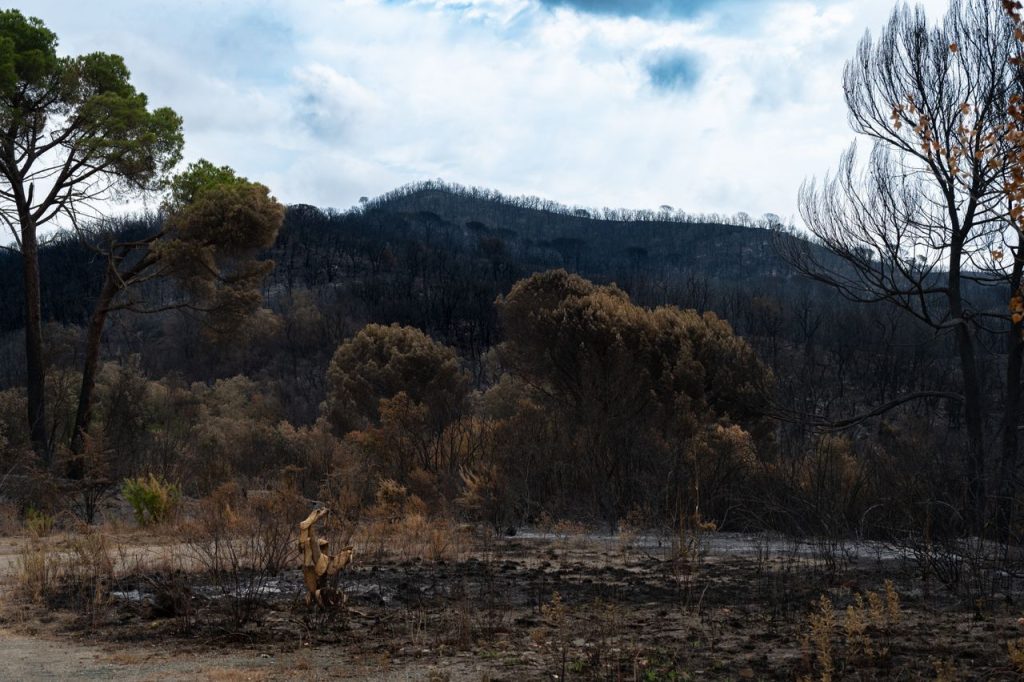
Ely’s proximity to the Boundary Waters made the summer wildfire disruption especially painful for its tourism-dependent businesses. Researchers estimated that the community lost $4.4 million in total economic output in July 2026 compared with the activity expected based on visitor patterns in the previous two years. The city recorded approximately 182,000 visitor-days during the month, down from a two-year average of nearly 204,000. That represents a shortfall of about 22,070 visitor-days. The timing amplified the damage because July is a major part of the summer season for canoe outfitters, guides, lodging providers, restaurants and retailers. The fires and closure also coincided with hazardous air quality that forced the cancellation of Ely’s Blueberry Arts Festival, originally scheduled for July 24 through 26. The annual event typically attracts tens of thousands of visitors, making its cancellation another setback for local businesses. The economic estimate includes direct spending losses and the ripple effects on other parts of the local economy. It does not mean every business lost the same amount, but it illustrates how quickly a disruption to outdoor recreation can affect an entire tourism-based community.
Grand Marais Recorded $4.6 Million in Estimated Economic Losses
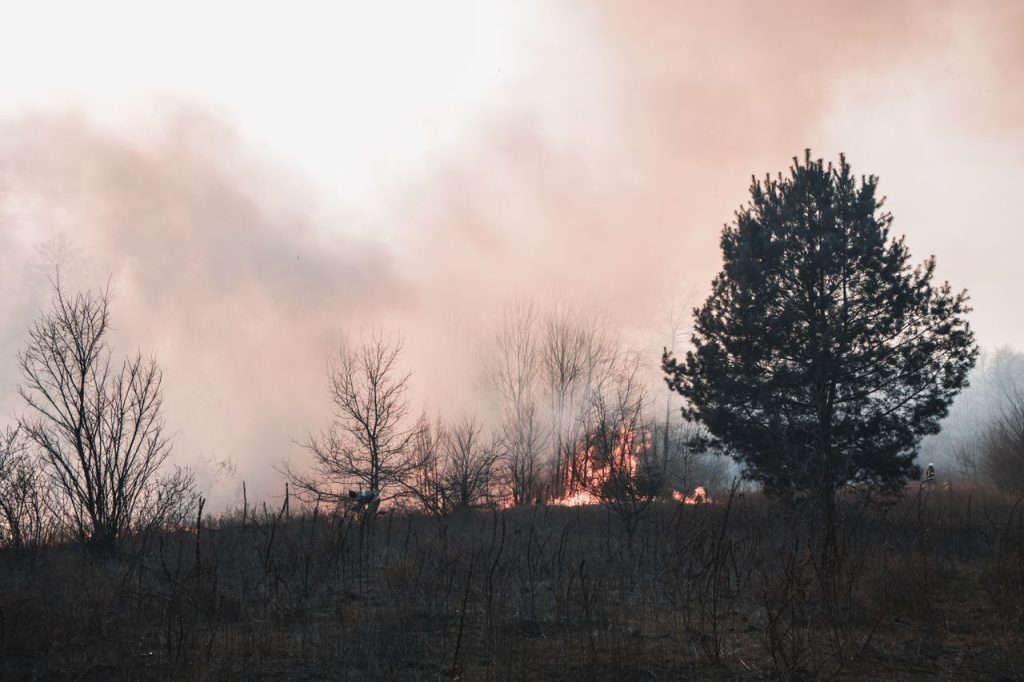
Grand Marais demonstrates how wildfire disruption can affect a tourism destination even when the community is farther from the main fire activity. The study estimated that the town lost $4.6 million in economic output during July 2026, slightly more than Ely’s estimated $4.4 million loss. Grand Marais recorded about 187,000 visitor-days, compared with an average of approximately 212,000 in July 2024 and July 2025. That amounted to a shortfall of 25,647 visitor-days. Although some nearby trails and recreational areas reopened sooner than those closer to the fires, smoke, negative publicity and uncertainty surrounding access to the Boundary Waters continued to discourage travel. Visitors planning wilderness trips may also have canceled other activities in the region rather than reorganizing their vacations around the restrictions. This is important for Grand Marais because local tourism supports lodging, restaurants, shops, outfitters and other service businesses. The town’s experience shows that the economic consequences of a wildfire can spread beyond evacuation zones and burned land. Even businesses operating in places that remain physically accessible can suffer when travelers believe an entire region is unsafe or unavailable.
The Missing Tourism Spending Could Have Supported 72 Jobs
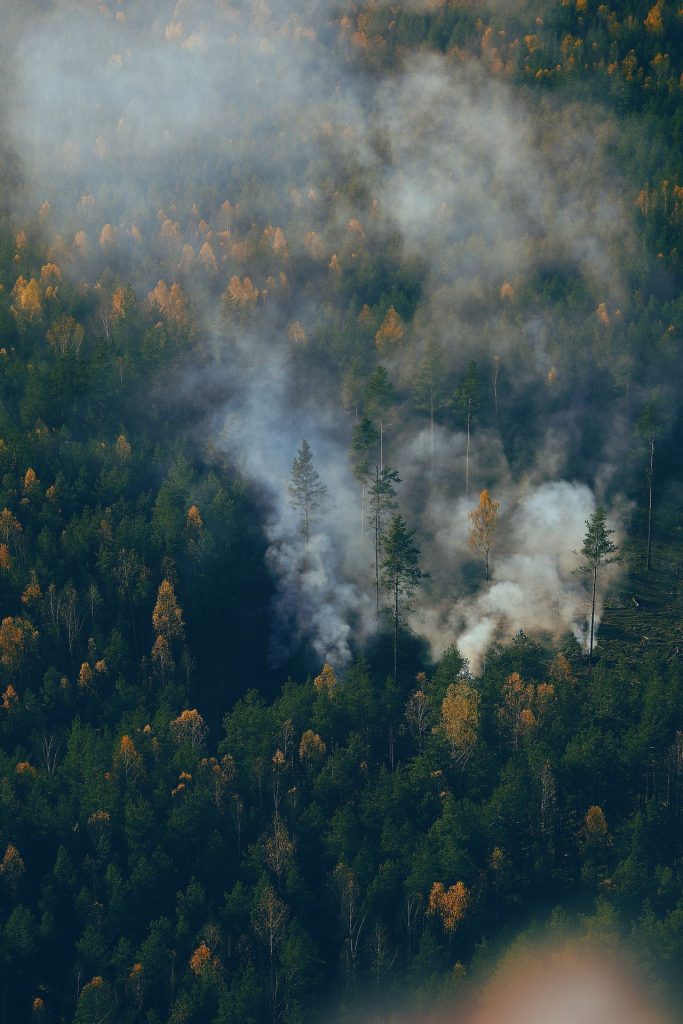
The loss of visitor spending affects more than business owners’ revenue. The University of Minnesota Duluth study estimated that the economic activity missing from Ely and Grand Marais could have supported approximately 72 jobs, including 35 in Ely and 37 in Grand Marais. These estimates reflect the employment associated with the spending that did not take place, rather than confirmation that 72 people were laid off. The study also estimated a combined $2.7 million in labor income and $5 million in value added across the two communities. Those measures help show how tourism spending supports wages and contributes to local economic activity. During a normal summer, visitor dollars help businesses pay employees, purchase supplies, maintain facilities and cover expenses that continue after the tourist season ends. When cancellations arrive during the busiest weeks of the year, businesses have limited opportunities to make up the difference later. Some may reduce staff hours, delay hiring or cut operating costs to stay afloat. The findings highlight why economic recovery after a wildfire involves more than reopening trails and campsites. Businesses also need visitors to feel confident returning, particularly in communities where a short summer season helps sustain livelihoods throughout the year.