
Fall might be the sweetest time to visit a national park. The crowds thin out, the air turns crisp, and the scenery starts showing off in a big way. If you’re looking for low-cost adventure, these free activities prove you don’t need to spend much to have an unforgettable park day.
Take a Scenic Hike
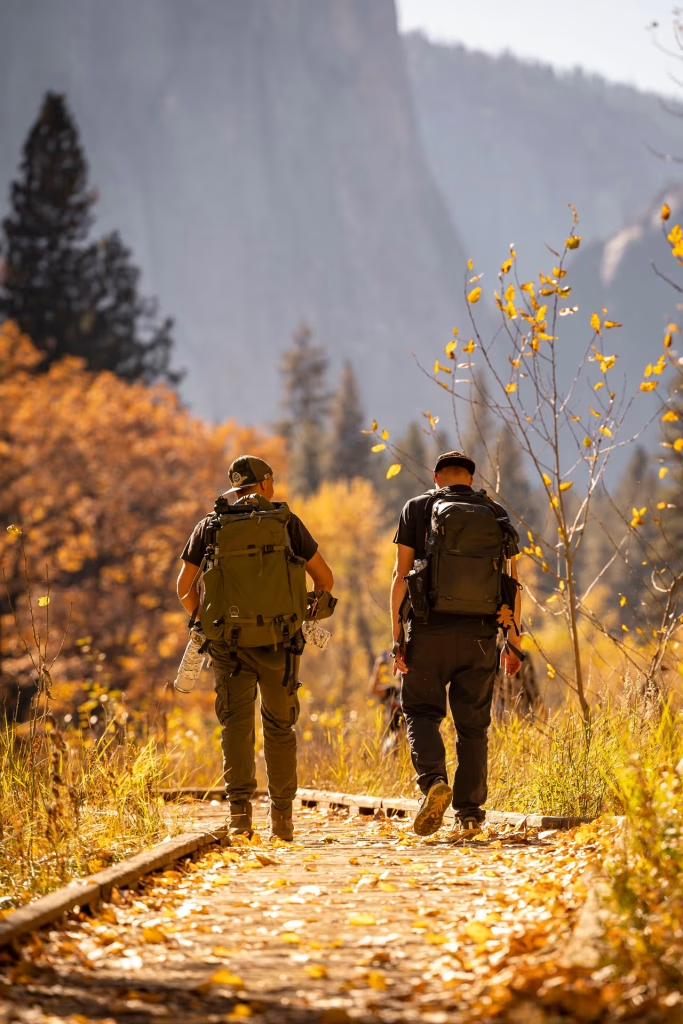
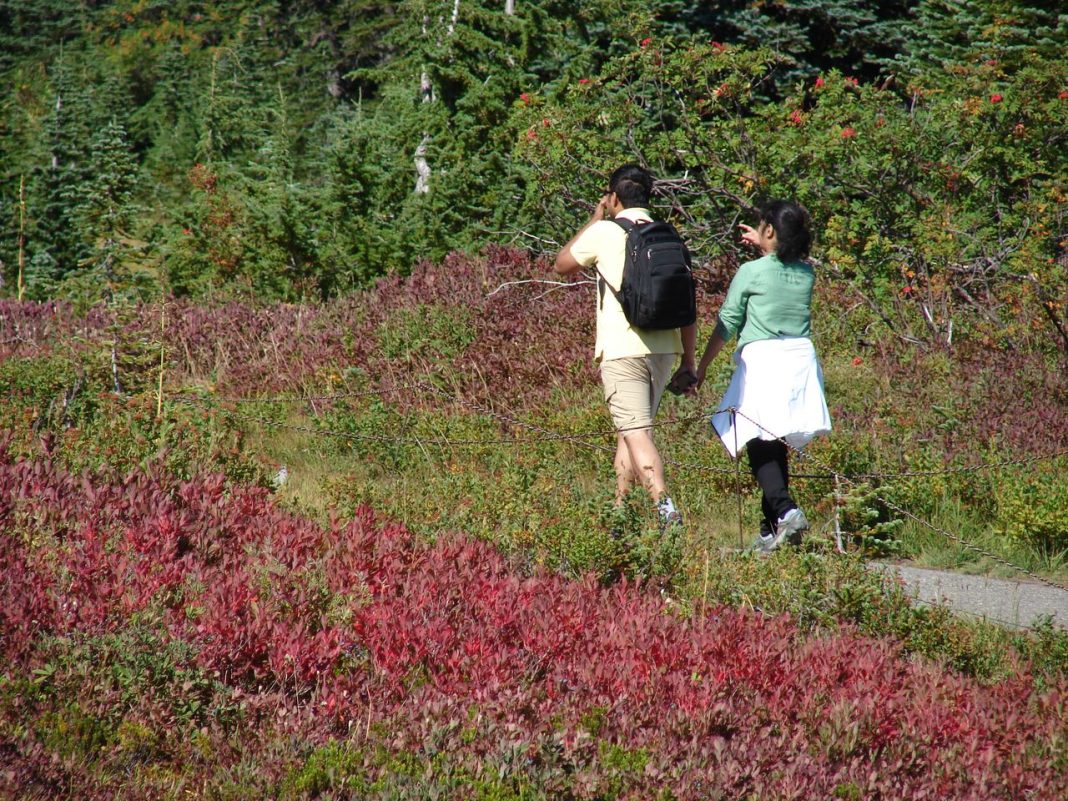
Fall hiking just hits differently. Cooler temperatures make longer walks more comfortable, and even familiar trails can feel brand-new once the leaves start turning and the light gets softer.
Many national parks have easy paths, overlooks, and short nature trails that cost nothing beyond your entry into the park. If you already have a pass or visit on a free entrance day, that means the experience itself is totally free.
You do not need to chase a grueling summit to enjoy it, either. A mellow morning walk through aspens, maples, or high-desert terrain can deliver the same wow factor without wiping you out.
Watch the Fall Colors Change
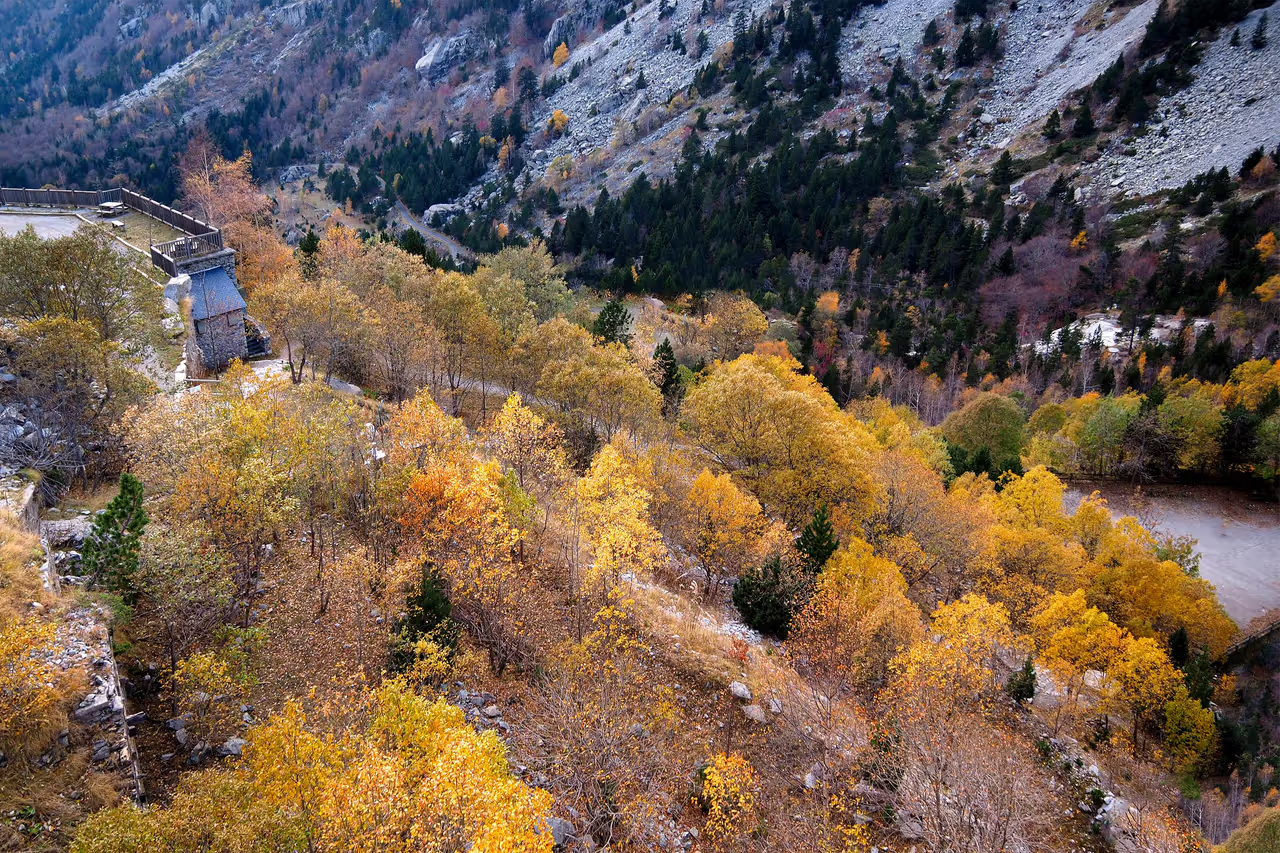
Leaf-peeping is one of the easiest free pleasures in any park that gets a real autumn show. From blazing orange valleys to pockets of bright yellow aspens, the season can turn a simple drive or stroll into a full event.
Some parks are famous for dramatic color, but you do not need a headline destination to enjoy it. Even a quiet grove near a visitor area can feel cinematic when the breeze picks up and the leaves start falling.
Go early or late in the day if you want the best light. The softer glow makes the colors pop and gives everything that classic, postcard-worthy fall mood.
Join a Ranger Program
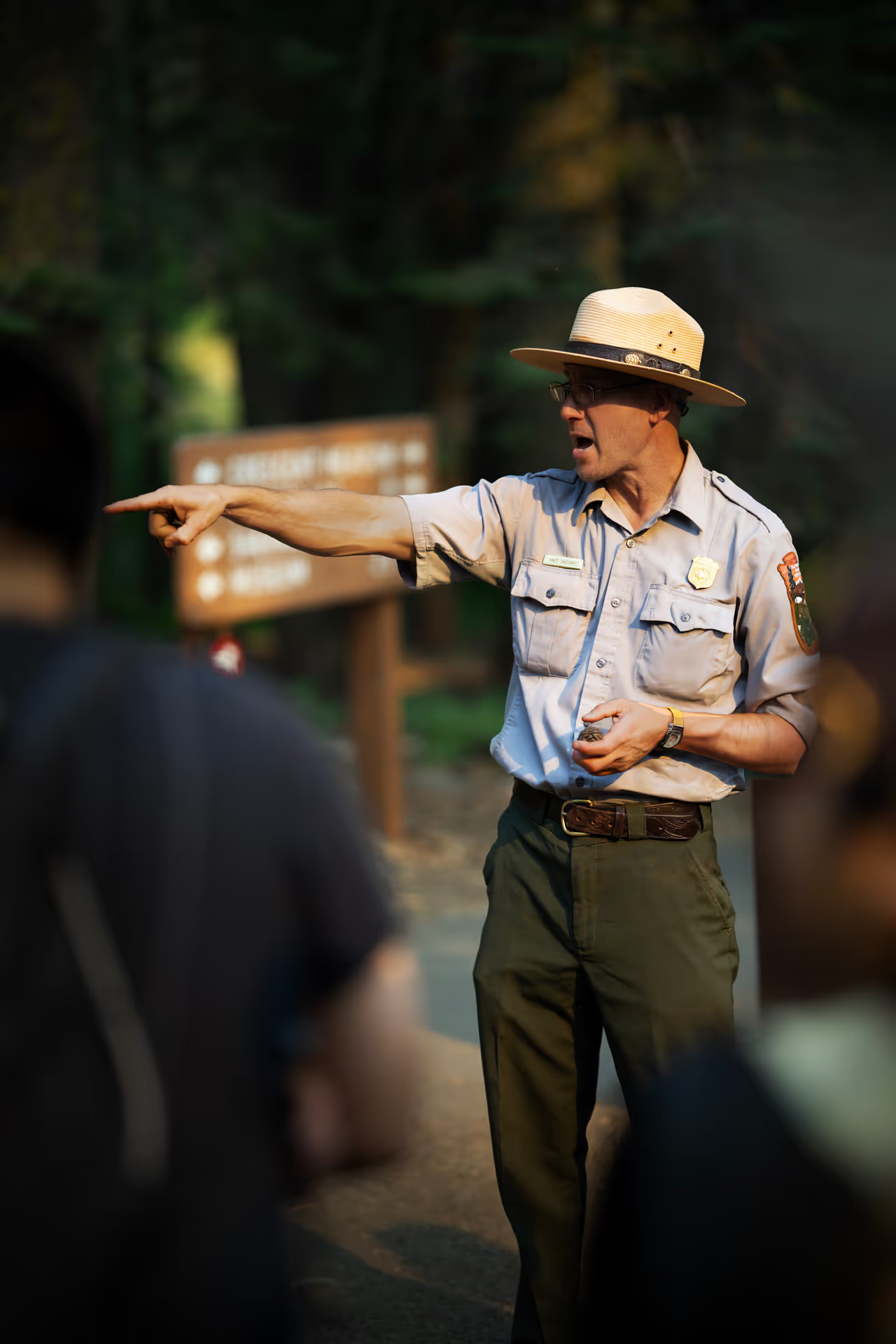
Ranger-led programs are one of the best free upgrades to a park visit. You might stumble into a geology talk, a wildlife walk, or a short history program that makes the landscape around you feel much more alive.
Fall is an especially good time for these events because the weather is friendlier and some parks lean into seasonal themes. Migration, changing ecosystems, and local cultural history all make great cold-weather conversation.
Even if you usually like doing your own thing, it is worth checking the daily board or visitor center. A 30-minute talk can completely change the way you see the rest of the park.
Have a Picnic with a View
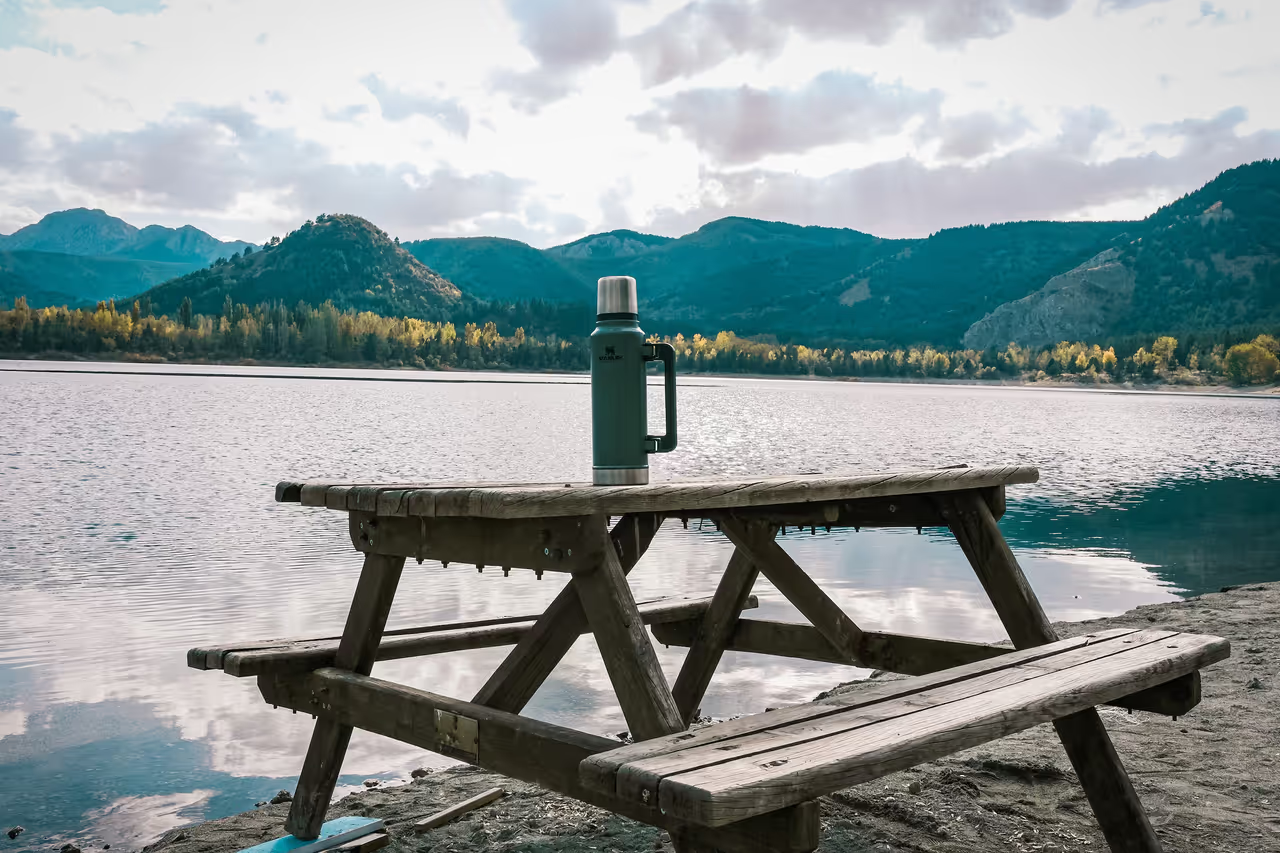
There is something deeply satisfying about a simple picnic in a national park once the summer heat backs off. Fall brings the kind of weather that makes sandwiches, coffee, and a scenic overlook feel like a luxury.
Most parks have picnic tables, pull-offs, or open spots where you can settle in and take your time. You are not paying for entertainment here, because the entertainment is the landscape stretching out in every direction.
Bring layers and keep it easy. A low-key lunch beside a river, meadow, or canyon can become one of those surprisingly memorable travel moments people talk about long after the trip ends.
Go Wildlife Spotting
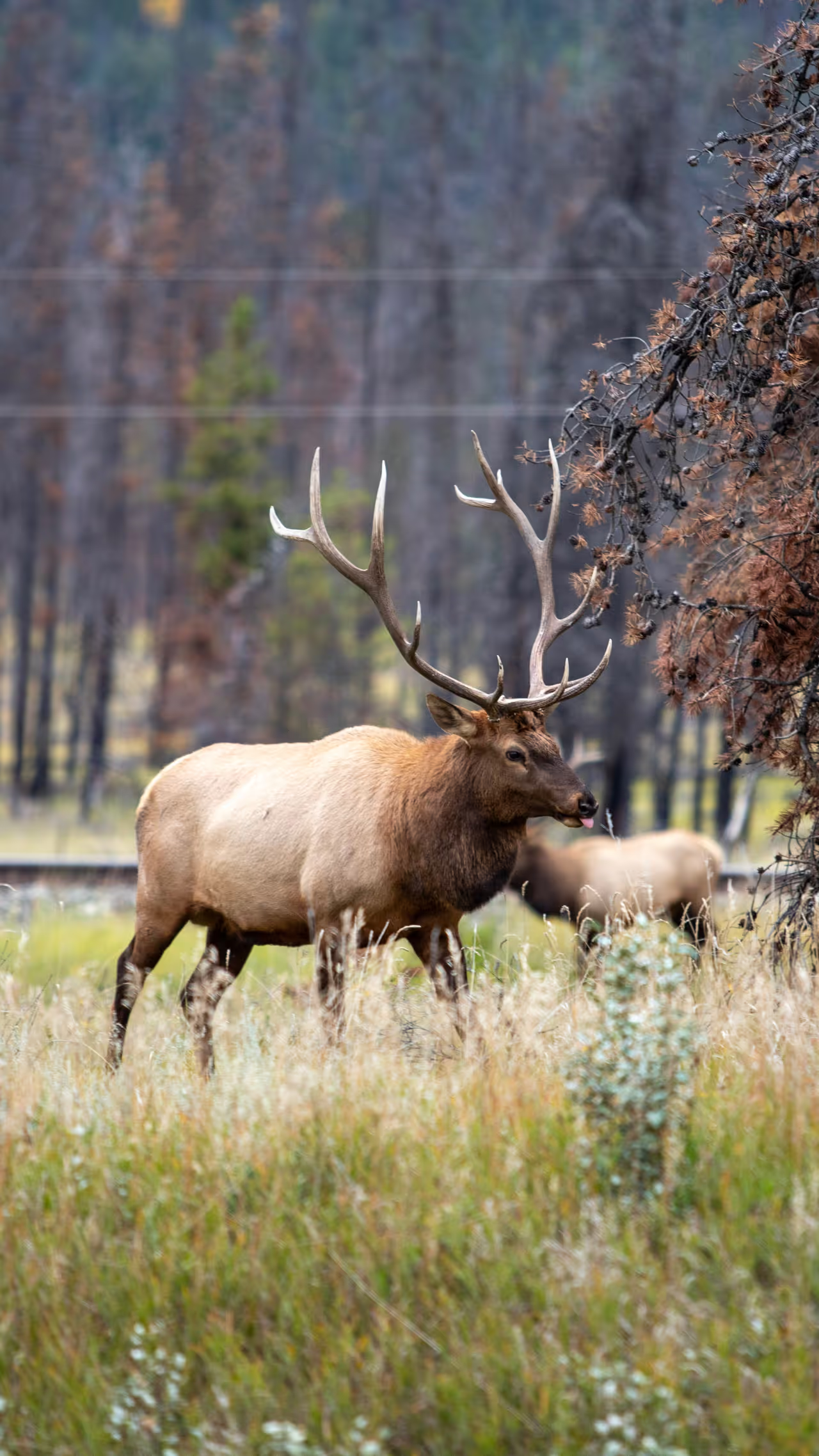
Fall can be an exciting time to watch animals in national parks. Depending on where you go, you might see elk during rut season, birds moving through migration routes, or mammals becoming more active in cooler weather.
Wildlife watching costs nothing, but it does reward patience. Slow down, keep your distance, and spend a little extra time in meadows, along rivers, or near dawn and dusk when animals are often easiest to spot.
Binoculars are helpful if you have them, but they are not required to enjoy the moment. Sometimes the best part is simply standing still long enough to notice how busy the landscape really is.
Take Photos of the Landscape
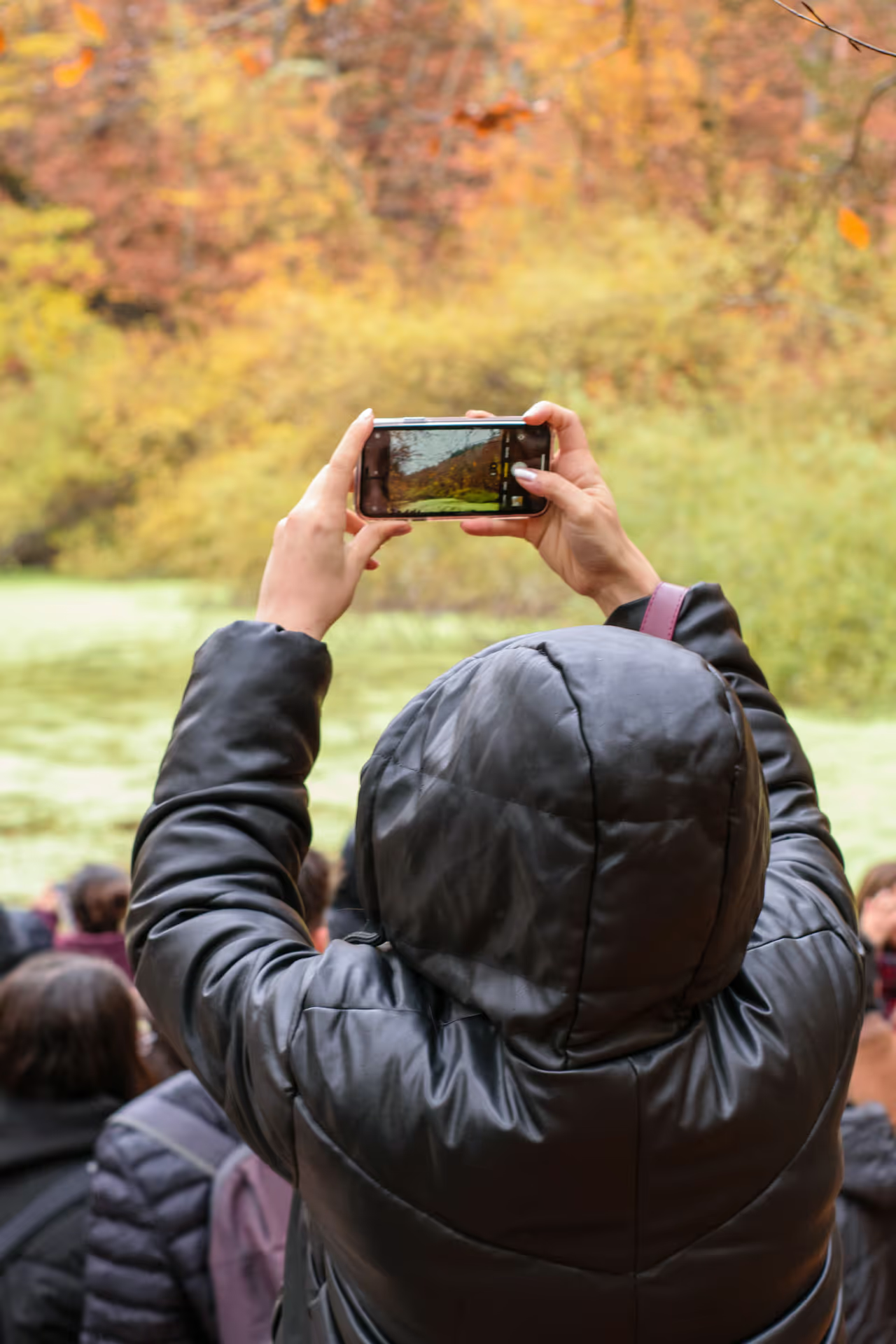
National parks in the fall practically beg to be photographed. The lower sun angle, richer colors, and occasional morning mist can make even a phone camera feel surprisingly powerful.
You do not need pro gear or a perfect itinerary. Pull over at overlooks, frame a winding trail through leaves, or zoom in on details like frost, bark, and reflections in still water.
This is also a great excuse to slow your pace. Looking for photos makes you pay attention to textures, shadows, and small scenes you might otherwise breeze past, which often leads to a more memorable visit overall.
Stargaze After Sunset
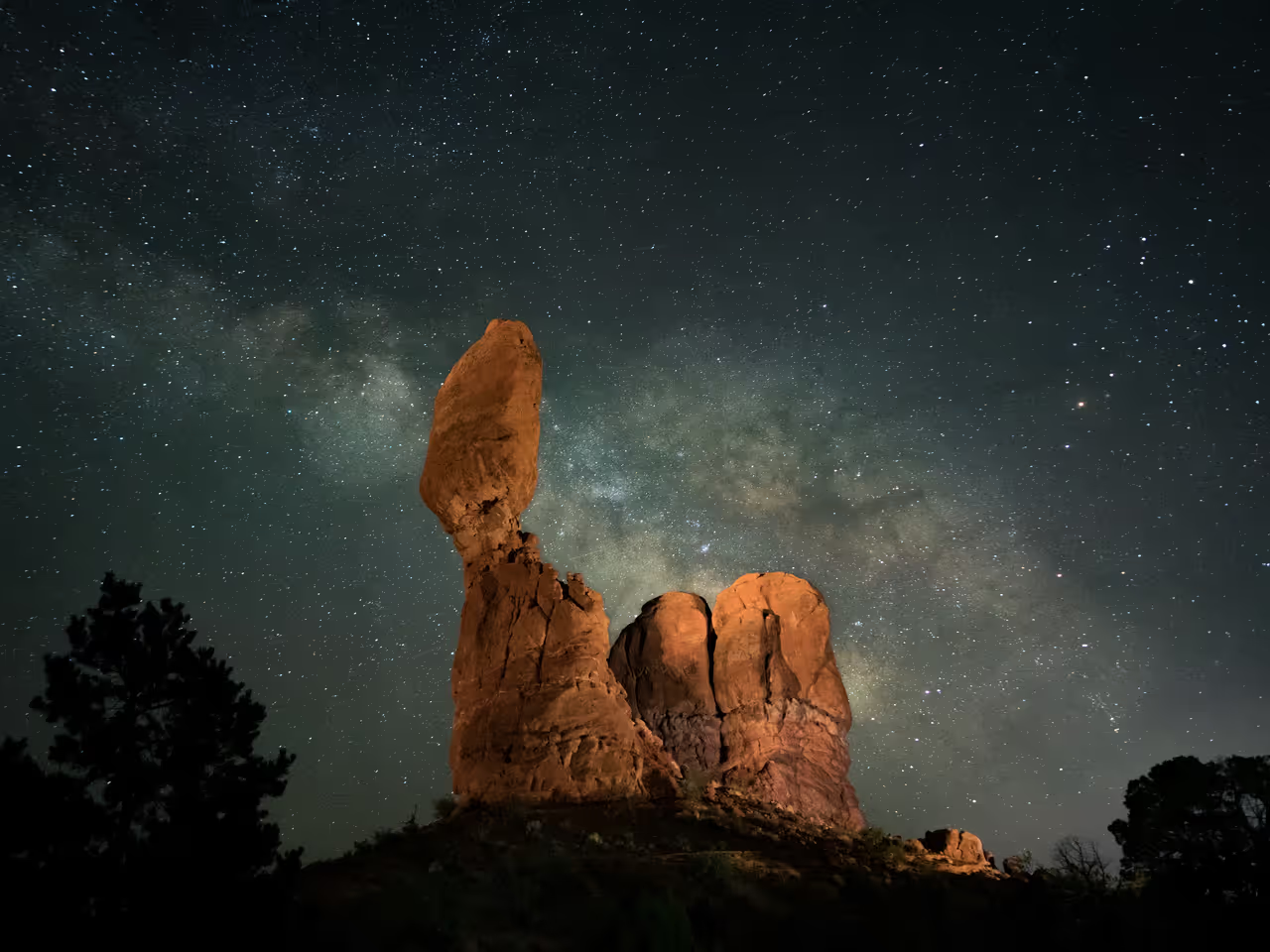
When night falls, many national parks become incredible places to look up. Far from city lights, the sky can feel enormous, and crisp autumn air often makes the stars appear even sharper.
Stargazing is wonderfully simple. Bring a blanket or extra jacket, find a safe open area, and give your eyes a little time to adjust. Before long, constellations, planets, and the Milky Way may start to reveal themselves.
It is one of those free experiences that feels unexpectedly big. After a day of trails and viewpoints, ending with a dark sky overhead can make the whole trip feel calmer, quieter, and a little more awe-inspiring.
Explore a Visitor Center or Museum
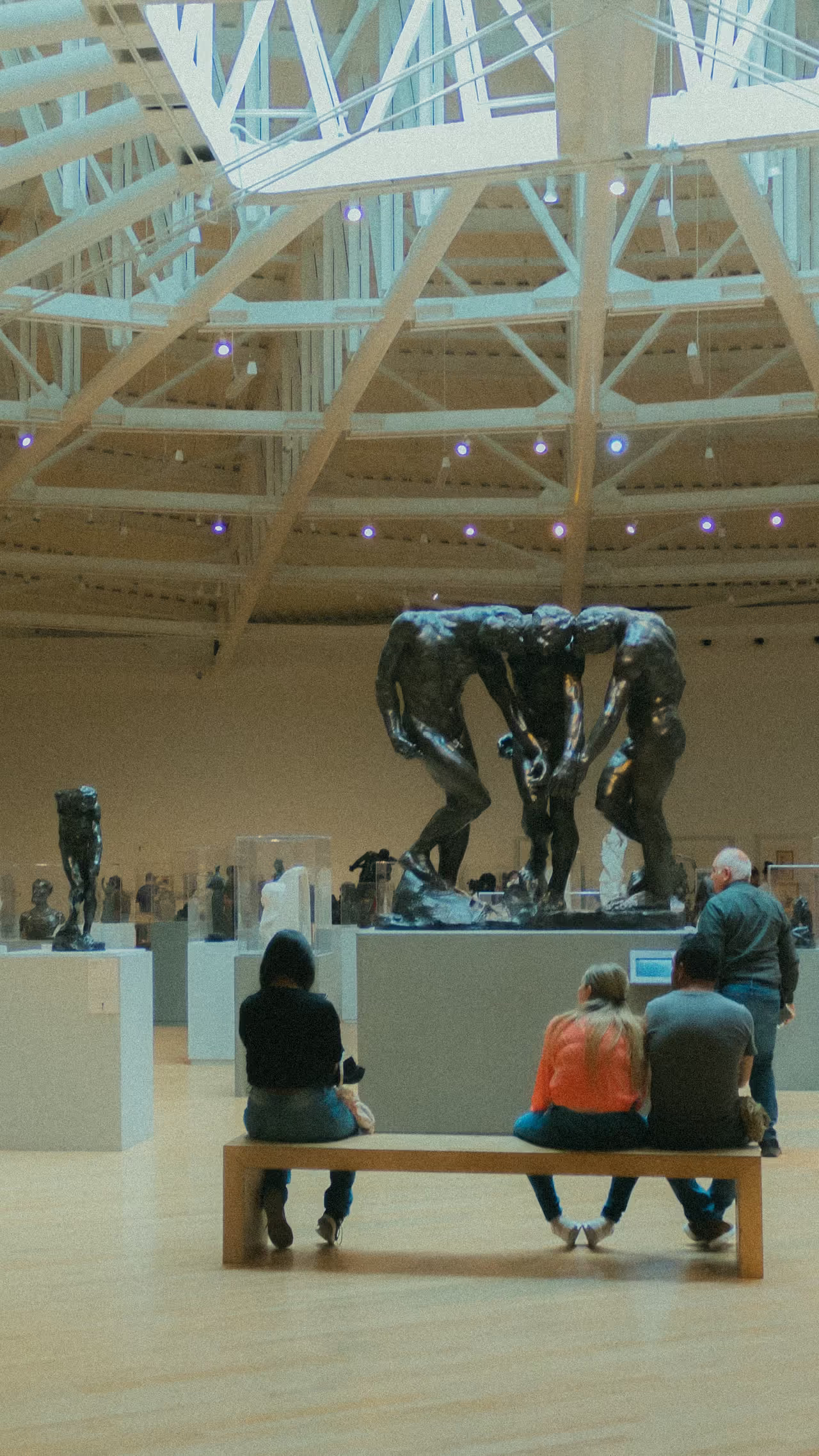
If the weather turns chilly or you want a break from the trail, a visitor center can be a great stop. Many national parks offer free exhibits, maps, films, and small museums that help explain what makes the place special.
This is where a lot of hidden context lives. You can learn about Indigenous history, local wildlife, geology, fire ecology, or the people who helped shape the park over time.
It is also a smart move at the start of your visit. A quick stop indoors can help you find the best scenic drives, check trail conditions, and discover parts of the park you might have missed otherwise.
Drive the Scenic Roads
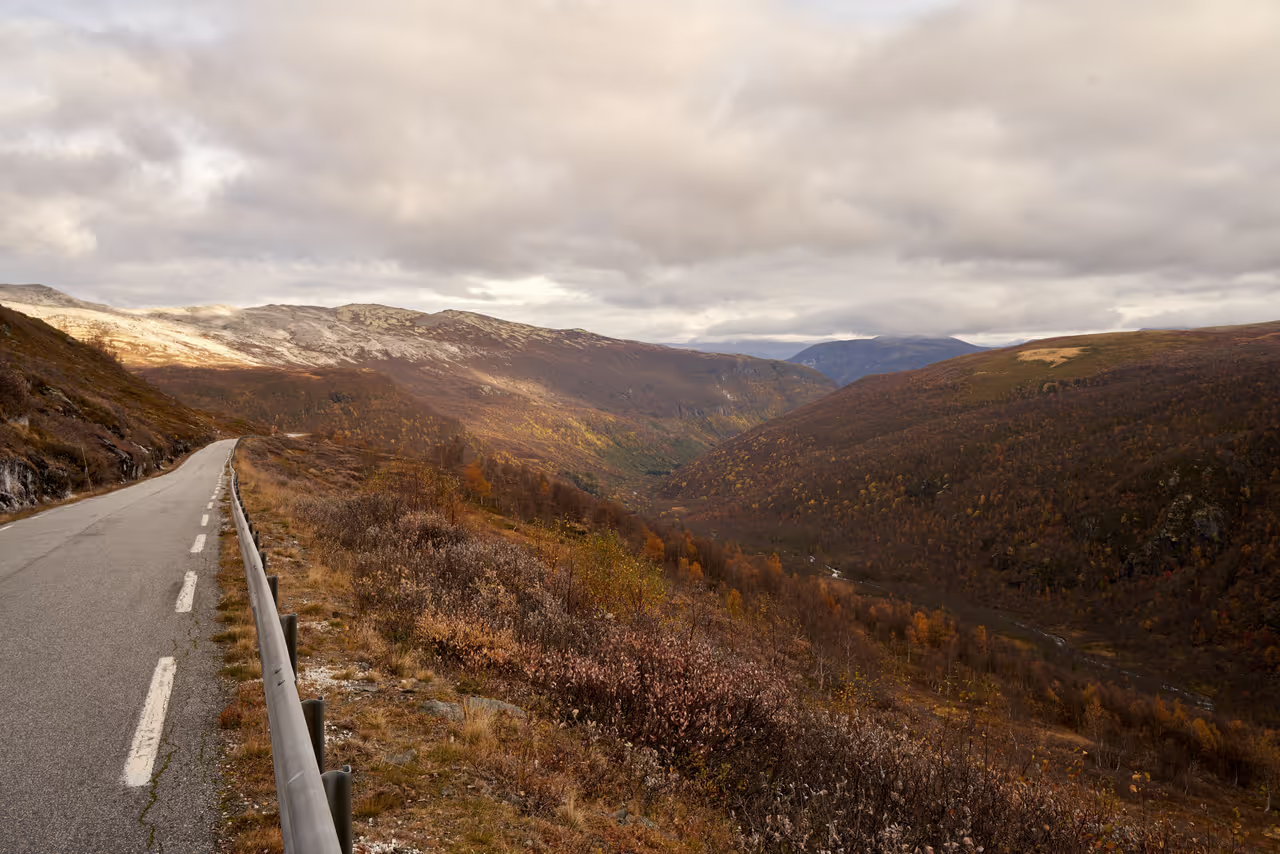
Not every park memory has to come from a hike. Scenic drives are one of the easiest free ways to soak in huge views, especially in fall when roads wind past colorful trees, dramatic cliffs, and wide-open valleys.
This is a perfect option for families, road trippers, or anyone who wants to cover more ground without packing the whole day with activity. Pullouts and overlooks let you stop when something catches your eye.
A great drive can feel almost meditative in autumn. Windows cracked, sweaters on, warm drink in the cup holder, and a landscape that seems to get better around every bend is hard to beat.
Relax and Enjoy the Quiet
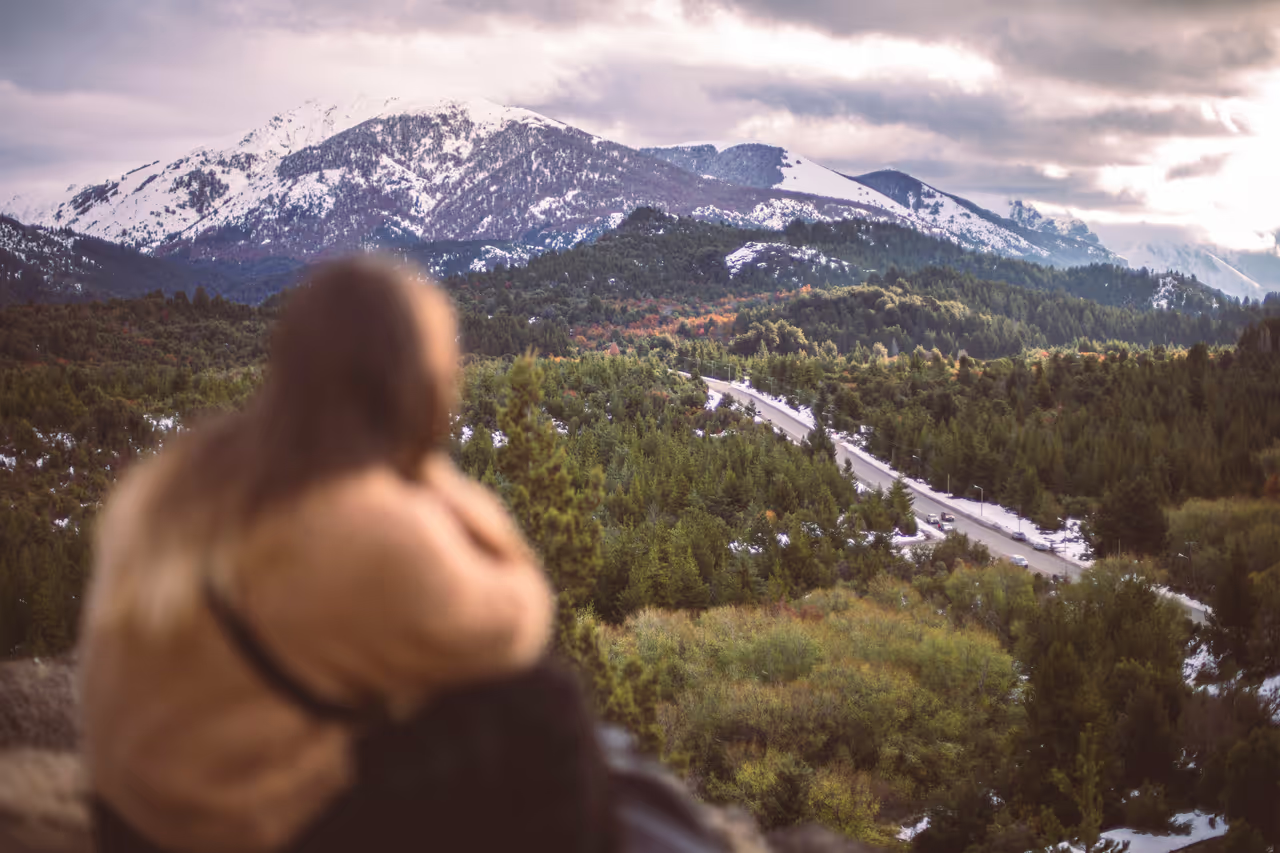
Sometimes the best free thing to do in a national park is absolutely nothing ambitious. Fall often brings fewer visitors than peak summer, which means more room to sit on a bench, listen to the wind, and just be there.
That slower energy is part of the appeal. You can linger at an overlook, read by a river, or spend a few extra minutes noticing the sounds and colors around you without feeling rushed.
In a season that can get busy fast, that kind of pause feels valuable. National parks are good at reminding people that not every great outing needs an agenda to feel meaningful.