
The latest 2026 drought assessment shows how heat, dryness, and water shortages are affecting communities across the United States. The report highlights record summer temperatures, widespread drought, unusually high atmospheric demand for water, and historically low levels at major Western reservoirs. Here are five major weather and water facts from the latest assessment.
1. 2026 Brought the Hottest Summer on Record

The contiguous United States experienced its warmest meteorological summer on record in 2026. The average temperature from June through August was 0.4°F higher than the previous record, set in both 1936 and 2021.
The heat was widespread, with especially high temperatures across the Southwest and Four Corners states. Southern Florida also recorded its warmest summer on record.
2. Nearly Half the Country Remained in Drought
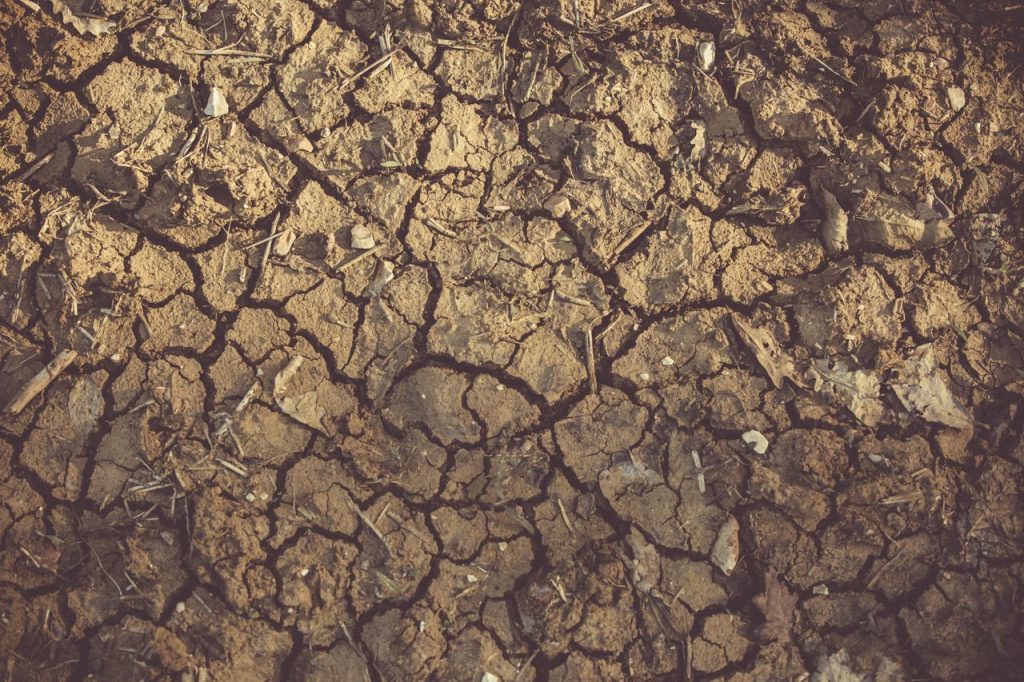
Drought remained widespread throughout the summer, even as conditions shifted across different regions. The U.S. Drought Monitor showed drought covering 48.8% of the country on June 2 and 47.6% on August 25.
Drought coverage briefly fell to 38.3% on July 21 as storms brought improvement to portions of the Lower Midwest and Southeast. Conditions later worsened in parts of the Northern and Southern Plains as flash drought developed.
3. The Atmosphere Was Pulling More Water From the Land
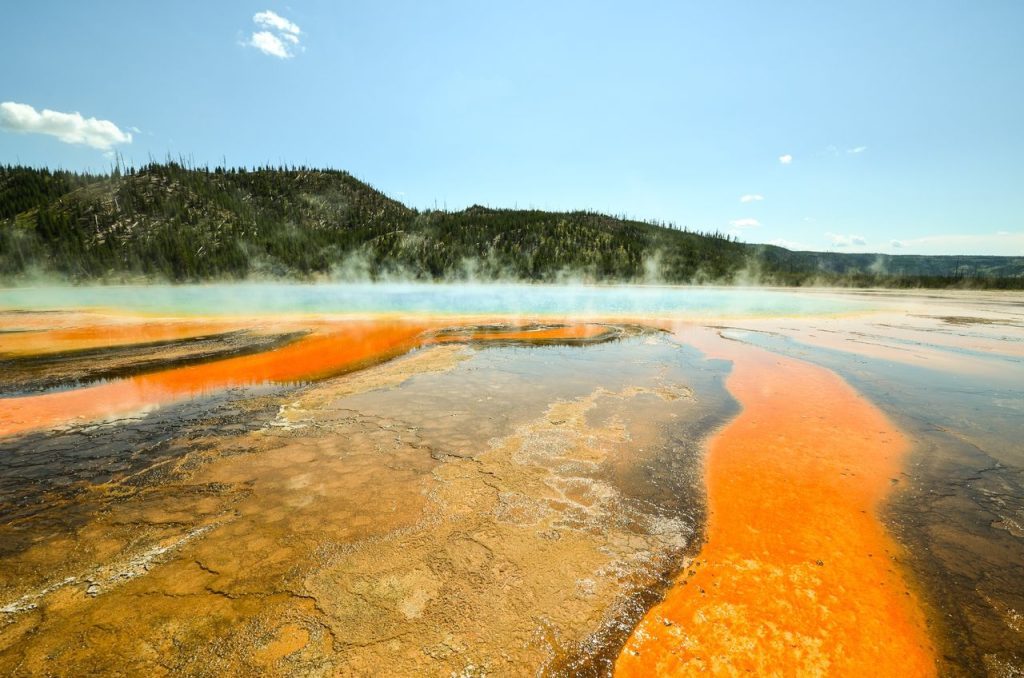
Drought is not determined by rainfall alone. Evaporative demand measures how strongly the atmosphere draws water from the land, and hot temperatures, clear skies, strong winds, and low humidity can accelerate drying.
From June through August, nearly every state in the contiguous United States experienced areas of high evaporative demand. Colorado recorded some of the highest levels, while parts of the Ohio River Basin also faced elevated atmospheric demand despite receiving above-normal precipitation.
4. Major Western Reservoirs Reached Record Lows
Water supplies in the West faced another difficult year as drought and long-term water shortages continued to affect major reservoirs. Lake Mead and Lake Powell reached all-time record low levels during the summer.
The situation reflects more than one season of dry conditions. Earlier in the year, the West also experienced an unprecedented snow drought, leaving less mountain snowpack available to feed rivers and reservoirs during the warmer months.
5. The Southwest Entered 2026 With Severe Water Pressure
The Southwest entered the summer with an unusually weak snowpack following the 2025-26 winter. On April 1, snow-water equivalent across the Western United States was 32% to 53% lower than the previous record low during the SNOTEL era.
By June 16, 90.9% of Arizona, Colorado, Nevada, New Mexico, and Utah were experiencing drought. Drought officials warned that the snow drought could contribute to critical water shortages in reservoirs along the Colorado River and elsewhere across the region.