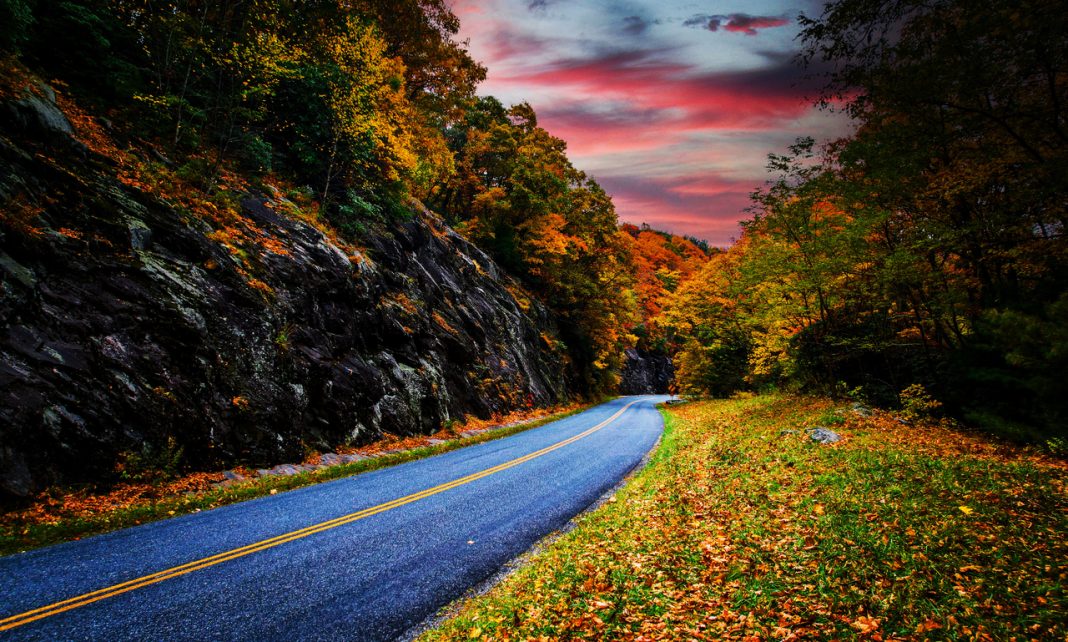

The Blue Ridge Parkway has completed a major stretch of road rehabilitation just as visitors prepare for the fall travel season. The project covered 75 miles in Western North Carolina and brought extensive improvements to pavement, drainage, guardrails, overlooks and other aging infrastructure. Backed by more than $100 million in federal investment, the work addresses long-standing maintenance needs along one of America’s best-known scenic roads while helping prepare the route for another busy season.
75 Miles of the Parkway Just Got a Major Makeover
The Blue Ridge Parkway has reached a major milestone after the completion of a more than $100 million rehabilitation covering 75 miles in Western North Carolina. The work stretches from milepost 229.6, north of Doughton Park, to milepost 305.1 near Grandfather Mountain. The multiyear effort focused on long-standing maintenance needs while keeping the historic character of the scenic roadway intact. Work began in 2023 and was carried out in phases so sections could be worked on while maintaining access to recreation areas and visitor destinations whenever possible.
The Road Stretch That Was Rehabilitated
The project covers a substantial portion of the Parkway rather than a single isolated trouble spot. The 75-mile corridor runs through a section of Western North Carolina that includes access to places such as Doughton Park, Price Lake, Cone Memorial Park and areas near Grandfather Mountain. The rehabilitation centered on the mainline motor road, with pavement reconstruction and resurfacing among the major pieces of work. Earlier phases required staggered closures and detours, allowing crews to work safely while preserving access to nearby visitor facilities.
More Than $100 Million Went Into the Work
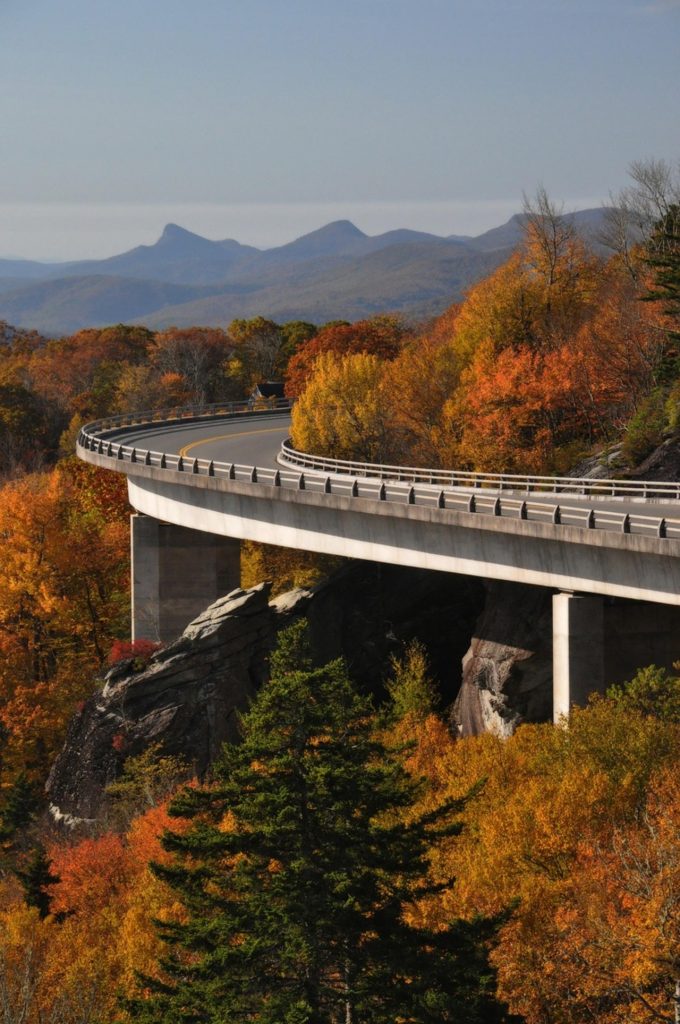
The scale of the investment reflects how much infrastructure was being addressed across the Parkway. The completed project represents more than $100 million in rehabilitation work, with funding provided through the Great American Outdoors Act’s Legacy Restoration Fund. Earlier NPS project information placed the paving and rehabilitation investment at $98 million, while subsequent project updates described the broader project as a $100 million-plus effort. The federal funding was intended in part to address long-deferred maintenance across national parks, including aging roads and related infrastructure.
Drainage and Roadside Features Got Attention
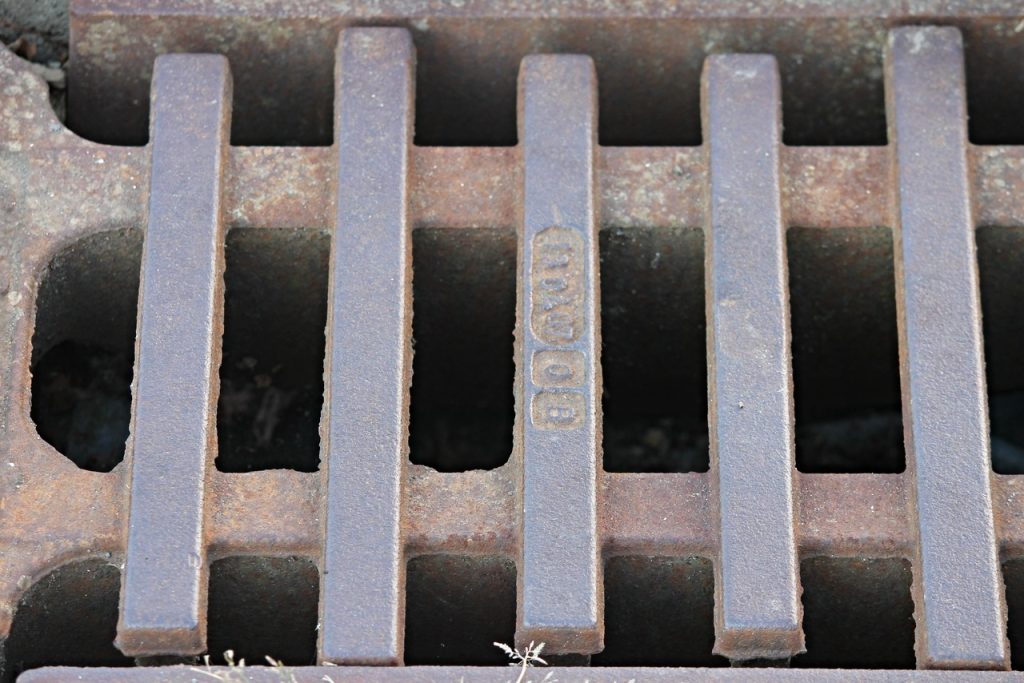
A smoother road surface was only one part of the construction. Crews also repaired and improved drainage structures, curbs, walks, shoulders and guardrails throughout the project area. These features matter because the Parkway travels through mountainous terrain where water movement, slopes and weather can put significant pressure on transportation infrastructure. The project also included rehabilitation work around overlooks and associated areas, helping address maintenance needs beyond the pavement itself. Federal project documentation specifically identifies shoulder stabilization, drainage work, curb repairs and guardrail repairs among the improvements.
Overlooks, Guardrails and Signs Were Improved
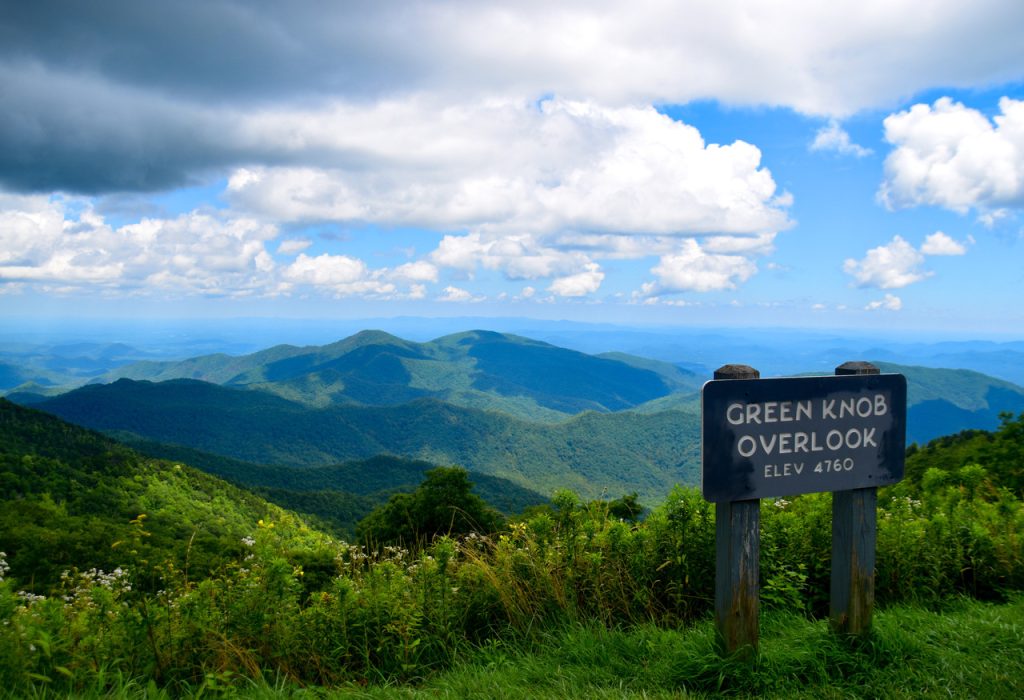
The rehabilitation also reached the places where visitors stop and take in the Parkway’s scenery. Overlooks and signage were included alongside guardrails and other roadside infrastructure in the project scope. That matters on a road designed around scenic driving and frequent stops, where parking areas, pedestrian features and protective barriers are part of the visitor experience. Federal project plans also included work involving overlook parking areas, sidewalks, stone guard walls and pavement markings, showing that the rehabilitation went beyond simply laying down new asphalt.
The Timing Matters Before Fall Arrives
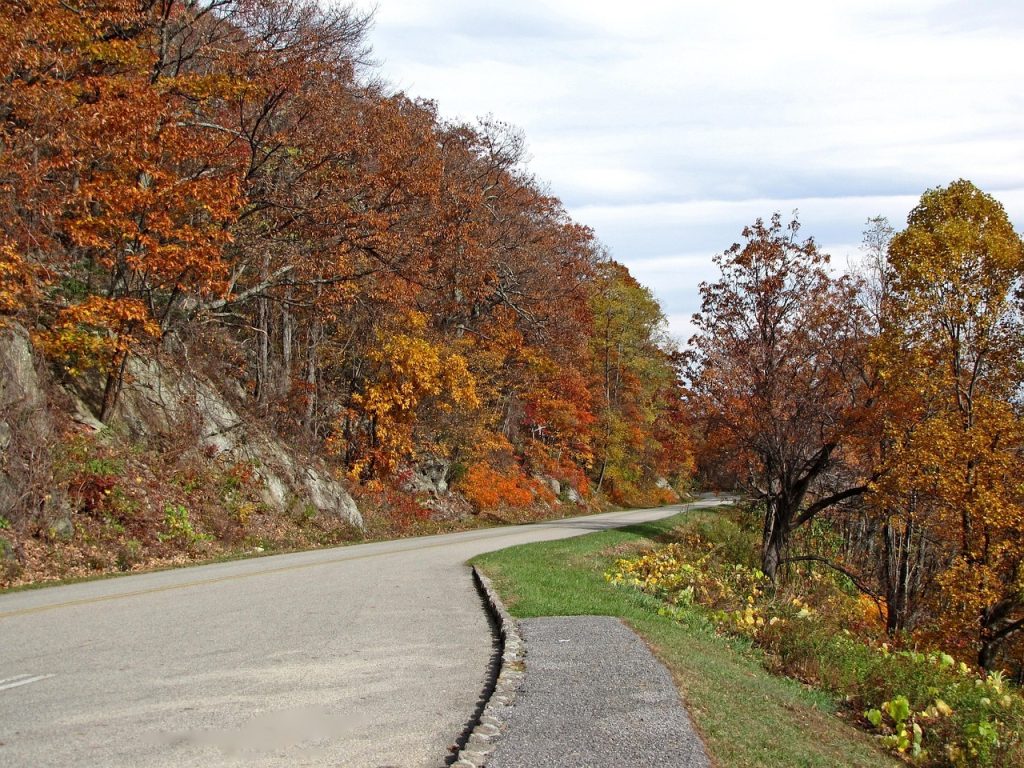
The timing of the completion is particularly significant for visitors planning a fall trip. The National Park Service announced that the 75-mile rehabilitation was finished ahead of the busy fall season, when the Parkway becomes an important destination for visitors traveling through the Blue Ridge Mountains. The completed work is expected to provide safer, more reliable access while reducing some of the long-standing maintenance burden along the corridor. The Parkway remains subject to other construction and recovery projects outside this completed 75-mile project, so visitors should still check current road conditions before traveling.