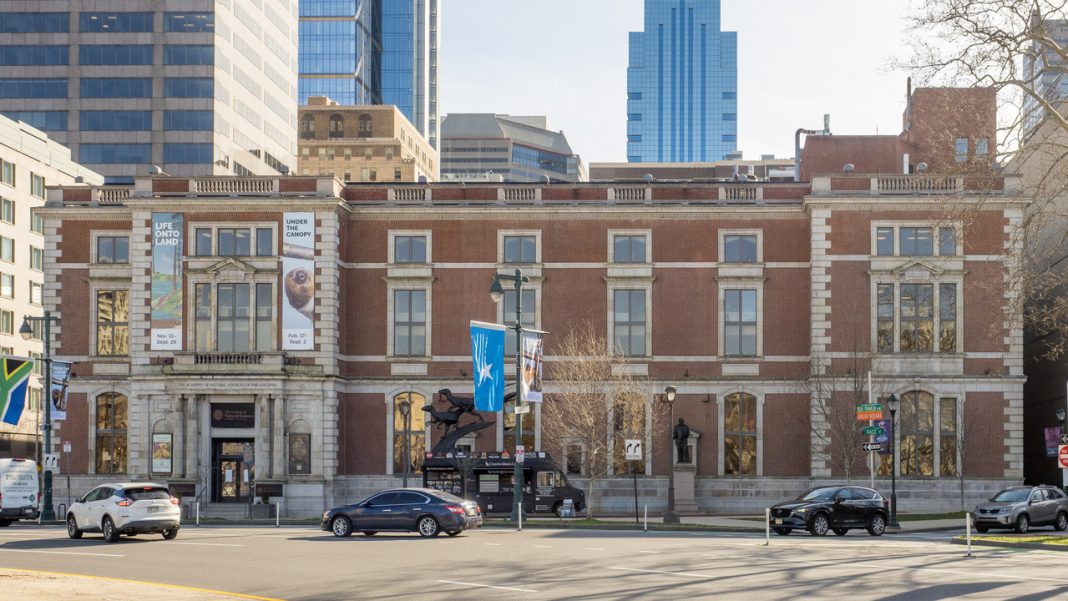

A major chapter in American natural history has come to an end. Philadelphia’s Academy of Natural Sciences, the nation’s oldest natural history museum, has closed its public galleries just months before its 200th anniversary. Yet the museum leaves behind far more than memories of dinosaur skeletons and family visits. Its collections contain more than 19 million specimens, including rare fossils, historic plant samples, holotypes and objects connected to figures such as Thomas Jefferson and the Lewis and Clark expedition. The closure changes how the public encounters these treasures, but the scientific legacy preserved within them remains.
More Than 19 Million Specimens Still Carry the Academy’s Scientific Legacy
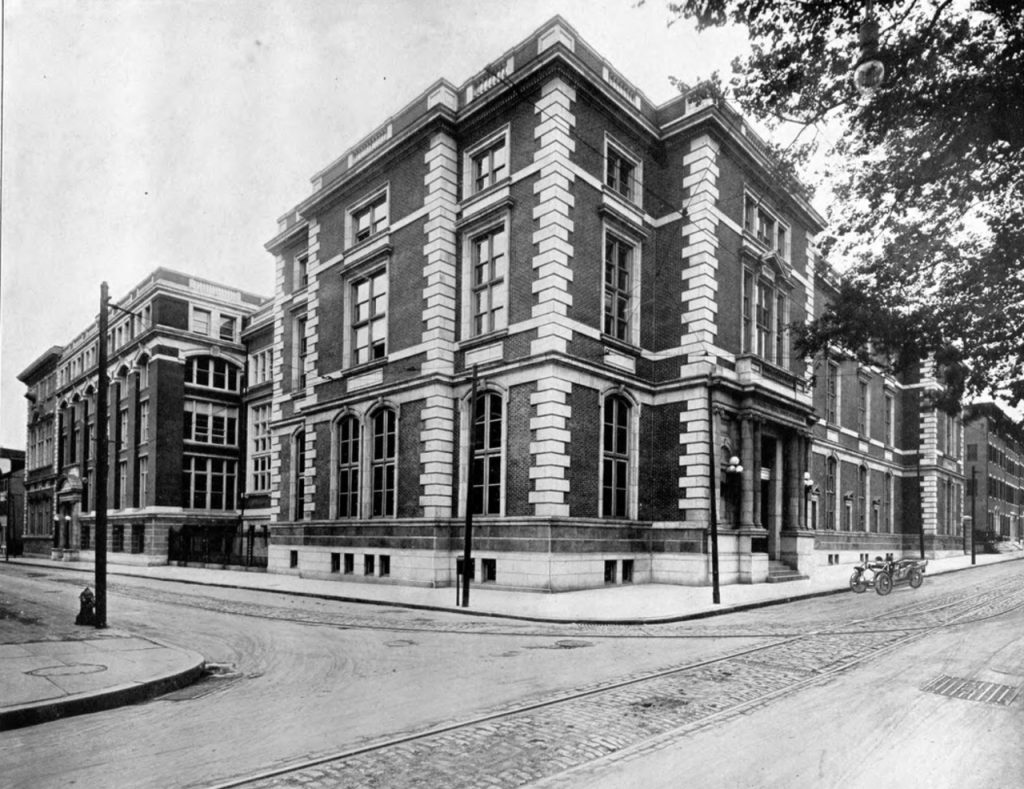
The museum may have closed its public galleries, but the Academy’s most important scientific resource has not disappeared. Its collections contain more than 19 million specimens, including birds, fish, mollusks, minerals and bones gathered over more than two centuries. Researchers use these preserved materials as records of the natural world at particular moments in history. That makes the collection especially valuable for studying how species, ecosystems and environmental conditions have changed over time. Academy leadership has said the collections, library and archives will remain available for research and education, even though public access is changing.
Thomas Jefferson’s Fossils Preserve a Piece of Early American Science
Some of the Academy’s specimens carry a second kind of importance because of the people connected to them. The collection includes Thomas Jefferson’s fossil collection, linking the institution’s scientific holdings to one of the most prominent early American figures interested in natural history. Jefferson’s interest in fossils and the natural world reflected the scientific curiosity of his era, but the specimens are valuable today for more than their historical association. They form part of a much larger research collection that scientists can use to investigate Earth’s biological and geological history. Their continued preservation ensures that this connection between early American science and modern research is not lost.
Lewis and Clark’s Plant Samples Offer a Window Into the Past
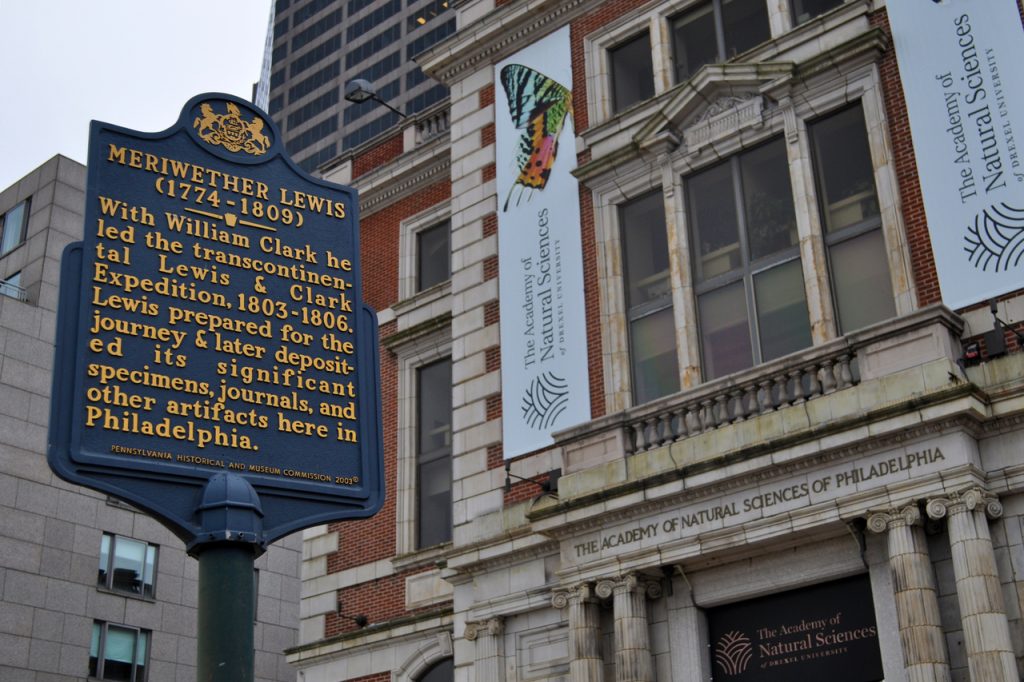
Few scientific collections can connect directly to a landmark American expedition, but the Academy’s holdings include plant samples gathered by Lewis and Clark. These specimens are part of the institution’s historical and scientific record, preserving biological material collected during a period when large parts of the continent were still being documented by American scientists and explorers. Their value goes beyond the names attached to them. Preserved specimens can act as snapshots of biodiversity at particular points in time, allowing researchers to compare historical material with modern observations and better understand how species and environments have changed.
The 73,000 Holotypes Are Especially Important to Scientists
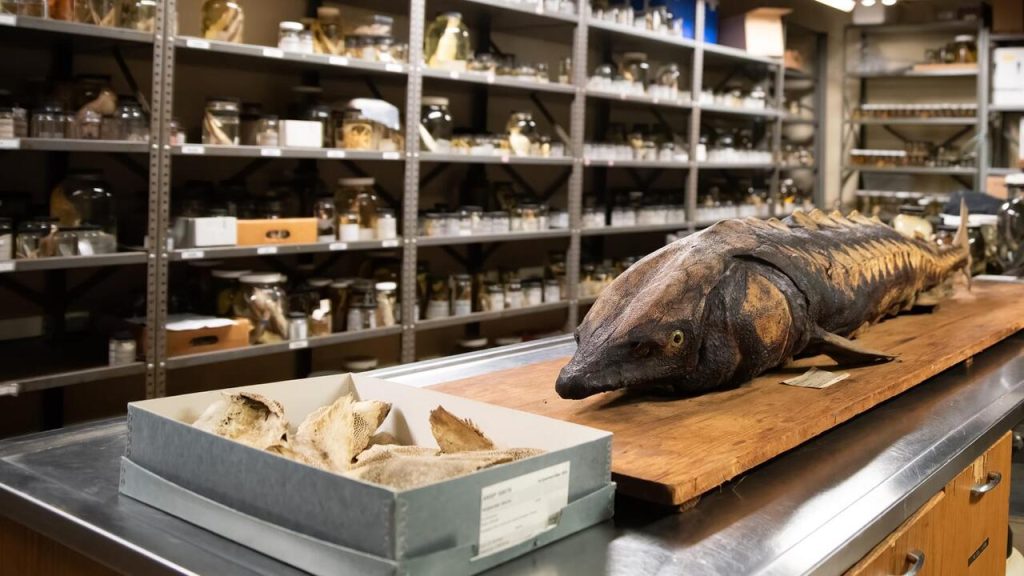
The Academy’s 73,000 holotype specimens represent some of the most scientifically significant material in its holdings. A holotype is a particular preserved specimen used as the reference for formally describing and naming a species. When scientists revisit how a species was classified, these reference specimens can provide a physical standard against which other specimens are compared. That gives the Academy’s holotype archive importance far beyond a conventional museum display. These objects are part of the institution’s continuing research mission, and Academy leadership has stated that its scientific collections will remain available for research and education after the museum closure.
The Dinosaur Skeletons Remain Part of a Remarkable Public History
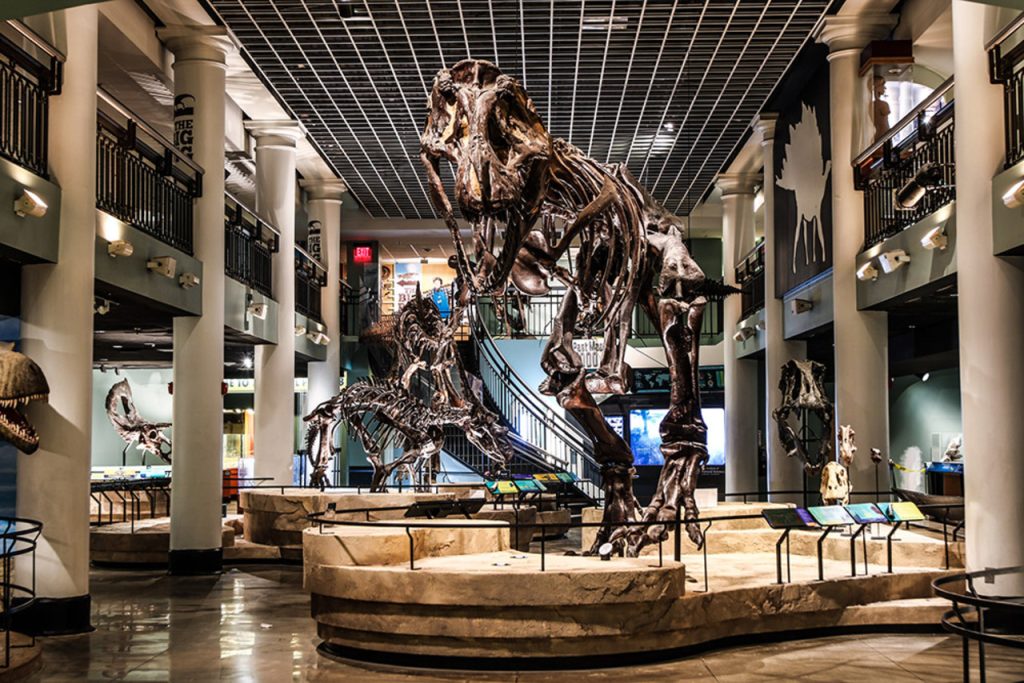
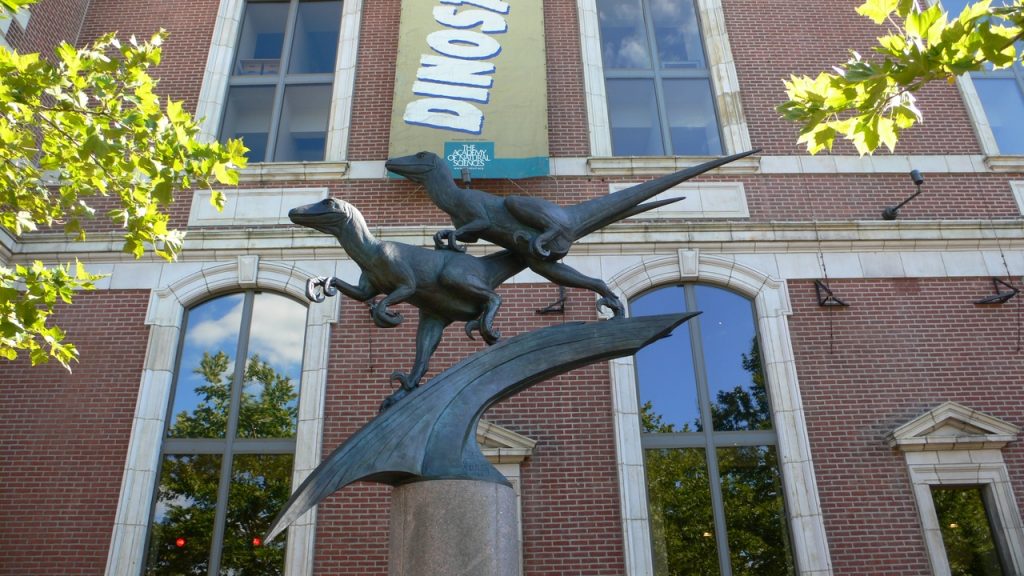
For generations of visitors, the Academy was probably best remembered through the enormous animals and dramatic displays inside its galleries. The institution became the first place in the world to display a dinosaur skeleton in 1868, and those fossils became a defining part of the museum experience. Visitors also encountered mammal dioramas, live animals, rotating exhibits and educational displays featuring specimens such as salamander and beaver skulls. The public museum has now closed, but the Academy says fossils and other original scientific materials will continue to be carefully preserved as part of its collections while future plans for exhibits and public engagement are considered.