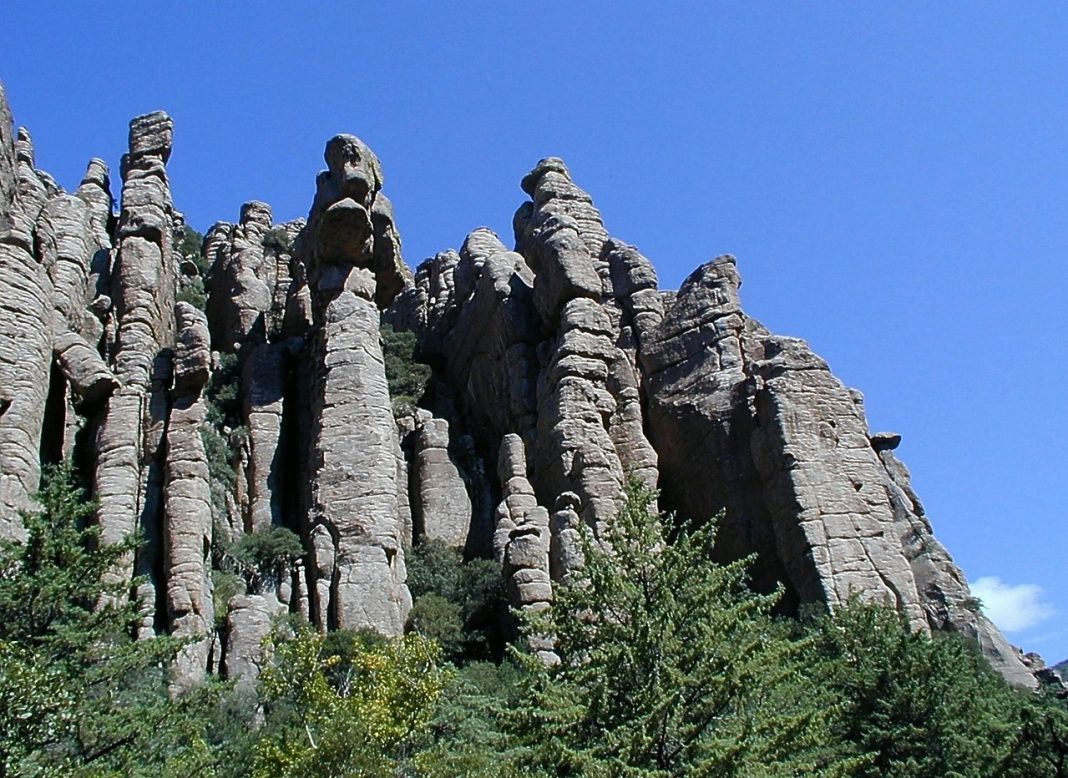

Arizona’s Chiricahua National Monument is famous for its towering rock spires, dramatic volcanic formations, and rich cultural history. Now, a bipartisan push in Congress could bring this remarkable landscape closer to becoming America’s next national park. From its ancient geological wonders and deep Apache connections to its potential to attract more visitors to southeastern Arizona, here are seven reasons Chiricahua could earn a place among the country’s most treasured natural landmarks.
Chiricahua’s Towering Rock Spires Offer a Landscape Unlike Any Other
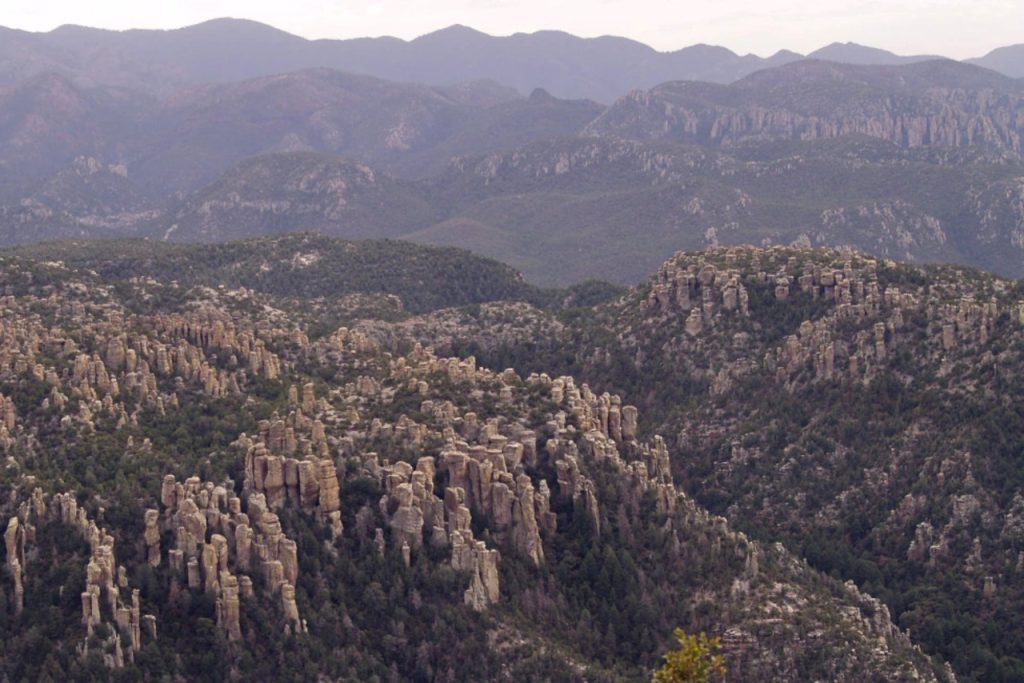
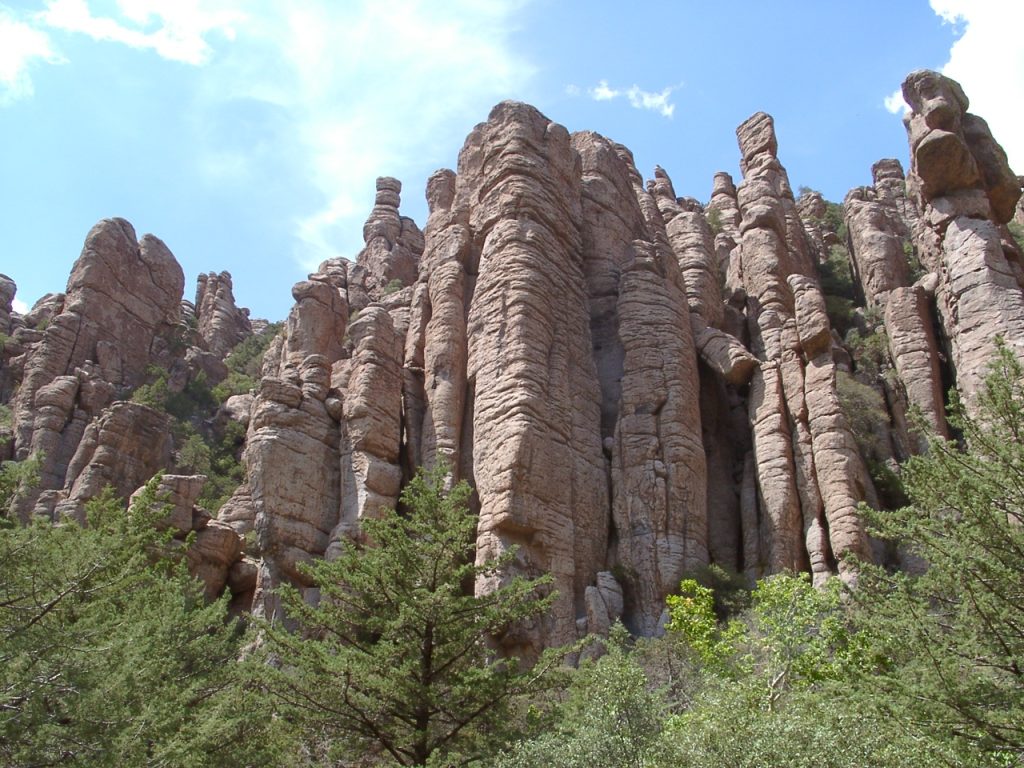
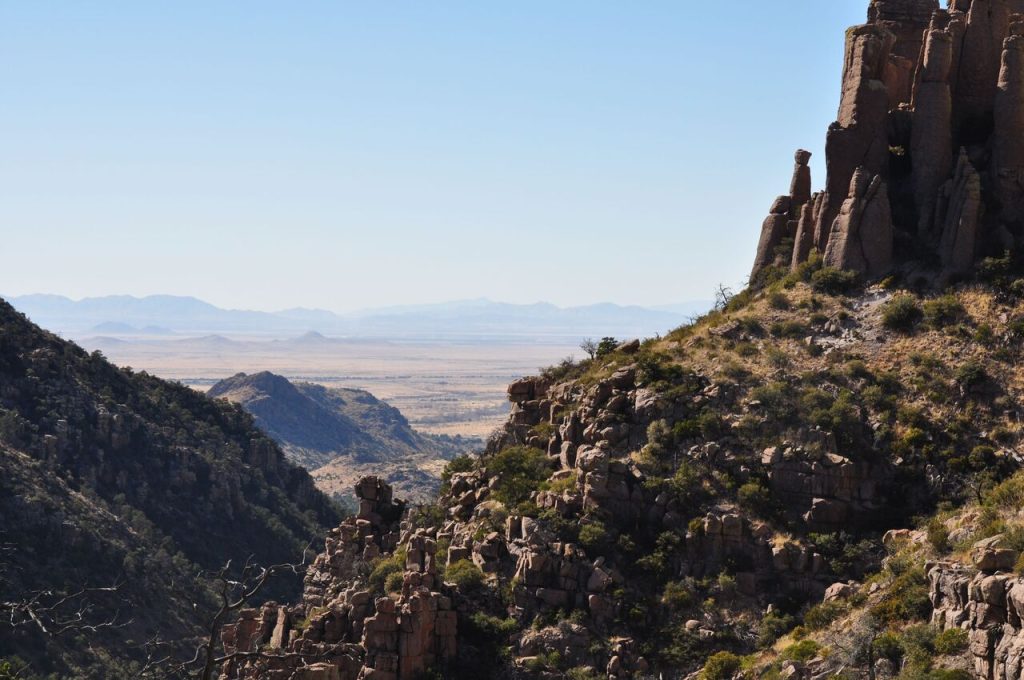
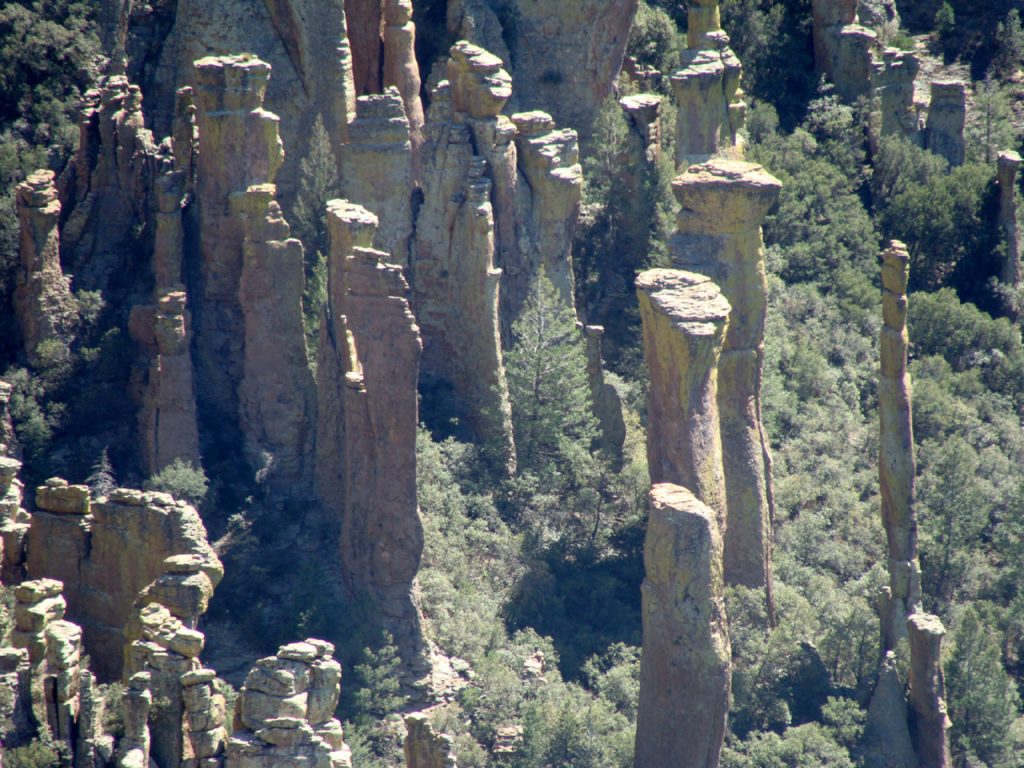
Arizona has no shortage of dramatic scenery, but Chiricahua stands apart with its extraordinary collection of towering rock spires, balanced boulders, and narrow stone pinnacles. Located in southeastern Arizona, this 19-square-mile landscape was shaped by an ancient volcanic eruption that left behind layers of rock that gradually weathered into unusual formations. Early settlers called the area the Wonderland of Rocks, a fitting name for a place where stone towers seem to rise from the ground in every direction. The landscape’s distinctive geology was the reason President Calvin Coolidge designated Chiricahua a national monument in 1924. Its potential elevation to national park status would give this remarkable natural landmark greater national recognition while continuing its role as a protected landscape.
Bipartisan Support Has Brought the Proposal Closer to Reality
Turning Chiricahua into a national park is no longer simply an idea championed by local conservation supporters. The proposal has gained bipartisan backing in Congress, bringing the area closer to joining the country’s national park system. Republican Representative Juan Ciscomani of Arizona sponsored legislation to redesignate the monument, while lawmakers from both parties supported the measure. The House approved the legislation in March 2026, and the Senate passed it by unanimous consent on September 30. The proposed designation would make Chiricahua the 64th national park in the United States and Arizona’s fourth, joining Grand Canyon, Petrified Forest, and Saguaro national parks. However, congressional approval alone does not complete the process. The legislation still requires presidential approval to become law, making the final step essential to Chiricahua’s anticipated new status.
Apache Cultural Heritage Remains Central to the Park’s Future

Chiricahua’s importance extends far beyond its unusual rock formations. The area lies within the ancestral lands of the Chiricahua Apache tribes, whose history in the region stretches back centuries. Apache communities have deep cultural and spiritual connections to the landscape, making continued access to traditional sites a significant consideration in the proposed national park designation. The legislation specifically directs the National Park Service to protect traditional cultural and religious sites, consult with tribes, and provide access for customary activities. It also allows temporary closures of specific areas when requested by a tribe to protect traditional ceremonies and cultural practices. These provisions matter because increased tourism can create challenges for communities seeking quiet, uninterrupted access to sacred places. The San Carlos Apache Tribe did not formally endorse the designation, but its leaders emphasized the importance of preserving uninterrupted cultural access. Protecting these traditions will remain an important responsibility if Chiricahua receives national park status.
The Landscape Preserves a Long Record of Human History
Chiricahua tells a story that reaches back thousands of years, making it significant for reasons that go well beyond its natural beauty. Evidence of human activity in the area reflects the presence of prehistoric inhabitants and the many communities that later lived, traveled, or served in the region. Its history also includes the Buffalo Soldiers, Black U.S. Army troops who served in the American West after the Civil War. Soldiers were stationed at the monument site during the period of military campaigns against Apache leaders, including Geronimo and Cochise. These events form part of a complicated history involving Indigenous communities, settlers, and the U.S. government. Recognizing Chiricahua as a national park could help bring greater public attention to these stories while maintaining the site’s natural features. Its historical significance adds another layer of value to the landscape, offering visitors an opportunity to understand the people and events that shaped southeastern Arizona.
National Park Status Could Put Southeastern Arizona on More Travelers’ Maps
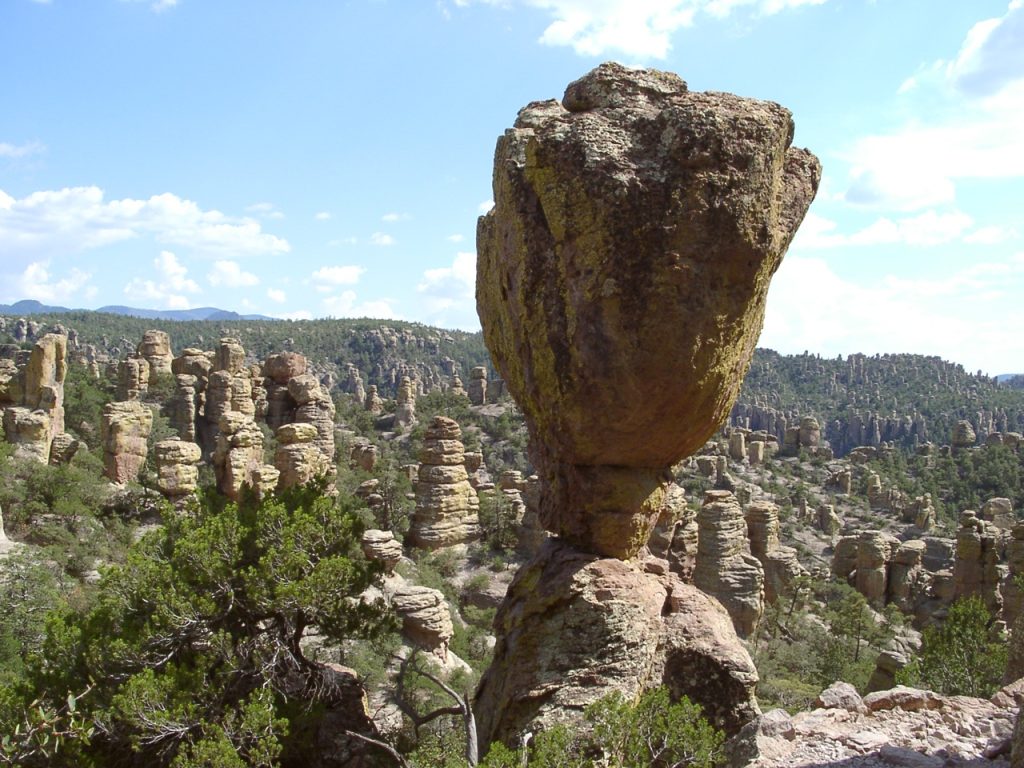
For a relatively quiet corner of Arizona, Chiricahua has considerable potential to attract more visitors if its designation changes. The monument currently receives roughly 60,000 visitors annually, a modest figure compared with many of America’s better-known national parks. Supporters believe the national park title could introduce the area to travelers who might otherwise overlook it when planning trips to Arizona. Its striking scenery, hiking trails, campground, and visitor center already provide a foundation for outdoor recreation. Greater recognition could encourage travelers to spend more time exploring southeastern Arizona rather than concentrating their visits on more established destinations. Still, increased visitation is not guaranteed, and the National Park Service has not announced specific plans for additional staffing or new facilities tied to the proposed redesignation. Any long-term success will depend on balancing public interest with the practical needs of protecting the landscape and maintaining visitor services.
Nearby Communities Could Benefit From Increased Tourism
A new national park can bring economic opportunities to communities that serve travelers, and Chiricahua’s proposed redesignation has generated similar hopes in southeastern Arizona. Nearby Willcox, for example, could benefit if more visitors begin including the area in their travel plans. Tourists need places to stay, restaurants to visit, fuel for their vehicles, and shops where they can purchase supplies or local products. Even a moderate increase in overnight stays could help support small businesses and create additional demand for local services. Willcox Mayor Greg Hancock has pointed to the possibility of attracting more customers to hotels, restaurants, and other businesses. However, the economic benefits remain a possibility rather than a guarantee. The designation itself does not promise a large influx of federal funding or immediate infrastructure improvements. The Congressional Budget Office estimated that establishing the park would cost less than $500,000, but it did not specify how that amount would be spent. Sustained economic gains would depend on visitor demand, local planning, and the area’s ability to accommodate travelers responsibly.
Longstanding Conservation Efforts Give Chiricahua a Strong Foundation
Chiricahua already has a long history of federal protection, providing a solid foundation for its proposed transition to national park status. President Calvin Coolidge established the national monument in 1924 under the Antiquities Act to preserve its unusual geological formations, and President Franklin D. Roosevelt expanded the protected area in 1938. Today, the National Park Service manages the monument, which includes hiking trails, a campground, and a visitor center. Redesignating it as a national park would broaden its public profile, but the change would not transfer ownership of the land or automatically transform its management structure. The proposed legislation would retain federal oversight while establishing the new name and reinforcing protections for traditional cultural and religious sites. There are also practical challenges to consider, including staffing shortages and maintenance needs. National park status could help draw attention to Chiricahua’s value, but its long-term protection will still require effective management, adequate resources, and careful decisions about future visitation.