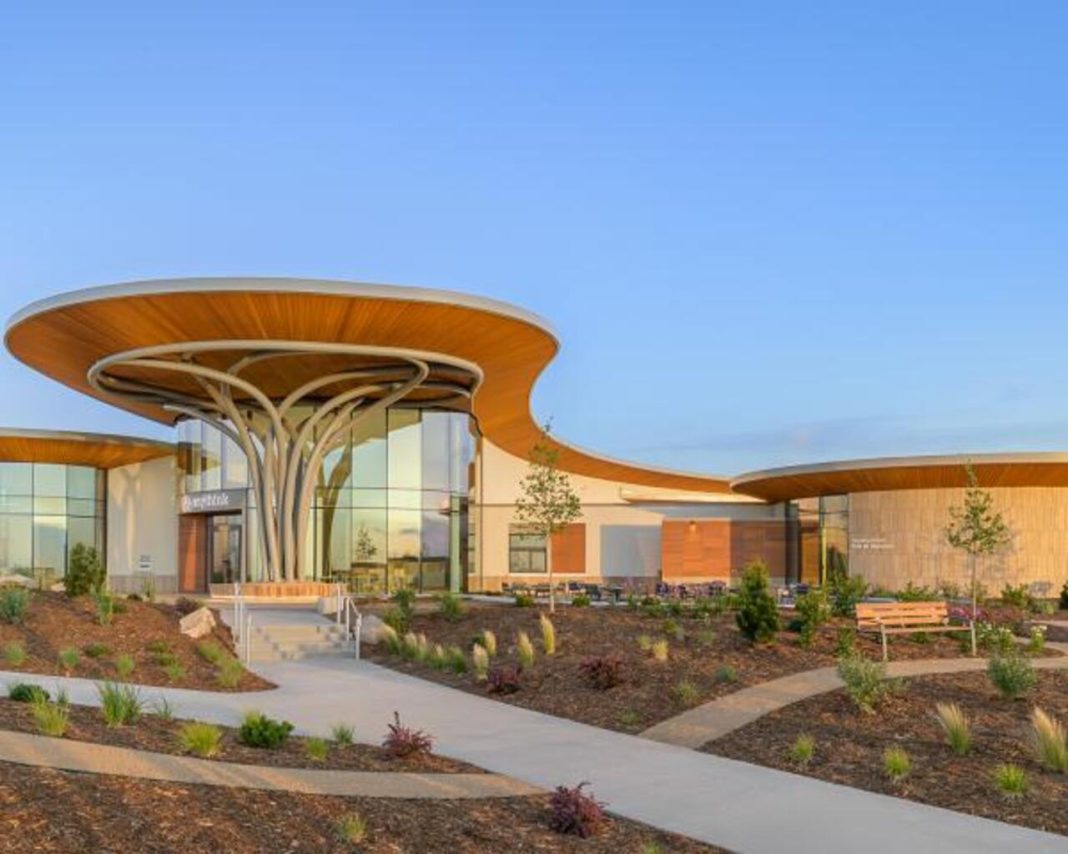

Colorado is making it easier for people to explore the outdoors without spending a fortune on equipment. Anythink Libraries’ Nature Library gives visitors access to an unusual collection of outdoor gear, educational tools, and nature-exploration resources they can borrow and try. From camping tents and bird-watching kits to wildlife cameras and weather-measuring devices, the collection encourages people of all ages to discover the natural world. Here are eight things visitors can borrow or explore through this unique library.
Camping Tents and Hammocks Make Outdoor Adventures More Accessible
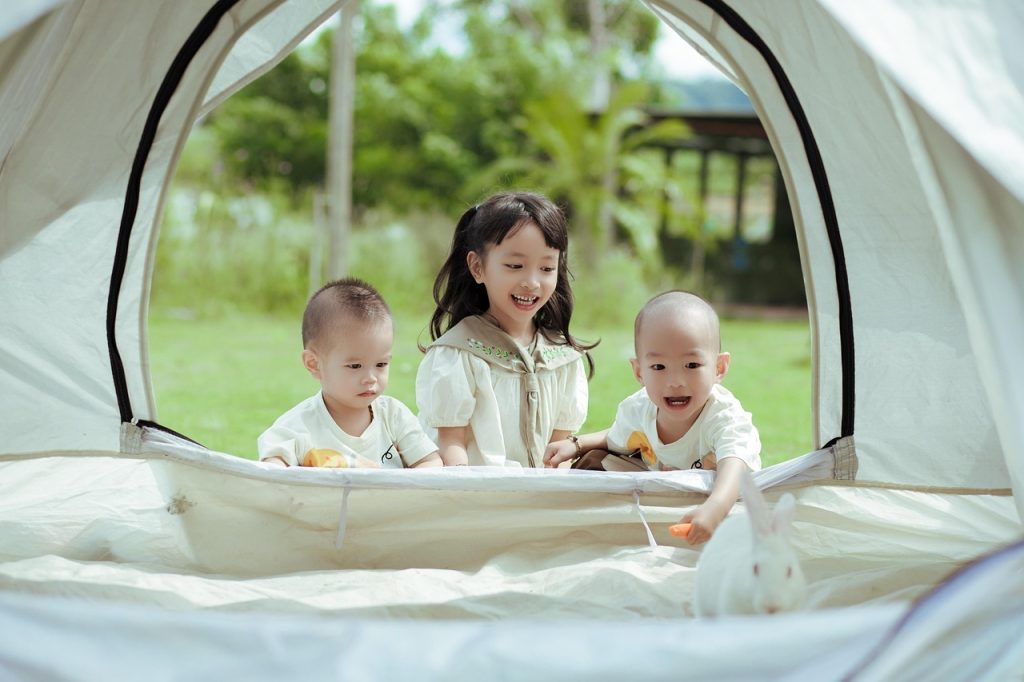
Trying camping for the first time can be expensive, especially when tents, sleeping equipment, and other essentials add up before a trip even begins. Colorado’s Anythink Nature Library offers visitors a way to explore the outdoors without committing to costly purchases. Members can borrow camping equipment, including tents and hammocks, making it easier for families and beginners to test the experience before investing in their own gear. Hammocks also offer a simple way to relax outdoors and enjoy time surrounded by trees and fresh air. The idea is to remove some of the financial barriers that prevent people from spending time in nature. For families who are unsure whether camping will suit them, borrowing equipment provides a practical starting point. It also encourages people to discover nearby parks, trails, and open spaces rather than assuming that outdoor adventures require expensive equipment or elaborate plans.
Bird-Watching Equipment Helps Visitors Discover Local Wildlife
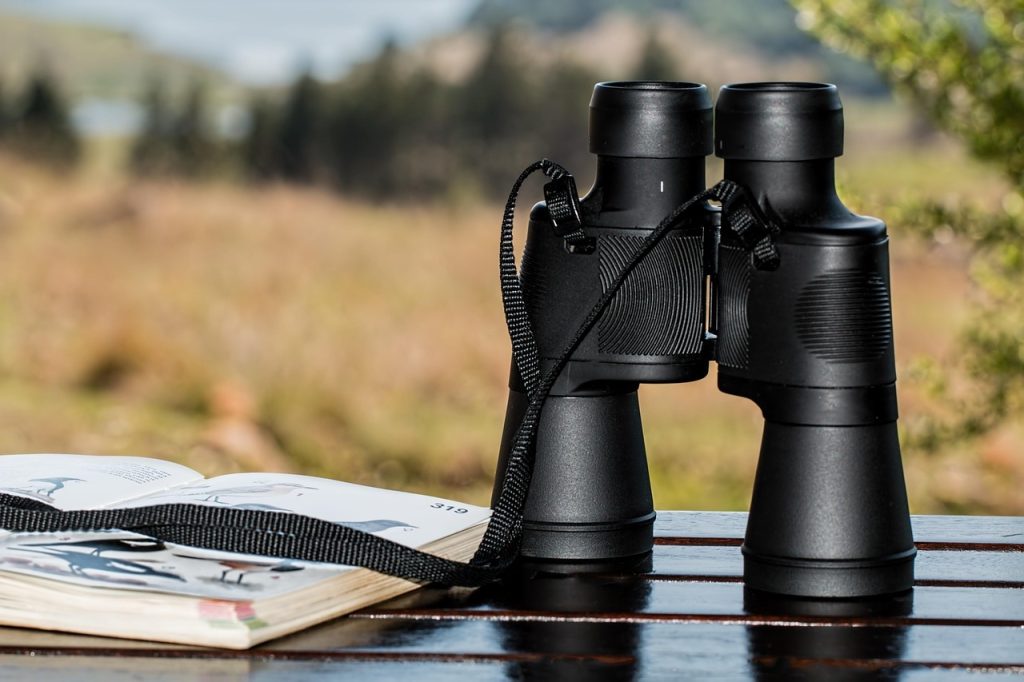
Colorado’s birds can be fascinating to observe, but identifying them becomes much easier with the right tools and a little guidance. The Nature Library offers bird-watching kits and identification guides that help visitors recognize different species and learn more about their behavior. Borrowers can take these resources to local lakes, gardens, parks, and trails, where they can observe birds in their natural habitats. Identification books can explain distinguishing features such as plumage, beak shape, size, and calls, helping beginners learn at their own pace. The equipment can also make bird-watching a rewarding family activity, encouraging children to pay attention to wildlife they might otherwise overlook. Visitors can begin in their own backyards rather than traveling far from home. With practice, they may start recognizing familiar species and understanding how birds fit into local ecosystems. The library also provides educational opportunities that can help newcomers build confidence before exploring Colorado’s more remote natural areas.
Stargazing Kits Encourage Visitors to Explore the Night Sky

When city lights fade and the sky becomes darker, an entirely different world opens above the landscape. The Nature Library offers access to outdoor exploration equipment, including stargazing resources that can help visitors begin learning about the night sky. Such kits can make it easier for families and beginners to plan an evening of observing stars and other celestial sights without purchasing equipment they may use only occasionally. The Guardian’s report describes one family hoping to borrow a stargazing kit for a future trip into the mountains. For children, an evening spent identifying stars can turn astronomy into a hands-on experience rather than something learned only from books. Visitors should check the specific contents and availability of a kit before planning their outing, since equipment varies. Clear skies, low light pollution, and suitable weather also influence what can be seen. With some preparation, stargazing can become an accessible way to connect outdoor recreation with science and discovery.
Gardening Tools and Pollinator-Garden Planning Kits Support Greener Spaces
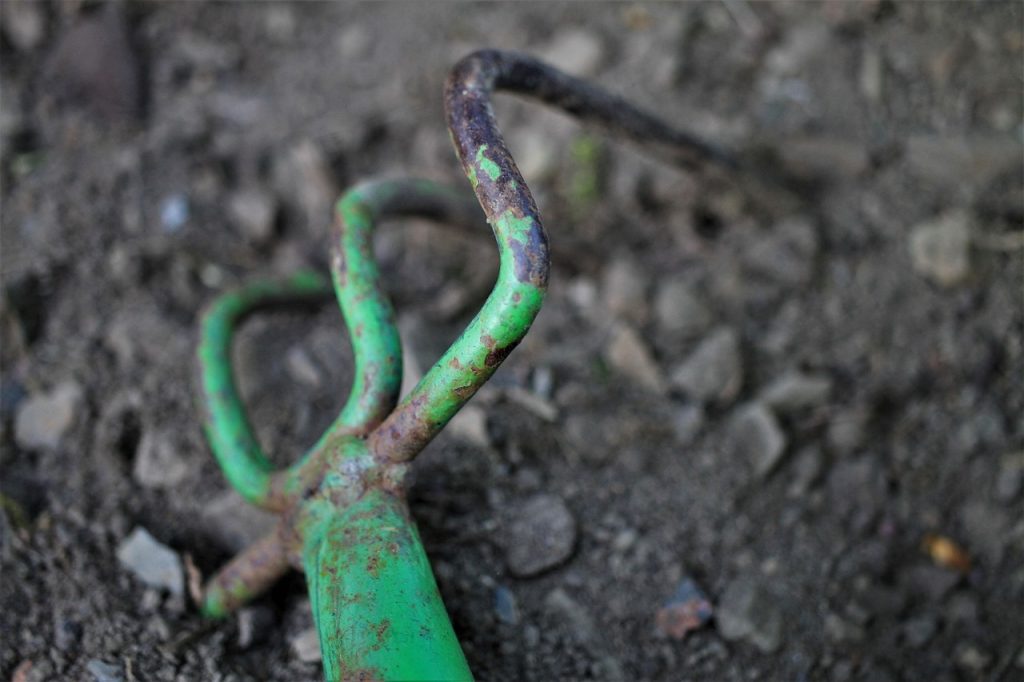
A garden can become a small but valuable refuge for bees, butterflies, and other pollinators, even when space is limited. The Nature Library offers gardening equipment and pollinator-garden planning resources that help people learn how to create more wildlife-friendly outdoor areas. These kits can be particularly useful for residents who want to replace parts of a traditional lawn with plants that provide food and habitat for local pollinators. Planning resources can help gardeners consider which plants suit their climate, how much sunlight a space receives, and what growing conditions different species require. In Colorado, where water conservation is an important consideration, selecting suitable plants and using water carefully can also make a difference. Borrowing tools allows people to experiment with gardening without immediately purchasing everything they need. Families can use the experience to learn about plant growth, insects, and the relationships between flowers and wildlife. The goal is to make practical environmental learning easier to bring into everyday life.
Wildlife Cameras and Macro Photography Equipment Reveal Nature’s Details
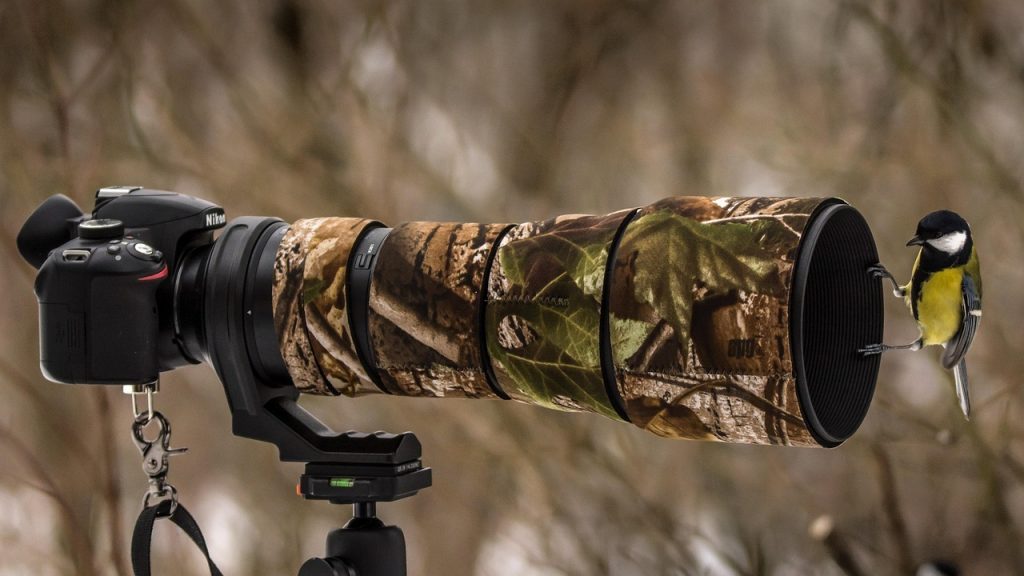
A flower may look ordinary until a close-up photograph reveals its delicate structure, or a small insect becomes the subject of an entire afternoon’s exploration. The Nature Library makes wildlife cameras and photography equipment available for borrowers interested in observing nature more closely. The Guardian describes a visitor who borrowed an outdoor camera with a macro lens, allowing her young son to photograph bumblebees and flowers. Macro photography captures small subjects in detail, making it useful for examining petals, insect bodies, and other features that are difficult to see clearly with the naked eye. Wildlife cameras can also help users document animals and their activity without needing to approach them closely. These tools can turn a walk through a garden or along a trail into a hands-on learning experience. They are particularly useful for children who enjoy recording what they discover. Borrowing equipment also gives aspiring photographers an opportunity to try unfamiliar technology before deciding whether to purchase their own camera or accessories.
Hiking Gear and GPS Navigators Help Visitors Explore New Trails
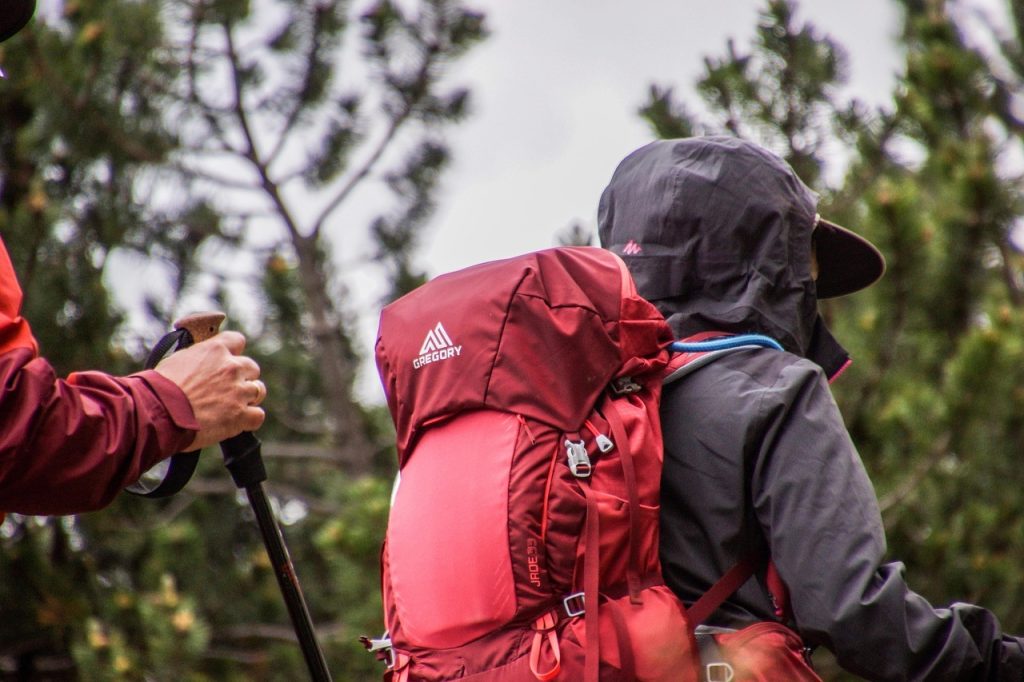
Venturing onto an unfamiliar trail can feel much less intimidating when hikers have suitable equipment and a reliable way to navigate. The Nature Library provides access to hiking gear and GPS navigation devices, helping visitors prepare for outdoor trips without buying every item themselves. A GPS navigator can help users follow a route, identify their position, and plan an outing, although it should not replace basic safety preparation or awareness of changing conditions. The Guardian recounts a family using a borrowed GPS device to plan an adventure near Santa Fe Peak in Colorado, with a child taking an active role in guiding the trip. The library’s wider collection also includes seasonal equipment such as snowshoes and microspikes, which can be useful for certain winter conditions. Borrowing makes it possible to test different kinds of gear before committing to a purchase. Hikers should still check trail conditions, weather forecasts, daylight hours, and local guidance before setting out, particularly in mountainous areas where conditions can change quickly.
Microscopes and Nature-Exploration Equipment Bring Science Outdoors
The natural world is full of details that are easy to miss when everything is viewed from a distance. Microscopes and other nature-exploration tools at the Nature Library help visitors investigate those smaller details and connect outdoor experiences with scientific learning. A microscope can reveal structures in plant material, soil, and other suitable specimens that are difficult to examine with the naked eye. Paired with books or guidance from library staff, these tools can help children and adults ask questions about how living things grow, interact, and survive. Visitors can build on what they discover in the library by observing plants, insects, and other features in nearby gardens or natural areas. The collection also supports curiosity about subjects such as local wildlife, habitats, and environmental change. Because specialized equipment can be expensive, borrowing provides an opportunity to try it before deciding whether to buy one. The experience makes science more approachable by allowing visitors to explore questions through observation rather than relying only on written explanations.
Wildfire Detection Tools and Weather-Measuring Devices Explain Environmental Risks
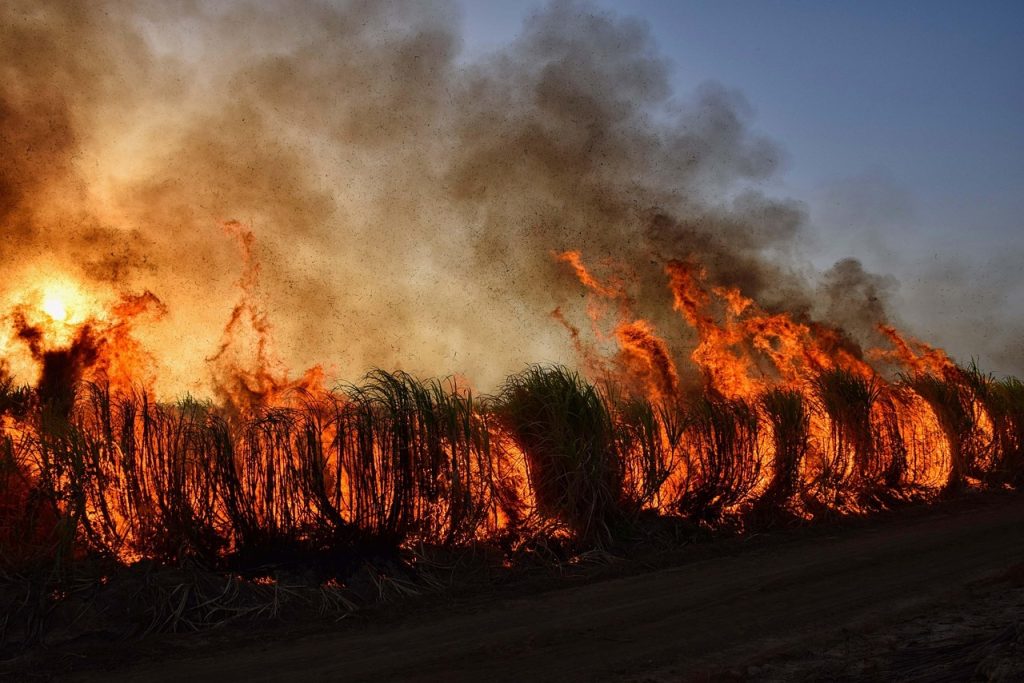
Understanding the weather can reveal more than whether it is a good day for a hike. Temperature, humidity, wind speed, and wind direction can all influence environmental conditions, including the potential for wildfires. The Nature Library offers weather-exploration equipment and conservation resources that help visitors learn how these factors work together. The Guardian describes a borrower who checked out a fire sensor, initially expecting it to detect flames. The device instead measured humidity, temperature, and wind conditions, helping users understand factors associated with wildfire risk. These tools can introduce children and adults to environmental monitoring while encouraging them to ask questions about changing weather and local landscapes. They are educational resources, not substitutes for official wildfire alerts or emergency guidance. Visitors should rely on local authorities for current fire restrictions and safety information. By making scientific equipment available to the public, the library helps people explore environmental issues firsthand and better understand the conditions that shape Colorado’s outdoor spaces.