
SpaceX is preparing for a major expansion that could change how Americans connect to their mobile networks. The company plans to combine Starlink’s satellite technology with newly acquired wireless spectrum and ground-based infrastructure to build a more comprehensive mobile service. With plans for thousands of next-generation satellites and improved connectivity in areas where cellular signals struggle, SpaceX is setting its sights on a market dominated by AT&T, Verizon, and T-Mobile. Here are six important details about its ambitious push to become a major U.S. mobile carrier.
SpaceX Is Acquiring Low-Band Spectrum to Expand Starlink Mobile
SpaceX is making a major move beyond satellite internet by working to establish Starlink Mobile as a significant player in the U.S. wireless market. In October 2026, the company announced an agreement to acquire a nationwide portfolio of low-band spectrum licenses covering up to 14 MHz of paired spectrum in the 800 MHz band. Spectrum refers to the radio frequencies used to transmit wireless signals between devices and network equipment. Securing access to these frequencies could help SpaceX overcome an important technical limitation as it expands its mobile service. The acquisition is not yet complete and remains subject to final approval from the Federal Communications Commission (FCC). If approved, the licenses would complement the spectrum SpaceX has already acquired for its satellite-to-phone ambitions. The move signals a broader strategy to compete with established wireless providers rather than relying exclusively on partnerships to connect smartphones through satellites.
The New Network Will Combine Satellites With Ground-Based Infrastructure
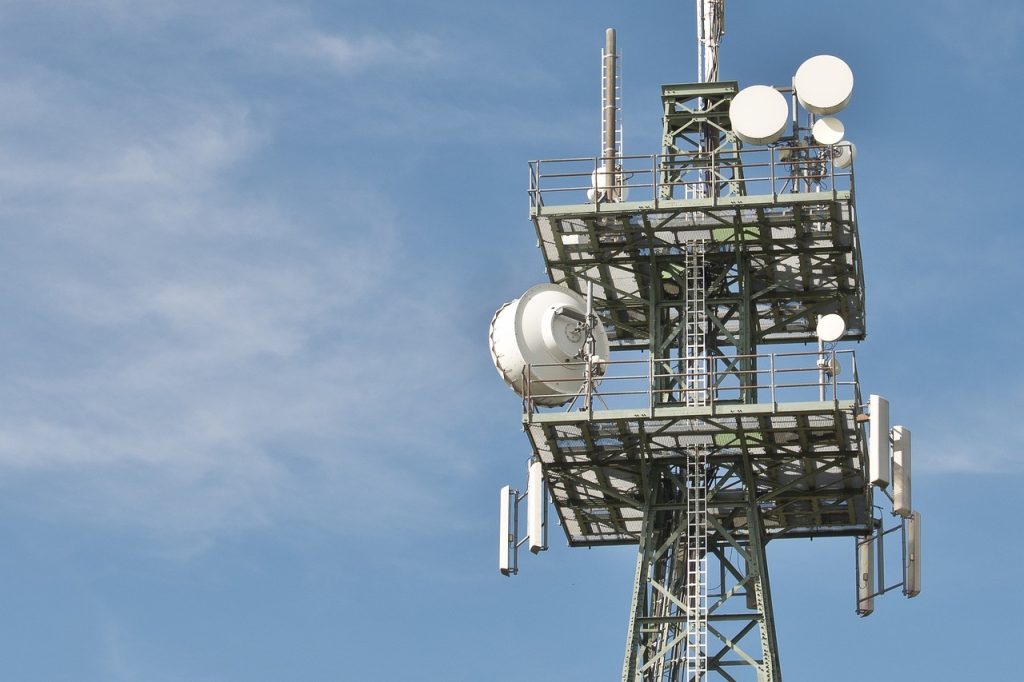
Connecting a smartphone from space is useful, but building a competitive mobile network requires more than satellites alone. SpaceX plans to combine Starlink’s satellite-to-mobile constellation with a terrestrial network, meaning wireless equipment installed on the ground. This approach could allow the company to use satellites to extend connectivity across remote areas while relying on ground-based infrastructure to strengthen coverage where needed. Traditional mobile carriers use towers, antennas, and other equipment to deliver signals to phones, particularly in populated areas. SpaceX’s planned system would bring these two approaches together in a unified network. Its existing 2 GHz spectrum is intended to provide high-bandwidth capacity, while the newly announced 800 MHz spectrum would help improve signal coverage through obstacles such as walls. The company says this combination could help customers stay connected indoors, outdoors, and in places where conventional cellular coverage is weak. However, the terrestrial network still needs to be developed, and the spectrum acquisition must receive final regulatory approval before SpaceX can fully implement its plans.
The 800 MHz Spectrum Could Improve Coverage Inside Buildings

One of the biggest challenges for satellite-based phone service is maintaining a reliable connection when buildings, roofs, and other obstacles block signals. SpaceX says its planned acquisition of up to 14 MHz of paired spectrum in the 800 MHz band could help address this problem. Lower-frequency radio signals generally travel farther and penetrate many obstacles more effectively than higher-frequency signals, although actual performance depends on the environment, building materials, antenna design, and network configuration. This makes low-band spectrum particularly useful for extending coverage across wide areas and improving service indoors. SpaceX intends to combine the 800 MHz licenses with its existing 2 GHz spectrum, which is designed to provide greater bandwidth capacity. Most existing mobile devices already support the 800 MHz band, according to the company, potentially reducing the need for customers to purchase specialized phones solely to access those frequencies. Still, access to compatible spectrum does not automatically guarantee indoor coverage everywhere. The actual experience will depend on network deployment, available signal strength, device compatibility, and the service’s eventual operating arrangements.
The FCC Has Approved Plans for 15,000 Next-Generation Starlink Mobile Satellites
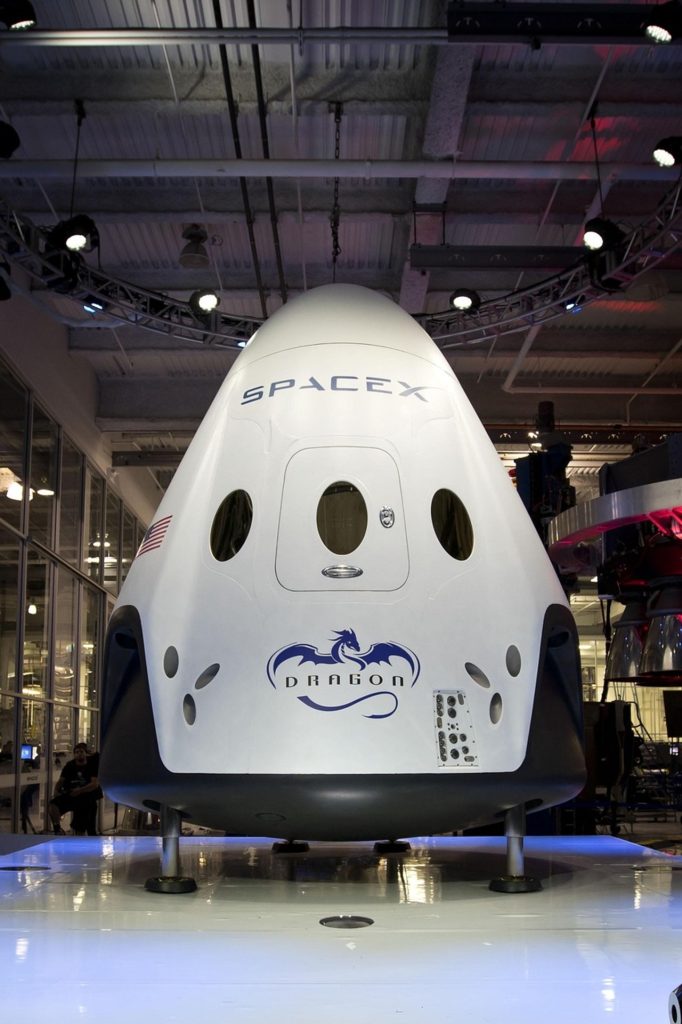
SpaceX’s ambitions depend partly on expanding the satellite infrastructure that supports its direct-to-device service. In October 2026, the FCC approved SpaceX’s application to deploy a next-generation Starlink Mobile constellation consisting of 15,000 satellites. These V2 satellites are intended to improve the company’s ability to deliver connectivity directly to compatible mobile devices. Unlike traditional satellite internet services that typically require dedicated user terminals, direct-to-device technology is designed to communicate with ordinary smartphones equipped to support the relevant service and frequencies. The expanded constellation could increase network capacity and help extend coverage across regions that lack reliable terrestrial infrastructure. The FCC’s authorization is an important regulatory milestone, but approval to deploy satellites does not mean all 15,000 are already in orbit or that the upgraded service is fully operational. SpaceX must still manufacture, launch, and integrate the satellites into its wider network. The company’s progress will therefore depend on deployment schedules, technical performance, and the development of the ground infrastructure needed to support the new system.
The Next-Generation Satellites Are Designed to Deliver More Than 100 Times the Current Bandwidth
Satellite connectivity has traditionally faced limitations in capacity, especially when many users try to connect through the same system. SpaceX says its V2 Starlink Mobile satellites will deliver more than 100 times the bandwidth of the current generation, a substantial improvement intended to support a more capable direct-to-device service. Bandwidth describes the capacity available to carry data across a network, so increasing it can help a system handle more traffic and potentially support faster connections. The new satellites are designed to use SpaceX’s 2 GHz spectrum and additional communications bands authorized for connecting with its existing ground gateway network. This combination could help the company move more data between smartphones, satellites, and terrestrial infrastructure. However, the 100-fold figure is a company-stated comparison of bandwidth, not a guarantee that every customer will experience internet speeds 100 times faster. Actual performance will depend on network congestion, spectrum availability, satellite deployment, device capabilities, and other technical factors. The improvement is nevertheless central to SpaceX’s plan to turn satellite-to-phone connectivity into a more comprehensive mobile service.
Starlink Mobile Is Positioning Itself to Compete With AT&T, Verizon, and T-Mobile
The American wireless market has long been dominated by established providers with extensive cellular networks, but SpaceX wants to challenge that landscape. By combining satellite connectivity with low-band spectrum and ground-based infrastructure, the company is positioning Starlink Mobile as a potential competitor to AT&T, Verizon, and T-Mobile. Its proposed approach could be particularly appealing to people who travel through rural areas, work in remote locations, or frequently encounter cellular dead zones. Satellite connectivity could help extend service beyond the reach of conventional towers, while terrestrial equipment could support coverage in populated areas and indoors. SpaceX already has experience providing satellite connectivity through its Starlink business and has worked with mobile carriers on direct-to-device services. Becoming a major mobile carrier, however, is a much bigger undertaking than supplying satellite connections alone. The company will need to complete its spectrum acquisition, deploy the planned infrastructure, establish service arrangements, and demonstrate that its offering can meet customers’ expectations for reliability and performance. Its announcement marks an ambitious competitive move, but the scale of its eventual impact will depend on how successfully it turns these plans into a functioning nationwide service.