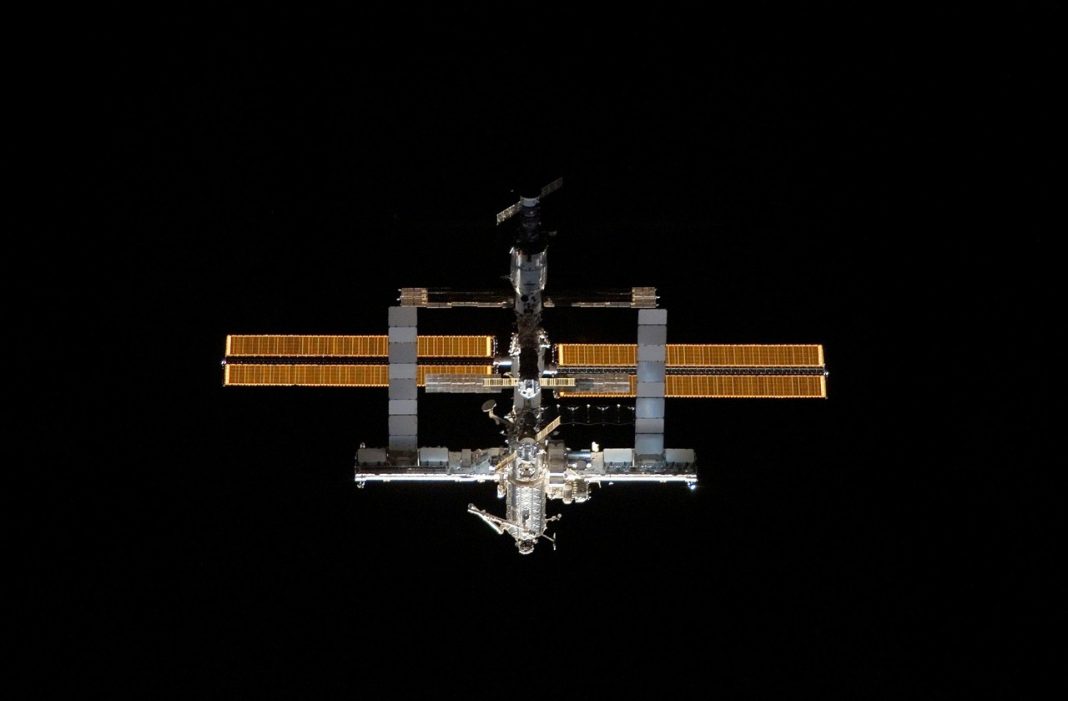

NASA is preparing for a major shift in how the United States operates in low Earth orbit, inviting private companies to develop the space stations that could succeed the International Space Station. With the ISS approaching its planned retirement around 2030, the agency wants commercial partners to build and operate new orbital facilities capable of supporting astronauts, scientific experiments, and future exploration technologies. The initiative could reshape America’s presence in space by giving private industry a larger role in maintaining access to orbit. From the companies competing for contracts to the research these stations could support, here are six important things to know about NASA’s plans.
NASA Is Moving Ahead With Plans for Commercial Space Stations
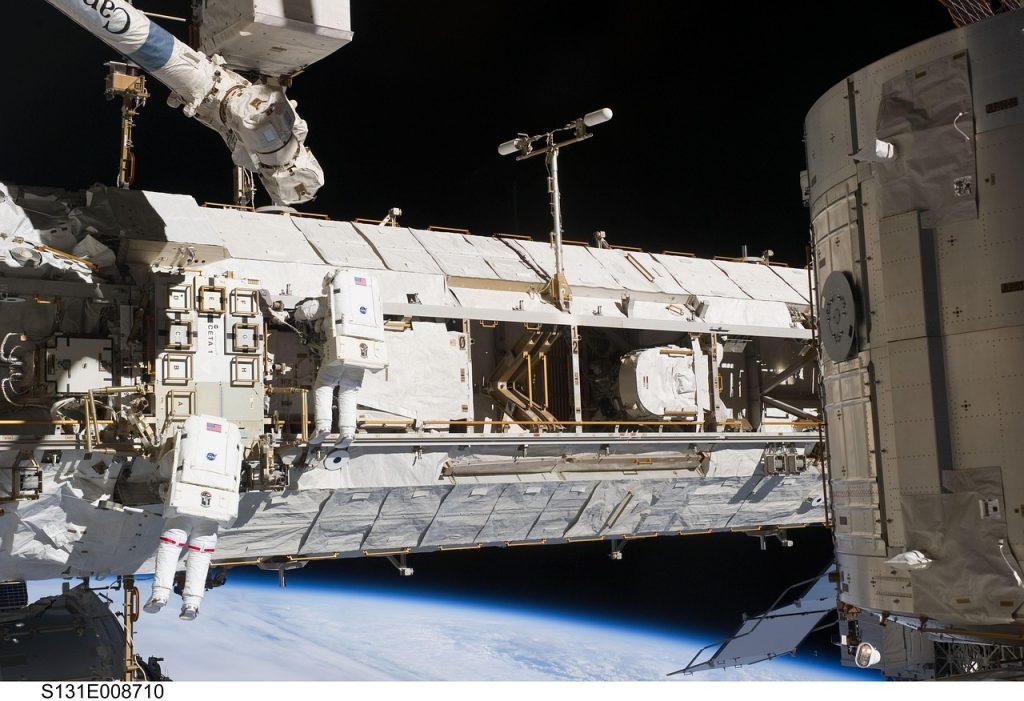
NASA has released its final request for proposals inviting American companies to develop the next generation of commercial space stations. The initiative is part of the agency’s plan to maintain a continuous human presence in low Earth orbit after the International Space Station reaches the end of its planned operational life. Companies are being asked to submit credible plans for stations that can support research, technology development, and human spaceflight. NASA says it wants a transition that preserves access to space while allowing private industry to develop new commercial markets.
Private Companies Will Be Responsible for Building and Operating the Stations
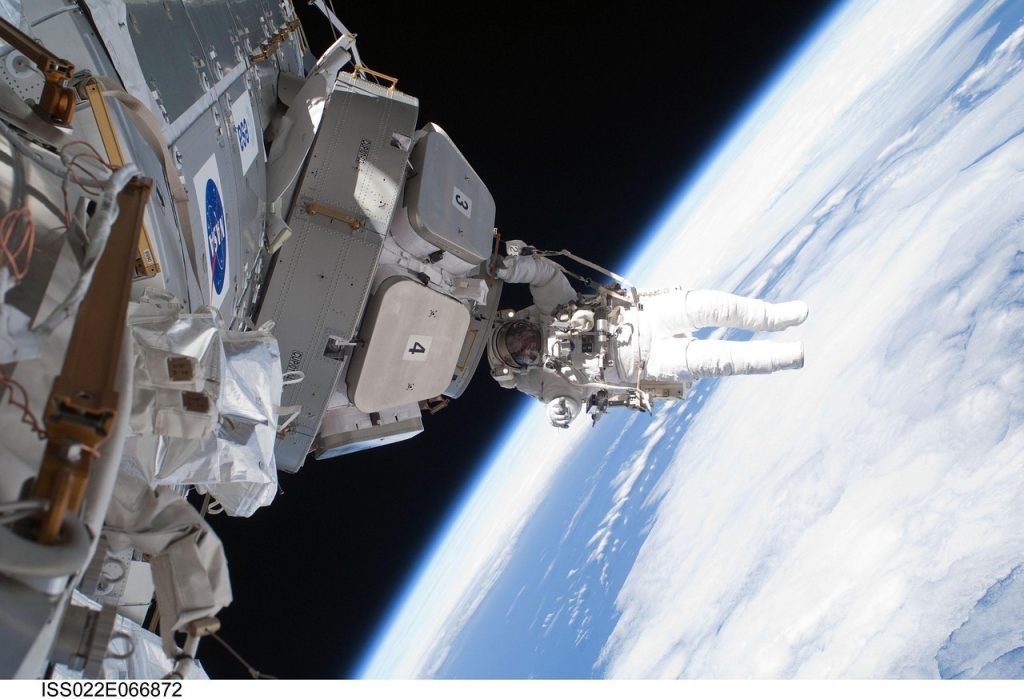
The proposed commercial stations will require much more than a design on paper. Under NASA’s solicitation, companies must be prepared to design, build, test, certify, and operate their orbital destinations. They will also need to provide end-to-end services for human spaceflight, including transportation-related capabilities. NASA intends to purchase services from these commercial providers rather than own and operate every new station itself. The approach places significant responsibility on private companies to demonstrate that their systems are safe, reliable, and capable of supporting astronauts and scientific work in orbit.
NASA Plans to Work With Multiple Contractors
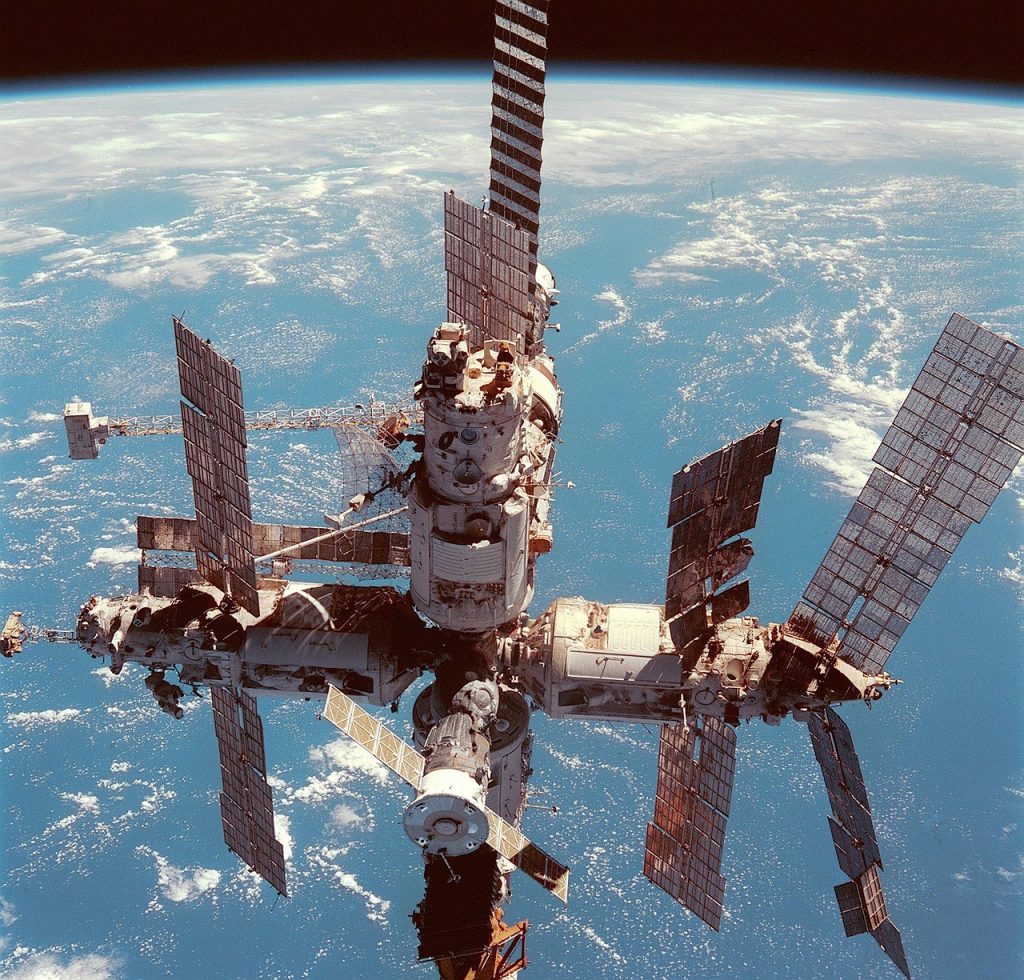
NASA is not relying on a single company to develop the future of commercial space stations. The agency intends to award contracts to two or more contractors during the early development stage, allowing different proposals and technical approaches to progress. Later stages will include competitive work covering final design, testing, evaluation, certification, and services. NASA’s planned contract structure is designed to encourage competition while giving the agency options as the projects mature. The final number of stations and providers will depend on the procurement process and the proposals that meet NASA’s requirements.
The International Space Station Is Approaching Its Planned Retirement
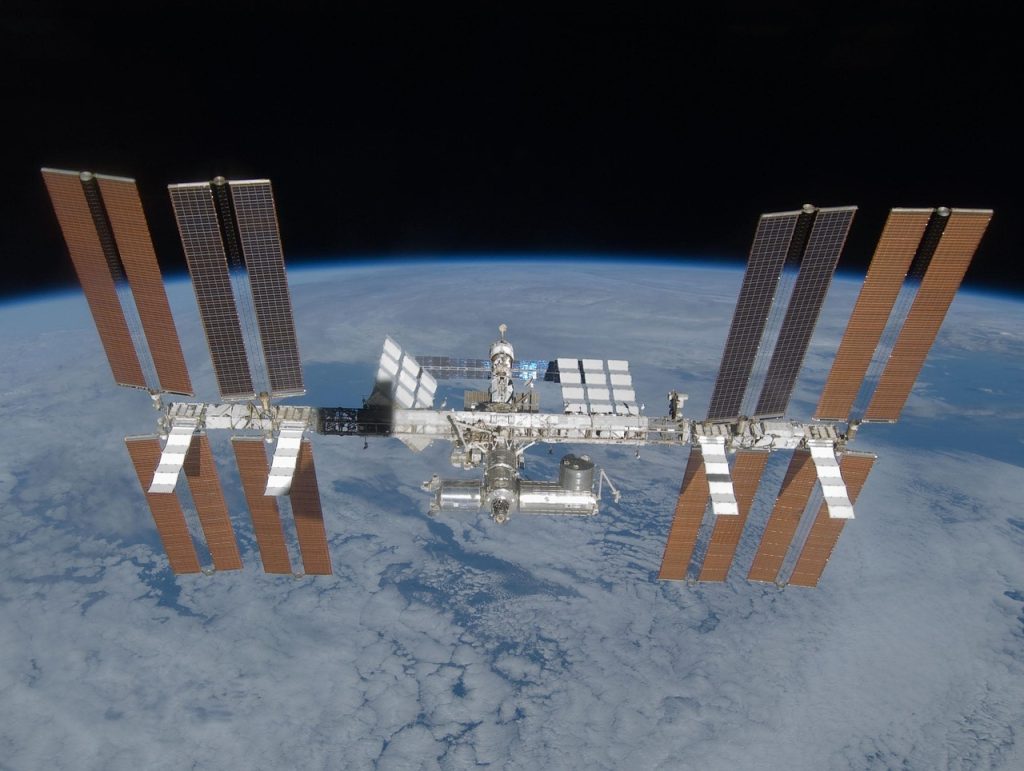
The push toward commercial stations is closely tied to the future of the International Space Station, which has supported continuous human presence in low Earth orbit for decades. NASA currently plans to transition away from the ISS around 2030, making the development of replacement facilities an important priority. The station has enabled research in microgravity, supported technology demonstrations, and helped astronauts learn how to live and work in space for extended periods. NASA wants commercial destinations ready to take on at least some of these roles so that research and crewed operations do not face a prolonged gap when the ISS retires. The transition depends on whether commercial systems can be developed, tested, and certified in time.
The New Stations Will Support Research and Missions Beyond Earth
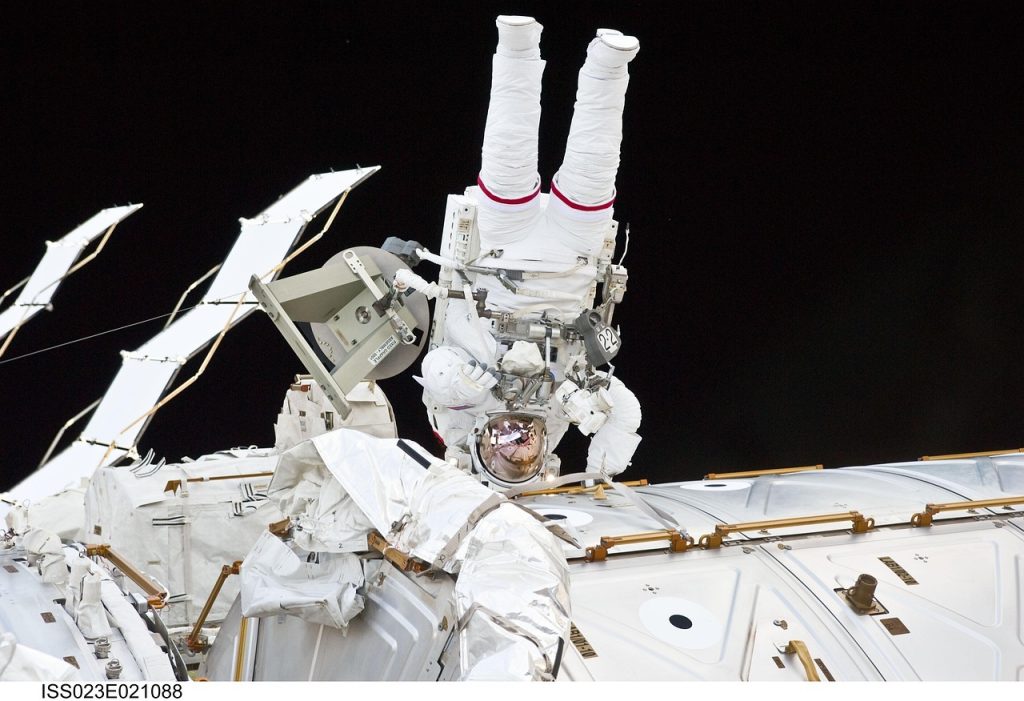
Commercial space stations are intended to preserve the unique research opportunities available in microgravity while supporting NASA’s broader exploration goals. Researchers use the low-gravity environment to study biological processes, materials, fluid behavior, and technologies that can be difficult to investigate on Earth. NASA also views low Earth orbit as a training ground for astronauts and a place to test systems that could be used on missions to the Moon and Mars. Under the commercial model, NASA would purchase the station access and services it needs, while providers could seek additional customers in research, manufacturing, and other space-based activities. The goal is to sustain useful work in orbit while encouraging a broader commercial economy.
Companies Must Submit Their Proposals by December 8, 2026
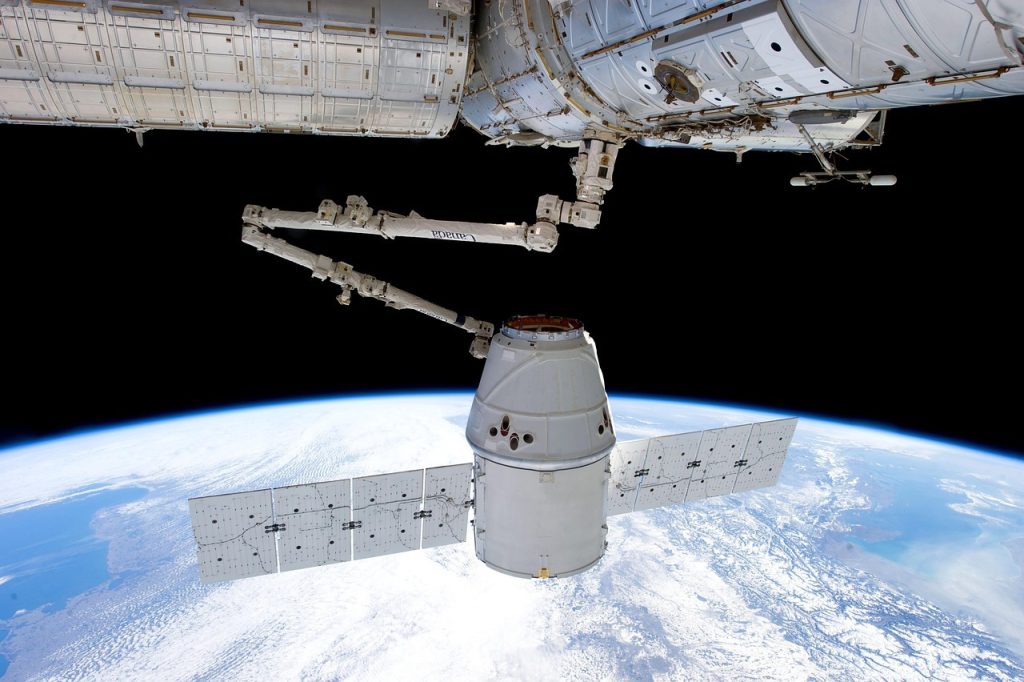
The new procurement has a firm deadline: NASA says proposals are due Tuesday, December 8, 2026, with contract awards expected in spring 2027. The timeline gives interested companies a limited period to prepare their technical and business plans, explain how they will meet NASA’s safety and operational requirements, and demonstrate that their proposals are financially credible. NASA has emphasized that commercial stations need a workable business model, with the agency serving as one customer among others rather than necessarily providing all the demand. Once proposals are evaluated, the resulting awards will help determine which companies move forward in developing the next generation of American orbital destinations.