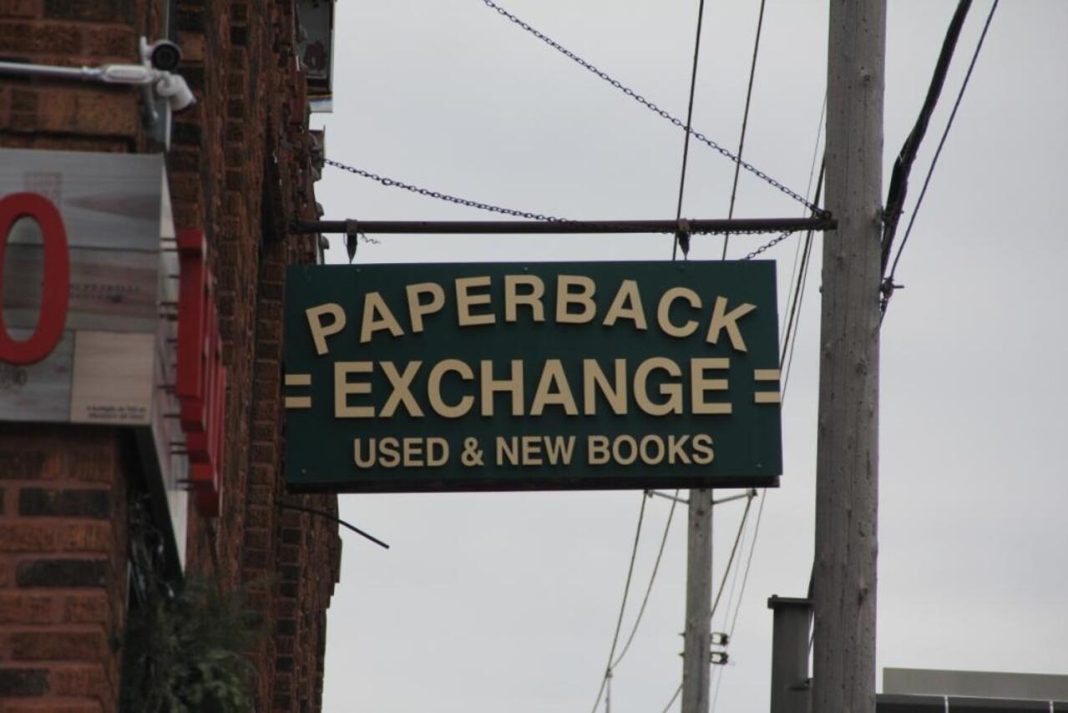

Losing more than 100,000 books to a devastating water main break could have marked the end of a beloved neighborhood bookstore. Instead, Minneapolis’ Paperback Exchange is preparing for a comeback. The independent bookstore, which has served local readers since 1975, is planning to reopen at a new location in 2027 after flood damage forced it to close in February 2025. From community fundraising to plans for preserving its familiar used-book trade-in model, here are five details behind the store’s long-awaited return.
Paperback Exchange Has Found a New Home Near Its Original Location
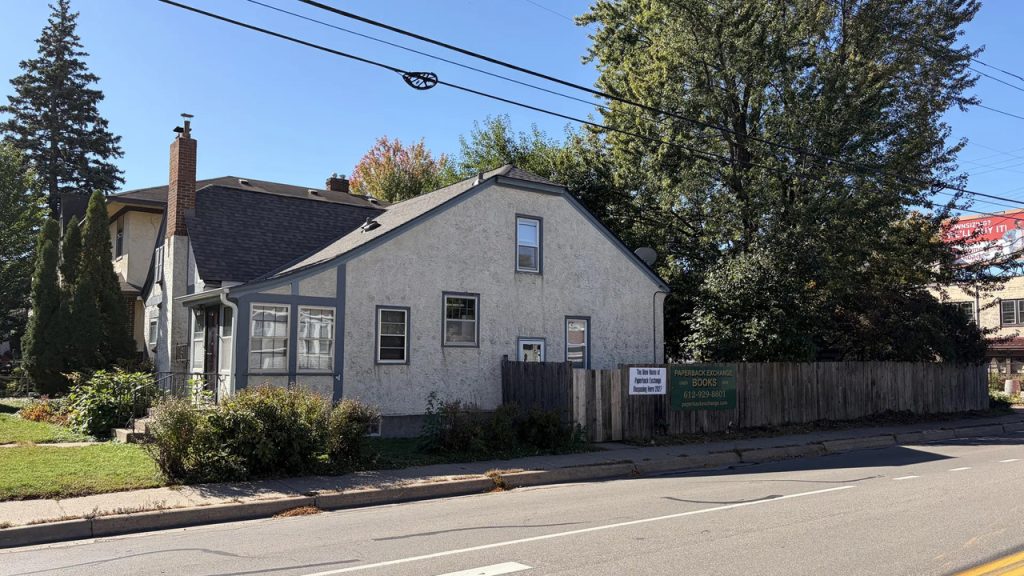
A new chapter is finally taking shape for Paperback Exchange, the longtime Minneapolis bookstore forced to close after a devastating water main break. The independent bookstore plans to reopen at 5000 Oliver Avenue South in Minneapolis in 2027, just a few blocks from its former home near West 50th Street and Penn Avenue. The new location is a converted single-family house that the owners plan to turn into a bookstore, offering a fresh start without moving far from the neighborhood that supported the business for decades. According to the bookstore’s owners, the property became available through an unexpected encounter with its previous owner, who stopped by to offer condolences following the flood. The owners are now working toward reopening, although renovations and preparations remain ahead. The new location offers a practical way to preserve the store’s connection with its longtime customers while creating a space where readers can once again browse its collection. For a neighborhood that lost a familiar gathering place, the planned return offers a welcome sign of progress after months of uncertainty.
A February 2025 Water Main Break Destroyed More Than 100,000 Books
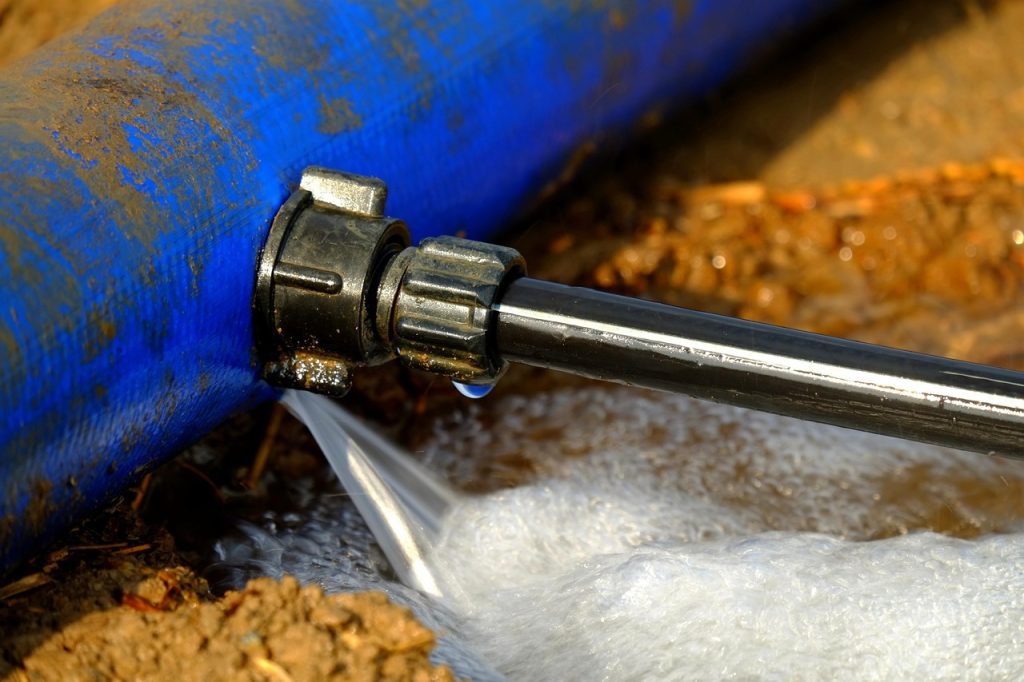
The damage that forced Paperback Exchange to close began on February 13, 2025, when a Minneapolis water main burst near West 50th Street and Penn Avenue. Water rushed into nearby businesses, including the bookstore, flooding its basement and causing extensive structural damage. The basement held much of the store’s inventory, including rare, collectible and out-of-print books that had been gathered over decades. The bookstore estimated that more than 100,000 books were destroyed, representing a significant loss for a business built around used books and hard-to-find editions. The flooding also damaged the building itself, making a return to the original location impractical. The impact extended beyond the shop’s inventory because the same incident damaged the nearby home of owners Marion and Keith Hersey. Other neighborhood businesses, including Italian restaurant Terzo and Sparrow Café, were also forced to close following the damage. The disaster left Paperback Exchange facing the difficult task of rebuilding its stock, finding a new location and raising the money needed to reopen.
The Independent Bookstore Has Been a Minneapolis Fixture Since 1975
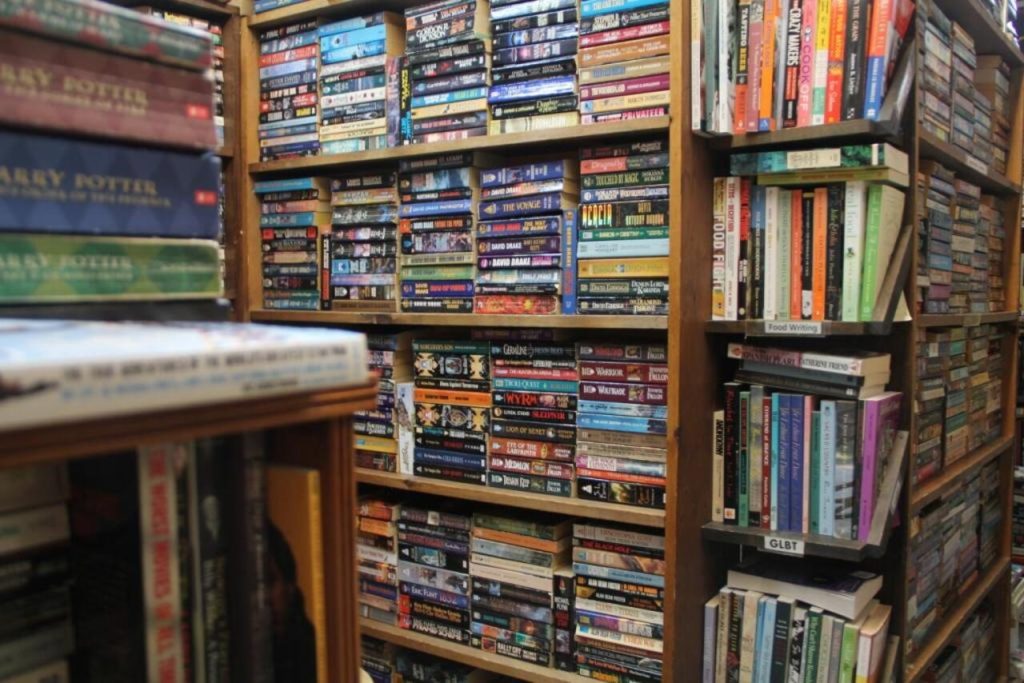
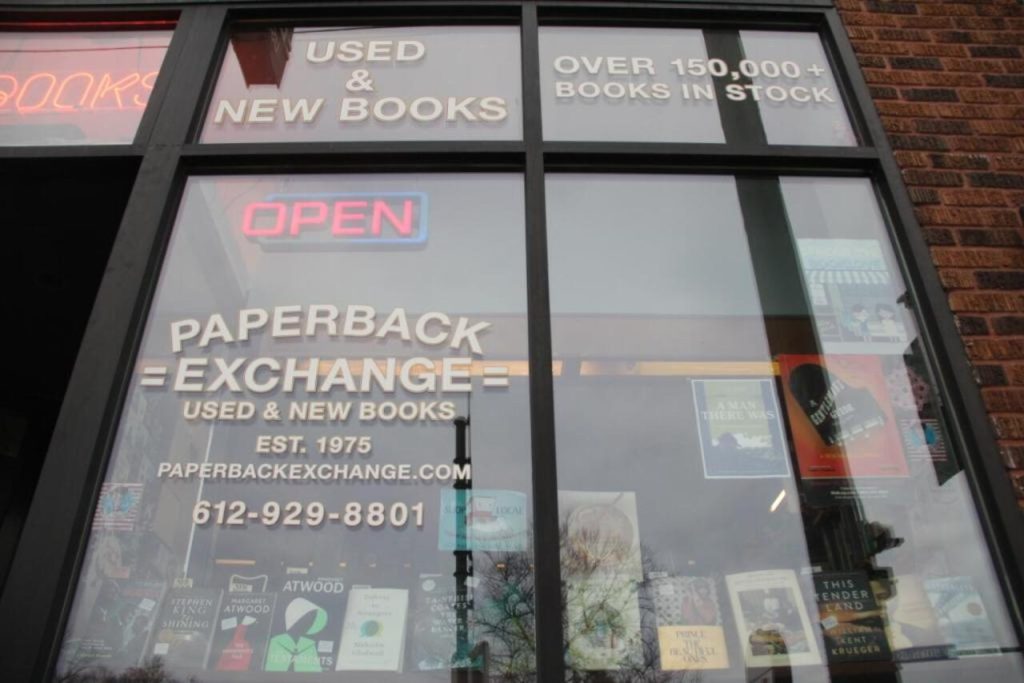
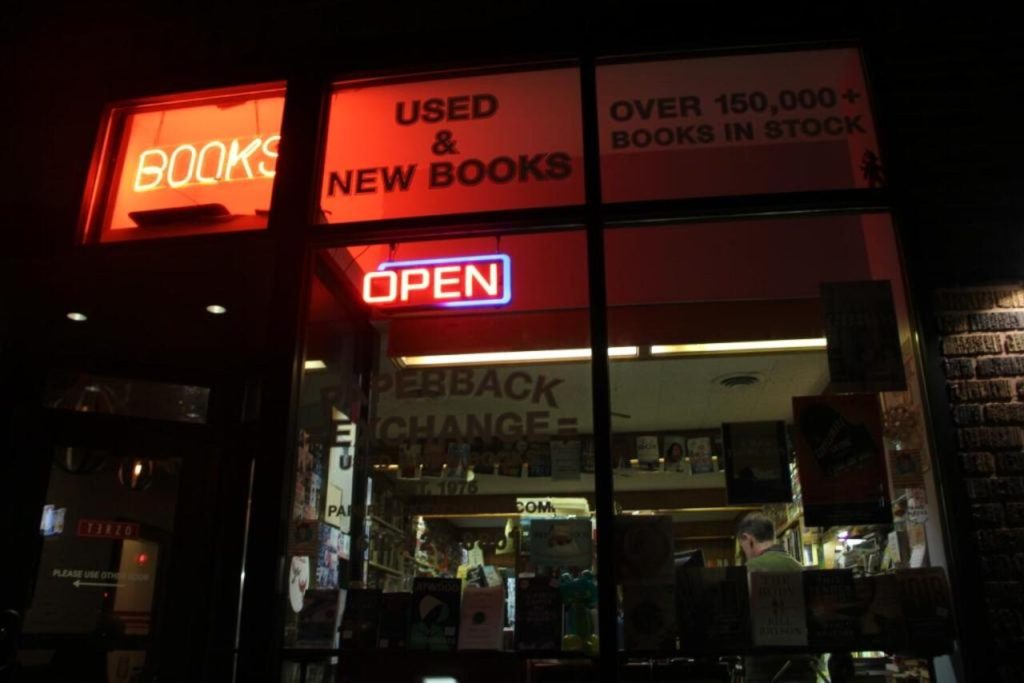
For generations of local readers, Paperback Exchange has been more than a place to buy books. Established in 1975, the independently owned store built its reputation around a large selection of used paperbacks, new releases, collectible editions and unusual titles that can be difficult to find elsewhere. Before the flood, the bookstore maintained an inventory of roughly 150,000 books, with customers able to browse everything from popular fiction to out-of-print discoveries. Its trade-in system also made it a useful stop for readers looking to exchange books they had finished for credit toward their next purchases. That combination helped distinguish the shop from conventional bookstores and gave customers a reason to return regularly. The store’s long history also meant that many of its books had accumulated over decades, making the flood particularly painful. Its website continues to describe the business as a locally owned independent bookstore and confirms that the planned reopening will take place at the new Oliver Avenue address. The move is intended to preserve a familiar neighborhood institution rather than abandon the community where it built its following.
Community Support and Fundraising Helped Keep the Reopening Dream Alive
When the flood destroyed much of the bookstore’s inventory, community support became an important source of help for the owners. Customers, fellow booksellers and neighborhood residents rallied around Paperback Exchange through donations, fundraising and events that allowed the business to continue connecting with readers. An online GoFundMe campaign raised more than $62,000, according to an October 2026 report, helping the owners work toward reopening. The bookstore has also participated in pop-up book sales and other literary events, giving customers opportunities to buy surviving books and support the business while it remains closed at its former location. These efforts have helped keep the store visible during a lengthy rebuilding process. The owners have said that community support was critical to their ability to move forward. An unexpected offer from the previous owner of the new property also helped turn the possibility of reopening into a concrete plan. Although fundraising cannot replace every lost book or erase the damage caused by the flood, it has helped provide a foundation for the next stage of the bookstore’s life.
The Store Plans to Keep Its Used-Book Trade-In Model at the New Location
One reassuring detail for longtime customers is that Paperback Exchange plans to preserve the business model that made it distinctive. At the new location, readers will still be able to bring in used paperbacks and receive trade credit, allowing them to exchange books they have finished for something new to read. The approach gives books a second life while making reading more affordable for customers who enjoy buying several titles at a time. Before the flood, the store’s collection included everything from current bestsellers to obscure and out-of-print books, and its large inventory encouraged visitors to browse without knowing exactly what they might discover. The owners have said the new store will be comparable in size to the former location, although rebuilding its collection after such a significant loss will take time. The bookstore is also using pop-up events to stay connected with readers before the permanent reopening. Its official website confirms that the business plans to reopen at 5000 Oliver Avenue South in 2027. While the new shop will have a different address, the familiar trade-credit system is expected to remain part of its identity.