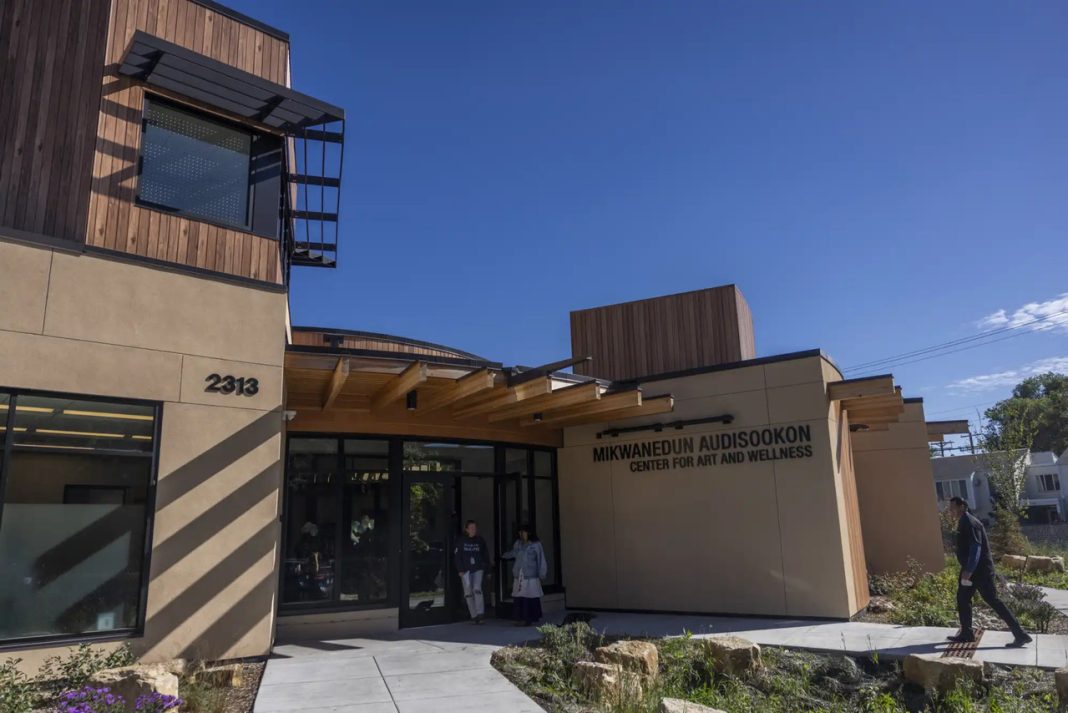

Minneapolis has welcomed a new Indigenous arts and wellness center that combines cultural programming with an unconventional approach to sustainable construction. The Mikwanedun Audisookon Center for Art and Wellness, developed by the Indigenous Peoples Task Force, features compressed earth blocks made from soil, clay and sand. After more than a decade of planning and fundraising, the $12 million facility opened in the Phillips neighborhood in October 2026. Beyond its distinctive construction, the center provides a permanent home for Indigenous theater, arts, health education and community gatherings, while creating opportunities to introduce young adults to green building techniques.
Compressed Earth Blocks Bring Soil, Clay and Sand Into the Design
The new Mikwanedun Audisookon Center for Art and Wellness in south Minneapolis stands out for its use of an unusual building material: compressed earth blocks made from soil, clay and sand. The Indigenous Peoples Task Force incorporated these blocks into the front half of the building and its theater, making the construction itself part of the center’s environmental mission. Rather than relying entirely on conventional building materials, the project demonstrates how earth-based construction can be incorporated into a modern community facility. Executive Director Sharon Day explained that convincing funders to support the approach was one of the challenges along the way. The decision reflects the organization’s interest in creating a space that serves its community while also exploring environmentally conscious construction methods.
The Building Materials Help Regulate Indoor Temperatures
The center’s earth-based construction offers a practical benefit beyond its distinctive appearance. Compressed earth blocks can absorb and release heat, helping moderate indoor temperatures as conditions change throughout the day and across seasons. During winter, the blocks absorb heat and release it gradually. In summer, they can absorb cooler air overnight and release that coolness during the day. This ability to store and release thermal energy can help reduce temperature fluctuations inside a building. However, the material’s overall effect on energy use depends on factors such as insulation, ventilation, windows and the local climate. The center’s design shows how material choices can contribute to a building’s environmental performance while supporting a welcoming space for arts, education and community activities.
A $12 Million Project Took More Than a Decade to Complete
Building the new center required years of planning, fundraising and decisions about how the facility should serve the community. The $12 million project began taking shape more than a decade before its opening, as the Indigenous Peoples Task Force sought additional space for its expanding programs. Fundraising began in 2014, with individual donors and foundations providing about one-quarter of the funding. Hennepin County contributed $750,000 through its Community Investment Initiative in 2022, while the state of Minnesota and the city of Minneapolis also provided support. The building ultimately opened in October 2026 in the Phillips neighborhood. Day noted that a simpler concrete structure could have been completed sooner, highlighting how the project’s design and construction materials added complexity to the process.
Green Technology Training Creates Opportunities for Indigenous Young Adults

The center’s construction has also created opportunities to develop practical skills within the local Indigenous community. During the building process, the Indigenous Peoples Task Force introduced green technology training that allowed Indigenous young adults to participate in making the compressed earth blocks. This approach connected the construction project with hands-on learning about environmentally conscious building methods. The organization hopes to continue offering these opportunities, with the broader goal of improving career prospects and living standards for Indigenous young adults. The training is an important part of the project’s legacy because it extends the benefits beyond the completed building itself. Although the organization has not guaranteed specific employment outcomes, the initiative creates a pathway for participants to gain experience with an alternative construction technique while learning about sustainable building practices.
A Permanent Home Brings Indigenous Arts and Wellness Together

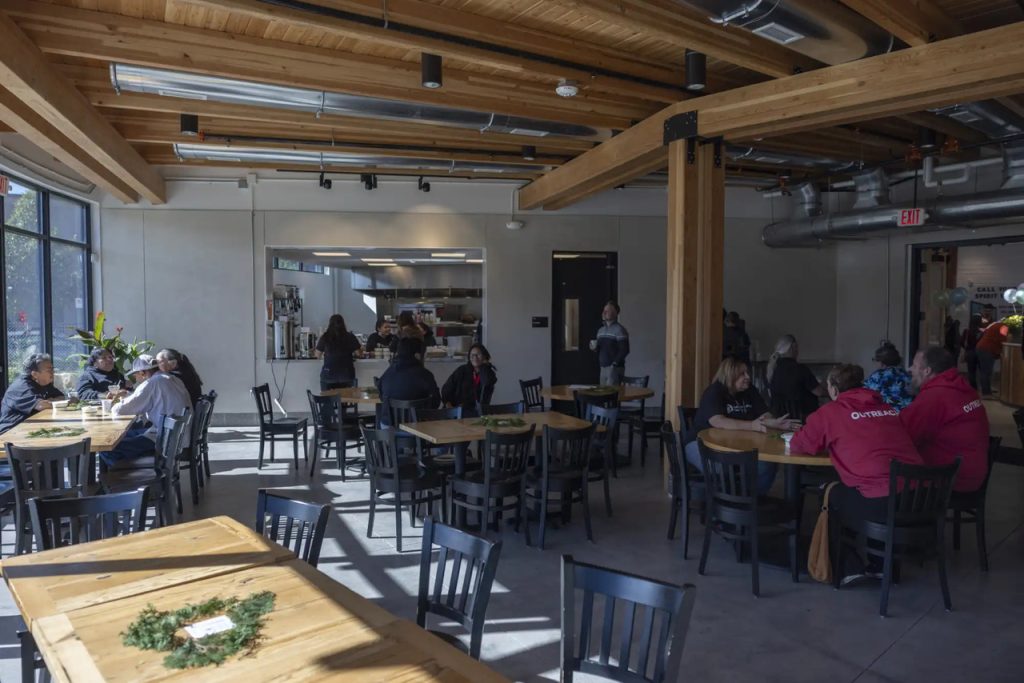
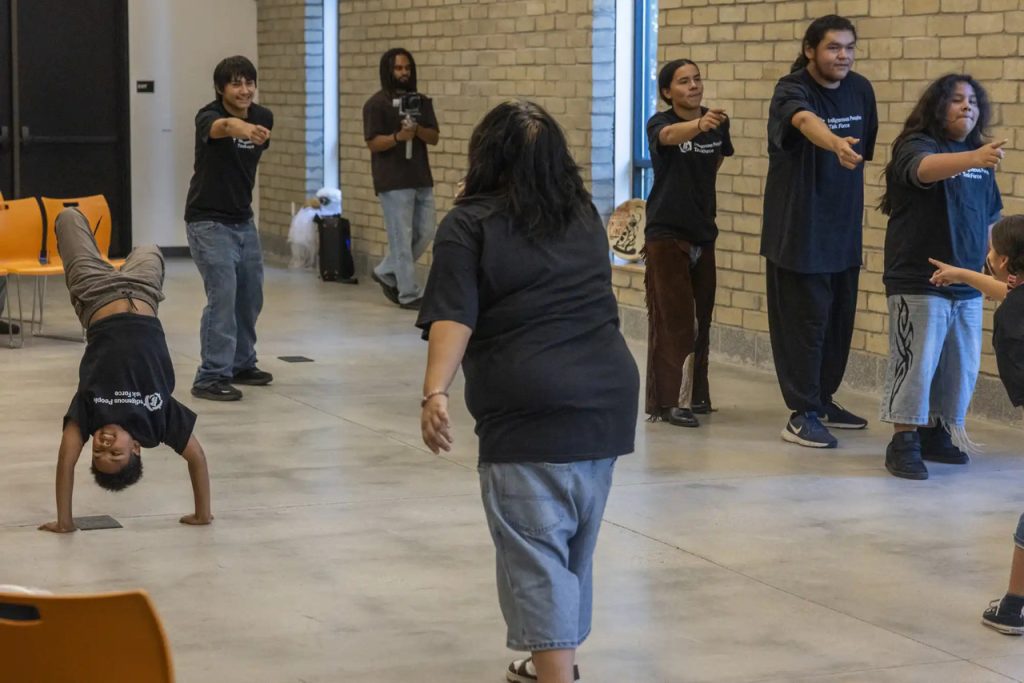
For the Indigenous Peoples Task Force, the new center addresses a longstanding need for a dedicated place where its programs can grow. Named Mikwanedun Audisookon, meaning remember our teachings in Ojibwe, the approximately 12,000-square-foot, two-story facility brings arts, theater, health education and environmental programming together. Its features include a black box theater, a commercial kitchen, a meditation room, community workspaces and green spaces. The permanent theater is particularly significant for the Ikidowin youth theater program, which previously relied on borrowed spaces such as classrooms, churches and hallways. A dedicated venue allows young performers to plan longer productions and practice traditional cultural activities that were not always possible in temporary locations. The center also supports community meals and healing initiatives, giving the organization a more suitable home for its growing range of services.