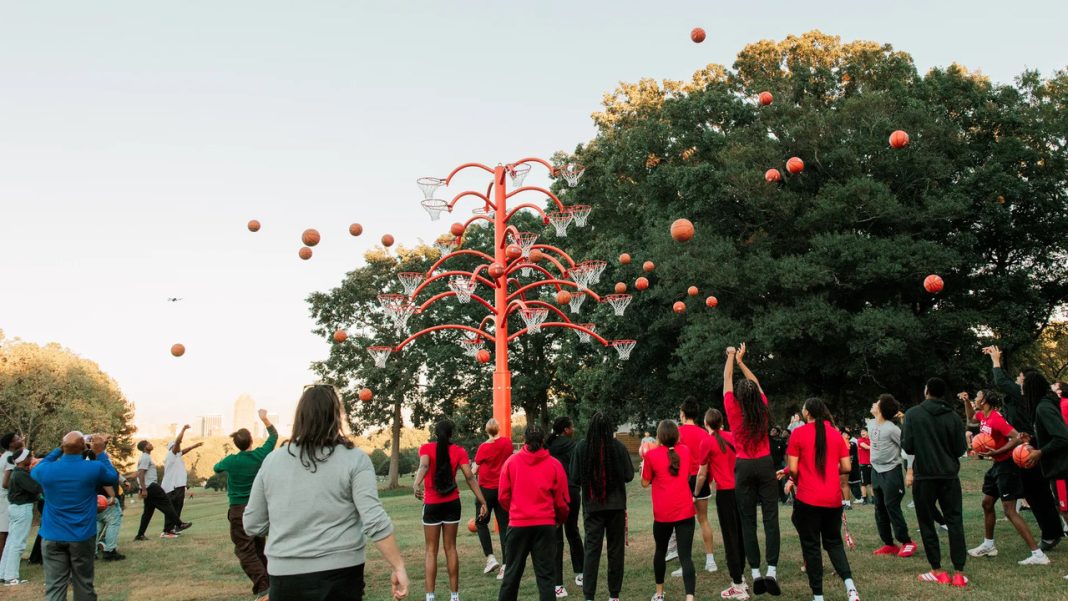

A North Carolina park has found a creative way to bring art and basketball together, and the result is hard to miss. Dorothea Dix Park in Raleigh is now home to Orange Functional, a towering 23-foot sculpture designed to look like a tree covered in basketball hoops. Created by Cuban artist Alexandre Arrechea, the interactive installation invites visitors to pick up a basketball, take a shot, and experience public art in an entirely different way. From its unusual design to the ideas behind its creation, here are six details worth knowing about this giant attraction.
Dix Park Unveiled a 23-Foot Basketball Tree Called Orange Functional

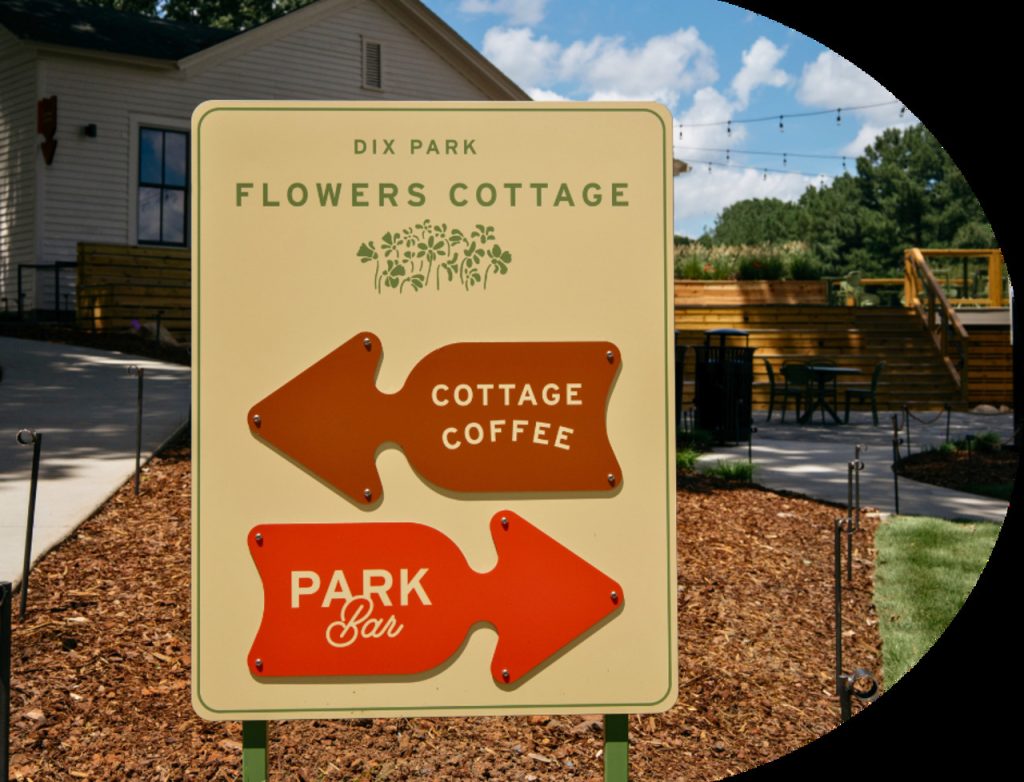
A new sculpture in Raleigh, North Carolina, is giving basketball fans a reason to look beyond the court. Called Orange Functional, the 23-foot-tall artwork has been installed at Dorothea Dix Park, where its bright orange branches and basketball hoops create an unusual sight in the open landscape. The sculpture stands in Flowers Field, near Flowers Cottage, which houses the park’s Cottage Coffee and Park Bar. Rather than serving as an artwork that visitors can only admire from a distance, the installation invites people to participate by shooting basketballs at its elevated hoops. The Dix Park Conservancy announced the installation in October 2026, with a public opening celebration held on October 7. The project reflects the park’s growing interest in bringing art into everyday public spaces, giving visitors something unexpected to discover while enjoying the grounds.
The Sculpture Features 23 Basketball Hoops on Bright Orange Branches
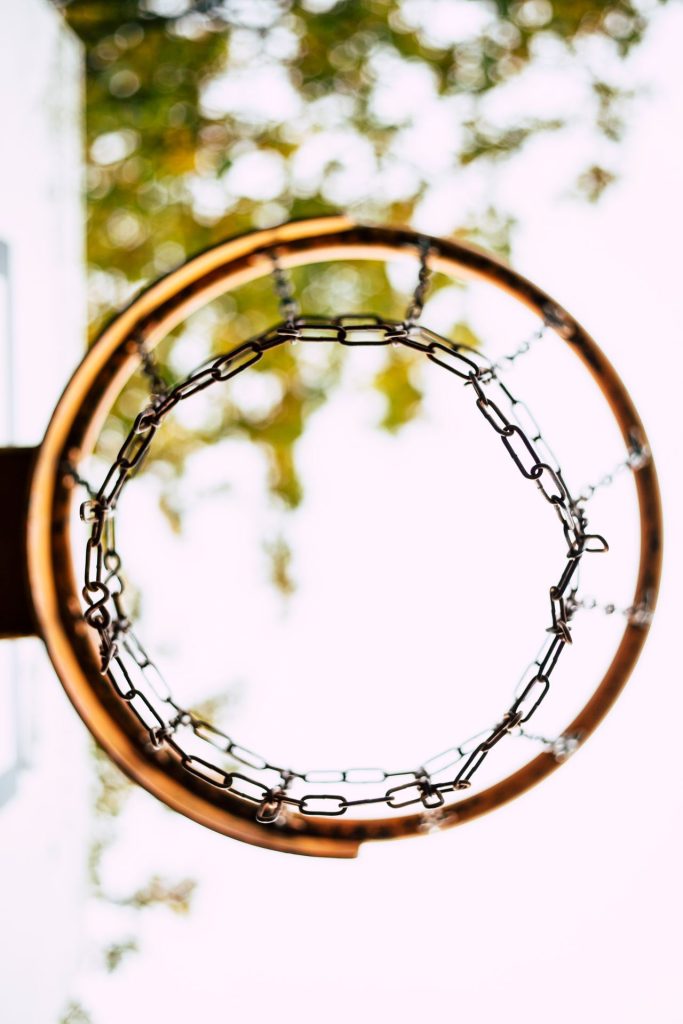
At first glance, Orange Functional looks like a tree that has grown basketball hoops instead of leaves or fruit. Its painted steel structure rises 23 feet above the ground, with 23 regulation-size basketball hoops extending from its vivid orange branches. The hoops are positioned at different points around the sculpture, creating several possible targets for players to choose from. The design transforms a familiar sports activity into an unusual visual experience, blending the shape of a tree with the structure of a basketball installation. The hoops are functional, not merely decorative, so visitors can actually take shots at them. Basketballs are made available on site while supplies last, allowing people to try the installation without necessarily bringing their own equipment. Its combination of sculpture and sport makes Orange Functional stand out among conventional park artworks.
Cuban Artist Alexandre Arrechea Created the Interactive Installation
The basketball tree comes from the imagination of Alexandre Arrechea, a Cuban-born artist known for large-scale public artworks and installations. Before establishing his solo career, Arrechea co-founded Los Carpinteros, an influential Cuban art collective recognized for work that blended architecture, design, and everyday objects. His work has been exhibited at institutions including MoMA PS1 and the New Museum in New York. Orange Functional is part of his broader interest in making art that people can experience directly rather than simply view from a distance. The concept began as a watercolor before developing into a physical sculpture. Earlier versions were displayed in museums where visitors could not touch them, but Arrechea saw how strongly people wanted to interact with the piece. That response helped inspire a playable version, allowing the artwork to become an active part of public life.
Visitors Can Pick Up a Basketball and Shoot at Different Hoops
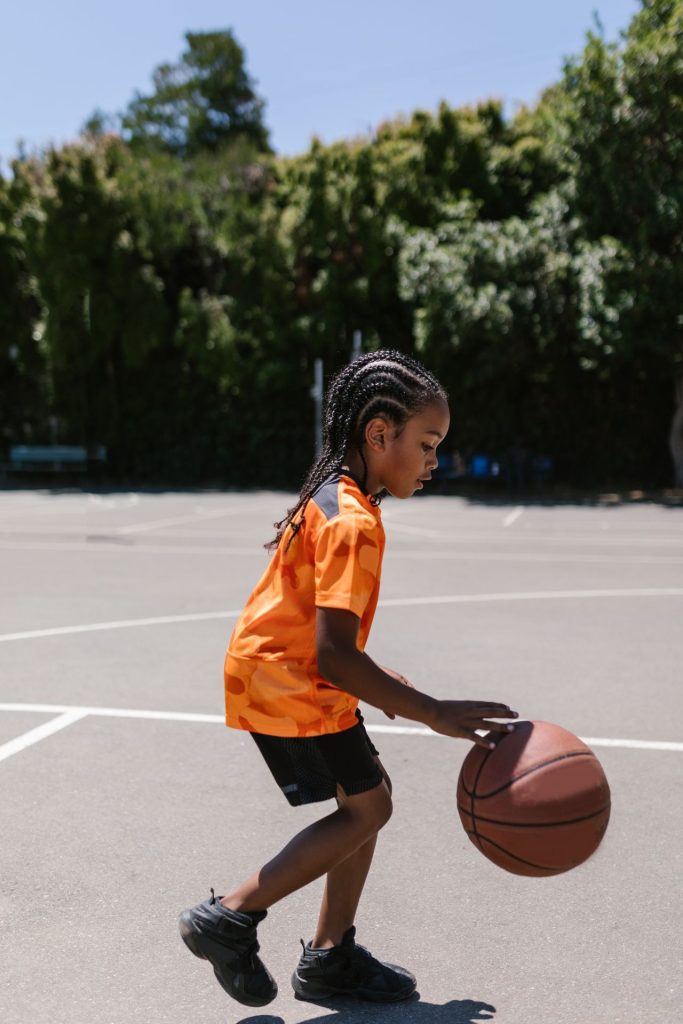
Unlike most public sculptures, which ask visitors to keep their distance, Orange Functional encourages people to get involved. Visitors can choose one of the 23 regulation-size hoops, line up a shot, and see whether they can get the ball through the basket. The installation turns an ordinary visit to the park into an informal basketball experience that can appeal to children, families, casual players, and people who simply want to try something unusual. The Dix Park Conservancy made basketballs available on site while supplies lasted, lowering the barrier for visitors who might not arrive with their own equipment. The sculpture’s public opening also included participation from special guests connected to NC State’s men’s and women’s basketball teams, local youth, and Raleigh Parks and Recreation. By combining art with play, the installation gives visitors a reason to interact with both the sculpture and one another.
Orange Functional Uses Basketball to Explore Choices and Consequences
The sculpture’s bright colors and playful design may attract attention first, but its underlying idea goes beyond basketball. Arrechea has explained that the work explores choice, personal agency, responsibility, and the outcomes of decisions. Standing beneath the tree, a player sees many possible hoops but can aim at only one at a time. Each shot requires a decision, and the player cannot know the result with complete certainty before releasing the ball. Arrechea connects that moment to everyday life, when people must choose among several possibilities and accept that their decisions can lead to different outcomes. The artwork gives visitors a simple, physical way to engage with that idea instead of encountering it through a written explanation inside a gallery. Its location in a public park is part of the message: the opportunity to experience art and reflect on its meaning should extend beyond museum walls.
The Basketball Tree Supports Dix Park’s Growing Public Art Program
Orange Functional is part of a broader effort to make Dorothea Dix Park a destination for public art, recreation, and cultural activities. The 308-acre park sits near downtown Raleigh and combines open green spaces, historic buildings, walking areas, and views of the city skyline. The Dix Park Conservancy has made public art an important part of its work, helping bring installations to places where visitors can encounter them during an ordinary day outdoors. Earlier projects, including large wooden troll sculptures, have also attracted attention and encouraged people to explore the grounds. The park’s long-term vision includes arts and culture as important parts of its development, alongside its recreational and natural features. Orange Functional fits that approach by offering an artwork that is both visually distinctive and designed for participation. Its basketball hoops invite visitors to linger, play, and experience the park in a different way, adding another attraction to Raleigh’s expanding public green space.