
St. Paul’s former Sears property could soon get a new purpose after years of sitting vacant. The 17-acre site near the Minnesota State Capitol has been purchased by the Rondo Community Land Trust, which envisions a mixed-use development featuring housing, commercial spaces, and cultural attractions. The proposal also seeks to reconnect the property with the surrounding street network and honor the history of the Rondo neighborhood. Here’s a closer look at six key details behind the redevelopment plans.
Rondo Community Land Trust Purchased the 17-Acre Sears Property
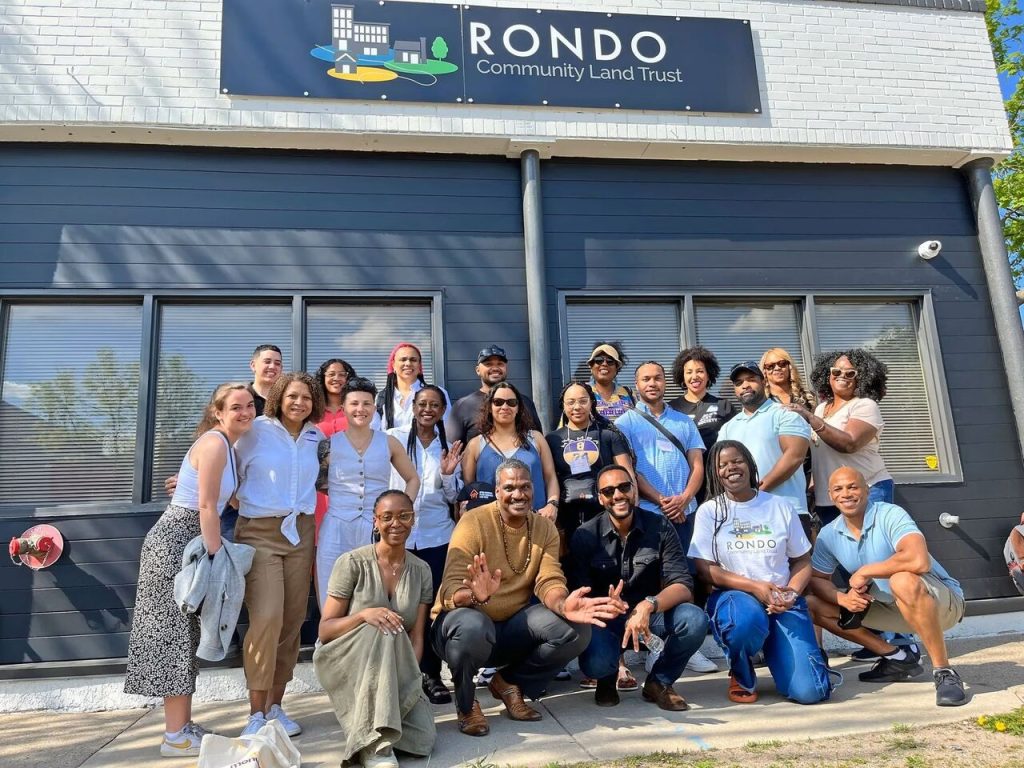
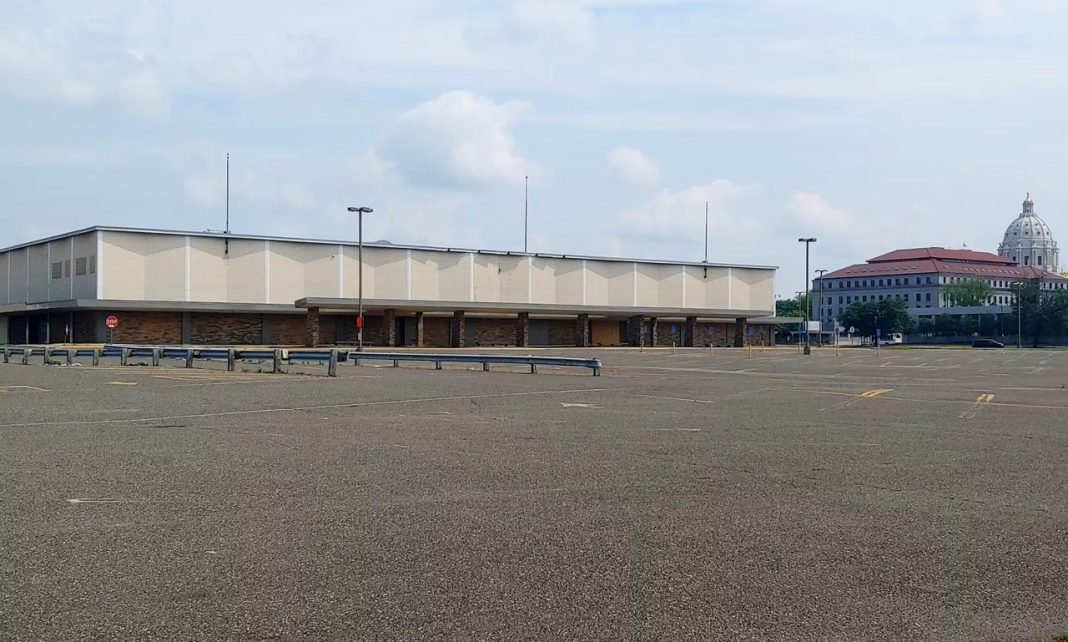
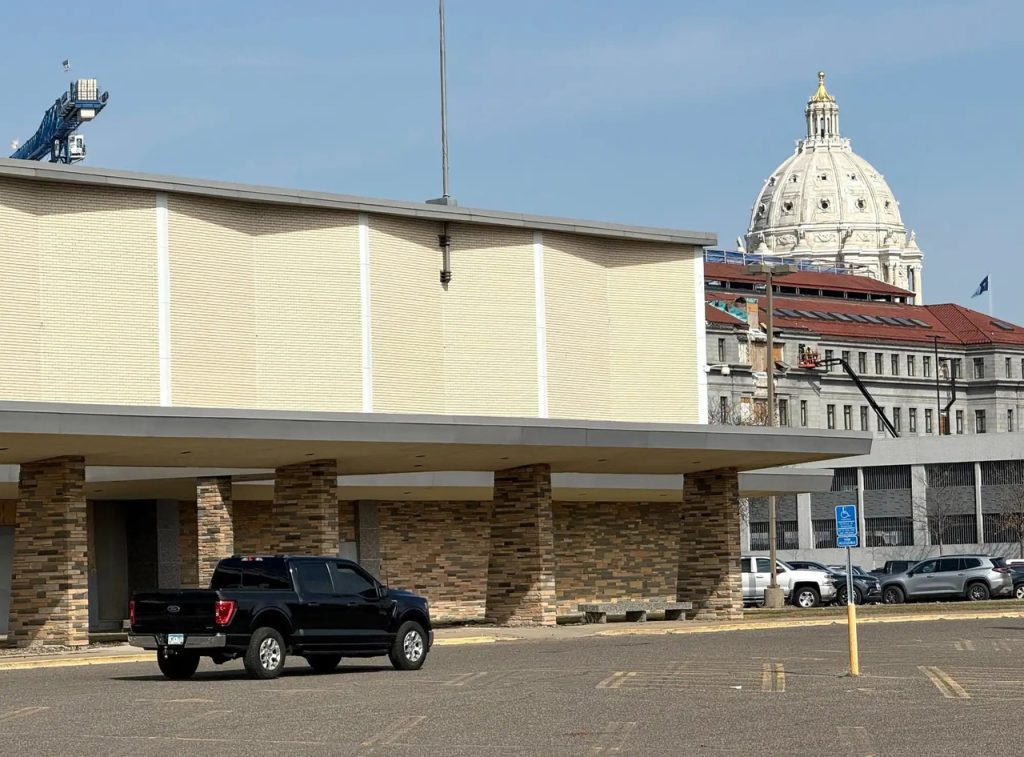
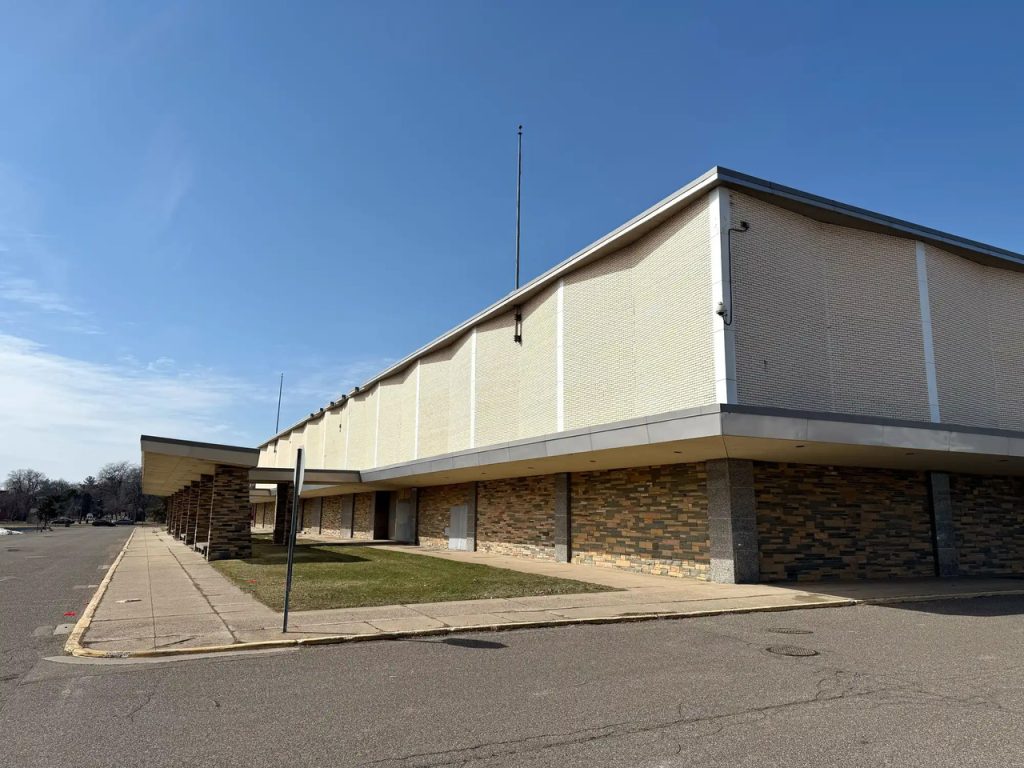
A long-vacant property near Minnesota’s State Capitol has a new owner with a community-focused vision for its future. The Rondo Community Land Trust purchased the former Sears property in St. Paul in March 2026 for $10.8 million. Covering approximately 17 acres at 425 Rice Street, the site includes the former department store building and an expansive parking area. Sears opened the store in 1963, but the location has remained vacant since the retailer closed it in 2019. Since then, several ownership changes and redevelopment proposals have failed to bring construction to the property. The latest purchase gives the nonprofit an opportunity to approach the site with a different set of priorities, including housing, community ownership and economic development. The land trust has experience supporting affordable homeownership and commercial spaces in St. Paul’s historic Rondo neighborhood. Its acquisition represents its largest property purchase to date and creates an opportunity to bring new activity to a prominent area near the Capitol. However, the purchase marks the beginning of a planning process, not the completion of a redevelopment project.
The Redevelopment Plan Envisions Hundreds of Apartments and Homes
Housing is expected to play a significant role in the property’s proposed transformation, with the land trust envisioning hundreds of apartments and homes across the site. The goal is to turn an underused parcel dominated by parking into a more active neighborhood with places to live, work and gather. The exact number of housing units, their affordability levels and the project’s construction schedule have not been finalized in the initial planning proposal. Those details will depend on further design work, community input, funding and other development requirements. Still, the emphasis on housing aligns with the land trust’s broader mission of expanding access to homes and helping communities build lasting wealth. Its community land trust model supports long-term affordability by keeping land in nonprofit ownership and establishing conditions that help homes remain affordable for future buyers. Whether and how that model will be applied to specific housing components at the Sears property remains to be determined. If the proposal advances, the development could bring more residents to an area close to the State Capitol while helping transform a site that has contributed little activity beyond parking since the store closed.
The Project Could Bring Commercial, Arts and Entertainment Spaces
The former Sears property could become more than a residential development, with plans pointing toward a mix of commercial, cultural and entertainment uses. The land trust has expressed interest in creating a large venue alongside housing and new public spaces, although the venue’s eventual purpose, size and programming have not been established. Commercial areas could provide opportunities for businesses to serve nearby residents, state employees and visitors to the Capitol area. Arts and cultural activities could also help make the development a destination rather than simply another collection of buildings. This broader approach reflects the land trust’s interest in district-level development, where housing, businesses and community spaces work together to support a lively neighborhood. The previous owner, Asian Media Access, had also explored a mixed-use concept that included shopping, dining, entertainment and apartments, but construction never began under that proposal. The new ownership offers an opportunity to reconsider the site’s possibilities. For now, the commercial and cultural elements remain part of a developing vision, with further planning needed before specific businesses, attractions or facilities can be confirmed.
The Proposal Seeks to Break Up the Superblock and Restore the Street Grid
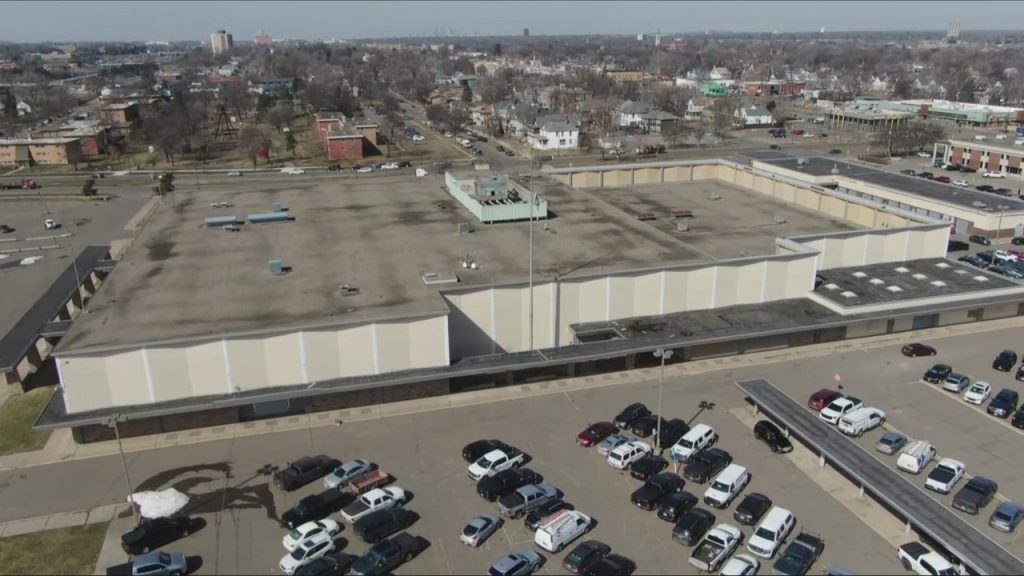
One of the most significant ideas in the new proposal is changing the physical layout of the property itself. The Sears site has functioned as a large superblock since the department store opened in 1963, leaving a broad stretch of land that does not follow the smaller blocks and connected streets common in traditional urban neighborhoods. The Rondo Community Land Trust wants to divide the property into smaller development blocks and restore a more connected street grid. This approach could create additional routes for pedestrians, cyclists and vehicles while making it easier to move between the site and surrounding streets. Smaller blocks could also allow different buildings and uses to develop over time instead of requiring one enormous project to be completed all at once. The proposal resembles planning efforts elsewhere in Ramsey County, including work to divide the former Twin Cities Army Ammunition Plant site in Arden Hills into smaller parcels connected by new streets. Reworking the Sears property’s layout would require detailed planning and coordination with relevant public agencies. The idea is still at an early stage, but it could fundamentally change how the site connects with the surrounding Capitol area.
Community Engagement Will Help Shape the Site’s Future
Turning a large redevelopment concept into a workable neighborhood plan requires more than architectural drawings and financial calculations. The Rondo Community Land Trust has said it intends to engage residents, community organizations and other stakeholders as it develops ideas for the former Sears property. This process is especially important because the site carries a history that extends well beyond its years as a department store. Community feedback can help determine which housing options, business opportunities, public spaces and cultural facilities would best serve people living and working nearby. Ramsey County has approved a $50,000 grant to help the land trust begin planning, providing an initial source of support for this early work. The grant is intended to help move the planning process forward, rather than cover the full cost of constructing the eventual development. Important questions remain about the site’s design, financing, infrastructure and implementation timeline. By gathering input before those decisions are finalized, the land trust has an opportunity to build a proposal that reflects local priorities instead of imposing a predetermined design. Community engagement will not resolve every challenge, but it can help establish a clearer direction for the project’s next stages.
The Redevelopment Aims to Honor the Historic Rondo Neighborhood
The former Sears property sits on land with a deeply significant place in St. Paul’s history. Before the department store arrived, the area was part of Rondo, a predominantly Black neighborhood known for its homes, businesses and strong community ties. The construction of Interstate 94 through the neighborhood during the 1960s displaced many residents and disrupted an established network of families and businesses. That history is central to the Rondo Community Land Trust’s approach to the property. The nonprofit has expressed a desire to see the development eventually provide a home for descendants of people displaced by the freeway’s construction. Its broader vision involves returning land to community-centered stewardship and creating opportunities for residents to benefit from future investment. That does not mean every detail of the redevelopment has been settled, or that specific housing arrangements for descendants have already been announced. Rather, the historical connection provides a guiding principle for the planning process. If the project moves forward, it could become an opportunity to reconnect the area with Rondo’s legacy while creating new housing, businesses and public spaces. Balancing that historical responsibility with the practical demands of a major development will be an important part of the work ahead.