
American seafood could soon become easier to identify at grocery stores as the FDA considers new voluntary labels highlighting U.S.-caught and U.S. farm-raised products. The proposal comes as the Trump administration looks to strengthen domestic fishing businesses, improve seafood processing capacity and give shoppers clearer information about where their food comes from. From the scale of seafood imports to billions in proposed industry financing, these six details explain what the new labels could mean for consumers and American fishermen.
The FDA Is Proposing a New U.S.-Caught Seafood Label
Knowing where seafood comes from could soon become easier for American shoppers. In October 2026, the U.S. Food and Drug Administration proposed guidance explaining how seafood businesses can identify qualifying products as U.S.-caught. The proposal is part of the Trump administration’s broader effort to strengthen the domestic fishing industry and help consumers recognize seafood harvested by American fishermen. The FDA’s draft guidance provides examples of origin statements and graphics, including American flag imagery, that businesses could use when the claims are accurate. The goal is to give domestically sourced seafood greater visibility in grocery stores while helping shoppers make more informed purchasing decisions. However, the proposal is still in draft form, meaning it has not become a finalized labeling policy. The FDA is seeking public comments before developing its final guidance. For consumers, the important distinction is that the proposed label would provide additional information about a product’s origin rather than replace existing food safety and labeling requirements.
The New Seafood Labels Would Be Voluntary Rather Than Mandatory
Shoppers should not expect every package of American seafood to carry the proposed label if the guidance is finalized. The FDA’s proposal describes voluntary origin statements, meaning seafood companies could choose to identify qualifying products as U.S.-caught rather than being universally required to use the new designation. Businesses that decide to use such claims would still need to ensure their labels are truthful, accurate and not misleading. Existing federal law already prohibits false or misleading food labeling, so a voluntary label would not give companies permission to make unsupported claims about where their products originated. The FDA’s draft guidance is intended to explain how businesses can communicate U.S. origin more clearly while complying with applicable requirements. Because the document remains a draft, its recommendations may change after the agency reviews public feedback. For shoppers, this means the proposed label could make domestic seafood easier to recognize, but its voluntary nature means the absence of a U.S.-caught designation would not automatically establish that a product was imported.
U.S.-Caught and U.S. Farm-Raised Labels Would Identify Different Origins
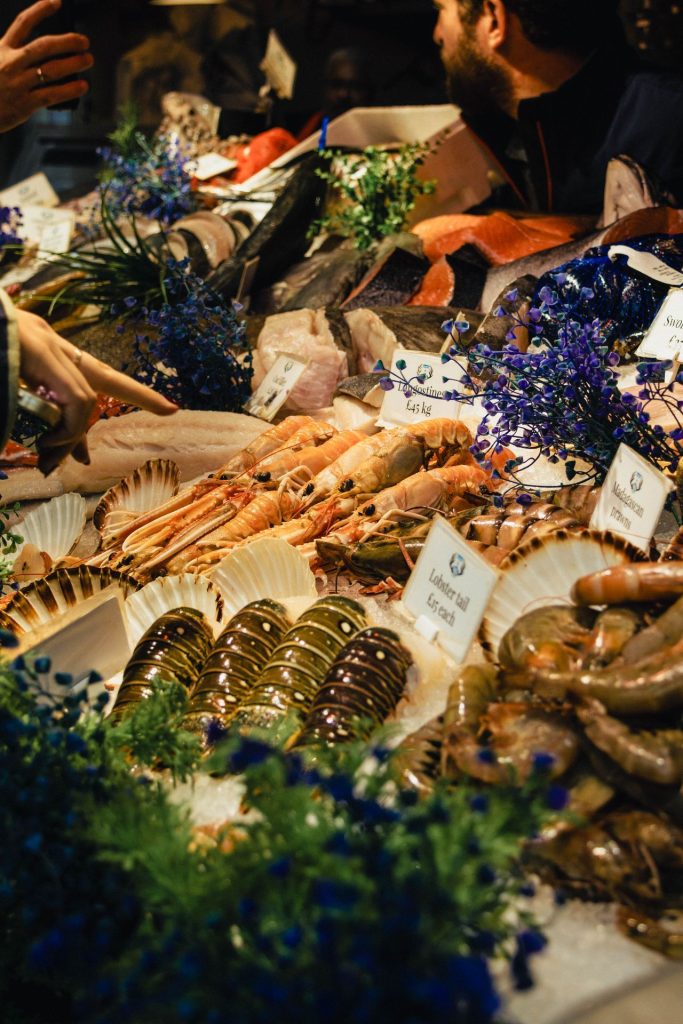
Not all seafood produced in the United States comes from the same source, and the proposed labeling guidance recognizes that distinction. The FDA identifies terms such as U.S.-Caught and U.S. Farm-Raised as examples of statements businesses may use when they can substantiate them. U.S.-caught seafood generally refers to seafood harvested from the wild by American fishing operations, while U.S. farm-raised seafood comes from aquaculture facilities located in the country. Aquaculture involves raising aquatic animals or plants under managed conditions rather than harvesting them directly from wild fisheries. These distinctions can help shoppers understand how their seafood was produced and where it originated. However, a label’s wording must accurately describe the product. A company should not imply that seafood was caught in American waters or raised on a U.S. farm if the relevant claim cannot be supported. The FDA’s draft guidance focuses on truthful origin statements, not a blanket declaration that every product carrying American imagery was entirely produced in the United States. Consumers should continue checking package details and other available origin information when comparing seafood options.
About 80% of Seafood Eaten in America Came From Abroad

The scale of seafood imports helps explain why the administration wants domestic products to stand out. According to the National Oceanic and Atmospheric Administration figures cited by CBS News, approximately 80% of the seafood Americans consumed in 2023 came from abroad. That means imported products accounted for the overwhelming majority of seafood eaten in the country, even though the United States has extensive coastlines and commercial fishing operations. The import figure also helps explain why origin information matters to consumers who want to distinguish domestically harvested products from seafood supplied by international producers. A clearer voluntary label could make that distinction easier to spot while shopping. However, imported seafood is not automatically unsafe or inferior to domestic seafood. Imported products remain subject to applicable U.S. food safety and labeling requirements, and seafood quality depends on factors such as handling, storage, species and production practices. The proposed label is primarily intended to communicate origin and support domestic producers, not to establish that seafood from one country is necessarily better than seafood from another.
U.S. Commercial Fishermen Caught $5.1 Billion Worth of Seafood in 2023
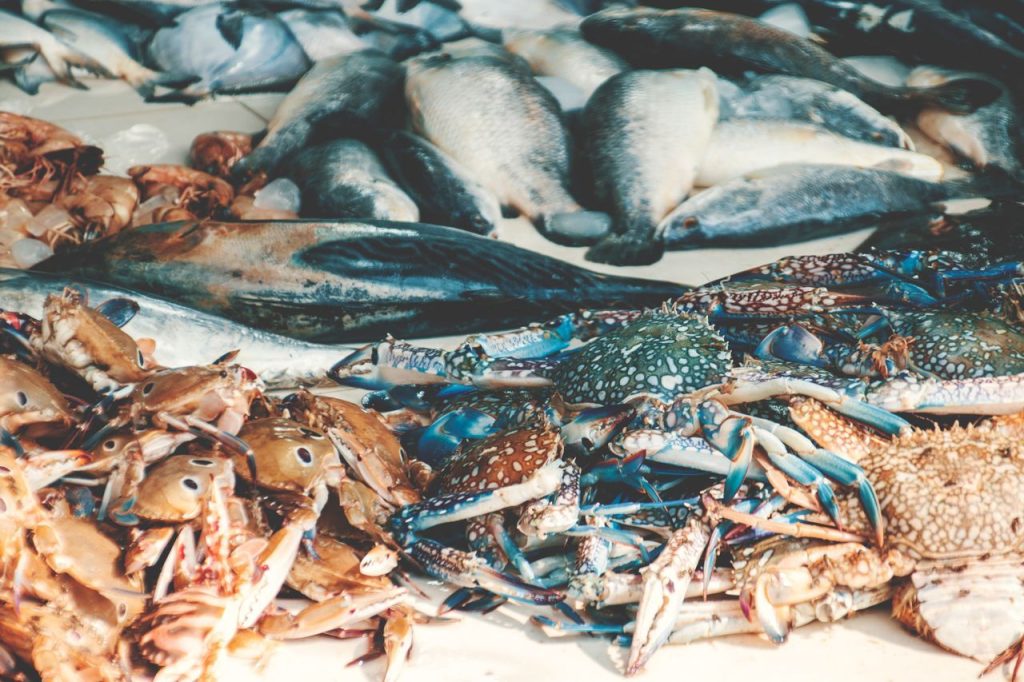
American commercial fishing remains a substantial industry, even though imported products supply most of the seafood consumed in the country. In 2023, U.S. commercial fishermen caught seafood valued at approximately $5.1 billion, according to figures cited by CBS News. During the same year, the United States imported about $25 billion worth of seafood. The difference illustrates the scale of the international seafood trade and the competitive environment facing domestic producers. For American fishermen, making locally harvested products easier to identify could help businesses communicate their origin to shoppers who prefer to buy domestic seafood. The proposed labels are one part of the administration’s broader strategy to improve the industry’s position in the marketplace. Still, a label alone cannot resolve every challenge facing fishing communities. Factors such as operating expenses, access to processing facilities, transportation costs, international competition and the availability of fish stocks can all affect profitability. The administration’s approach combines origin labeling with other proposed support for the industry, including financing intended to expand seafood processing capacity.
The Administration Is Making $5 Billion in Loans Available to the Fishing Industry
Alongside the proposed seafood labels, the Trump administration announced a major financing initiative intended to help American food producers expand and modernize processing facilities. The U.S. Department of Agriculture announced that at least $5 billion in guaranteed loans would be available through its Strengthening Processing for U.S. Ranchers, or SPUR, Guaranteed Loan Program. The program includes eligible meat, poultry and seafood processing businesses, giving qualifying borrowers an opportunity to seek financing for projects that expand, improve or diversify their operations. The USDA says the program provides a 90% loan guarantee to participating commercial lenders, helping reduce the lenders’ risk when financing eligible projects. The maximum loan amount for an individual borrower is $175 million, subject to program requirements. These are guaranteed loans, not $5 billion in direct grants to fishermen, and the money is intended to support processing capacity rather than simply pay for fishing equipment. The initiative is designed to address infrastructure needs that can limit domestic producers’ ability to prepare and distribute seafood for consumers. Together with the proposed voluntary labels, the financing program forms part of the administration’s wider effort to strengthen the American seafood supply chain.