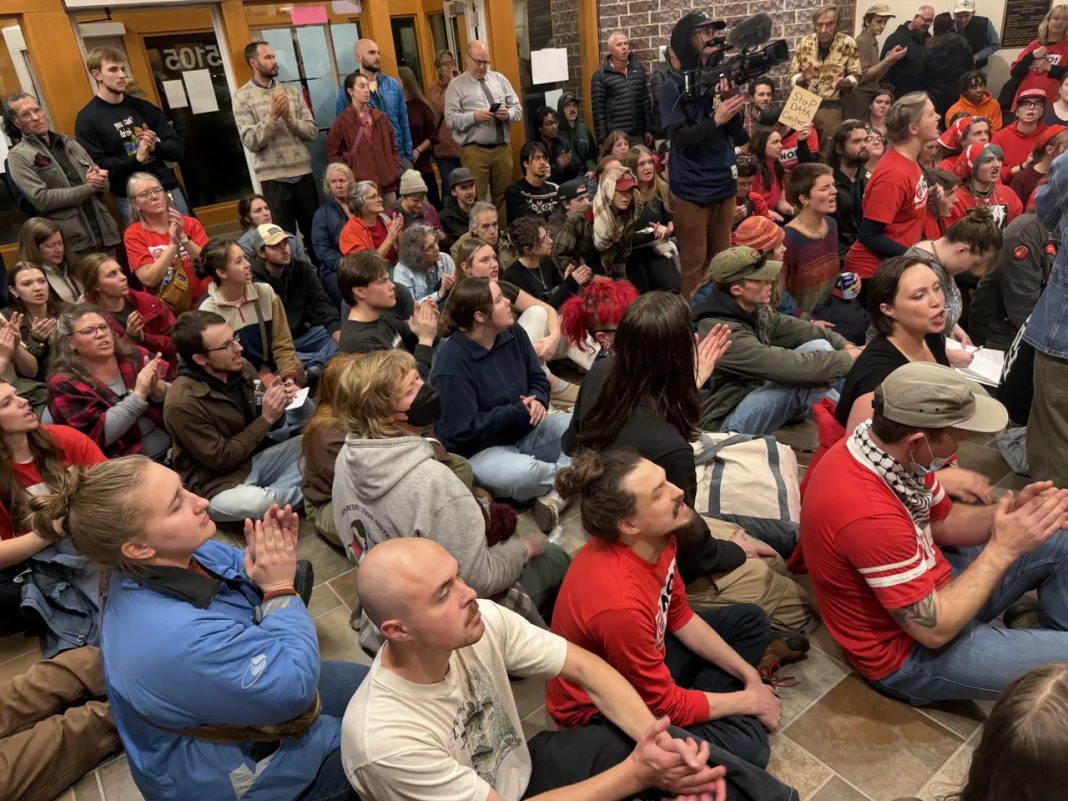

Minneapolis is considering a new approach to homelessness that could give people living in their vehicles a safer place to park overnight. The proposed Safe Outdoor Parking ordinance would allow designated parking lots to operate as managed sites, subject to city permits, safety requirements and public review. Supporters say the plan could connect residents with housing assistance while reducing the risks associated with sleeping in vehicles on the street. However, questions remain about site locations, operating rules and how the program would work for surrounding neighborhoods.
Minneapolis Could Legalize Overnight Parking for People Living in Their Vehicles
For people experiencing homelessness, finding somewhere safe to sleep can mean constantly worrying about parking tickets, towing or being asked to move. Minneapolis’ proposed Safe Outdoor Parking ordinance would create a legal option for people living in their vehicles to park overnight at designated, managed lots. Instead of having to move from one location to another, residents could stay in an authorized space where basic safety measures and support services are available. The proposal is intended to provide a temporary alternative to sleeping on the street while people work toward more stable housing. It would not make overnight vehicle parking legal everywhere in Minneapolis. The arrangement would apply only to approved sites that meet the city’s requirements, including rules for management and operations. The idea draws on programs in Duluth and Denver, where designated parking sites have offered people living in vehicles a more stable place to stay. Minneapolis officials see the proposal as one way to address unsheltered homelessness while making better use of existing parking infrastructure.
Safe Parking Sites Would Be Located in Existing Off-Street Parking Lots

Where these sites could operate is a central part of Minneapolis’ proposal. The amendment would allow safe outdoor parking as a temporary use in existing off-street parking lots, rather than creating a general right to sleep in vehicles on public streets or in any available parking space. Each proposed location would have to go through the city’s approval process and comply with applicable zoning requirements. This approach is intended to use infrastructure that already exists while creating a more organized setting for people who need somewhere to stay overnight. The site would also need to meet operating and safety standards, which are intended to protect people using the lot and address concerns from surrounding neighborhoods. The proposal does not mean every privately owned parking lot could immediately become a safe parking location. Operators would need the required approvals and licenses before running a site. The city is also considering how the new use would fit into its wider zoning, health, sanitation and business regulations.
Parking Sites Would Need On-Site Management and Safety Rules
A designated parking lot alone would not meet the goals of the Safe Outdoor Parking proposal. Minneapolis intends these locations to be managed environments with staff present at all times, clear operating rules and services that support residents’ basic needs. The proposal includes requirements involving safety and security, while reporting on the plan says operators would need to provide access to restrooms, water and trash services, along with daily litter cleanup. A safety plan would also be submitted to police for review. Other proposed rules would prohibit open fires, illegal firearms and weapons, alcohol use, and the use of nonmedical cannabis or nonprescribed controlled substances at the sites. Quiet hours would help establish expectations for overnight use. These measures are designed to make the locations safer and cleaner than unmanaged places where people may otherwise sleep in their vehicles. They also give operators clear responsibilities for addressing problems and maintaining the site. The final rules and how they will be enforced are important parts of determining whether the program can work for residents and nearby communities.
Each Site Would Require a Permit and a City Business License
Opening a safe parking location would involve more than finding an available lot and agreeing to let people stay overnight. Under the proposed rules, each site would need an interim use permit and a city business license. The interim use permit would allow the city to review whether the proposed operation fits the location’s zoning requirements and would limit the use to a temporary period of up to five years. The business license would provide a separate way to establish and oversee operational standards. The city is also considering related amendments to other parts of its municipal code, including provisions governing health, sanitation, housing and business regulations. These coordinated changes matter because overnight parking sites need more than zoning permission to operate safely. Operators would have to meet applicable requirements and maintain the services and management arrangements expected by the city. The permit process would also include a public hearing, giving nearby residents, neighborhood groups and businesses an opportunity to comment before a site is approved. This structure is intended to make safe parking a regulated, temporary option rather than an unrestricted land use.
Public Hearings Would Give Nearby Residents and Businesses a Chance to Comment
The proposal recognizes that a new overnight parking site could raise questions for people living or working nearby. Before a site receives approval, the interim use permit process would require a public hearing. Under the proposal described by MPR News, residents within 300 feet of a proposed location, along with neighborhood organizations and business associations, would be notified and given an opportunity to share their views. Supporters argue that managed parking sites could provide a safer alternative for people living in vehicles while connecting them with help. Some residents, however, have questioned whether the proposed notification distance would adequately represent the broader neighborhood and raised concerns about where sites should be located. Public hearings would allow these issues to be discussed before a decision is made about an individual location. The process does not mean nearby residents would automatically have the power to veto a site, but it would give them a formal opportunity to raise concerns and respond to the proposal. The city’s challenge will be balancing community feedback with the need to provide safer options for people experiencing homelessness.