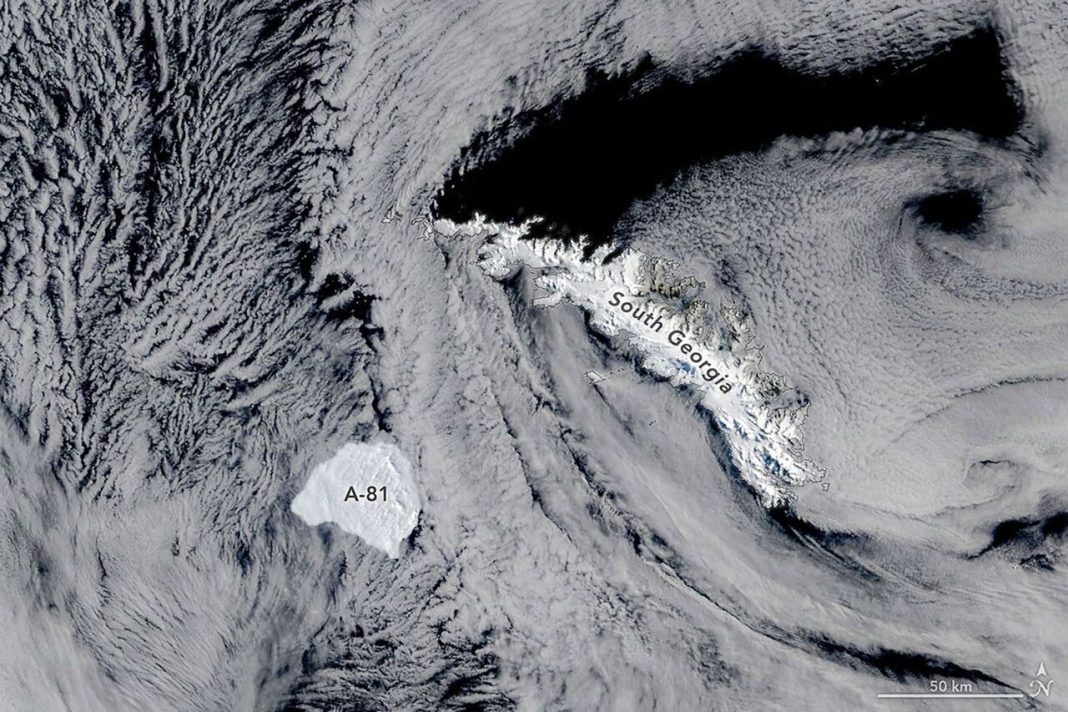

A giant Antarctic iceberg has reached the waters near South Georgia after spending more than three years drifting across the Southern Ocean. Known as A-81, the enormous mass of ice broke away from the Brunt Ice Shelf in January 2023 and has since traveled thousands of kilometers under the influence of ocean currents. Its recent slowdown near the remote island has caught scientists’ attention, raising questions about what happens next. Here are five fascinating details behind its remarkable journey.
Iceberg A-81 Has Traveled 1,400 Miles From Antarctica
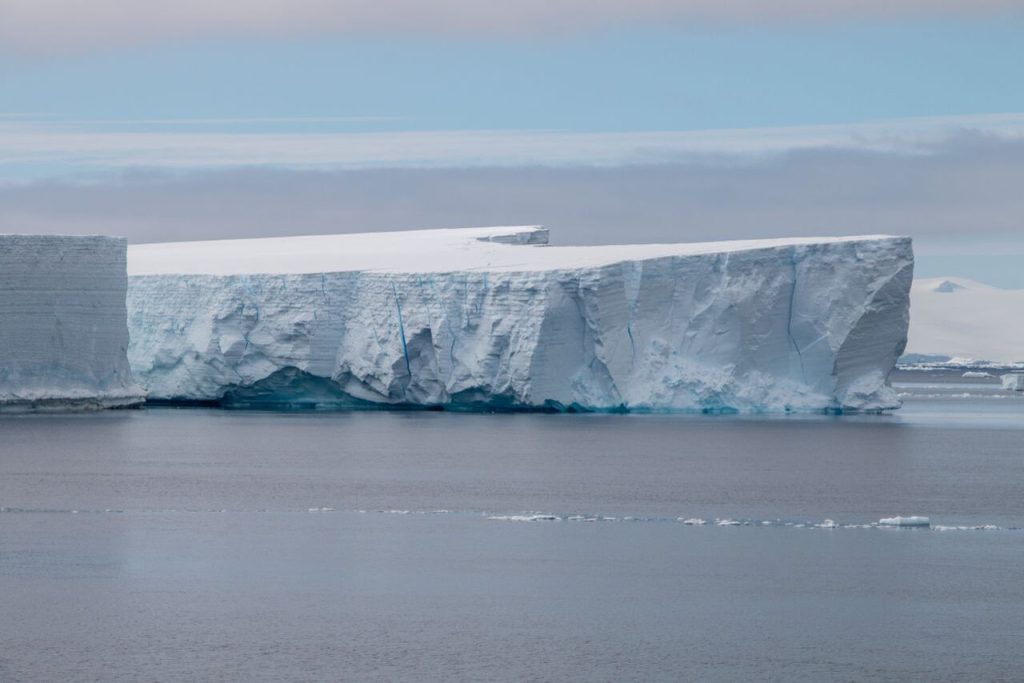
An enormous block of Antarctic ice has spent more than three years drifting through the Southern Ocean, eventually reaching the waters near South Georgia, a remote island in the South Atlantic. Known as Iceberg A-81, the giant separated from Antarctica’s Brunt Ice Shelf in January 2023 and began a journey shaped by ocean currents and the changing conditions around the continent. By May 2026, it had reached the tip of the Antarctic Peninsula before moving north into the Scotia Sea. By late October 2026, it had approached South Georgia, approximately 1,400 miles (2,300 kilometers) north-northwest of its original location. NASA’s Terra satellite captured an image of the iceberg on October 20, revealing its position near the island’s underwater shelf. Although A-81 has traveled a considerable distance, reaching South Georgia does not necessarily mean it has completed its journey. The island’s underwater terrain can slow icebergs or leave them temporarily grounded, and A-81’s recent slowdown suggests that the surrounding seafloor may influence its next movements.
The Massive Iceberg Covers Approximately 600 Square Miles

Iceberg A-81 is remarkable not only because of its long journey but also because of its enormous size. When it broke away from the Brunt Ice Shelf in January 2023, it covered approximately 1,550 square kilometers, or 600 square miles. That is an area larger than many major cities, making the iceberg a substantial feature of the Southern Ocean landscape. Its size also helps explain why scientists can track it in satellite imagery as it travels across remote waters. However, a large iceberg does not necessarily move quickly or follow a straight route. A-81 spent more than three years in the Weddell Sea, carried along the Antarctic coastline by ocean circulation before reaching the Antarctic Peninsula and continuing northward. Icebergs also change over time as waves, warmer water and other environmental forces gradually erode their submerged and exposed sections. Its original measurements therefore should not be mistaken for its current dimensions. The iceberg’s progress and changing shape provide scientists with useful observations of how enormous pieces of floating glacial ice behave after separating from an Antarctic ice shelf.
Ocean Currents Helped Carry A-81 Northward
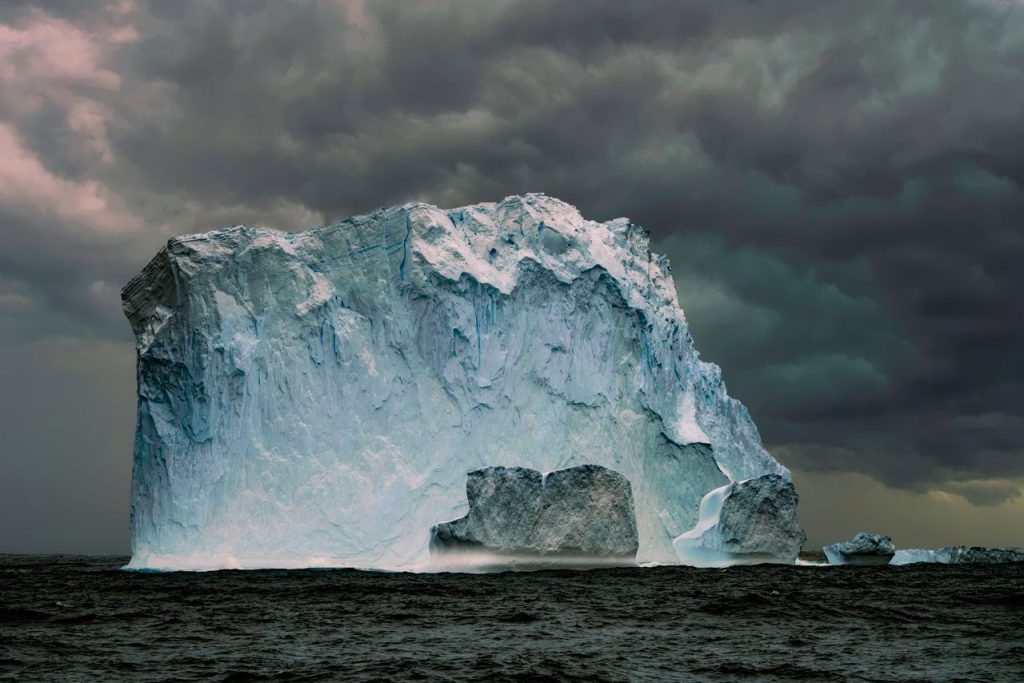
The movement of an iceberg depends heavily on the water surrounding it, and A-81’s journey offers a clear example of how ocean currents can influence the path of floating ice. After breaking away from the Brunt Ice Shelf, the iceberg spent more than three years in the Weddell Sea, where the clockwise-flowing Weddell Gyre carried it along the Antarctic coast. This large circulation system moves water around the Weddell Sea and plays an important role in transporting icebergs through the region. By May 2026, A-81 had reached the tip of the Antarctic Peninsula. It subsequently moved north into the Scotia Sea, bringing it closer to South Georgia. The route was not necessarily a direct or uninterrupted journey, since ocean circulation, winds and interactions with underwater terrain can all influence an iceberg’s movement. Some Antarctic icebergs remain near their original ice shelves for decades, while others eventually drift into waters farther north. A-81 has followed the latter path, demonstrating how floating ice can travel thousands of kilometers from the place where it first separated from Antarctica.
South Georgia’s Underwater Shelf Has Slowed the Iceberg
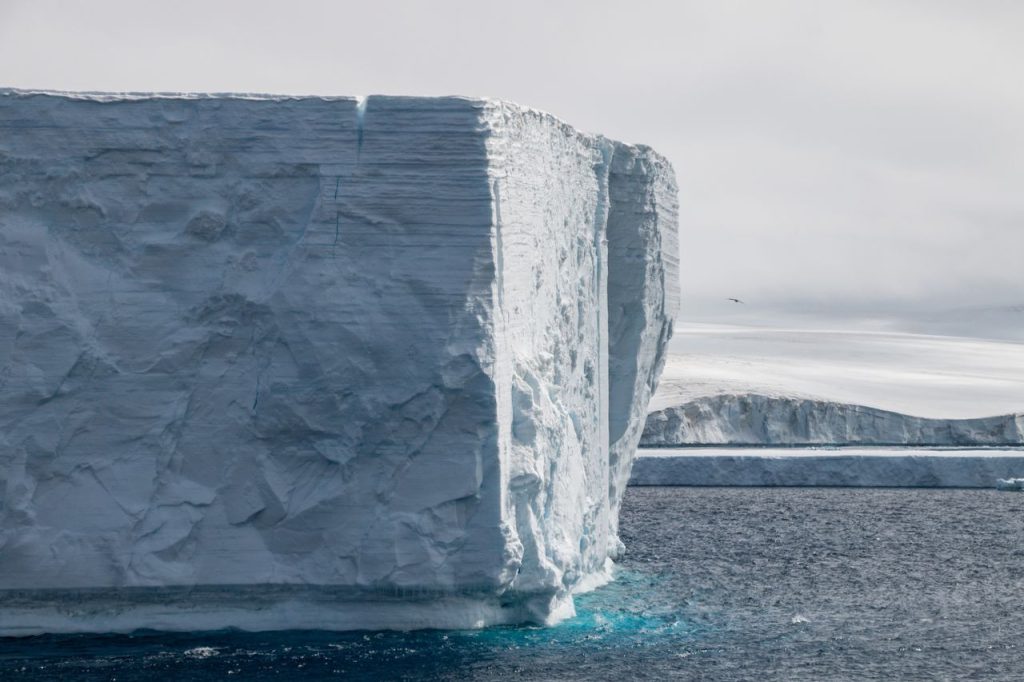
The waters surrounding South Georgia may present A-81 with a significant obstacle, even after its long journey away from Antarctica. NASA satellite imagery captured on October 20, 2026, showed the iceberg near the edge of the island’s shallow underwater shelf. In the days leading up to the observation, its movement had slowed noticeably. Jan Lieser of Australia’s Bureau of Meteorology and Christopher Shuman, a retired researcher from the University of Maryland, reported that the iceberg appeared to be bumping along the shelf’s edge. Underwater shelves can interfere with the movement of large icebergs when their deep submerged portions encounter shallower seafloor terrain. South Georgia has slowed other icebergs in the past. In 2025, the enormous iceberg A-23A ran aground on the island’s underwater shelf before eventually breaking apart. That history makes A-81’s current position particularly interesting to researchers, although its eventual fate remains uncertain. It could continue moving northward, become temporarily grounded or experience further changes as it encounters ocean currents and surrounding terrain. Satellite monitoring will help scientists follow its progress and observe how the iceberg responds to these conditions.