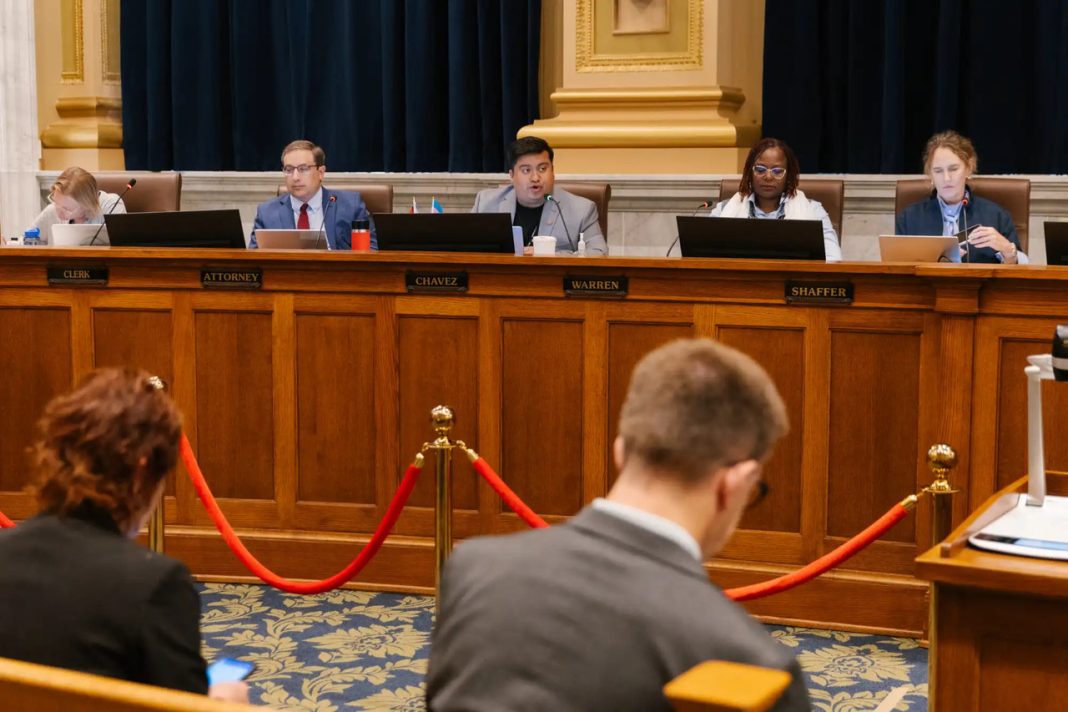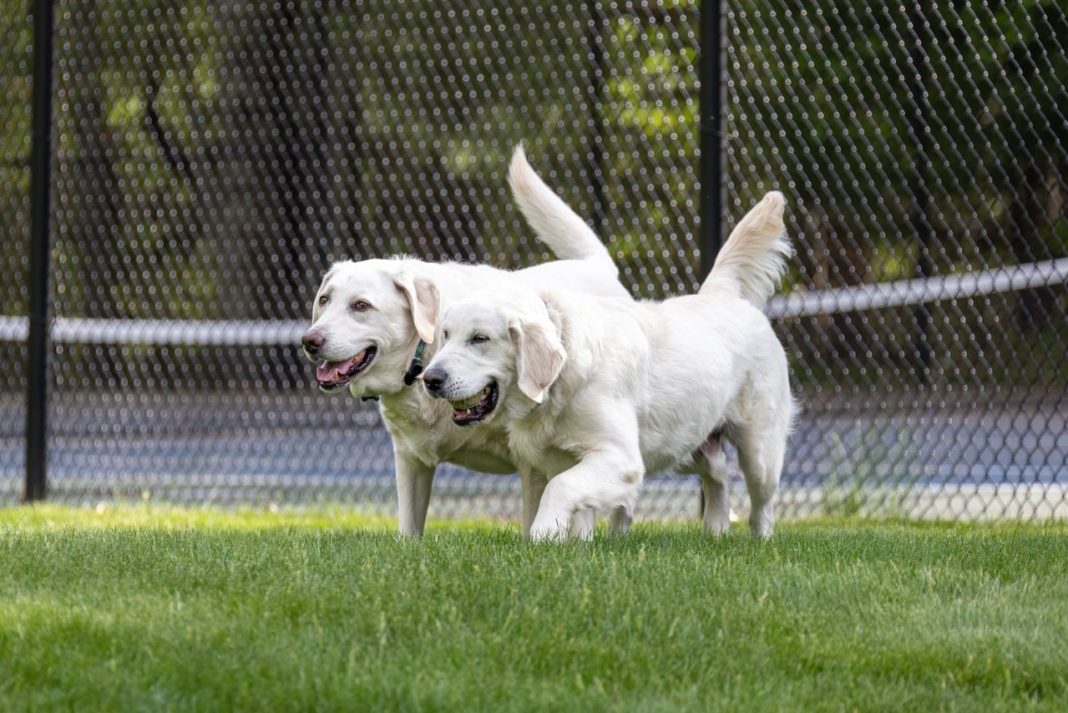

Minneapolis dog owners who frequent Minnehaha Dog Park will need to prepare for a major change this December. The Minneapolis Park and Recreation Board plans to end off-leash access on December 21, 2026, citing the site’s cultural and spiritual significance to Dakota people. While leashed dogs and other visitors can still access the area, owners will need to explore alternative off-leash locations. Here’s what to know about the closure, permit options, and plans for future dog recreation spaces.
Minnehaha Dog Park’s Off-Leash Access Ends on December 21, 2026
Dog owners who regularly visit Minnehaha Dog Park will need to adjust their routines before the end of the year. The Minneapolis Park and Recreation Board has confirmed that the off-leash recreation area will close to off-leash use on December 21, 2026. The decision follows a June 17, 2026, board resolution directing staff to discontinue off-leash activities at the site by December 31 at the latest, or sooner if feasible. The earlier December 21 date is now the scheduled closure date. Until then, visitors can continue using the area under the existing rules. Owners should plan ahead, particularly if Minnehaha is their regular destination for exercise and socialization with their dogs. The change affects how dogs may use this particular area, rather than closing the entire park to visitors.
The Park Will Remain Open for Leashed Dogs and Other Visitors
Although the change will affect regular off-leash visitors, dog owners will not lose access to Minnehaha altogether. After December 21, 2026, the former dog park area will remain open to the public, with dogs permitted on leashes. Visitors will still be able to walk through the area and enjoy Minnehaha Regional Park, but they will need to keep their pets leashed instead of allowing them to roam freely. This distinction is important because the board’s decision concerns off-leash recreation, not the complete closure of the land. Owners should prepare to follow the new arrangement and remember that Minneapolis generally requires dogs to remain leashed outside designated off-leash areas. Anyone who wants to give their dog more freedom to run and play will need to visit another designated dog park after the change takes effect.
The Decision Reflects the Site’s Cultural and Spiritual Significance to Dakota People
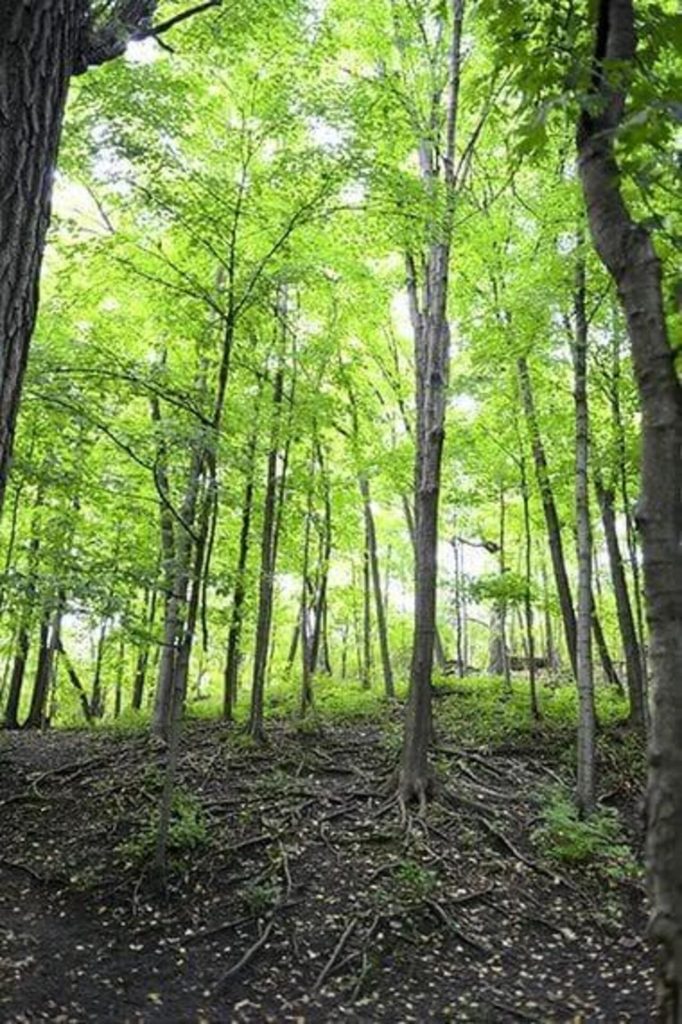
The closure is rooted in a broader effort to respect the historical and cultural importance of the land surrounding Mni Owe Sni, also known as Coldwater Spring. The area holds deep cultural, spiritual, historical, and archaeological significance for Dakota people and other Tribal Nations. The Minneapolis Park and Recreation Board reviewed information from Dakota representatives, archaeologists, the National Park Service, the Minnesota Historical Society, and other partners before deciding that continued off-leash recreation was incompatible with the site’s significance. Concerns include dogs digging into the ground, creating informal trails, and disturbing sensitive cultural and archaeological resources. Dakota community members have also explained that dogs are generally not appropriate in ceremonial spaces because of their spiritual importance. The board’s decision reflects its responsibility to manage public land while respecting Indigenous history and protecting places of lasting cultural importance.
A New Off-Leash Dog Park Is Planned for Solomon Park
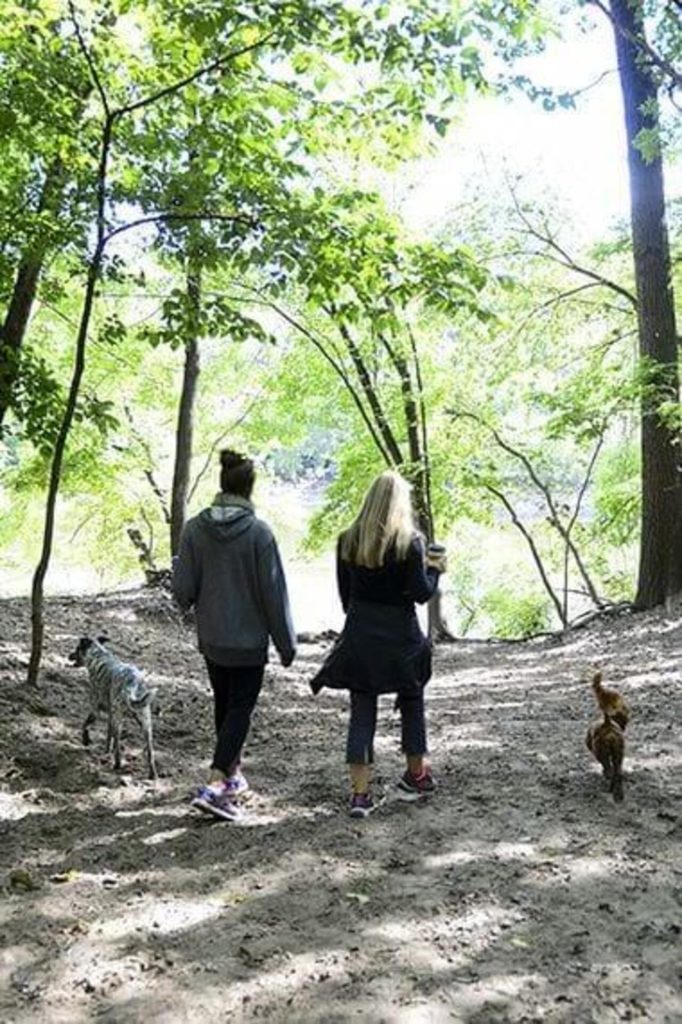
For dog owners who want an alternative to Minnehaha, Solomon Park is emerging as an important part of the city’s response. The Minneapolis Park and Recreation Board plans to begin community engagement and design work for a new off-leash area there, with engagement expected to start in November 2026. The project aims to provide another place for dogs to exercise off leash, particularly for residents in or near District 5 who may be most affected by Minnehaha’s closure. Space for a dog park at Solomon Park was included in the 2016 South Service Area Park Plan, giving the proposal an existing planning foundation. However, the new facility’s opening date has not been established, so owners should not assume it will be ready when Minnehaha stops allowing off-leash use. Community feedback will help shape the proposed park’s design and amenities.
Existing Off-Leash Permits Will Remain Valid at Other Minneapolis Dog Parks
A change in one park does not mean dog owners must purchase a new permit to use another designated off-leash area. The Minneapolis Park and Recreation Board has confirmed that existing off-leash permits remain valid at its other dog parks. These alternatives include Dinky, Franklin Terrace, Gateway, Lake of the Isles, Loring Park, Lyndale Farmstead, St. Anthony Parkway, and Victory Prairie. Owners can explore these locations and choose one that fits their daily routine, travel distance, and dog’s exercise needs. Minneapolis residents should also remember that a city pet license is required for each dog before applying for an off-leash permit, and dogs must meet the applicable vaccination requirements. Owners whose only dog park is Minnehaha are expected to receive an email in November explaining available refund options. Checking the park board’s official updates will help visitors understand their choices before the closure takes effect.
Community Input Will Help Shape Future Off-Leash Recreation Options
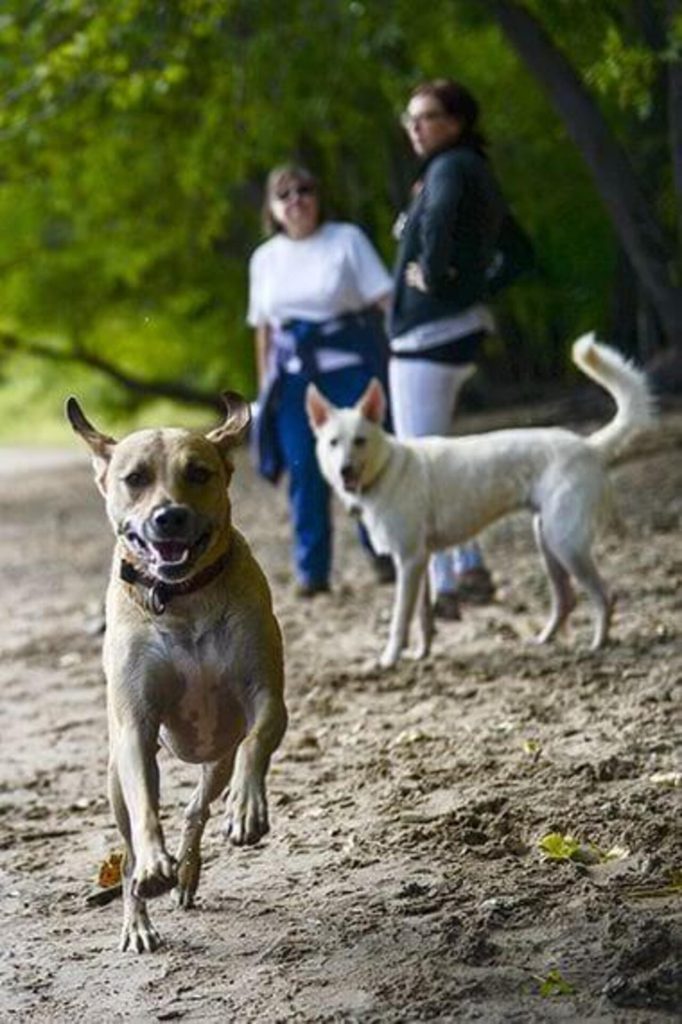
Minnehaha’s closure is part of a wider discussion about where Minneapolis residents and their dogs can enjoy off-leash recreation in the future. The park board plans to gather community feedback for the proposed Solomon Park dog park, while a separate citywide planning process is expected to begin in 2027 and beyond. That broader effort may examine expanding existing dog parks, developing locations already identified in park plans, adding new facilities and amenities, and improving dog-related recreation programs. Residents will have opportunities to contribute to these discussions as project timelines and engagement details become available. For people who relied on Minnehaha, this is a chance to explain what matters most in a replacement facility, including accessibility, layout, and features for dogs and their owners. However, future locations and improvements have not all been finalized, so visitors should follow official park board announcements rather than assume additional facilities will be available immediately.