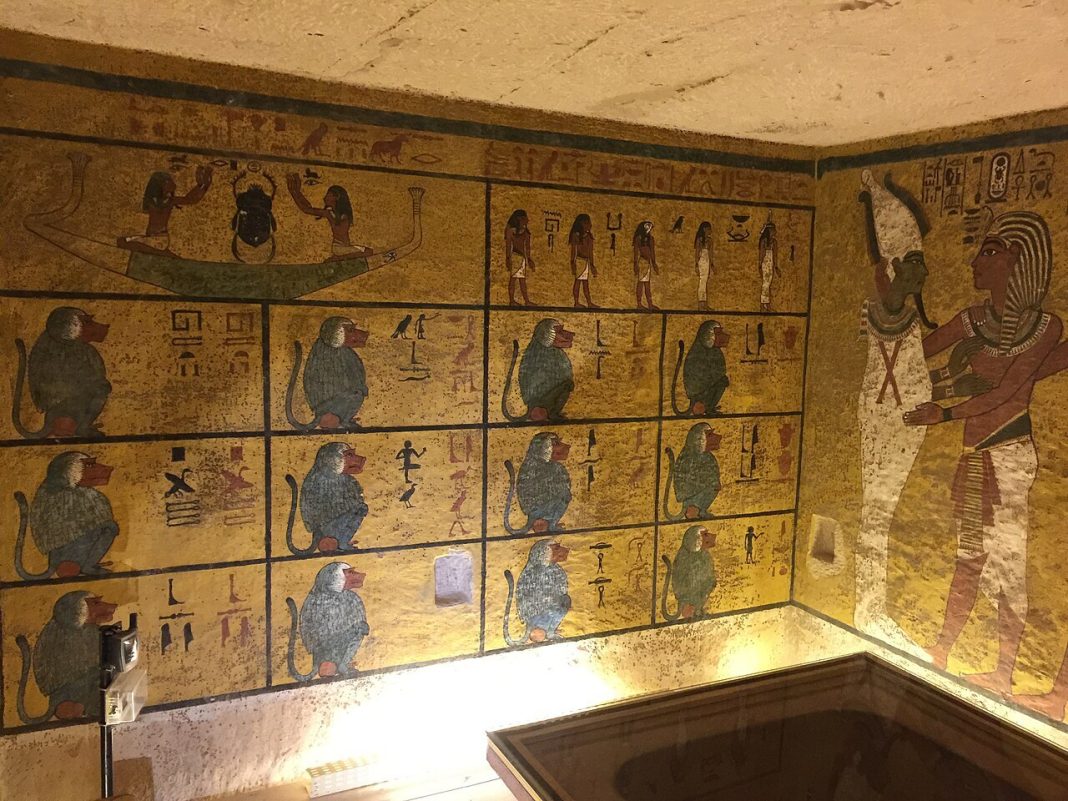

On November 4, 1922, archaeologist Howard Carter uncovered a staircase buried beneath the sands of Egypt’s Valley of the Kings. It was the first major clue leading to the tomb of Tutankhamun, one of ancient Egypt’s most famous pharaohs. What followed was an extraordinary sequence of discoveries, from sealed doorways and rooms filled with treasures to the young king’s elaborate burial chamber. The excavation would become a landmark moment in archaeological history.
Howard Carter Discovered the First Step on November 4, 1922
One small step in the desert changed the course of archaeological history. On November 4, 1922, British archaeologist Howard Carter’s excavation team uncovered the top of a staircase cut into the bedrock of Egypt’s Valley of the Kings. The workers had been clearing ancient workmen’s huts and debris near the tomb of Pharaoh Ramses VI when they came across the unexpected feature. Carter had spent years searching the valley for the burial place of Tutankhamun, working with financial support from Lord Carnarvon. By this point, the search had produced little success, and Carnarvon had considered ending the project. The staircase offered a reason to continue. As more material was cleared, a flight of steps leading downward began to emerge. It was the first physical sign that Carter’s long search might finally have paid off. The discovery did not immediately reveal whose tomb lay below, but it marked the beginning of an excavation that would become one of the most famous in history.
An Ancient Sealed Doorway Confirmed the Discovery of a Tomb
The staircase was only the beginning. By November 5, Carter’s team had cleared enough debris to expose a plastered doorway at the bottom, bearing the seal of the royal necropolis. One of its distinctive impressions showed the jackal god Anubis above nine bound captives, a symbol associated with the protection of royal burial grounds. The doorway appeared to have remained sealed since antiquity, although the passage behind it contained rubble. Carter recognized the importance of the discovery and made a careful decision. Rather than continue opening the entrance without his financial backer present, he covered the opening again and secured the site. He then sent Lord Carnarvon a telegram in England announcing that he had made a magnificent discovery in the Valley of the Kings and found a tomb with its seals intact. Carnarvon quickly made arrangements to travel to Egypt. When the entrance was uncovered further, impressions of Tutankhamun’s cartouche provided the crucial identification. The evidence now pointed to the long-sought burial place of the young pharaoh.
Carter Finally Looked Inside on November 26 and Found Extraordinary Treasures
After years of searching, Carter finally saw what lay inside the tomb on November 26, 1922. Lord Carnarvon had arrived in Egypt with his daughter, Lady Evelyn Herbert, and the excavation team resumed clearing the entrance. Workers removed the blocking stones and emptied a passage filled with rubble before reaching another sealed doorway. Carter made a small opening, checked the air with a candle, and peered into the darkness. As his eyes adjusted to the faint light, he began to make out statues, furniture, chariots, and objects decorated with gold. The room was the antechamber, and its contents were far more extensive than the team could have imagined. Among the objects were gilded couches, ornate chests, ceremonial furniture, and two dark statues of the king. The discovery was not simply a room filled with scattered treasure. It was an extraordinary collection of objects that offered a glimpse into royal life, burial customs, craftsmanship, and beliefs about the afterlife during ancient Egypt’s 18th Dynasty. The team soon began the painstaking work of documenting and preserving thousands of objects before removing them.
The Burial Chamber Was Opened in February 1923 Before Tragedy Struck
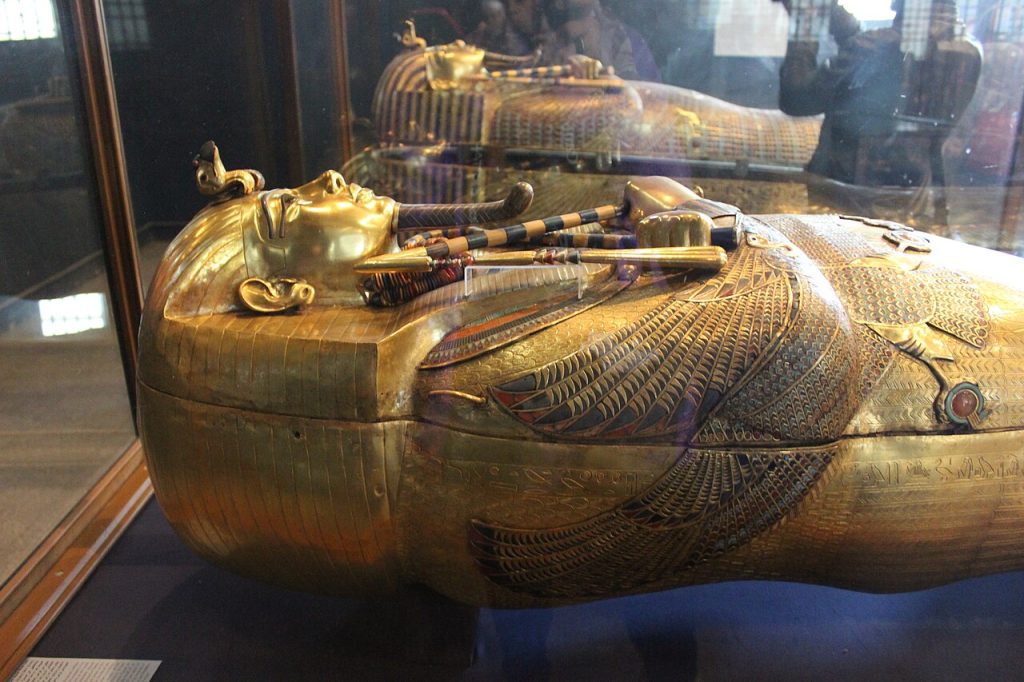
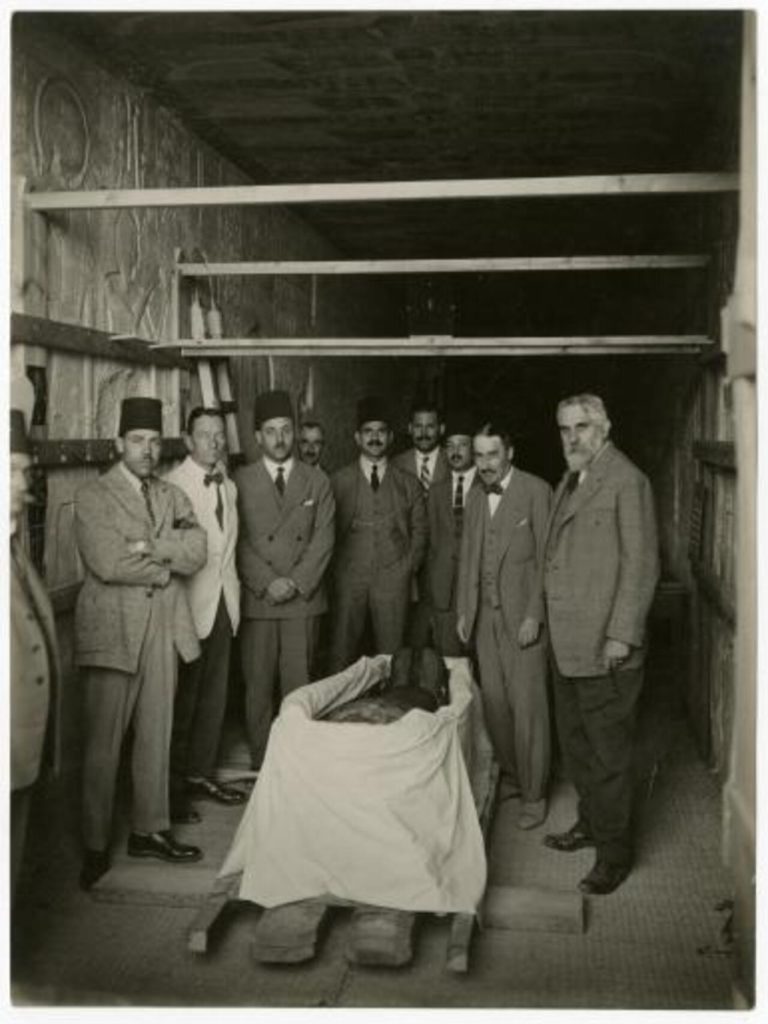
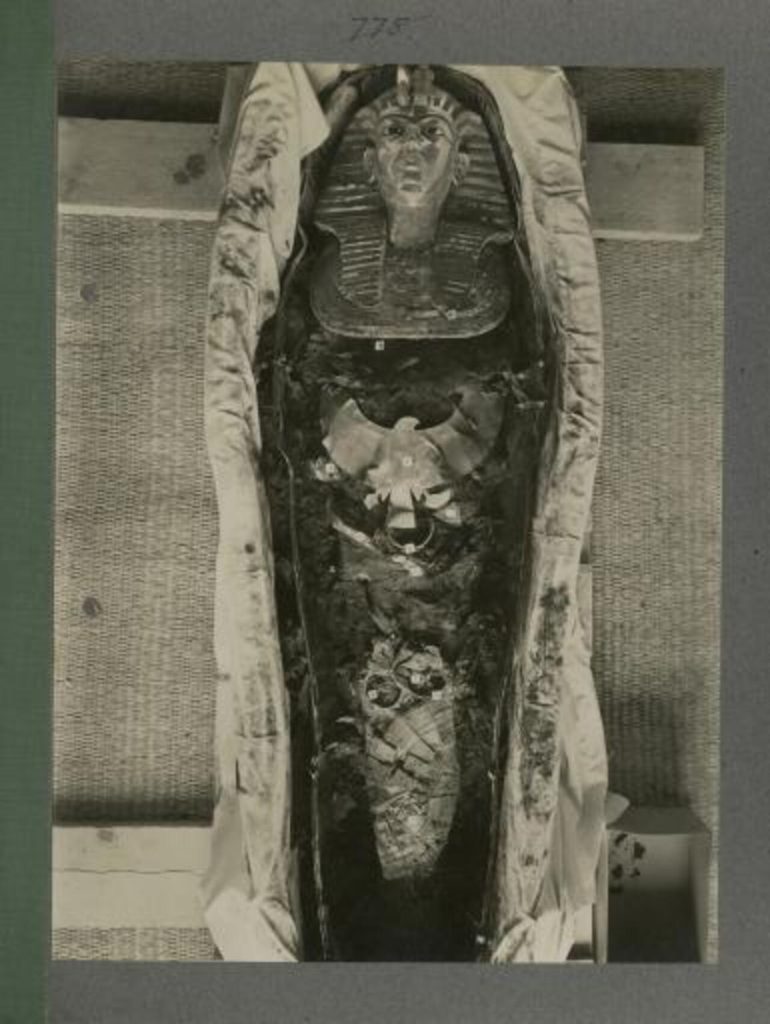
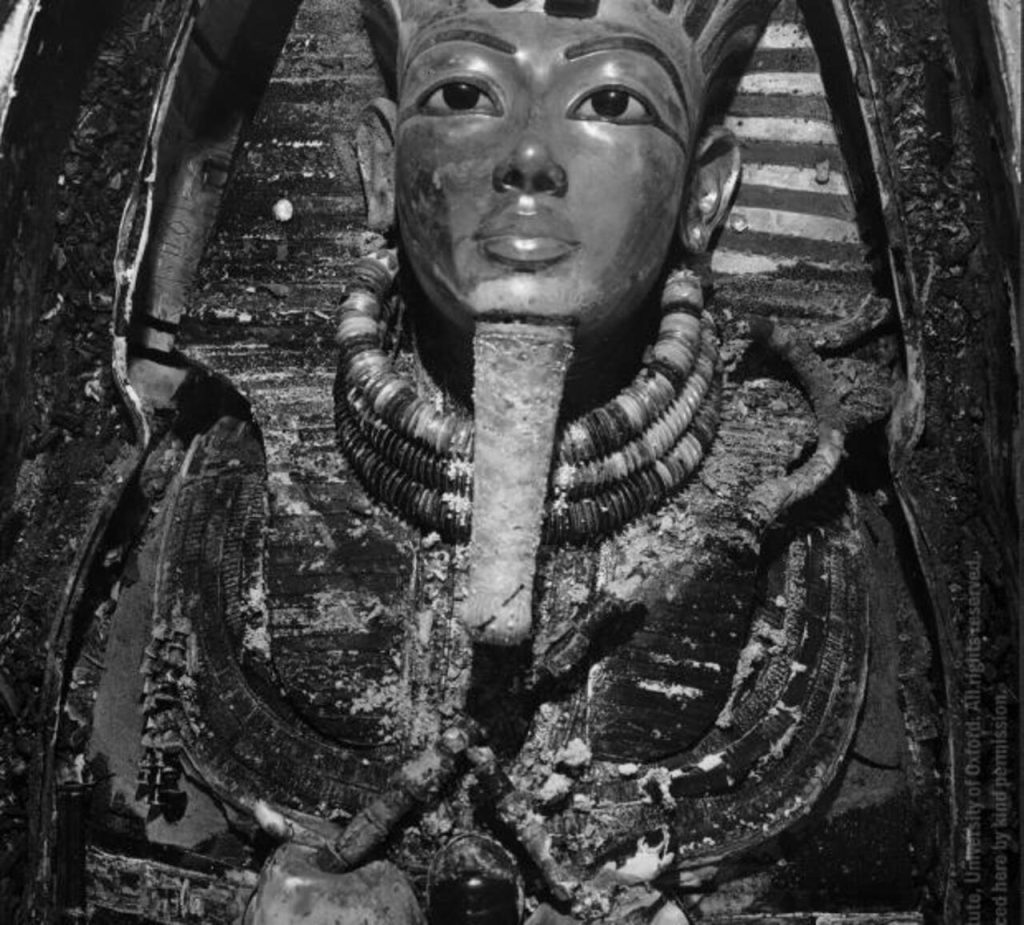
The first glimpse into Tutankhamun’s tomb revealed only part of the story. Behind a sealed doorway in the antechamber lay the burial chamber, which Carter and his team officially opened on February 16, 1923, in the presence of Egyptian officials and other invited guests. Inside stood four large gilded wooden shrines fitted one inside another, protecting the royal sarcophagus at the center. The chamber’s painted walls also distinguished it from the antechamber, with scenes and figures connected to the pharaoh’s journey into the afterlife. Opening the chamber was a major milestone, but it did not mean the excavation was finished. The team still had to record, photograph, conserve, and carefully remove the objects, a process that required several more years of work. Lord Carnarvon, whose financial support had made the search possible, did not live to see the project through. He died in Cairo on April 5, 1923, after becoming ill. His death helped fuel later stories about a supposed pharaoh’s curse, although there is no reliable evidence that the tomb was responsible. Carter continued the excavation, turning the discovery into one of archaeology’s most important long-term projects.