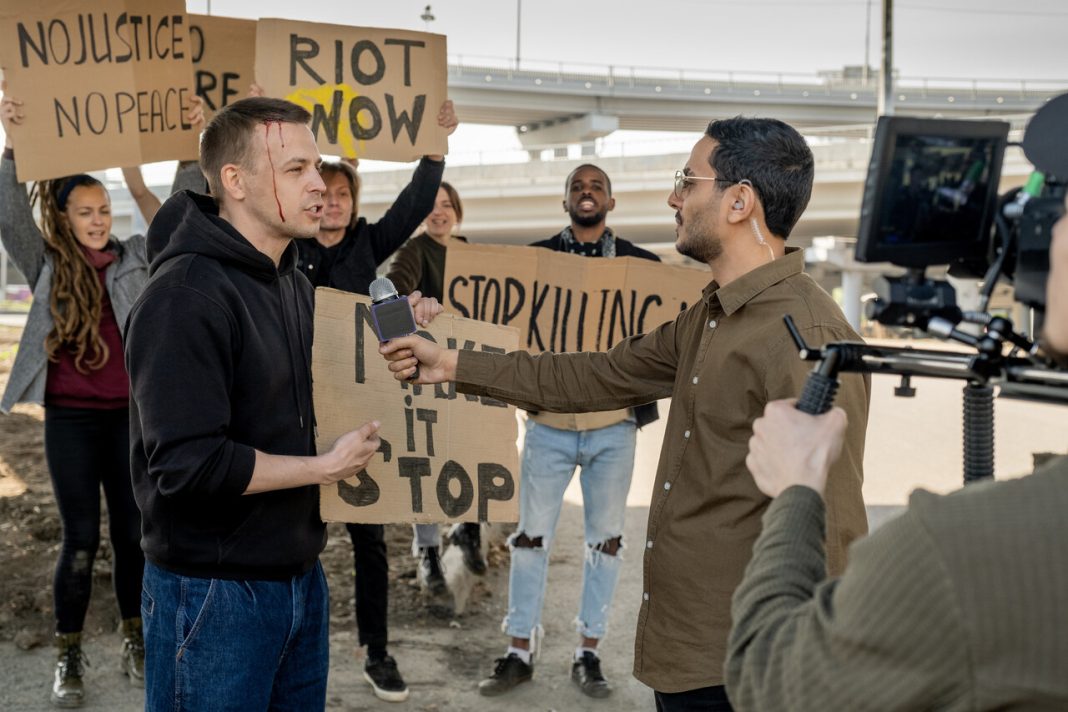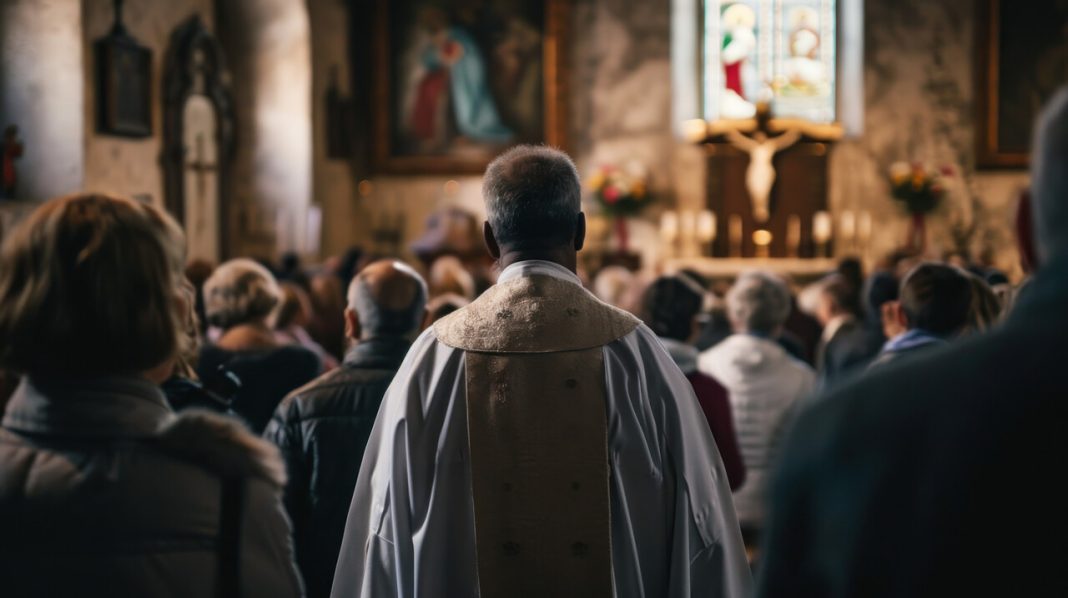

A disrupted church service in St. Paul has sparked a wider conversation about where protest rights end and worshippers’ rights begin. When demonstrators entered a Sunday service to protest federal immigration enforcement, the interruption rattled congregants and drew swift condemnation from Christian leaders across Minnesota and beyond. While many faith leaders say they share concerns about immigration policy and human dignity, they argue that houses of worship must remain protected spaces where people can gather without fear or disruption. The incident has now pulled churches, activists, and government officials into a difficult debate over free expression, religious liberty, and the boundaries of protest.
When Worship Was Interrupted in St. Paul
In mid-January, what should have been a routine Sunday service at Cities Church in St. Paul turned into a moment of turmoil as roughly three dozen protesters walked into the sanctuary during worship. The demonstrators, upset over federal immigration enforcement actions and the role of one of the church’s pastors in local ICE operations, loudly chanted slogans including “ICE out” and “Renee Good,” a reference to a woman killed by an Immigration and Customs Enforcement agent in Minneapolis earlier that month. Their presence was disruptive enough that the service was cut short, leaving worshippers stunned and unsettled in a space normally reserved for reflection and prayer.
Church leaders later described the experience as deeply distressing for families, children, and seniors who had gathered to worship. The disruption happened inside a nearly century-old stone church near a college campus, amplifying the shock for a congregation unaccustomed to protests inside its walls. While civil disobedience has a long history in the United States, actions that interrupt religious services remain rare and controversial, prompting wider conversations about boundaries in protest tactics.
The Reaction From Faith Leaders
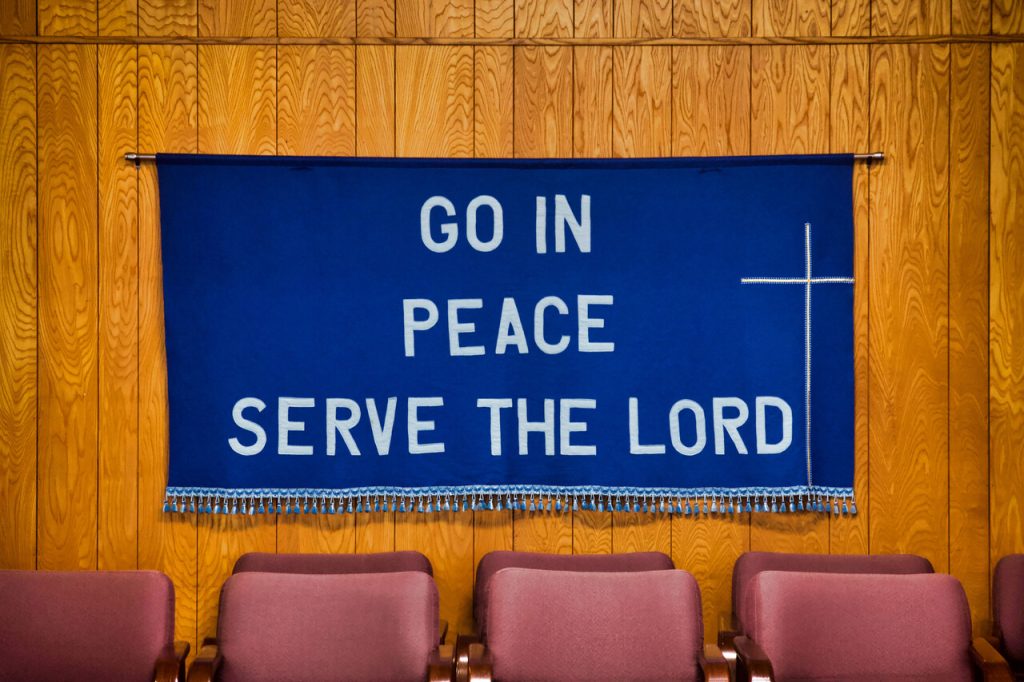
Christian leaders from across Minnesota and beyond reacted swiftly to condemn the interruption of the service, urging that the rights of worshippers be protected even amid political passions. Leaders of the Minnesota-Wisconsin Baptist Convention labeled the disruption “an unacceptable trauma,” emphasizing that families should be able to worship free from intimidation and fear. They also stressed the need for churches to care compassionately for migrant families while upholding the sanctity of religious space.
Statements from faith groups highlighted a dual concern: protecting the physical and spiritual safety of worshippers, and maintaining a pastoral emphasis on compassion for all, including migrants. Trey Turner, head of the state Baptist convention, urged churches to stand firm for worship rights while continuing to provide pastoral care to migrants in need. Other denominational leaders echoed these sentiments, stressing that protest tactics should never cross into what they view as harassment or desecration of sacred gatherings. The united voice from various Christian communities underscored how seriously they view the protection of houses of worship, even as debates over immigration enforcement continue.
Legal and Government Response
The federal government responded to the church disruption with legal scrutiny. The U.S. Department of Justice opened a civil rights investigation and signaled that potential charges could be pursued against those involved, citing federal protections for access to places of worship. Justice Department officials framed interference with religious services as a possible violation of civil rights laws, emphasizing that sacred spaces are not public forums for protest actions. Attorney General Pam Bondi publicly announced the arrest of leaders involved in the disruption, including prominent activist Nekima Levy Armstrong and others who allegedly played key roles in organizing the protest.
Federal law invoked in related actions includes statutes designed to protect religious practice from intimidation and obstruction, which carry serious legal consequences. Multiple arrests were made in the aftermath of the event, reflecting the government’s commitment to enforcing these protections. However, the legal response also sparked debate about prosecutorial focus, particularly as arrests of individuals connected to the protest included both organizers and, in some cases, journalists who were present during the service interruption. These developments highlighted tensions between free expression and legal rights tied specifically to religious assembly.
The Broader Debate Within Christianity
The incident at Cities Church laid bare broader debates within Christian communities about how faith intersects with social and political issues like immigration. Christians are not monolithic in opinion; within denominations and across the spectrum of belief, there are divisions over how to respond to issues like enforcement policy, migrant rights, and public witness. Some Christians emphasize a pastoral focus on welcoming the stranger and advocating for humane policy. In contrast, others stress lawfulness and order, viewing certain enforcement actions as necessary even as they seek solutions that respect human dignity.
These internal debates also touch on tactics for public engagement. Historic examples of religious protest in the U.S. show that settings of worship and faith communities have occasionally been sites of direct action. Yet many religious leaders contend that churches should generally remain spaces where political conflict is kept at a respectful distance so worshippers are not traumatized or turned away. The Cities Church incident catalyzed deeper reflection and discussion about where to draw those lines, between prophetic witness and protection of sacred space, without diminishing the urgency of justice concerns that many Christians care about deeply.
What This Means for Worship and Free Expression
In the aftermath of the interruption, conversations about protecting worshippers’ rights have extended beyond Minnesota into broader questions about the balance between free expression and respect for religious practice. Faith leaders and legal experts alike note that while the First Amendment protects both freedom of speech and freedom of religion, actions that disrupt religious observance raise complex constitutional and ethical questions. The protests at Cities Church underscore the challenge of safeguarding spaces where people gather to worship while still allowing robust civic dialogue on contentious issues like immigration.
Churches across the country are now considering how to strengthen security, clarify expectations for public interaction, and reaffirm their roles as spaces for spiritual engagement rather than political battlegrounds. At the same time, advocates for protest rights emphasize that civic expression is vital, especially in the face of policies viewed as unjust. The task facing both communities and lawmakers is to find ways to respect the sanctity of worship while honoring the commitment to free speech. This delicate balance has been tested in St. Paul and will likely continue to shape debates about religion, rights, and public protest in the months ahead.
References
- Christian leaders urge protecting worshippers’ rights after protesters interrupt service – apnews.com
- Christian leaders urge protecting worshippers’ rights after protesters interrupt service – mprnews.org
- Christian leaders urge worshippers’ rights after protesters interrupt service – politico.com