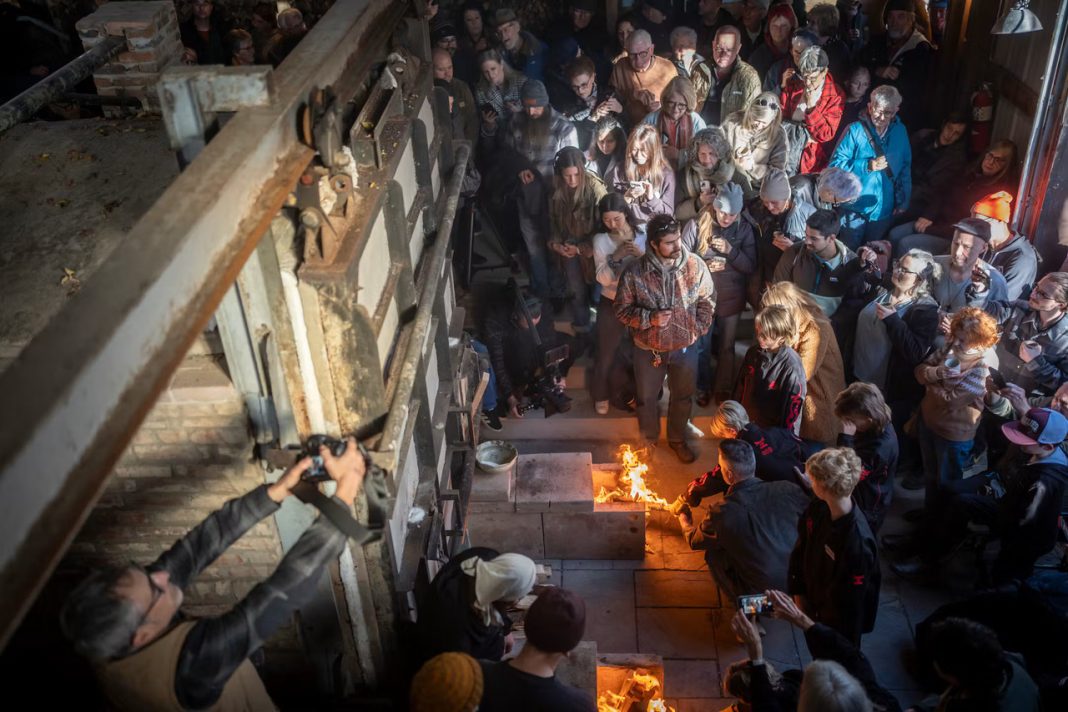

A pottery kiln that has been fired just 18 times in more than three decades might sound unusual, but the Johanna Kiln at Saint John’s University in Collegeville, Minnesota, is anything but ordinary. Built by master potter Richard Bresnahan, the enormous wood-burning structure requires months of preparation before its fires are lit. Thousands of pottery pieces must be carefully arranged, large quantities of firewood need to be prepared, and a dedicated crew must keep the flames burning around the clock for days. Even after the firing ends, the pottery needs weeks to cool before workers can unload it. The process is a remarkable blend of traditional craftsmanship, patience, teamwork, and careful observation. Here’s why each firing takes so long and what makes this Minnesota kiln so extraordinary.
The Johanna Kiln Has Been Fired Just 18 Times Since 1995
Some works of art take years to complete, but the Johanna Kiln at Saint John’s University in Collegeville, Minnesota, takes that idea to another level. Designed and built by master potter Richard Bresnahan with help from apprentices and volunteers, the enormous wood-burning structure was first fired in October 1995. Its October 2026 firing marked the 18th time it had been used, making each firing a significant event for the pottery community. Stretching 87 feet long, the brick kiln is recognized as the largest wood-fueled pottery kiln in North America. It can hold as many as 12,000 pieces of pottery and sculpture, making it far larger than an ordinary studio kiln. Its name honors Sister Johanna Becker, an Asian art historian and Benedictine nun who became an important mentor to Bresnahan. She helped shape his understanding of Asian pottery traditions and supported his development as an artist. The kiln also reflects the knowledge he gained during a nearly three-and-a-half-year apprenticeship with the Nakazato pottery family in Japan. Its infrequent use is not simply a matter of scheduling. Preparing the wood, processing natural materials, arranging thousands of objects, and coordinating the people needed to operate it require an extraordinary investment of time. Each firing is therefore a major undertaking rather than a routine studio activity.
Loading Thousands of Pottery Pieces Takes Months

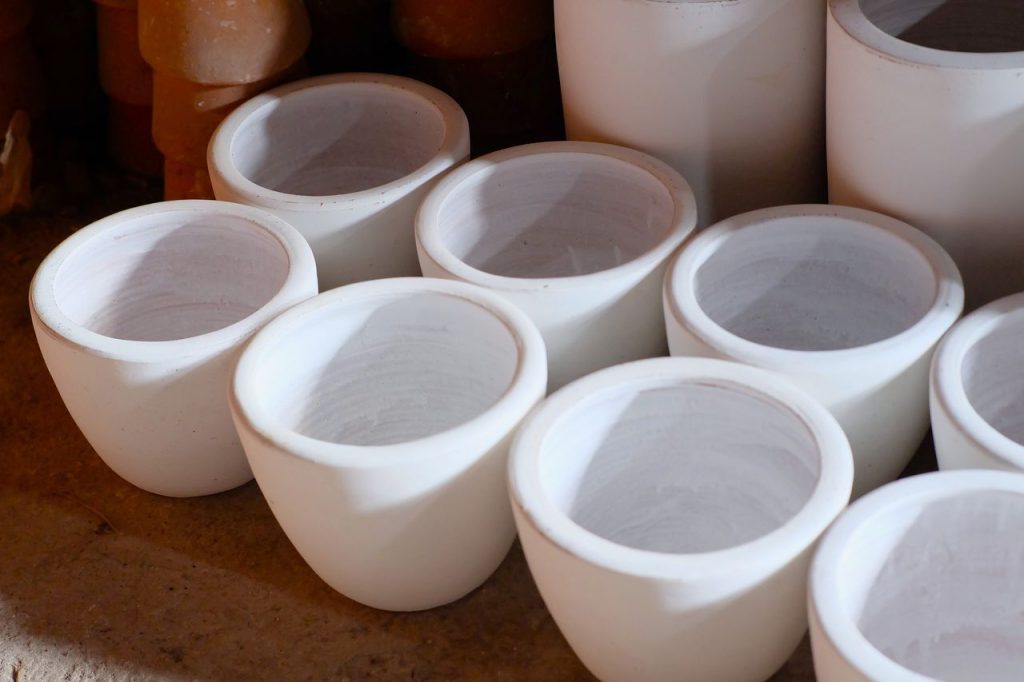
Before the first flame reaches the Johanna Kiln, an enormous amount of careful work has already taken place inside it. The structure can accommodate up to 12,000 pieces of pottery and sculpture, including work by Bresnahan, his apprentices, and visiting artists. The 2026 firing featured creations from 27 artists, with contributions representing several parts of the United States and Japan. Getting all those pieces into the kiln is a demanding process because each object must be placed with care. The kiln contains multiple chambers, and conditions can vary depending on where a piece sits. Heat, flame movement, and falling wood ash affect the surfaces and colors that develop during firing. A pot placed in one chamber may emerge with a different finish from a similar piece positioned elsewhere. This makes loading an important part of the artistic process, not simply a matter of filling available space. Apprentices can spend weeks working inside individual chambers, arranging pieces and making adjustments as the kiln gradually fills. Previous firings have required around two and a half months of loading, while the university has described the process as taking as long as nine weeks. The exact time depends on the number of pieces and the complexity of the arrangement. Since artists may entrust years of creative work to this process, every placement matters.
Keeping the Kiln Burning Requires Thousands of Logs and Round-the-Clock Work
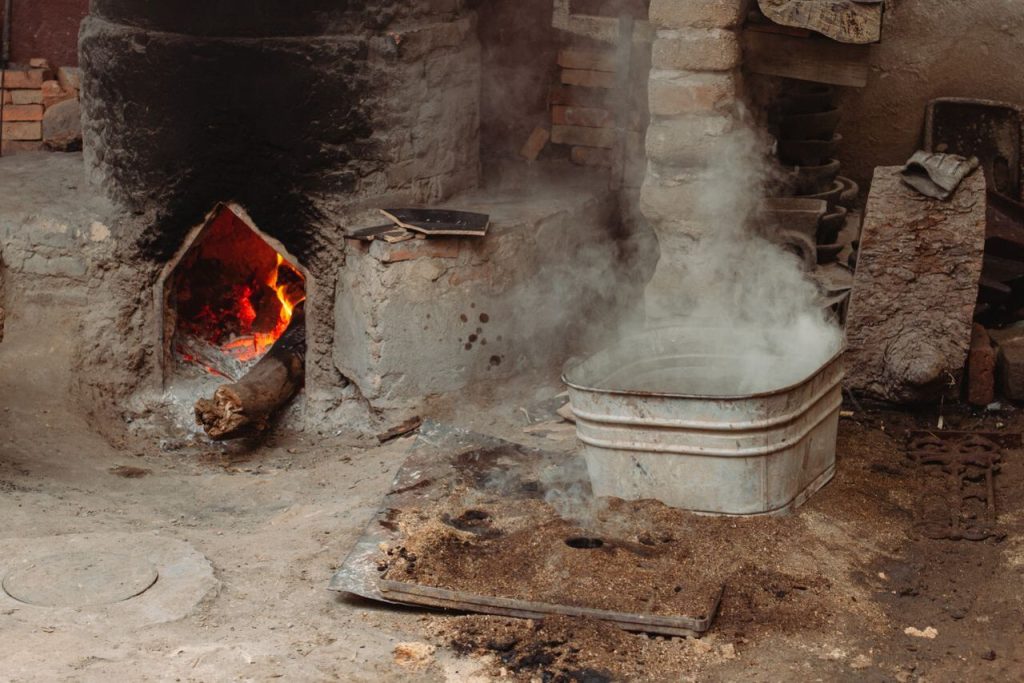
Once the kiln is loaded and sealed, the most physically demanding stage begins. The Johanna Kiln needs a continuous supply of firewood to maintain its heat, and the firing typically lasts 10 days. That means the crew must keep the flames going around the clock, including overnight, with volunteers and experienced pottery workers taking shifts. The amount of wood required is substantial. During the 2024 firing, the team used approximately 16 cords, while an earlier firing in 2019 required around 22 cords. The wood is harvested from the Saint John’s Abbey Arboretum, making the process closely connected to the university’s emphasis on using local and natural materials. Preparing that supply also takes considerable effort, as logs must be split, dried, and stacked well before the firing begins. Once burning, the kiln can reach temperatures of approximately 2,420 degrees Fahrenheit. Workers feed wood through specially designed openings and watch the flames carefully to judge how the heat is developing. This is not a process that can be controlled with a simple temperature setting. The type of wood, the way it is stoked, the arrangement of pottery, and even changes in barometric pressure can influence the final results. Bresnahan and his team interpret the color and movement of the flames to understand what is happening inside. Their experience helps guide the process, but wood firing always involves an element of uncertainty.
Cooling, Unloading, and Cleaning Continue Long After the Fire Goes Out

The end of the 10-day firing does not mean the work is finished. In fact, another lengthy stage begins once the flames are allowed to die down. The kiln must cool gradually, giving the pottery time to settle and preventing sudden temperature changes from damaging the pieces. This cooling period generally takes around two weeks, although the exact timing depends on conditions inside the kiln. Only when it is safe to open the chambers can the team begin removing the work. That moment is especially meaningful for the artists because wood firing produces unpredictable results. The combination of heat, flame, ash, and the position of each object creates finishes that cannot be fully anticipated in advance. A familiar glaze may develop unexpected colors, while ash can leave distinctive patterns across a surface. Bresnahan has compared opening the kiln to the excitement of discovering a Christmas present, because the finished object may look different from what its maker imagined. Unloading thousands of pieces is another careful operation. Workers photograph and document rows of pottery as they remove them, helping keep track of objects made by different artists. The work does not end there, either. Cleaning the kiln and preparing it for future use can take months, with previous accounts describing as long as nine months of cleaning after a firing. From the first pieces being loaded to the final cleanup, the entire process shows why this remarkable Minnesota kiln is used so rarely.