America’s Oldest Natural History Museum Has Closed. These Are the Pieces It Leaves Behind

A major chapter in American natural history has come to an end. Philadelphia’s Academy of Natural Sciences, the nation’s oldest natural history museum, has closed its public galleries just months before its 200th anniversary. Yet the museum leaves behind far more than memories of dinosaur skeletons and family visits. Its collections contain more than 19 million specimens, including rare fossils, historic plant samples, holotypes and objects connected to figures such as Thomas Jefferson and the Lewis and Clark expedition. The closure changes how the public encounters these treasures, but the scientific legacy preserved within them remains.

More Than 19 Million Specimens Still Carry the Academy’s Scientific Legacy
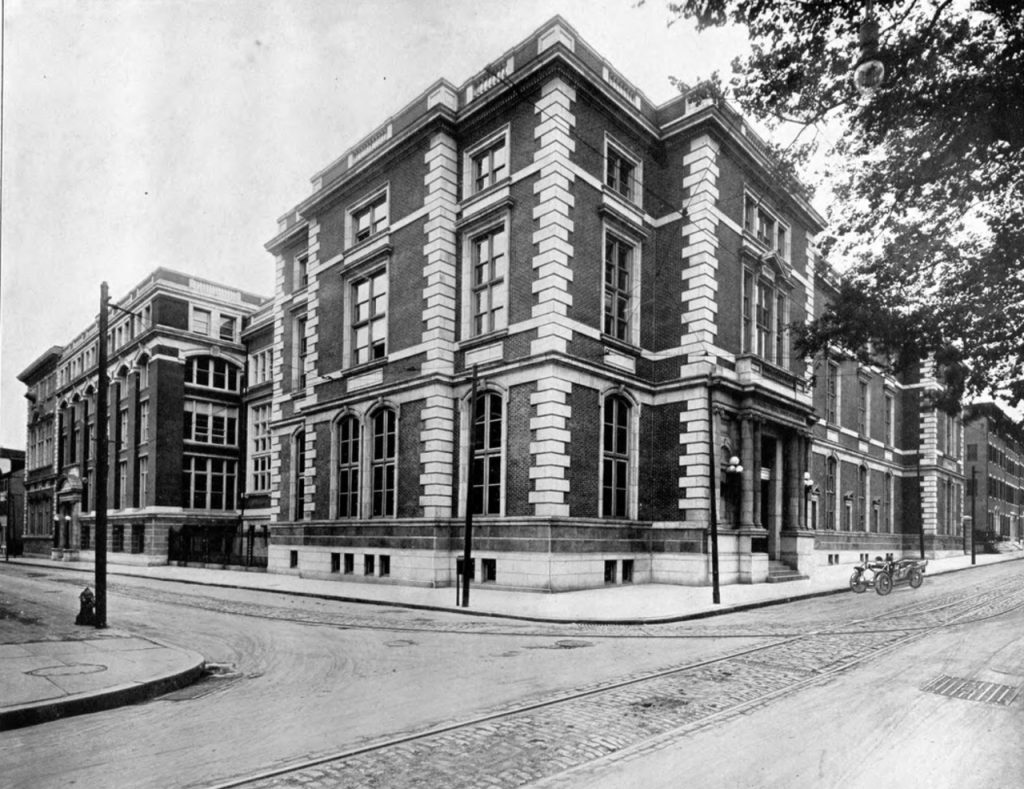
Academy’s Scientific Legacy
Academy of Natural Sciences of Philadelphia – Public Domain/Wikimedia commons

The museum may have closed its public galleries, but the Academy’s most important scientific resource has not disappeared. Its collections contain more than 19 million specimens, including birds, fish, mollusks, minerals and bones gathered over more than two centuries. Researchers use these preserved materials as records of the natural world at particular moments in history. That makes the collection especially valuable for studying how species, ecosystems and environmental conditions have changed over time. Academy leadership has said the collections, library and archives will remain available for research and education, even though public access is changing.  

Thomas Jefferson’s Fossils Preserve a Piece of Early American Science
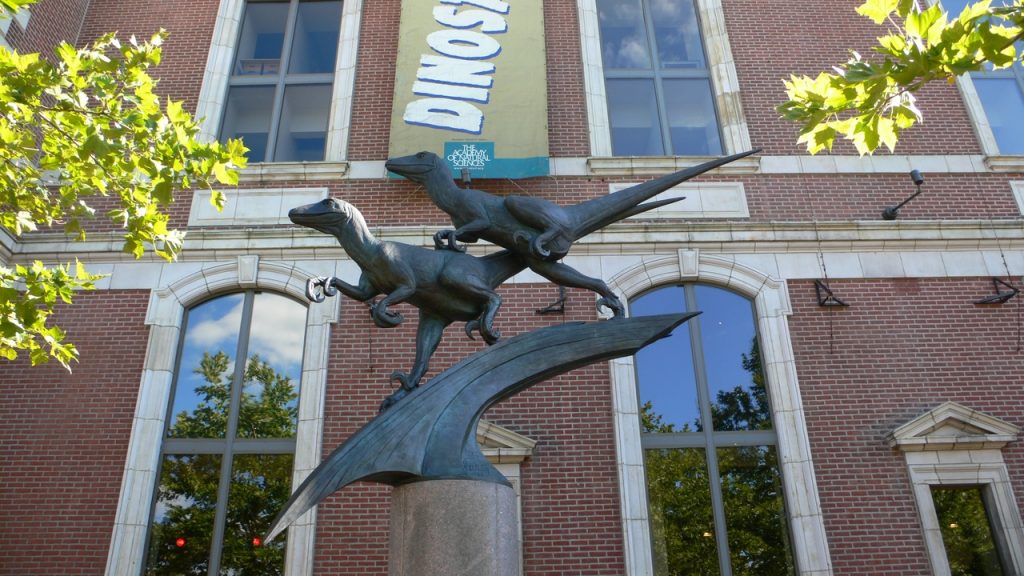
Fossils Preserve
Nelson-Pavlosky – CC-BY-SA-2.0 – Wikimedia commons

Some of the Academy’s specimens carry a second kind of importance because of the people connected to them. The collection includes Thomas Jefferson’s fossil collection, linking the institution’s scientific holdings to one of the most prominent early American figures interested in natural history. Jefferson’s interest in fossils and the natural world reflected the scientific curiosity of his era, but the specimens are valuable today for more than their historical association. They form part of a much larger research collection that scientists can use to investigate Earth’s biological and geological history. Their continued preservation ensures that this connection between early American science and modern research is not lost.  

Lewis and Clark’s Plant Samples Offer a Window Into the Past
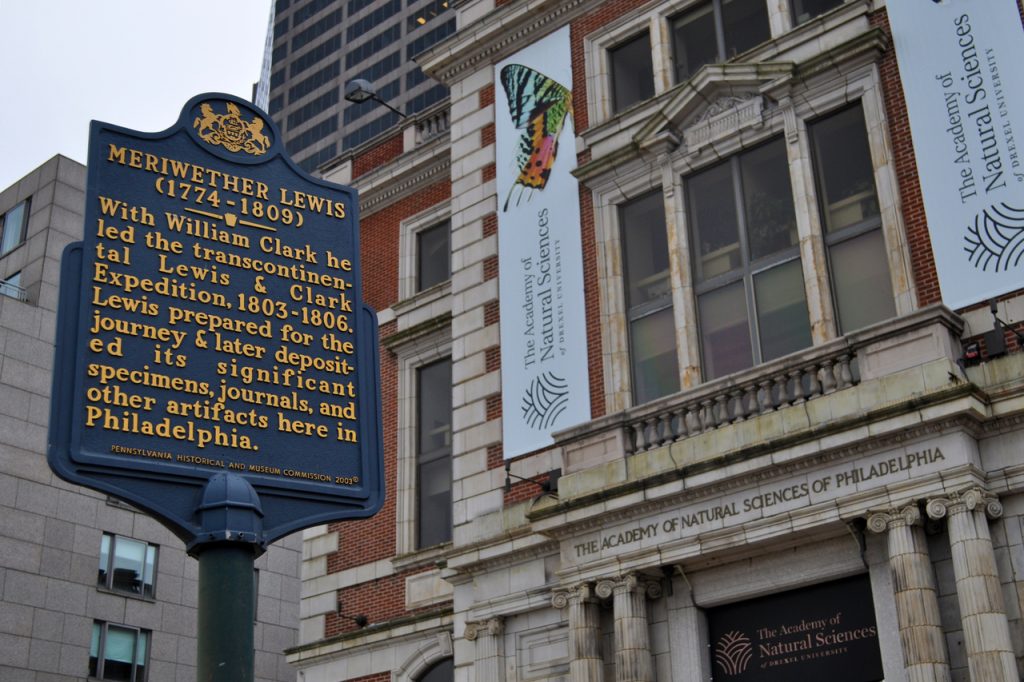
Lewis and Clark’s Plant Samples
Nick-philly – Own-work – CC-BY-SA-4.0/Wikimedia Commons

Few scientific collections can connect directly to a landmark American expedition, but the Academy’s holdings include plant samples gathered by Lewis and Clark. These specimens are part of the institution’s historical and scientific record, preserving biological material collected during a period when large parts of the continent were still being documented by American scientists and explorers. Their value goes beyond the names attached to them. Preserved specimens can act as snapshots of biodiversity at particular points in time, allowing researchers to compare historical material with modern observations and better understand how species and environments have changed.  

The 73,000 Holotypes Are Especially Important to Scientists
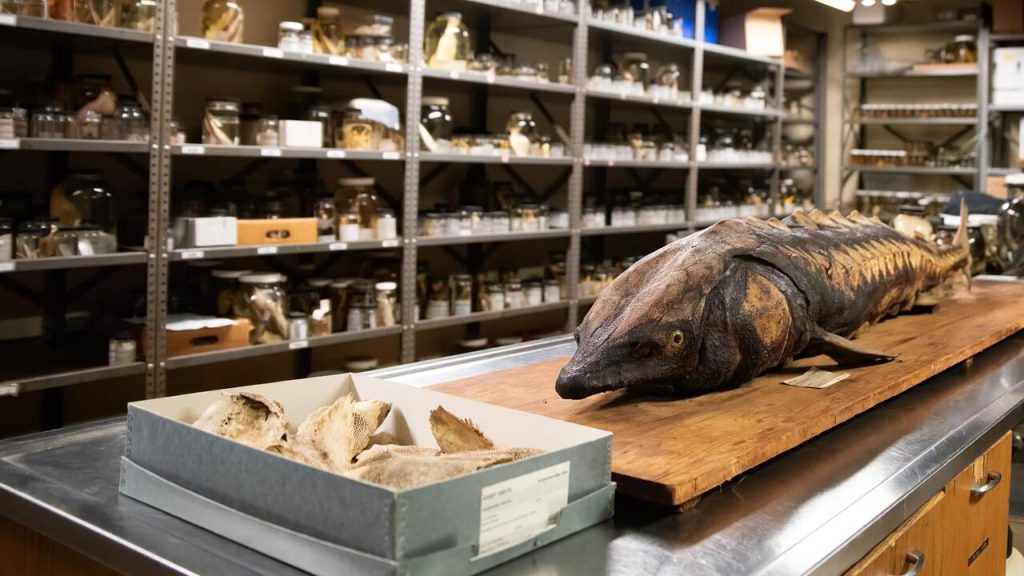
73,000 Holotypes
ansp.org

The Academy’s 73,000 holotype specimens represent some of the most scientifically significant material in its holdings. A holotype is a particular preserved specimen used as the reference for formally describing and naming a species. When scientists revisit how a species was classified, these reference specimens can provide a physical standard against which other specimens are compared. That gives the Academy’s holotype archive importance far beyond a conventional museum display. These objects are part of the institution’s continuing research mission, and Academy leadership has stated that its scientific collections will remain available for research and education after the museum closure.  

The Dinosaur Skeletons Remain Part of a Remarkable Public History
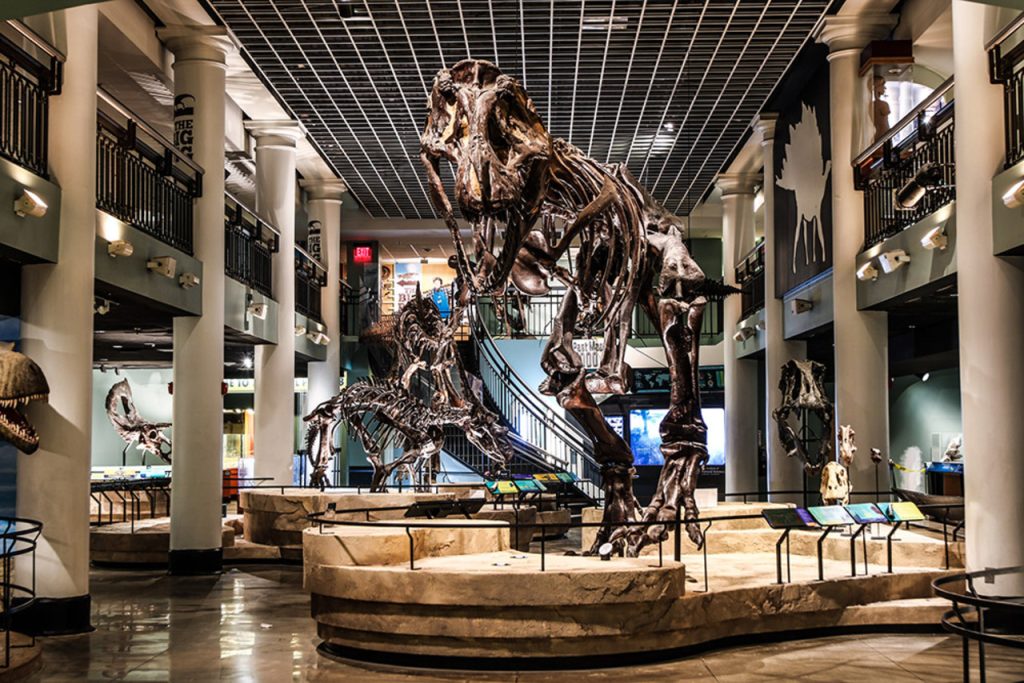
The Dinosaur Skeletons
Ms3733 – Own work, CC BY-SA 4.0/Wikimedia Commons

For generations of visitors, the Academy was probably best remembered through the enormous animals and dramatic displays inside its galleries. The institution became the first place in the world to display a dinosaur skeleton in 1868, and those fossils became a defining part of the museum experience. Visitors also encountered mammal dioramas, live animals, rotating exhibits and educational displays featuring specimens such as salamander and beaver skulls. The public museum has now closed, but the Academy says fossils and other original scientific materials will continue to be carefully preserved as part of its collections while future plans for exhibits and public engagement are considered.  

Hot this week

Two New House Reports Offer Conflicting Accounts of Trump’s Relationship With Jeffrey Epstein

Two recent House reports reach opposite conclusions about Donald Trump's relationship with Jeffrey Epstein. Together, they show how the same public controversy can produce sharply different congressional narratives without resolving the underlying facts.

Appeals Court Tells Judge to Narrow Trump’s Request for Journalists’ LinkedIn Records

A federal appeals court said a judge must narrow a Trump administration request for journalists' LinkedIn records tied to a leak investigation. The ruling keeps the inquiry alive while signaling that broad demands risking unrelated confidential sources go too far.

Trump Replaces His 8th Circuit Court Nominee After Two Republican Senators Object

Trump withdrew Lee Rudofsky's nomination to the 8th Circuit on November 10 after objections from Arkansas Senators John Boozman and Tom Cotton. He replaced Rudofsky with Arkansas Supreme Court Justice J. Cody Hiland, a move that highlights how much home-state senators still matter in judicial fights.

Supreme Court Declines to Hear Appeal in the Ricky Cobb Shooting. What Happens Now?

The U.S. Supreme Court declined to hear an appeal tied to the 2023 shooting death of Ricky Cobb II in Minneapolis. That move leaves lower court decisions in place and effectively blocks the family’s civil case against two state troopers.

Western Minnesota’s Appleton Prison Starts Taking ICE Detainees as Protests Take Shape

A long-shuttered prison in Appleton, Minnesota, is being revived as a 1,600-bed ICE detention center, bringing both hopes for jobs and deep concern over detention practices. As the first detainees arrive, protests and a planned November 14 vigil are sharpening a debate that reaches far beyond one small town.

Topics

Two New House Reports Offer Conflicting Accounts of Trump’s Relationship With Jeffrey Epstein

Two recent House reports reach opposite conclusions about Donald Trump's relationship with Jeffrey Epstein. Together, they show how the same public controversy can produce sharply different congressional narratives without resolving the underlying facts.

Appeals Court Tells Judge to Narrow Trump’s Request for Journalists’ LinkedIn Records

A federal appeals court said a judge must narrow a Trump administration request for journalists' LinkedIn records tied to a leak investigation. The ruling keeps the inquiry alive while signaling that broad demands risking unrelated confidential sources go too far.

Trump Replaces His 8th Circuit Court Nominee After Two Republican Senators Object

Trump withdrew Lee Rudofsky's nomination to the 8th Circuit on November 10 after objections from Arkansas Senators John Boozman and Tom Cotton. He replaced Rudofsky with Arkansas Supreme Court Justice J. Cody Hiland, a move that highlights how much home-state senators still matter in judicial fights.

Supreme Court Declines to Hear Appeal in the Ricky Cobb Shooting. What Happens Now?

The U.S. Supreme Court declined to hear an appeal tied to the 2023 shooting death of Ricky Cobb II in Minneapolis. That move leaves lower court decisions in place and effectively blocks the family’s civil case against two state troopers.

Western Minnesota’s Appleton Prison Starts Taking ICE Detainees as Protests Take Shape

A long-shuttered prison in Appleton, Minnesota, is being revived as a 1,600-bed ICE detention center, bringing both hopes for jobs and deep concern over detention practices. As the first detainees arrive, protests and a planned November 14 vigil are sharpening a debate that reaches far beyond one small town.

Minnesota Democrats Want to Revisit Gun Violence and ICE Restrictions When the Legislature Returns

Minnesota House Democrats say gun violence prevention and new limits on federal immigration enforcement in schools and other safe spaces will be top priorities when the 2027 session opens. The push comes with a larger DFL majority and new leadership under speaker-designate Zack Stephenson.

A Minneapolis Woman Is Suing Over Her Viral ICE Arrest. 6 Details Behind Her Case

Videos of Rahman’s Jan. 13 arrest drew national attention. Her lawsuit now challenges why agents detained her and how they treated her, while the federal government prepares its response. Here are six details behind the case.

Jim Jordan Takes Over House GOP Leadership as Minnesota’s Tom Emmer Keeps the No. 2 Role

Jim Jordan, a co-founder of the conservative House Freedom Caucus, will lead House Republicans in the next Congress. Minnesota’s Tom Emmer will serve directly below him as minority whip
spot_img

Related Articles

Popular Categories

spot_imgspot_img