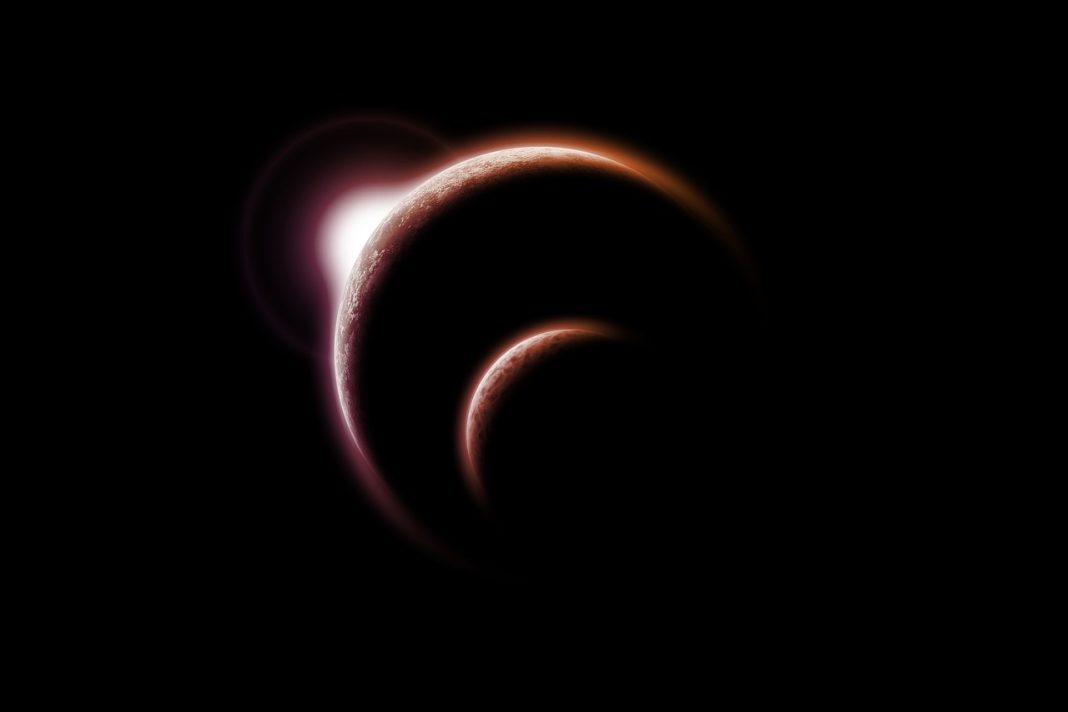

A planet may have been born from the remains of a star that had already died. Astronomers studying the white dwarf HS 0209+0832 have found unusual chemical clues that point to a possible gas giant forming from material expelled during the star’s final stages. The candidate world is roughly Jupiter-sized and orbits remarkably close to the stellar remnant. If future observations confirm the discovery, it could provide rare evidence that planetary systems do not necessarily stop forming when a star reaches the end of its life.
A Dead Star May Have Given Birth to a New Planet
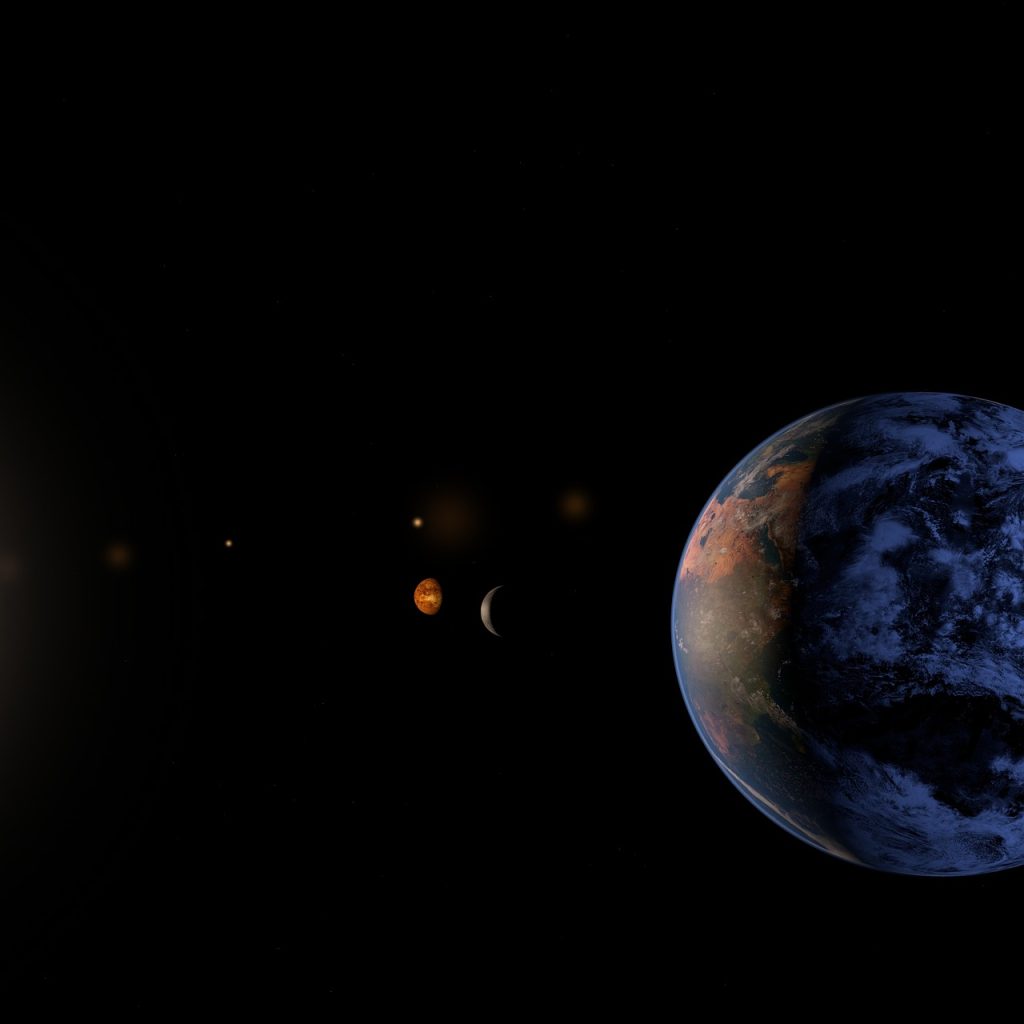
The idea sounds contradictory at first, but astronomers have a plausible explanation. NASA researchers studying the white dwarf HS 0209+0832 found chemical evidence suggesting it may host a planet that formed after the original star had already reached the end of its life. A white dwarf is the exposed core left behind after a low-mass star burns through its nuclear fuel and sheds its outer layers. The team believes some of that expelled material may have gathered into a new gas giant, making it a possible second-generation planet. If confirmed, it would be fundamentally different from Earth and the other planets in our solar system, which formed from leftover material around a young, newly forming star.
Niobium Helped Crack Hubble’s Old Mystery
The discovery grew out of an unusual piece of detective work involving data that had been sitting in the Hubble archive for decades. When Hubble observed HS 0209+0832 in 1999, astronomers found roughly 100 chemical features in the star’s light that they could not identify. Years later, astronomer Jamie Williams returned to those observations with an updated chemical database and recognized that many of the mysterious signatures matched niobium. That mattered because niobium and other elements heavier than iron are not normally produced through ordinary nuclear fusion inside a star’s core. Their presence can point to the extreme conditions associated with a dying star and the material it ejects into space.
The Suspected World Is a Jupiter-Sized Gas Giant
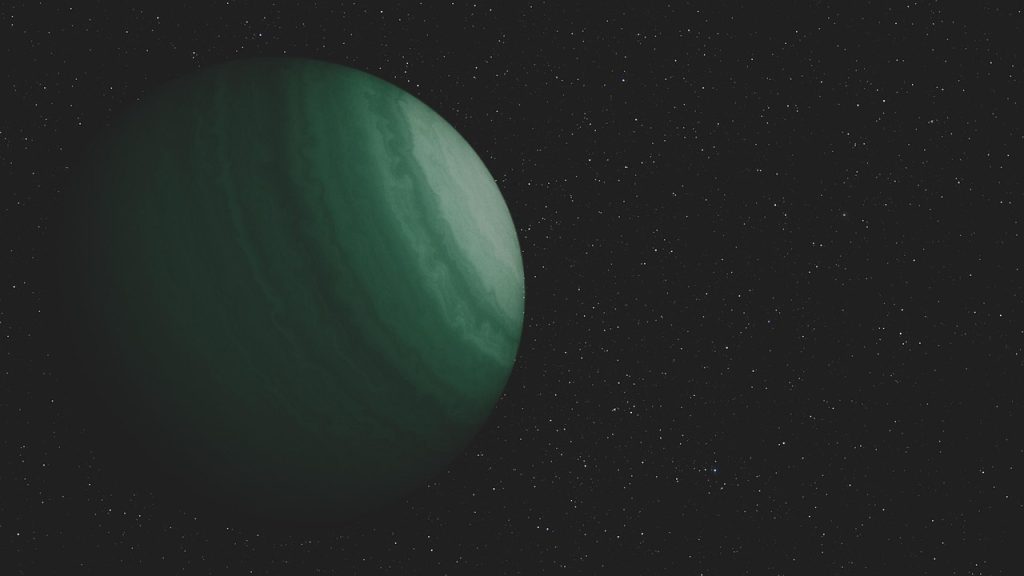
The possible planet is anything but a small, rocky world. Researchers estimate that it is a gas giant about the size of Jupiter, orbiting its white dwarf at roughly 3.7 million miles, or 6 million kilometers. That puts it extremely close to the stellar remnant, much closer than Mercury is to the Sun. NASA’s TESS spacecraft spent four months observing the white dwarf and detected periodic changes in its brightness, providing evidence consistent with an orbiting planet. The candidate is also apparently losing material because the young white dwarf remains extremely hot and is bombarding the nearby world with radiation.
The Planet Is Revealing Itself Through Its Lost Atmosphere
Astronomers did not simply spot a picture of the planet next to the white dwarf. Instead, the suspected world appears to be leaving chemical fingerprints in the star’s environment. The white dwarf’s intense radiation is stripping material from the gas giant’s atmosphere. Some of that material flows back toward the white dwarf, forming a disk before eventually falling onto its surface. When Hubble studies the white dwarf’s light, it can detect the chemical signatures carried by that material. The unusual presence of niobium, along with other elements such as nickel and calcium, therefore gives researchers an indirect glimpse of what may be happening around the unseen planet.
The Finding Could Rewrite What Happens After a Star Dies

Perhaps the most important question is not simply whether this one planet exists, but whether planet formation can continue after a star has become a white dwarf. If the candidate is confirmed, it would suggest that a star’s death can create the raw ingredients for another generation of worlds. Researchers still need to determine how these planets form, how frequently they occur and how they evolve around stellar remnants. The candidate may also have a surprisingly long future. Although it is currently losing atmosphere under the white dwarf’s intense radiation, NASA researchers say it could survive as the white dwarf gradually cools, eventually remaining in a stable habitable zone for millions of years.