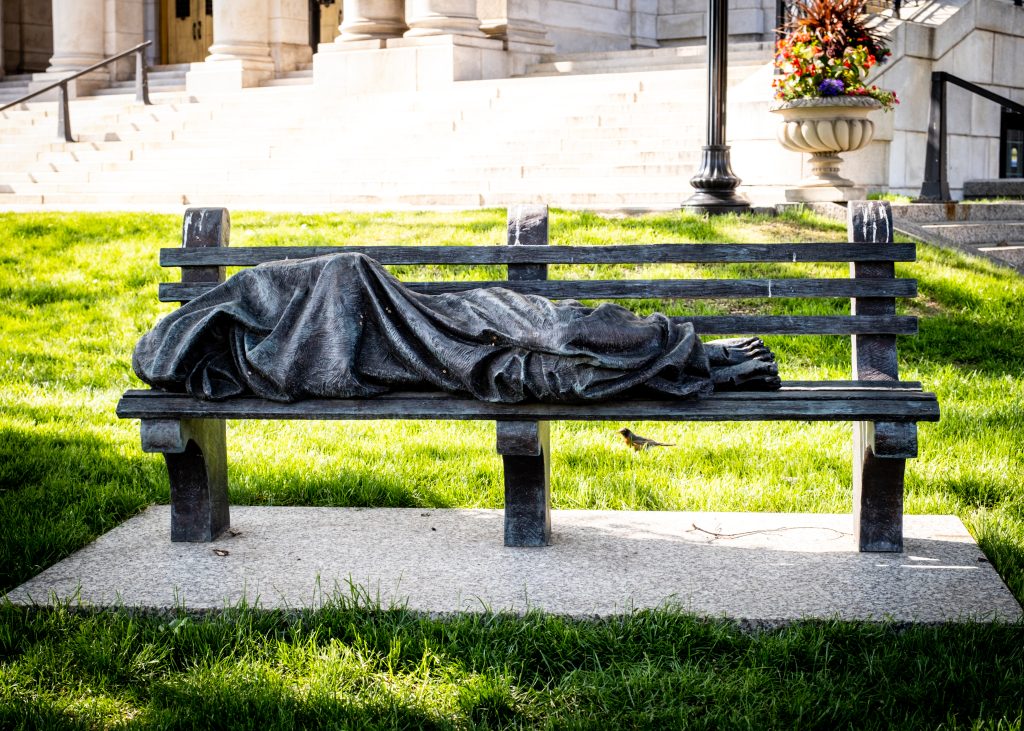

Minneapolis and Saint Paul are tackling visible homeless encampments in different ways while facing the same shortage of safe, affordable housing options for residents in crisis. A recent one-night Point-in-Time count found more than 3,000 people in Hennepin and Ramsey counties staying in shelters, transitional housing, or outside, with hundreds living unsheltered. Officials in Minneapolis and Hennepin County point to a 33 percent drop in unsheltered homelessness since 2020 as a sign their mix of shelter, outreach, and housing programs is gaining ground. Yet encampments persist in parks, near freeways, and along riverfronts, illustrating how quickly people fall through the cracks when rents rise and services are stretched. Residents see the tension every day as bulldozers clear tents in one spot while new camps quietly reappear in another corner of the metro.
City Leaders Defend Camp Closures As Safety Measures
After a shooting at a Minneapolis encampment this fall, Mayor Jacob Frey reiterated his stance that camps are inherently dangerous for those who live in them and for nearby neighborhoods. He argued that encampments often end in violence, fires, or other tragedies and can leave vulnerable people exposed to drug trafficking and exploitation. Saint Paul Mayor Melvin Carter struck a more conflicted tone after an encampment near the Mississippi River was cleared and bulldozed, acknowledging that the city still lacks enough long-term housing and supportive services for everyone displaced. County housing officials in Ramsey and Hennepin say encampments generate frequent emergency calls, from medical crises to multi-tent fires, while stressing that outreach workers are on the ground trying to move people into safer spaces. They describe a constant, quiet scramble to keep track of people who relocate daily and may distrust caseworkers even when beds or motel rooms open up.
Community Groups Step In Where Systems Fall Short
On the streets, mutual aid organizations and neighborhood-based nonprofits are stepping into gaps that government programs have not fully closed. In Minneapolis, The Real Minneapolis delivers hundreds of meals weekly and distributes basics like jackets and water, with leaders arguing that “enabling” survival is the bare minimum when people have nowhere else to go. Founder Valerie Quintana draws on her own history of homelessness, emphasizing that dignity and trust often start with something as simple as a hot meal, a shower, or a consistent drop‑in space. In Saint Paul, Koom Recovery supports Hmong community members dealing with addiction and maintains relationships inside encampments that function as small villages. Some residents have planted gardens, raised chickens, and built informal leadership structures, framing encampments as temporary communities rather than purely dangerous zones. Advocates in both cities say homelessness is treated like moral failure instead of system failure, even as fraud scandals and funding gaps complicate housing programs.
Strong Tenant Laws Meet Rising Costs
Most households in both Minneapolis and Saint Paul now rent, with ownership out of reach for many after foreclosures and investor purchases reshaped the post‑recession housing market. Experts say rising prices and higher interest rates are squeezing first‑time buyers and pushing more families into long‑term renting, even as median sale prices continue to climb. Minnesota law offers an extensive framework of tenant protections, including fair housing rules, the Minnesota Human Rights Act, and a detailed landlord‑tenant statute outlining rights and responsibilities. Minneapolis layers on additional protections, such as ordinances on mold, anti‑discrimination safeguards for renters using vouchers, and relocation assistance in some cases. City officials tout a nationally watched inspection and licensing program and report helping thousands of renters secure legal advice on discrimination, deposits, and eviction. Hennepin County has expanded rental and legal assistance, claiming to have prevented thousands of evictions since 2023 by guaranteeing representation for low‑income tenants in housing court.
Rent Control Debate Splits Minneapolis And Saint Paul
When it comes to rent stabilization, Saint Paul pushed further than its twin, but has since scaled back parts of its policy under landlord pressure. Voters in both cities signaled support for rent control, yet only Saint Paul implemented a cap, later adding an exemption for buildings less than 20 years old. Tenant advocates question that carve‑out, arguing it weakens protections for renters in new developments and reflects the influence of landlord lobbying. In Minneapolis, rent stabilization proposals have repeatedly stalled, with officials citing the delicate balance between shielding renters from steep hikes and maintaining a healthy development pipeline. City leaders say they are instead leaning on tools like an Affordable Housing Trust Fund, housing tax credits, and revenue bonds to preserve and build affordable units. Tenant organizers counter that strong laws matter only when renters know their rights and when cities have the staff and political will to enforce protections consistently.