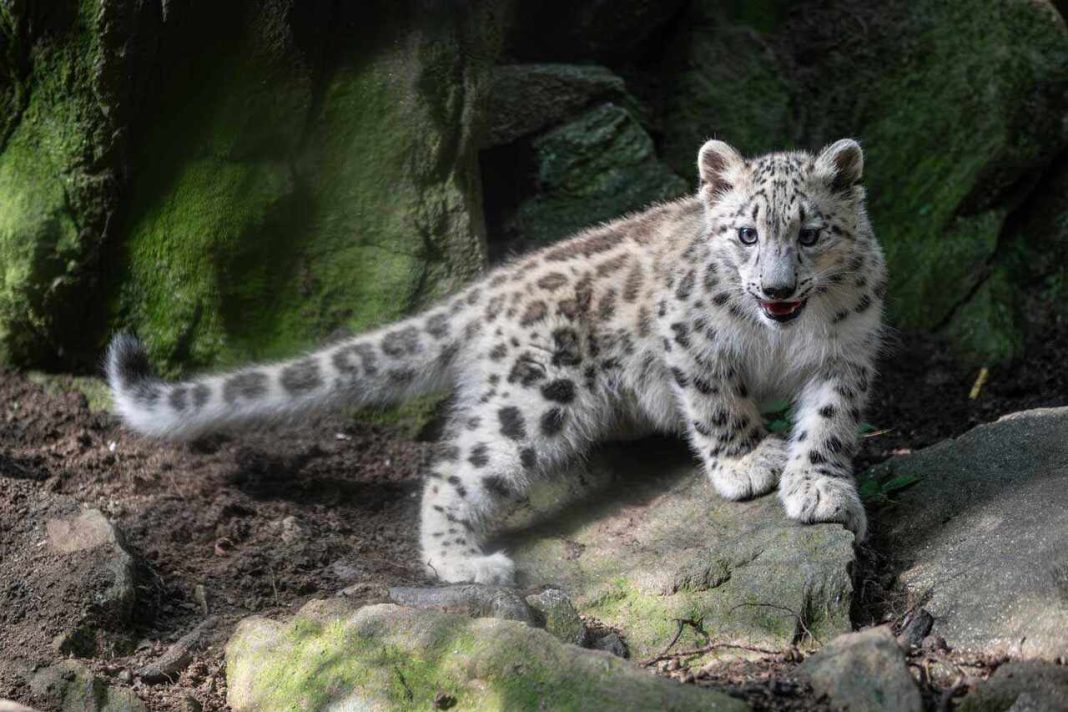

The Bronx Zoo has welcomed an adorable new resident, and she’s already attracting attention. Sarka, a female snow leopard cub born on May 31, 2026, made her public debut in September, giving visitors a chance to see the young animal explore her surroundings. From the meaning behind her unusual name to the conservation efforts protecting her endangered habitat, here’s what makes Sarka special.
Sarka Was Born on May 31, 2026
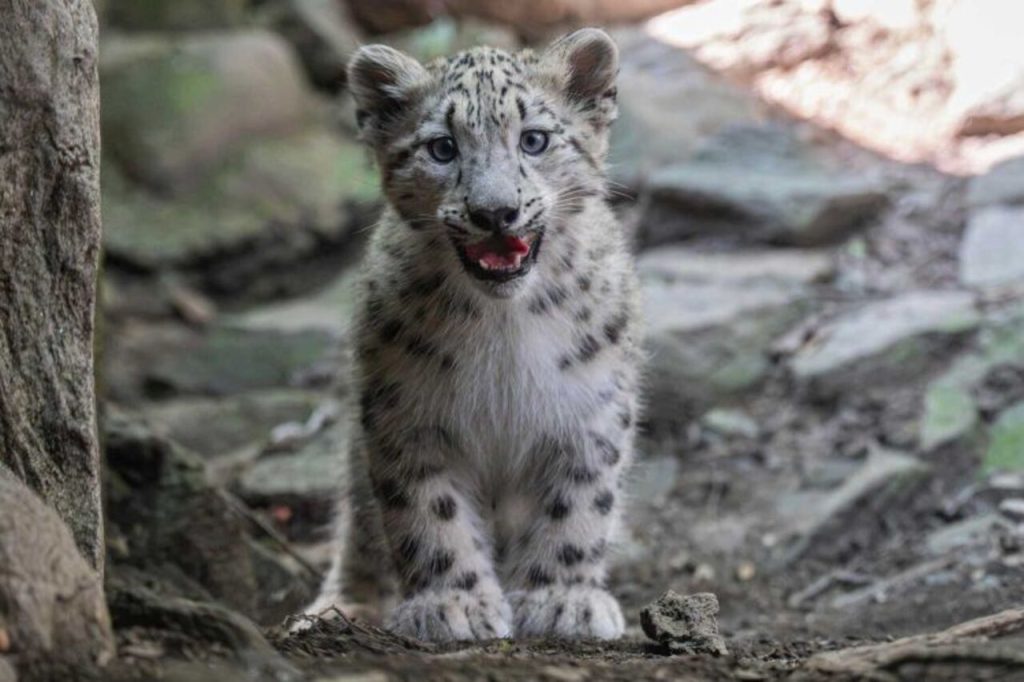
A new arrival at the Bronx Zoo is giving visitors a reason to turn their attention to one of the world’s most elusive big cats. Sarka, a female snow leopard cub, was born on May 31, 2026, to parents Dariga and Moutig. She made her public debut on September 30, when the zoo introduced her to visitors exploring its Himalayan Highlands habitat. Before venturing into the exhibit, Sarka completed her physical examinations and received her routine vaccinations, with zoo officials reporting that she was doing well. At around four months old when she made her debut, the young cub was ready to begin exploring her surroundings alongside her mother. Her arrival is particularly significant because snow leopards are classified as vulnerable by the International Union for Conservation of Nature, and successful births in managed zoo populations contribute to broader efforts to maintain the species. Sarka’s first public appearance also gives visitors an opportunity to learn about these remarkable animals and the challenges they face in the wild.
Her Name Means Shark in Nepali
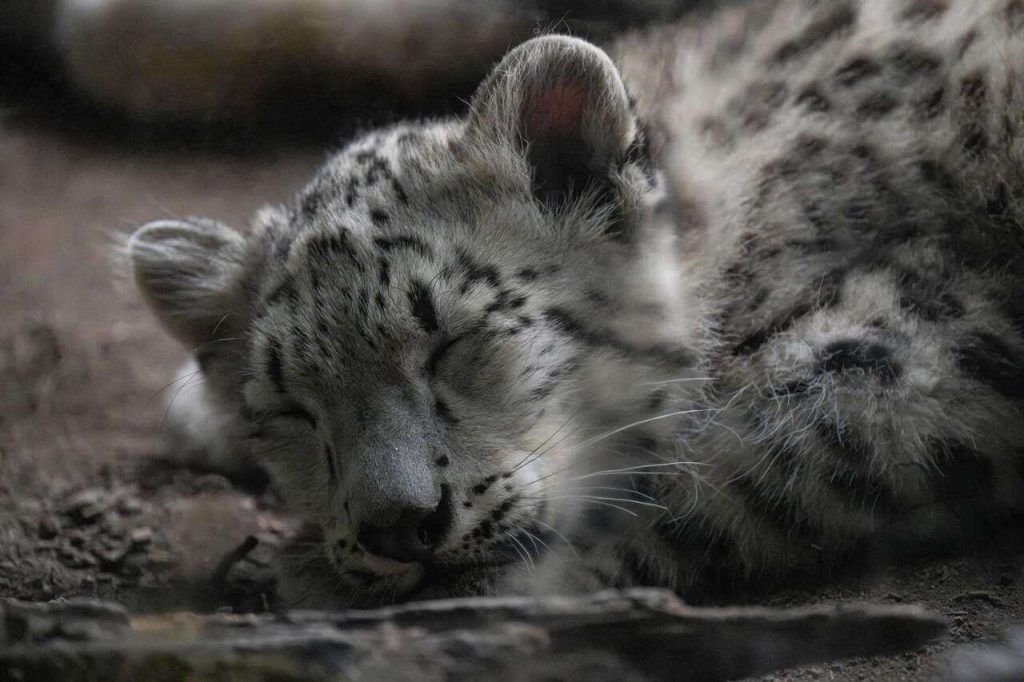
Sarka has an unusual name for a snow leopard, and its meaning makes it even more memorable. The name means shark in Nepali, adding an unexpected connection between the mountain-dwelling cat and a powerful animal more commonly associated with the ocean. Snow leopards inhabit the high-altitude mountains of the Himalaya and Tibetan Plateau, where their survival depends on stealth, agility and the ability to move across difficult terrain. Although sharks and snow leopards live in very different environments, both are well-adapted predators in their respective habitats. Sarka’s name has attracted attention as the Bronx Zoo introduces her to the public, helping make the young cub recognizable to visitors following her progress. Her debut also provides an opportunity to learn about the geography and wildlife of Central Asia, where snow leopards live among rocky slopes and cold, rugged landscapes. As Sarka grows, her name will likely remain one of the most distinctive details associated with the zoo’s newest resident.
She Is the Daughter of Dariga and Moutig
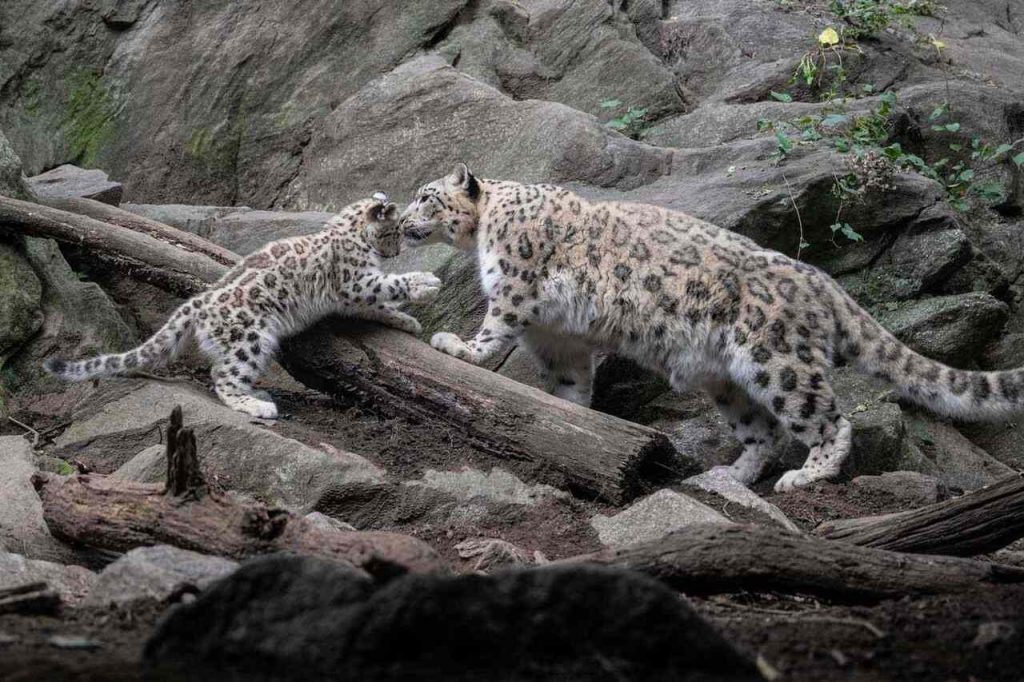
Behind Sarka’s public debut is the work of the Bronx Zoo’s animal care team, which has monitored the cub’s early development alongside her parents, Dariga and Moutig. Sarka was born on May 31, 2026, and remained under care until she had passed her physical examinations and received routine vaccinations. These early health checks help zoo veterinarians assess a young animal’s development and determine when it is ready to spend time exploring a larger habitat. Her mother, Dariga, is now accompanying her as she ventures into the Himalayan Highlands exhibit, allowing Sarka to become familiar with the environment while remaining close to a parent. The zoo’s announcement that the cub is doing well is an encouraging update for visitors interested in her progress. Snow leopard cubs must develop the coordination and physical abilities needed to navigate rocky environments, so their early growth is an important stage in their lives. Sarka’s successful transition into the exhibit marks a new chapter in her development and in the zoo’s ongoing care for the species.
She Can Now Explore the Zoo’s Himalayan Highlands Habitat
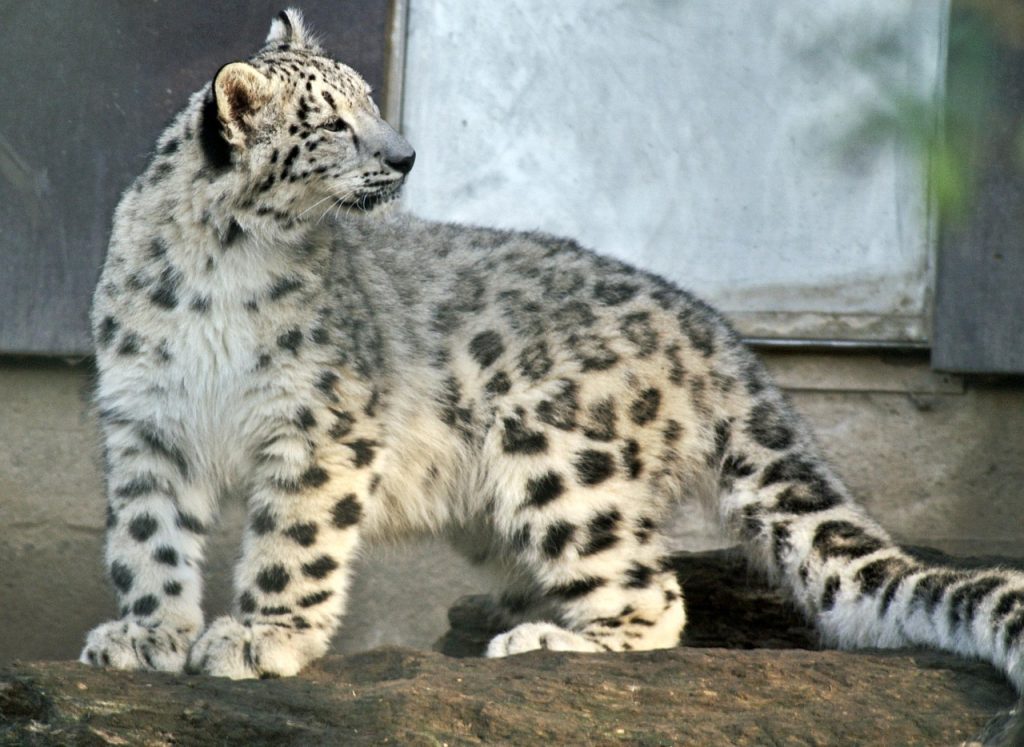
For Sarka, the next stage of growing up involves discovering the sights, sounds and spaces of her new surroundings. After completing her physical examinations and vaccinations, she became ready to explore the Bronx Zoo’s Himalayan Highlands habitat alongside her mother. The exhibit showcases wildlife associated with the mountains and grasslands of Central Asia, including snow leopards, red pandas and white-naped cranes. Its setting gives visitors a chance to learn about animals that have evolved to survive in demanding environments, from steep mountain slopes to cold, dry landscapes. Snow leopards are especially well-suited to such terrain because their large, padded feet help them move over snow and uneven ground, while their long, thick tails provide warmth and balance. Their spotted gray-white coats also help them blend into rocky surroundings. According to the zoo, Sarka has been enjoying the opportunity to explore her habitat and observe snow leopards in neighboring exhibits. Her growing confidence offers visitors a chance to see a young snow leopard developing the curiosity and coordination that will serve her as she matures.
She Joins Seven Other Snow Leopards at the Bronx Zoo
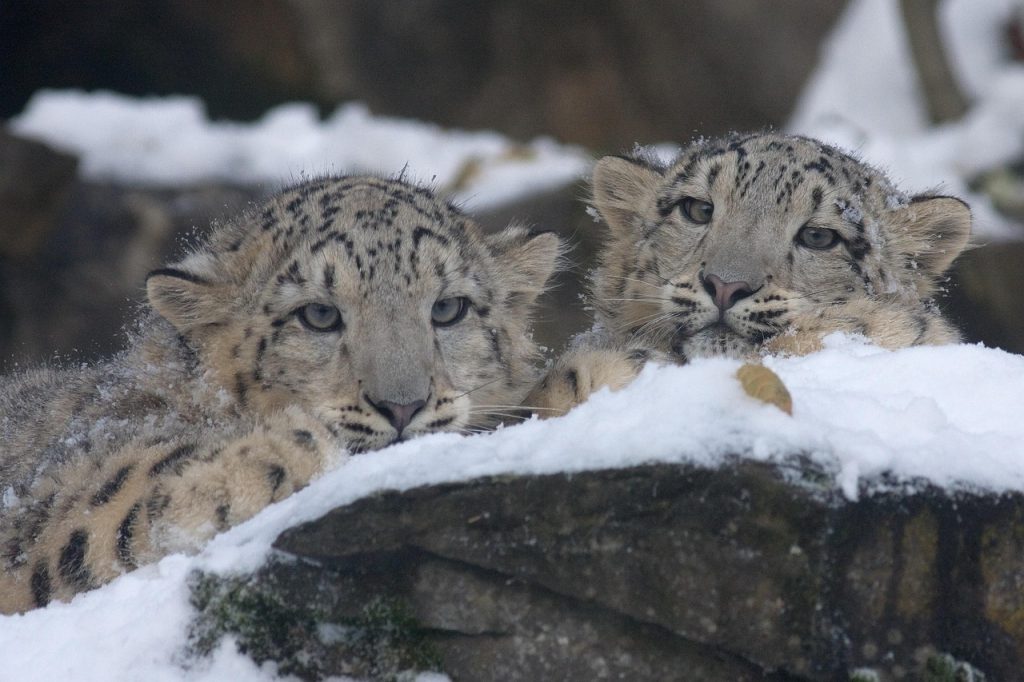
Sarka’s arrival brings the Bronx Zoo’s snow leopard population to eight, making her part of a larger group that helps the institution support the species. The zoo has a long history with these big cats, becoming the first zoo in the United States to exhibit snow leopards in 1903. Since then, it has recorded more than 80 snow leopard births, reflecting decades of experience caring for and breeding the species. The zoo also participates in the Association of Zoos and Aquariums’ Snow Leopard Species Survival Plan, a coordinated breeding program designed to maintain healthy populations and preserve genetic diversity among animals in human care. Such programs matter because protecting a species involves more than keeping individual animals healthy. Careful coordination among accredited institutions can help maintain a sustainable population and support research into snow leopard biology and welfare. Sarka’s birth adds to that history, while her public debut gives visitors a chance to connect with a species that many people may never encounter in the wild. Her presence also helps the zoo communicate why long-term conservation work remains important.
Her Arrival Highlights Conservation Efforts for a Vulnerable Species
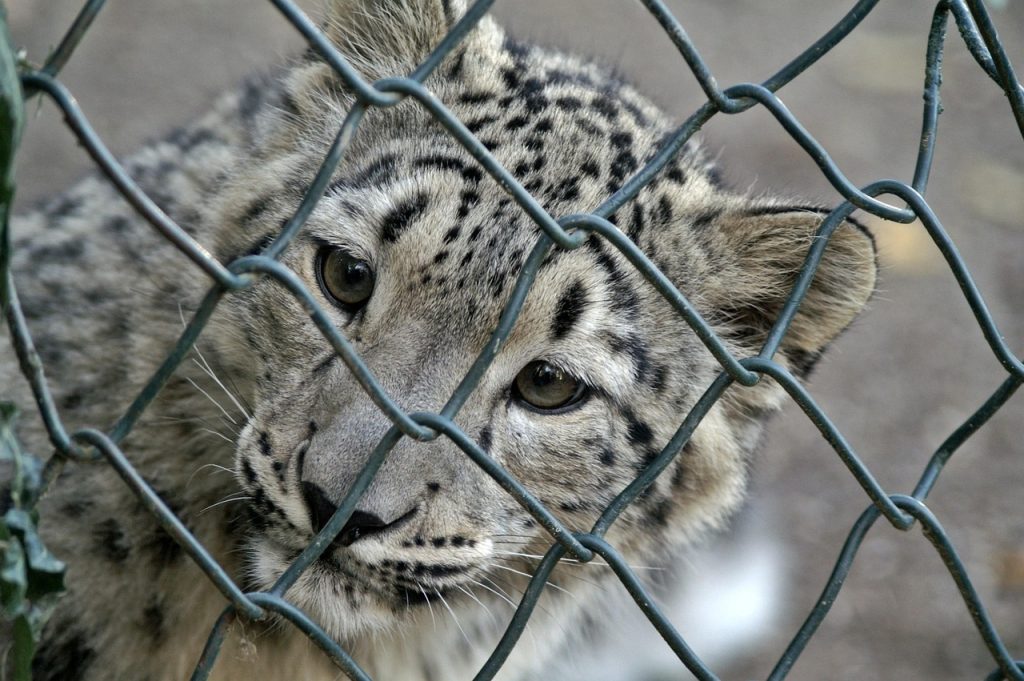
Sarka may be a young zoo resident, but her arrival draws attention to a much larger conservation challenge. Snow leopards are classified as vulnerable on the International Union for Conservation of Nature’s Red List, with an estimated 5,000 to 7,000 remaining in the wild across Asia. They inhabit remote mountain regions, where their pale, spotted coats help them remain concealed among rocks and snow. Despite these adaptations, the animals face several threats, including habitat loss, declining populations of wild prey, illegal wildlife trade and conflict with people who raise livestock. When snow leopards prey on domestic animals, herders may retaliate, creating another risk for already vulnerable populations. The Wildlife Conservation Society works to protect snow leopards and their mountain ecosystems through initiatives that include community engagement, protected-area management, wildlife monitoring and efforts to combat poaching and trafficking. Zoos contribute through coordinated breeding programs, public education and research. Sarka’s arrival does not solve the threats facing wild snow leopards, but it provides a useful opportunity to explain why protecting their habitats and supporting conservation initiatives are essential to the species’ future.