
Protests Spread After Local Woman’s Fatal Encounter
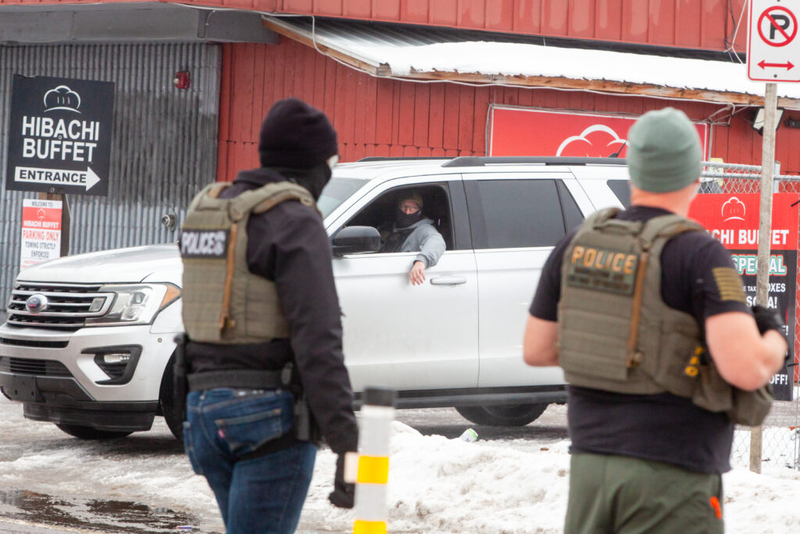
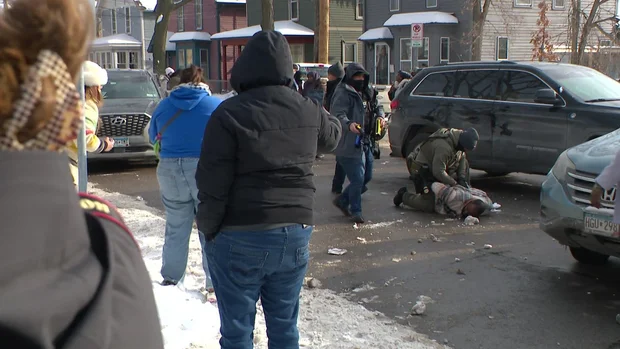
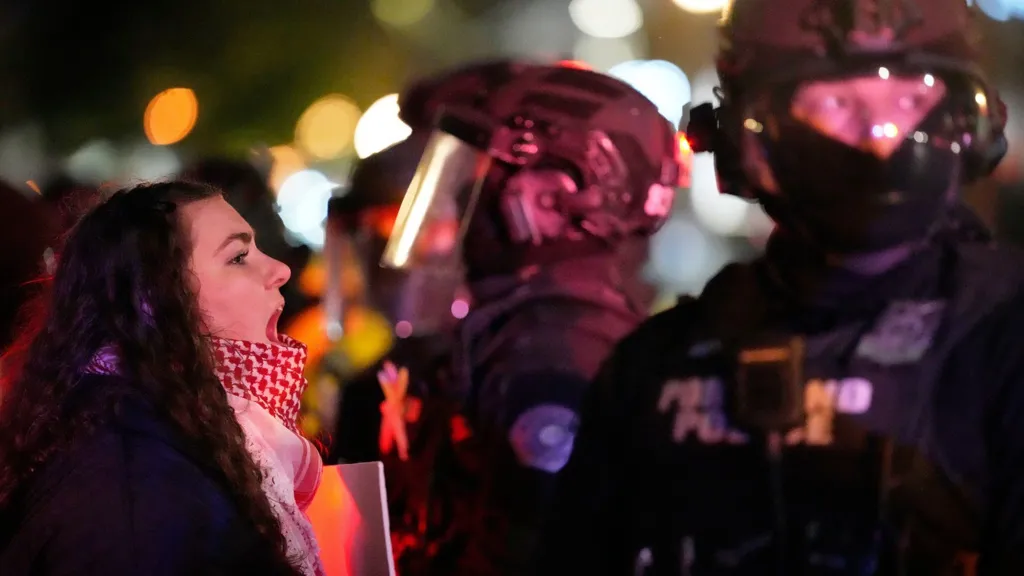
Minneapolis streets filled with demonstrators for a second consecutive night following the tragic shooting death of 37-year-old Renee Nicole Good by a U.S. Immigration and Customs Enforcement agent. The incident occurred blocks from where George Floyd lost his life in 2020, drawing painful parallels that reignited community tensions across the city. Floral tributes and candlelit vigils now mark the crash site where Good’s vehicle came to rest after agents fired shots, with bloodstains still visible in the winter snow. Community members gathered throughout the day, offering coffee to neighbors braving the cold while shouting demands for accountability from federal authorities. Local faith leaders like minister Susie Hawyard visited the scene immediately, expressing horror at the fresh violence so close to a historic landmark of civil rights struggle. Protesters emphasized Good’s character as a compassionate poet and guitarist who had recently settled in Minneapolis, painting her as a beloved figure whose life deserved better protection. The demonstrations remained largely peaceful despite heightened emotions, with hundreds converging at federal buildings to voice their outrage. Governor Tim Walz activated the National Guard to maintain order amid fears of escalation, while Mayor Jacob Frey accused federal narratives of distorting the truth about Good’s final moments. Videos circulating online show agents approaching her stopped SUV before gunfire erupted as she attempted to drive away, sparking fierce debate over whether she posed any threat. This clash highlights deepening divides between state officials seeking involvement and federal authorities asserting sole jurisdiction over the investigation.
Federal Versus Local Accounts Create Tension
Conflicting stories emerged about the moments leading to Good’s death, with Homeland Security Secretary Kristi Noem claiming the ICE agent fired in self-defense after Good tried to run him over with her vehicle. Minneapolis leaders strongly dispute this version, insisting video evidence shows a woman simply attempting to leave a tense encounter rather than attack anyone. The FBI announced a federal investigation, but Minnesota’s Bureau of Criminal Apprehension withdrew after being denied access to crucial evidence despite initial agreements for joint oversight. Governor Walz publicly criticized the Trump administration for excluding state authorities, while Vice President JD Vance countered that the matter falls squarely under federal responsibility. Reports indicate 100 additional federal agents are deploying to the area, prompting fears of further militarization in the community. Criminology experts warn that such jurisdictional battles erode public confidence in law enforcement processes, potentially fueling more unrest. Legal analysts note Minnesota could still pursue charges against the agent independently, keeping pressure on federal investigators. Portland saw related violence when Border Patrol agents wounded two people during a traffic stop involving a Venezuelan gang member, leading to six arrests at an ICE facility protest there. These back-to-back incidents underscore rising friction around the Trump administration’s aggressive deportation push, a cornerstone campaign promise now sparking nationwide demonstrations in cities like Houston, Cincinnati, and Philadelphia. Minneapolis residents express determination to honor Good’s memory through sustained calls for transparency and reform.
Community Mourns Artist Amid National Spotlight
Those who knew Renee Nicole Good described her as extraordinarily caring, with her mother Donna Ganger telling local media her daughter lived a life of service and forgiveness before this heartbreaking end. Nimco Ahmad, a Somali immigrant raised near the shooting site, captured neighborhood sentiment by calling Good the embodiment of Minneapolis warmth and hospitality. Friends recalled her talents as a musician and writer who brought creativity to everyday interactions around the city. The vigil’s atmosphere blended grief with resolve, as participants shared stories of Good’s recent move and dreams for her new chapter in the Twin Cities. This personal tragedy transforms into a broader symbol of community vulnerability under federal immigration enforcement. Demonstrators carried signs calling for ICE abolition, linking Good’s fate to larger debates about agency powers and use-of-force protocols. As winter winds whipped through the gathering, neighbors stood united against what they see as overreach, determined to prevent similar losses. The proximity to George Floyd Square amplifies every chant and candle flame, reminding everyone of unfinished struggles for safety and justice in Minneapolis neighborhoods.