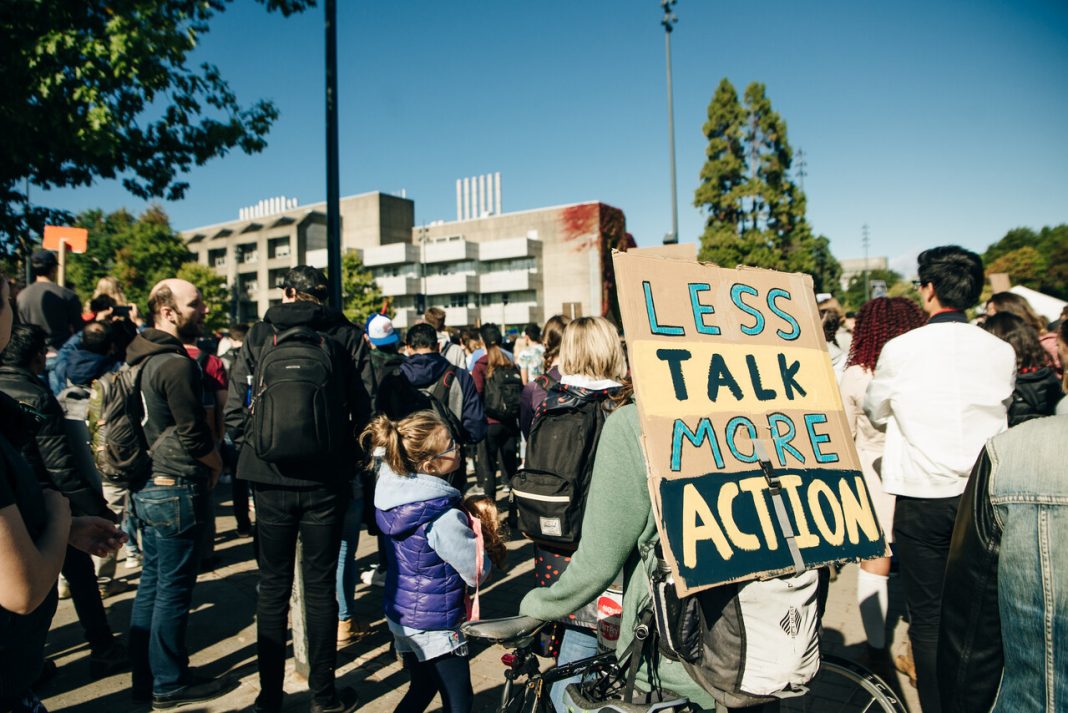


Months after a sweeping federal immigration enforcement operation moved through Minneapolis, the economic aftershocks are still being felt across Minnesota. What began as a law enforcement action has evolved into a prolonged financial strain for workers, small businesses, and public agencies. City officials estimate the operation carved a deep dent into the local economy, with ripple effects stretching from neighborhood restaurants to statewide construction projects. As lawmakers debate next steps, the central question remains clear: how much longer will Minnesota continue paying for the fallout?
Long-Term Economic Damage Across Minneapolis
When federal immigration enforcement swept across Minneapolis, the shockwaves weren’t limited to headlines and political debate. Local economists and business owners quickly began tallying the cost in cold, hard dollars. According to city officials, the enforcement operation contributed to an estimated $200 million dent in Minneapolis’s economy, a figure that reflects lost wages, shuttered revenue, and a chilling effect on consumer activity in neighborhoods across the city. For communities already grappling with the typical ups and downs of urban economies, this was both an unexpected blow and a prolonged strain.
The impact showed up most visibly in sectors dependent on steady foot traffic and regular spending. Restaurants, cafes, retail stores, and service businesses in areas with high immigrant populations reported sharp declines in patronage. Where once workers and their families would gather after shifts or meet with friends, many chose to stay home out of fear or uncertainty. Even businesses that weren’t directly associated with immigrant communities found themselves seeing fewer customers. Hospitality and entertainment venues noted that weekend crowds were thinner, and coffee shops reported fewer regular morning customers. The economic ripples extended far beyond the immediate loss of earnings, affecting supply orders, payroll schedules, and the confidence of entrepreneurs who invest in local growth.
Human Costs for Workers and Families

The financial toll of the enforcement operation wasn’t something that could be neatly printed in a budget report. Behind every dollar lost were real families juggling rent, groceries, and education expenses with less income than before. Workers in construction, hospitality, and service roles, many of them essential to daily operations in Minnesota’s busiest neighborhoods, saw their hours shrink or disappear entirely as fear kept people off job sites and away from their shifts. The stress of lost wages quickly translated into late bills, difficult conversations with landlords, and increased reliance on savings that many families had little of to begin with.
This human strain wasn’t just about income. Legal costs began to mount as families sought counsel to understand their options, protections, and rights. Even individuals with proper documentation spent money on immigration attorneys, not because they were in legal trouble, but because anxiety about changing policies prompted them to seek clarification and peace of mind. Community organizations stepped in to provide support, but that too came with overhead, transportation costs, childcare during meetings, and the emotional energy families had to expend to navigate uncertainty. In neighborhoods where collective household income had been stable, the sudden shift created stress that reverberated through schools, relationships, and long-term financial planning.
Public Services and City Budget Strain
The fallout from the immigration enforcement surge wasn’t confined to private wallets. Minneapolis city officials found themselves reallocating public funds to responses that weren’t originally budgeted. Police departments, emergency services, and city outreach programs saw increased calls for attention in areas where fear and uncertainty were most acute. That meant overtime pay, resource deployment, and staff hours that weren’t part of the previous fiscal year’s equation. At a time when many municipalities are already balancing tight budgets, these added costs made it harder to fund planned improvements or community initiatives.
Social service providers also felt the strain. Nonprofits and city-funded programs reported upticks in demand for counseling, food assistance, housing support, and legal aid, but without matching increases in funding. Community health workers, school counselors, and housing specialists were pulled into roles that had them supporting families on multiple fronts: addressing trauma rooted in fear of enforcement, helping navigate financial insecurity, and bridging communication between residents and city services. These expanded responsibilities required time and expertise that stretched existing staff thin. For city leaders, the economic impact was more than a line item. It was a reminder that public budgets reflect more than infrastructure; they mirror the well-being of families and the resilience of entire neighborhoods.
Statewide Economic Ripples
While Minneapolis bore the brunt of immediate economic impacts, the effects rippled across Minnesota more broadly. Small business owners in suburban and rural areas began reporting slower sales as immigrant workers and their families curtailed travel to regional shopping districts, medical appointments, and social engagements. Construction projects that relied on tight labor scheduling experienced delays as workers became hesitant to show up or shifted to less visible sectors of the job market. This slowdown affected suppliers, subcontractors, and vendors who depend on consistent demand to maintain operations.
State lawmakers took notice. In committee hearings, representatives pointed to the enforcement surge as a factor in reduced workforce participation and economic activity. They highlighted how immigrant communities are integrated into the broader labor ecosystem, from agriculture to manufacturing to health care, and how disruptions in one local economy inevitably influence supply chains and consumer confidence elsewhere. The economic anxiety wasn’t limited to big cities. Smaller towns with diverse populations reported similar patterns of reduced commerce and community participation. For legislators who track economic data as a measure of overall state health, the enforcement fallout raised questions about long-term competitiveness and inclusivity in Minnesota’s workforce strategy.
Calls for Reimbursement and Future Recovery
In response to these mounting costs, both financial and human, community leaders and policymakers have begun calling for concerted efforts to reimburse affected parties and stimulate recovery. Local elected officials have urged state and federal representatives to consider relief programs that support small businesses, wage-earners, and families disproportionately impacted by the enforcement operation. These proposals include emergency grants, expanded social services funding, and targeted workforce initiatives that encourage businesses to rehire and stabilize employment.
Advocates emphasize that recovery won’t come from a single intervention. Rebuilding confidence requires both financial support and clear, consistent communication about enforcement policies and protections. Some community groups have pushed for public forums where residents can voice concerns directly to policymakers, fostering dialogue that acknowledges economic hardship while crafting collaborative solutions. Others propose tax incentives for businesses that demonstrate commitment to rehiring or investing in affected communities. There’s broad agreement that without strategic action, the economic wounds may deepen, undercutting growth for years to come. For many Minnesotans, the notion of recovery is not just about dollars and cents, but about restoring a sense of stability and trust that was shaken by months of economic disruption.