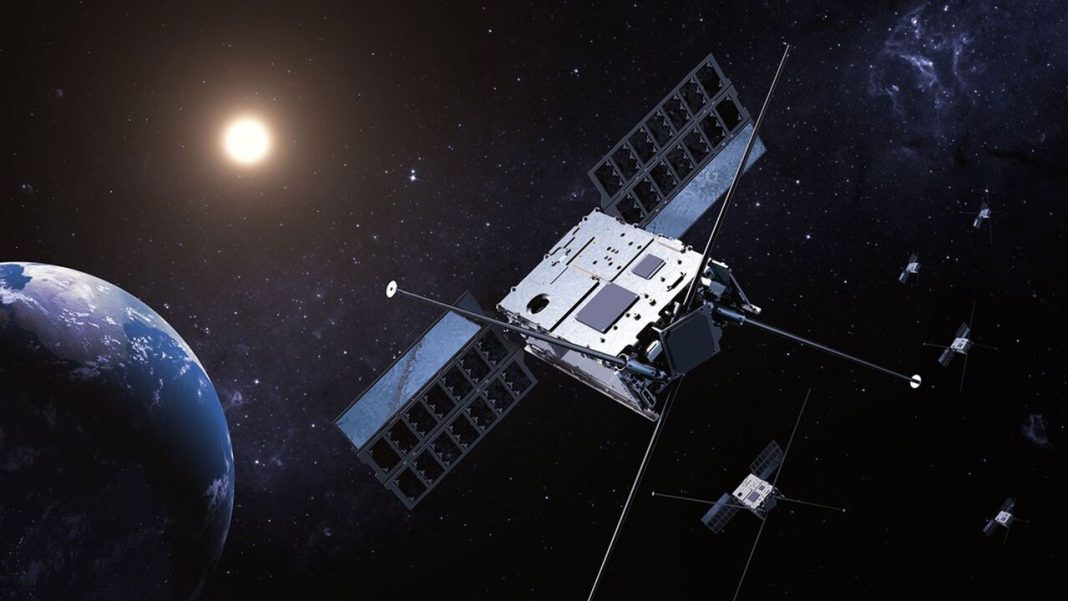

NASA is preparing an unusual mission that will turn six small spacecraft into one enormous radio telescope in space. The SunRISE mission is designed to study radio signals produced by powerful activity on the Sun, giving scientists a closer look at the processes behind energetic solar particle events. With the spacecraft already assembled and tested, the mission is now targeting a launch no earlier than mid-2027.
Six SmallSats Will Become One Giant Radio Telescope
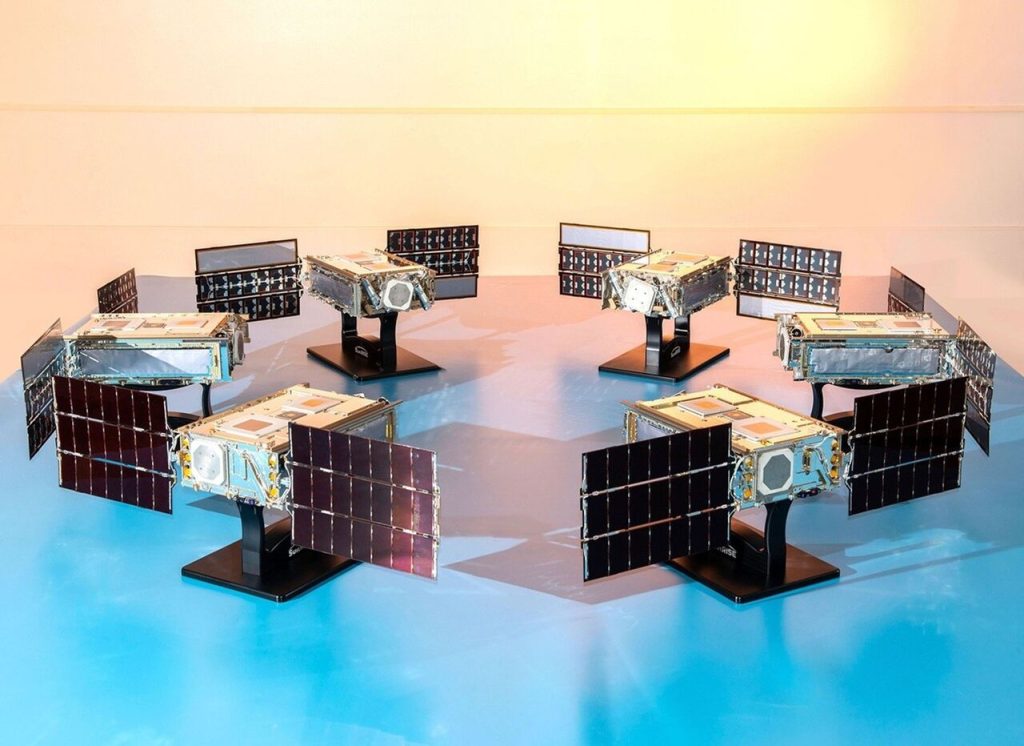
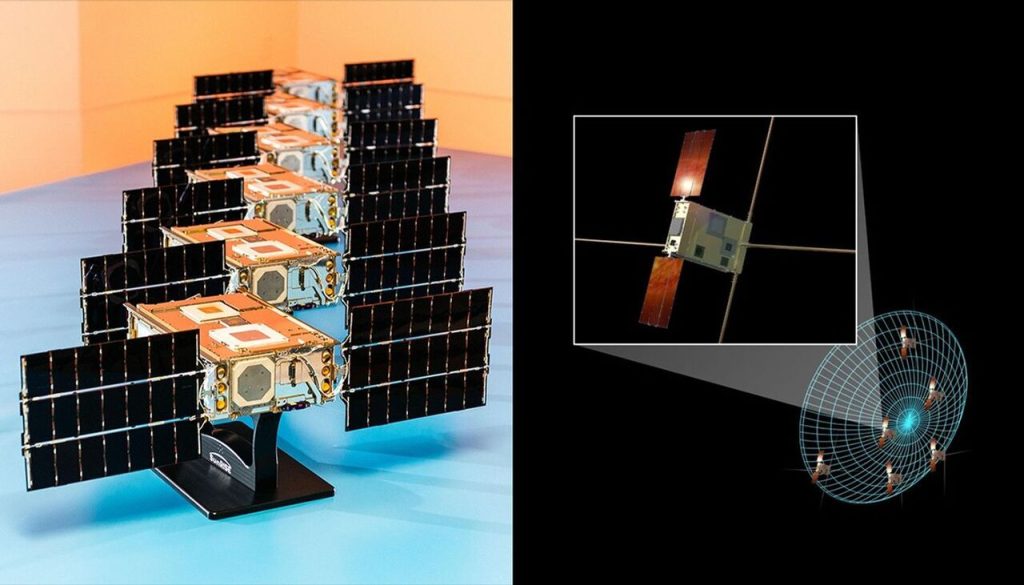
The unusual design is what makes SunRISE so interesting. Instead of relying on one large spacecraft, NASA is sending six toaster-oven-size SmallSats into space to fly in formation and operate as a single radio telescope. Together, they will create an effective observing array capable of studying low-frequency radio emissions from the Sun that cannot be observed from the ground because Earth’s ionosphere blocks those wavelengths.
The Formation Will Orbit Above Geosynchronous Orbit
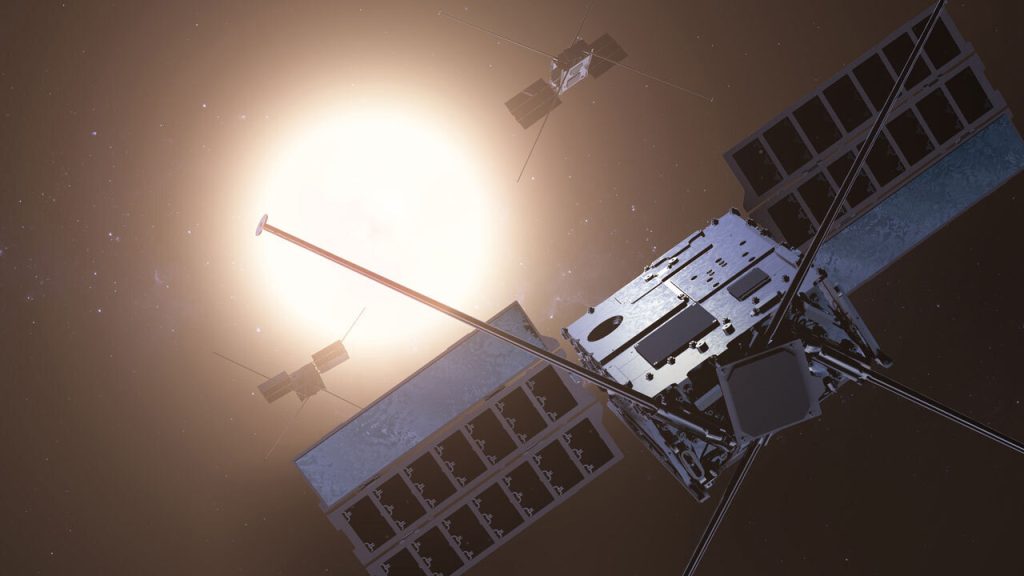
SunRISE will operate from a distinctive location high above Earth. The six spacecraft are planned to fly slightly above geosynchronous orbit, roughly 22,000 miles, or 35,000 kilometers, above Earth’s surface. Their formation will allow the spacecraft to make coordinated measurements while remaining far enough above the atmosphere to observe radio wavelengths that ground-based telescopes cannot detect.
Solar Radio Bursts Will Be the Mission’s Main Target
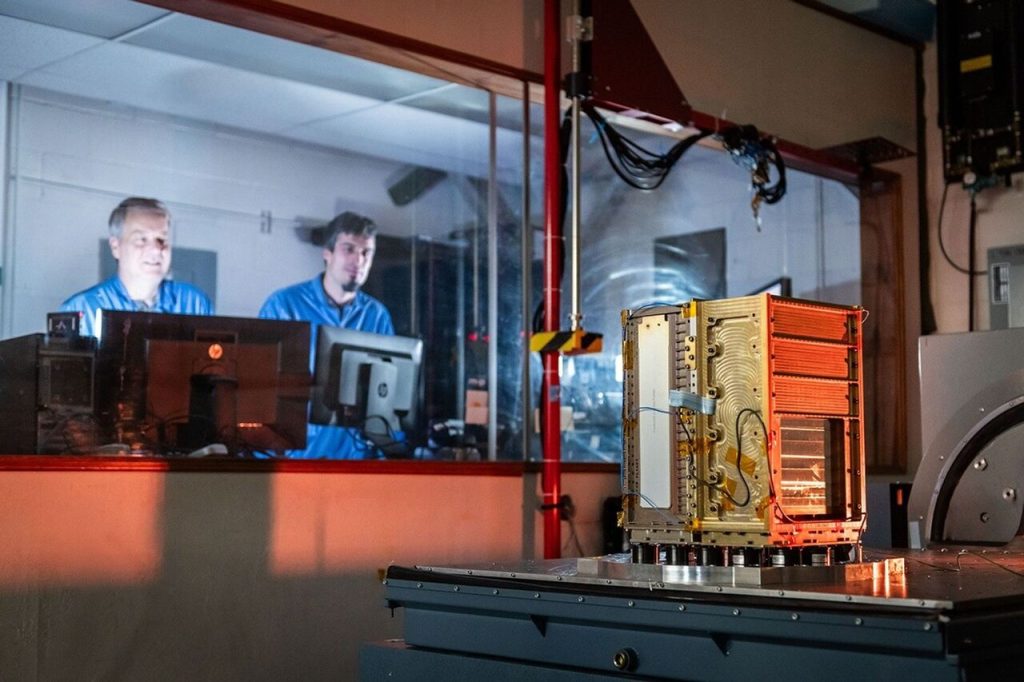
The six spacecraft will listen for radio bursts produced within the Sun’s corona when particles are accelerated to high energies. These radio signals provide scientists with information about powerful solar particle events and how energetic particles leave the Sun. SunRISE is designed to determine where these bursts originate and help researchers understand the processes that drive some of the Sun’s most hazardous space-weather activity.
The Signals Could Give Forecasters More Warning

One of SunRISE’s most practical goals is understanding dangerous solar particle events before their effects reach spacecraft and astronauts. The radio waves produced by these events reach Earth before the energetic particles themselves. By tracking the radio bursts and their approximate locations and directions, SunRISE could provide information that helps researchers improve predictions and mitigation strategies for space-weather events that can damage spacecraft and pose radiation risks to people in space.
Falcon Heavy Will Give SunRISE Its Ride to Space
SunRISE will not launch on a rocket dedicated solely to the mission. NASA plans to send the spacecraft aboard a SpaceX Falcon Heavy from Kennedy Space Center in Florida as a rideshare with a payload sponsored by the U.S. Space Force’s Space Systems Command. NASA previously planned to use a United Launch Alliance Vulcan Centaur, but changed the launch vehicle in July 2026.