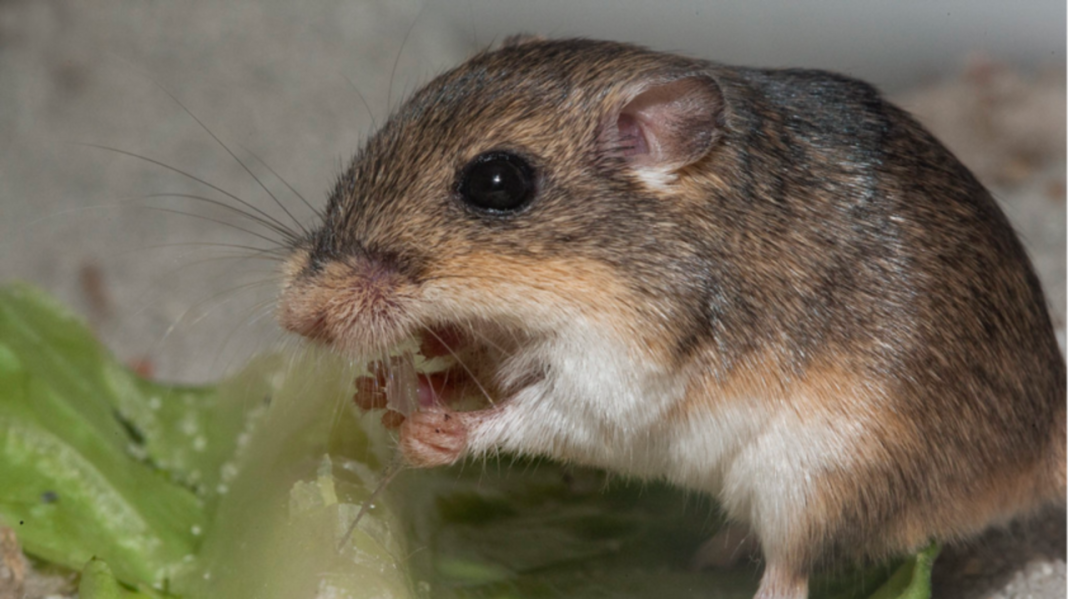

A tiny mammal once believed to have vanished from Southern California is getting another chance in the wild. The Pacific pocket mouse has now been reintroduced to a new area at Marine Corps Base Camp Pendleton, creating the third reintroduced population supported by a long-running conservation program. From carefully managed breeding to habitat restoration and predator-awareness training, years of work are helping this endangered mouse return to parts of its historic range.
A Third Reintroduced Population Takes Root at Camp Pendleton
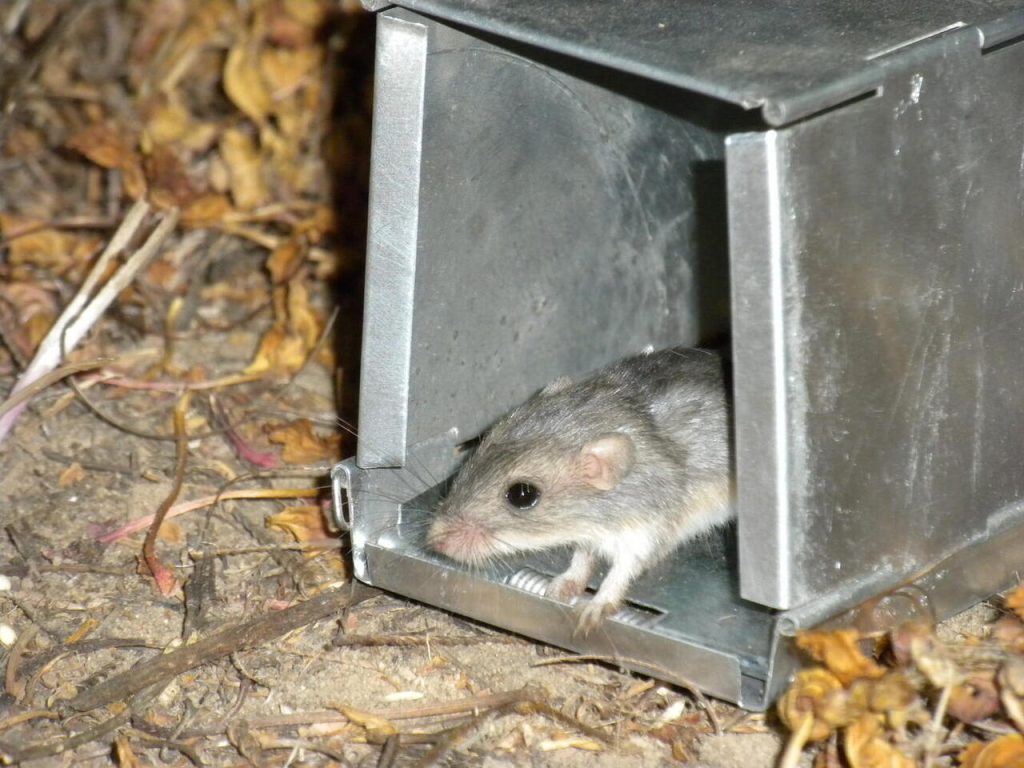
The newest chapter in the Pacific pocket mouse recovery effort is unfolding at North San Mateo, a training area within Marine Corps Base Camp Pendleton. This is the third reintroduced population established through the conservation program, following a population at Laguna Coast Wilderness Park in 2016 and another at Camp Pendleton in 2024. Creating additional populations is important because concentrating the species in only a few isolated places leaves it more vulnerable to a single disaster or prolonged environmental pressure.
A Mouse Once Believed to Be Gone Forever
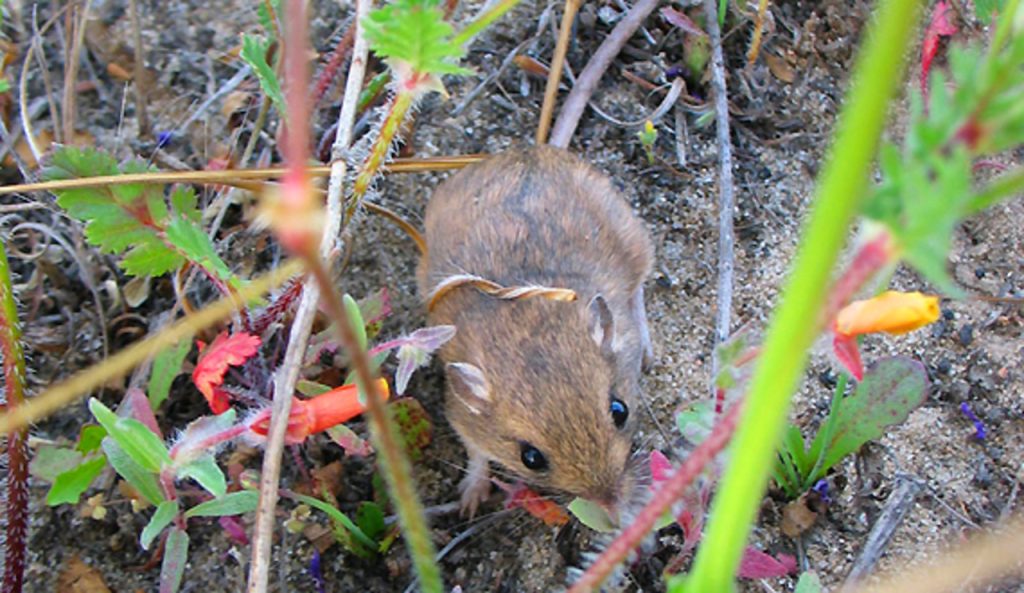
The Pacific pocket mouse’s comeback is remarkable because scientists once thought the species had disappeared entirely. The tiny mammal was rediscovered in 1993, when a small remnant population was found in Orange County. It is about the size of a human thumb and weighs roughly as much as three pennies, yet it remains one of North America’s most endangered mammals. Following its rediscovery, it received emergency protection under the federal Endangered Species Act, setting the stage for decades of intensive recovery work.
More Than 500 Mice Have Been Released
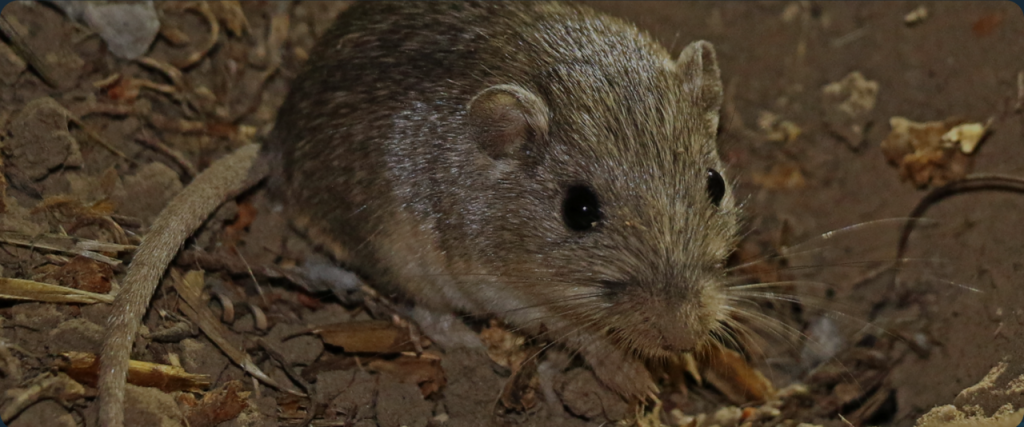
Two decades of conservation work have produced a substantial number of new opportunities for the species. Since the Pacific Pocket Mouse Conservation Program began in 2006, San Diego Zoo Wildlife Alliance says it has released more than 500 Pacific pocket mice into new and existing populations throughout the animals’ native range. The program has also established methods for breeding, preparing and moving mice into suitable habitat. The goal is not simply to put more animals on the landscape, but to create populations capable of surviving and reproducing in the wild.
Conservation Breeding Builds Better Candidates for Release
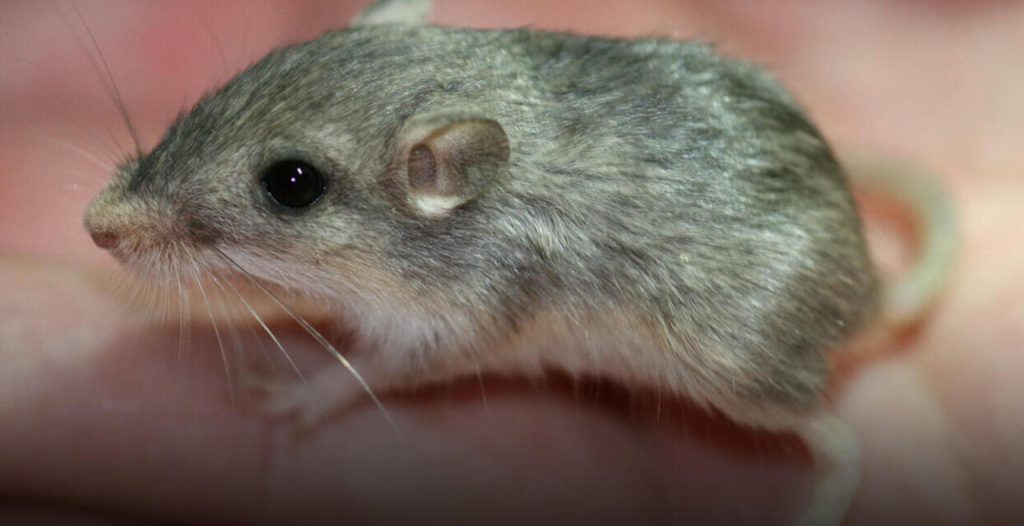
Raising Pacific pocket mice for conservation is more complicated than simply breeding as many animals as possible. Since 2012, the program has used conservation breeding to produce mice that are both genetically diverse and behaviorally prepared for life in their native habitat. Researchers have developed ways to assess important survival skills, including recognizing predators, competing for resources, finding appropriate food and constructing burrows. Those preparations are intended to give released mice a better chance of surviving long enough to reproduce and establish a lasting population.
Tiny Burrowers Help Shape Their Coastal Habitat
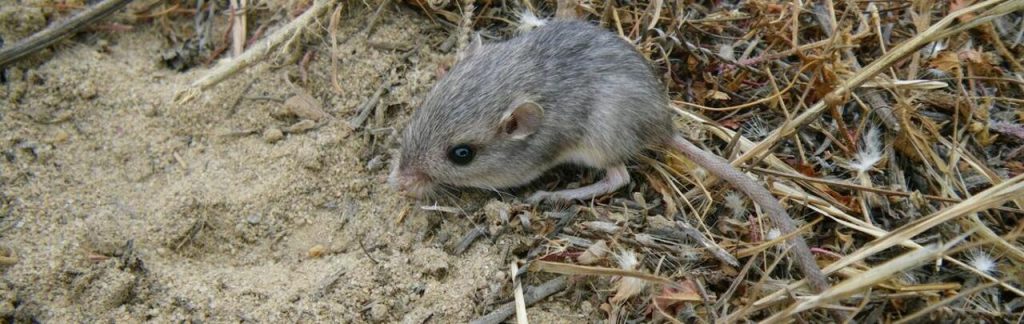
Their small size hides an outsized ecological role. Pacific pocket mice are considered ecosystem engineers because their digging changes conditions in the soil. Their burrows can improve soil hydrology and nutrient cycling, while the underground spaces also provide shelter for other animals. Restoring a pocket mouse population therefore does more than protect one endangered mammal. It can also help restore ecological functions that were diminished as the species disappeared from portions of its native Southern California habitat.
A Network of Conservation Partners Is Behind the Comeback
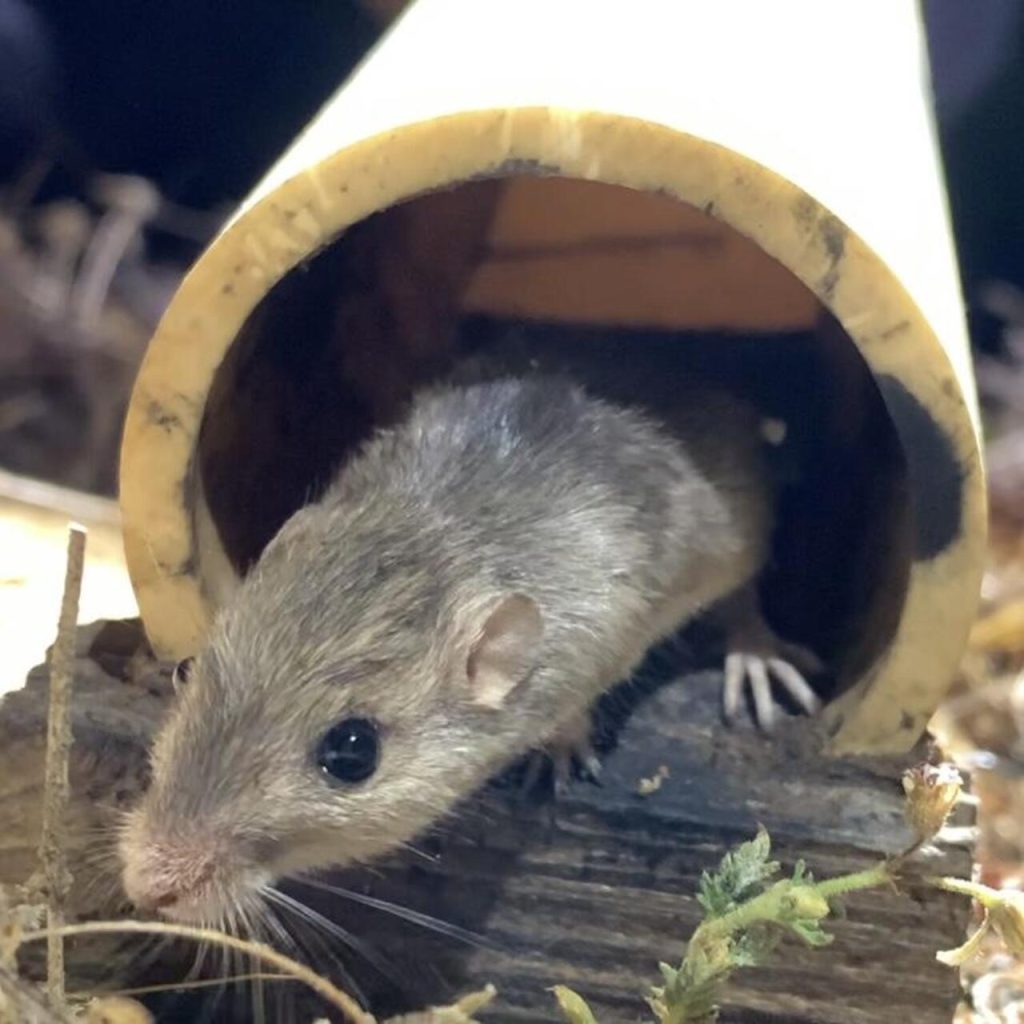
This recovery effort has never been the work of a single organization. San Diego Zoo Wildlife Alliance is working alongside the U.S. Fish and Wildlife Service, California Department of Fish and Wildlife, U.S. Geological Survey and Marine Corps Base Camp Pendleton. Together, the partners have worked on protecting existing populations, restoring and managing habitat, developing scientific knowledge and establishing new populations. The program has also refined reintroduction methods over years of research and shared those techniques with partner agencies, allowing successful approaches to be used beyond a single release site.