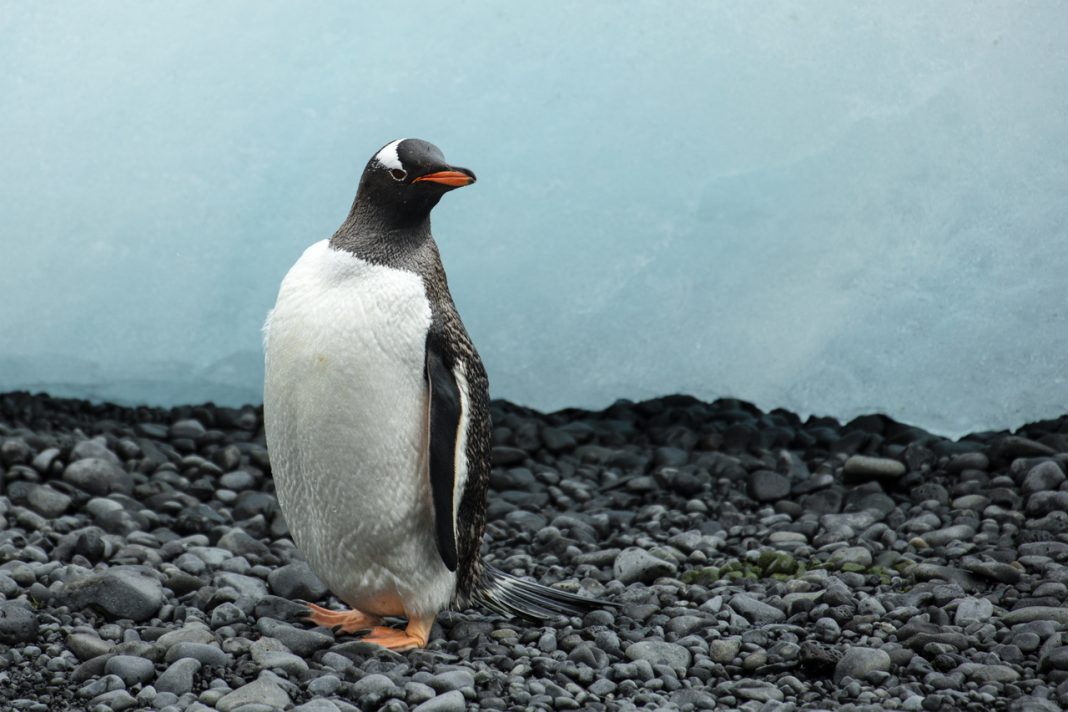

Scientists have identified a new penguin species for the first time in more than a century, and the discovery came from birds researchers have been studying for years. The newly recognized southeastern gentoo penguin lives on the remote Kerguelen Islands in the southern Indian Ocean. Advanced genetic analysis revealed that what was once considered a single gentoo penguin species actually contains four distinct evolutionary lineages. The finding highlights how much scientists can learn when modern DNA analysis is combined with geography, ecology and physical characteristics. It also gives researchers a clearer picture of how penguins evolved in different environments and raises new conservation questions as climate conditions change across the Southern Ocean.
A New Penguin Species Was Hidden in Plain Sight
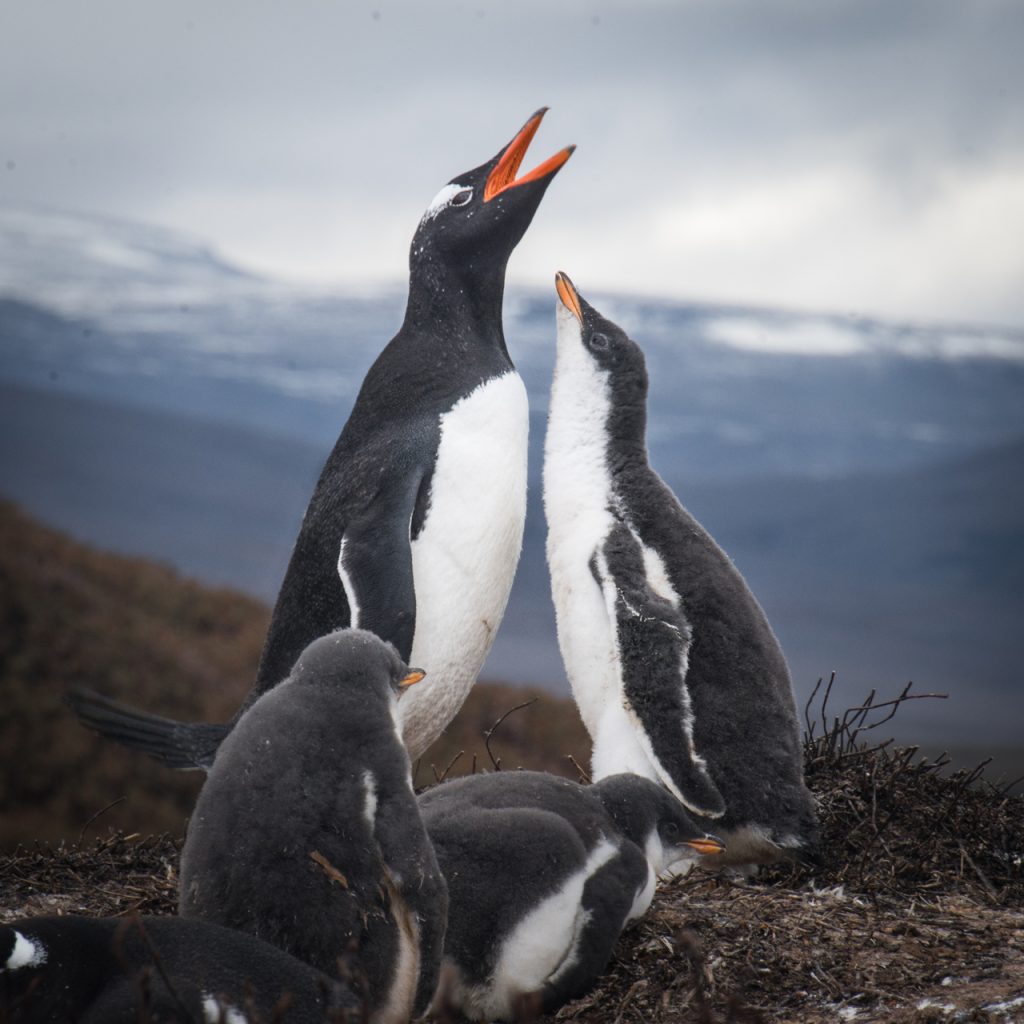
The newest penguin species is not an animal that suddenly appeared on a remote island waiting to be photographed for the first time. Scientists have known about the birds of the Kerguelen Islands for generations, but they had been classified as part of the broader gentoo penguin group. New genomic research has now shown that these birds represent a distinct evolutionary lineage, formally described as Pygoscelis kerguelensis, or the southeastern gentoo penguin. The species is especially interesting because its physical appearance is remarkably similar to other gentoos, with only relatively subtle differences such as body size and vocalizations. Its genetic differences, however, are much clearer. The researchers’ work revealed that the gentoo group actually contains four distinct evolutionary lineages, making the Kerguelen population a previously unrecognized species. The study was published in Communications Biology in April 2026.
The Southeastern Gentoo Lives on a Remote Island
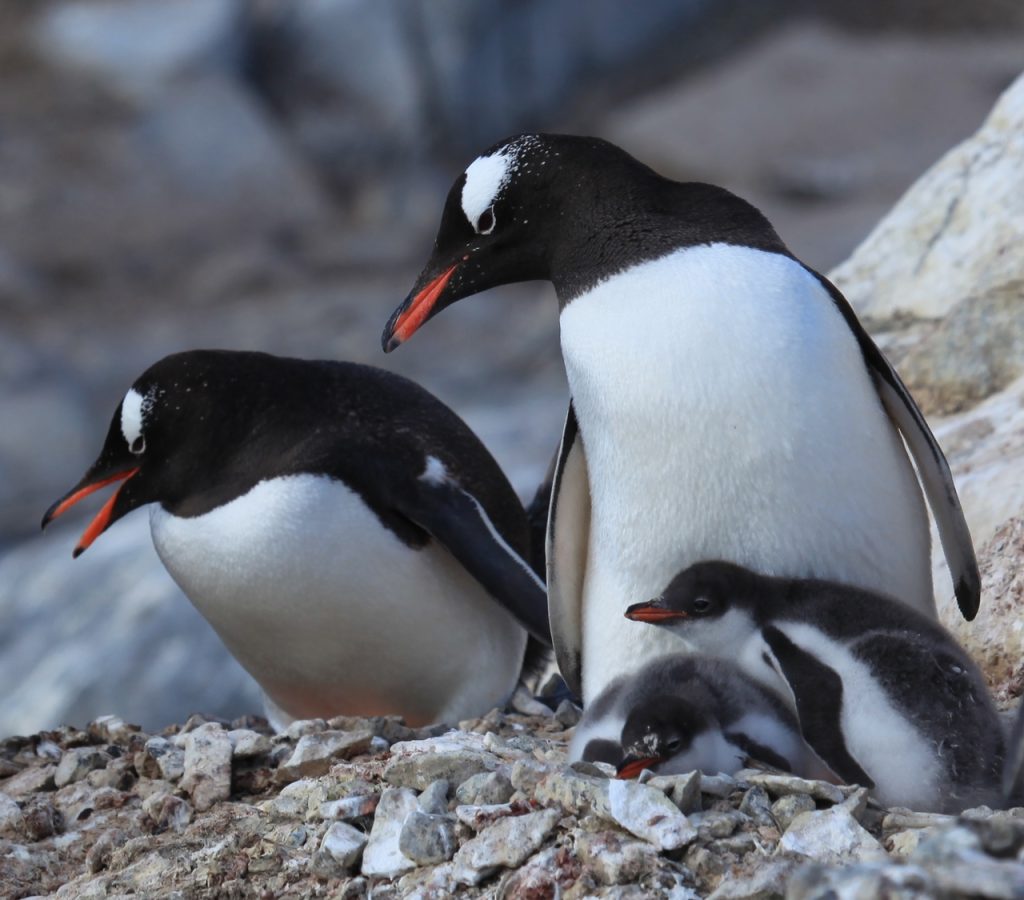
Geography may be one of the biggest clues to understanding how this penguin remained unrecognized for so long. The newly described southeastern gentoo lives on the Kerguelen Islands, a remote group in the southern Indian Ocean, roughly 1,200 miles north of Antarctica and nearly 2,000 miles from any permanently inhabited landmass. The isolation of these islands has given the penguins a long period in which their population could evolve separately from other gentoo groups. Researchers found that the Kerguelen birds form a distinct genetic lineage, supported by evidence from their evolutionary history and local environment. The study also points to geographic barriers such as the Antarctic Polar Front as factors that can restrict movement between populations. Over hundreds of thousands of years, limited contact between groups can allow genetic differences to accumulate.
One Gentoo Penguin Group Is Actually Four Species
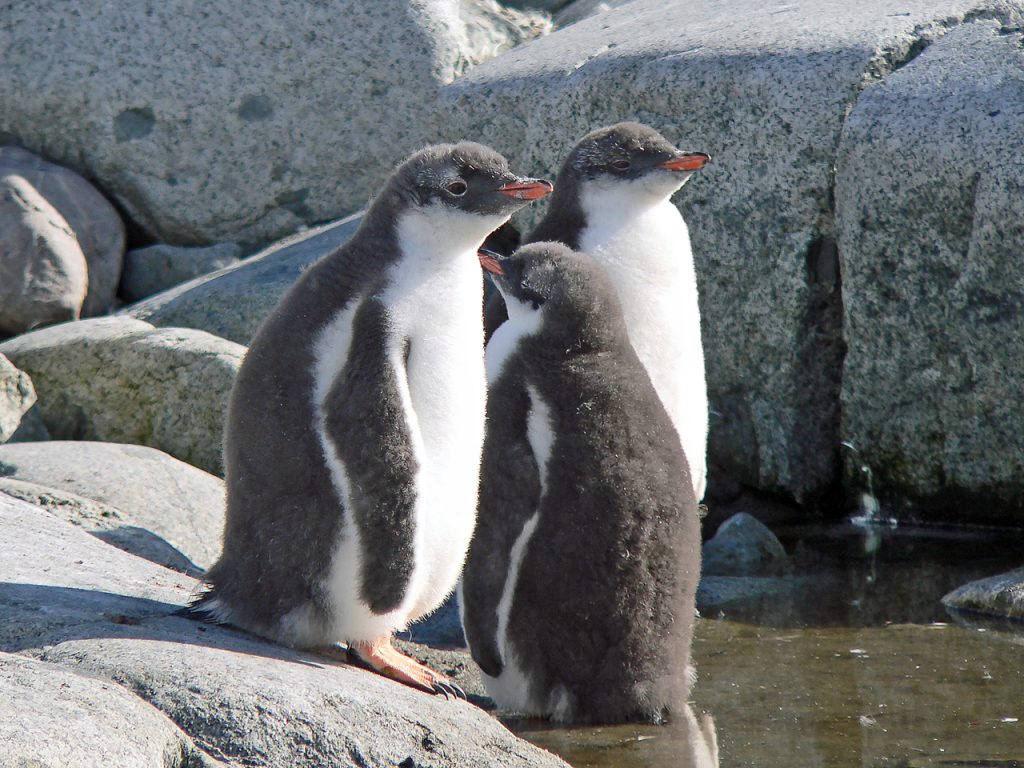
The discovery changes the picture of gentoo penguin diversity. What scientists had historically treated as one widespread species is now proposed to contain four distinct species: the northern gentoo, southern gentoo, eastern gentoo and newly described southeastern gentoo. The researchers examined whole-genome data from 64 penguins representing 10 breeding colonies across much of the group’s geographic range. Their analysis revealed four strongly differentiated evolutionary lineages. The northern lineage is associated with the Falkland/Malvinas and Martillo Islands, while the southern lineage occurs around the Antarctic Peninsula, coastal Antarctica and South Georgia. The eastern lineage occurs on islands including Crozet, Marion and Macquarie, while the southeastern lineage is centered on Kerguelen. The study therefore did not discover four completely unknown populations. Instead, it showed that populations scientists already knew about had been grouped together too broadly.
DNA Provided the Clue Their Appearance Could Not
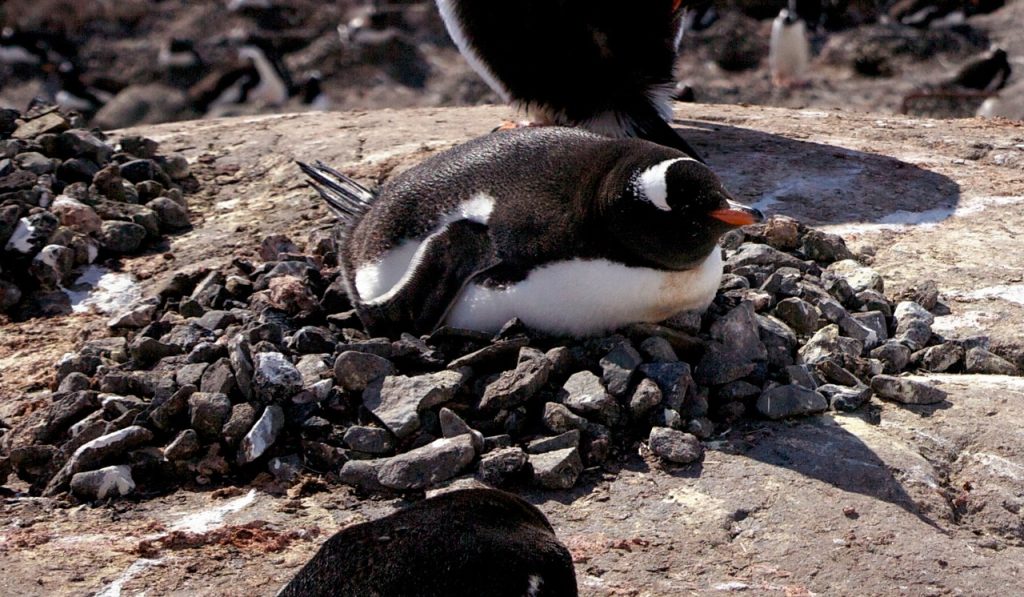
These penguins demonstrate why looking at an animal’s appearance alone can sometimes give an incomplete picture of biodiversity. The southeastern gentoo is considered a cryptic species because it looks so much like its close relatives that its separate identity is difficult to establish from outward characteristics alone. Researchers used whole-genome sequencing to examine the birds at a much finer level, finding substantial genetic differentiation among the four main lineages. The genetic evidence was not considered in isolation. The researchers also examined ecological, morphological, behavioral and geographic differences when assessing the lineages. Their results indicate that the four groups diverged roughly 300,000 to 500,000 years ago, with geographic isolation and environmental differences helping shape their separate evolutionary paths. The discovery shows how modern genomic techniques can uncover species boundaries that may not be obvious from field observations or museum specimens.
Their Environments Have Shaped Their Evolution
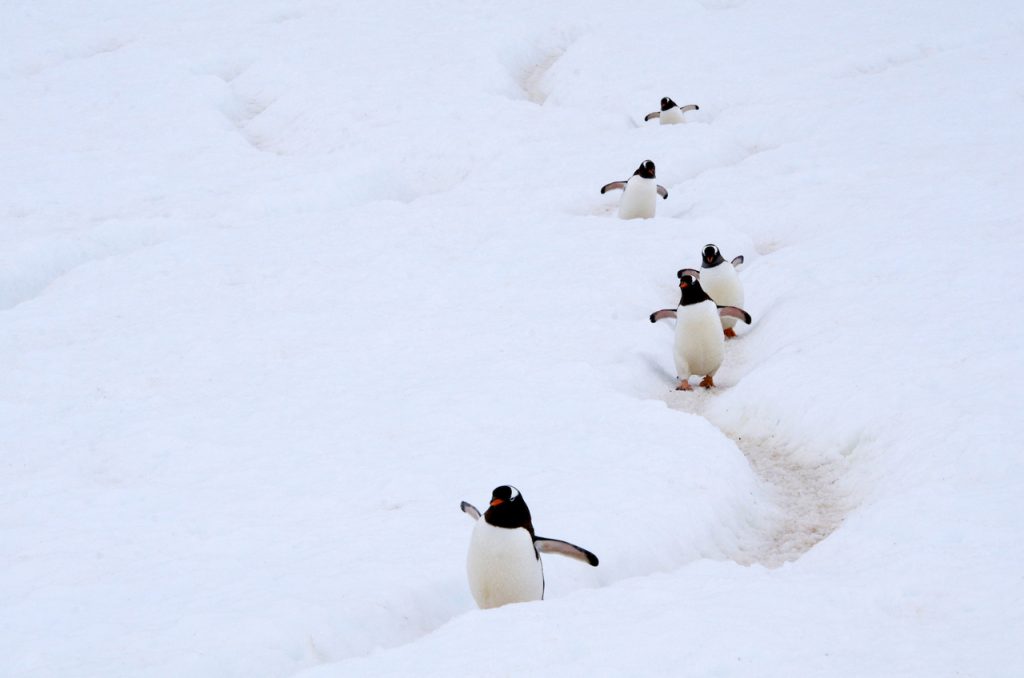
The four gentoo lineages have been living under different environmental conditions, and their genomes contain clues that those differences have mattered. Researchers found lineage-specific signals of natural selection involving genes connected with thermoregulation, oxygen transport, metabolism and skeletal development. The southern gentoo, which is the only one of the four lineages living in Antarctica, showed signals associated with processes such as heat generation and fat and lipid storage that fit its colder environment. The eastern lineage showed genetic signals connected with oxygen transport and energy-efficient metabolism, traits potentially relevant to its diving lifestyle. The researchers also identified differences involving other biological functions across the lineages. These findings do not mean individual genes have been proven to directly cause particular behaviors or physical characteristics. Instead, they provide evidence that different environments have placed different evolutionary pressures on the four populations over time.
The Discovery Comes With a Conservation Warning
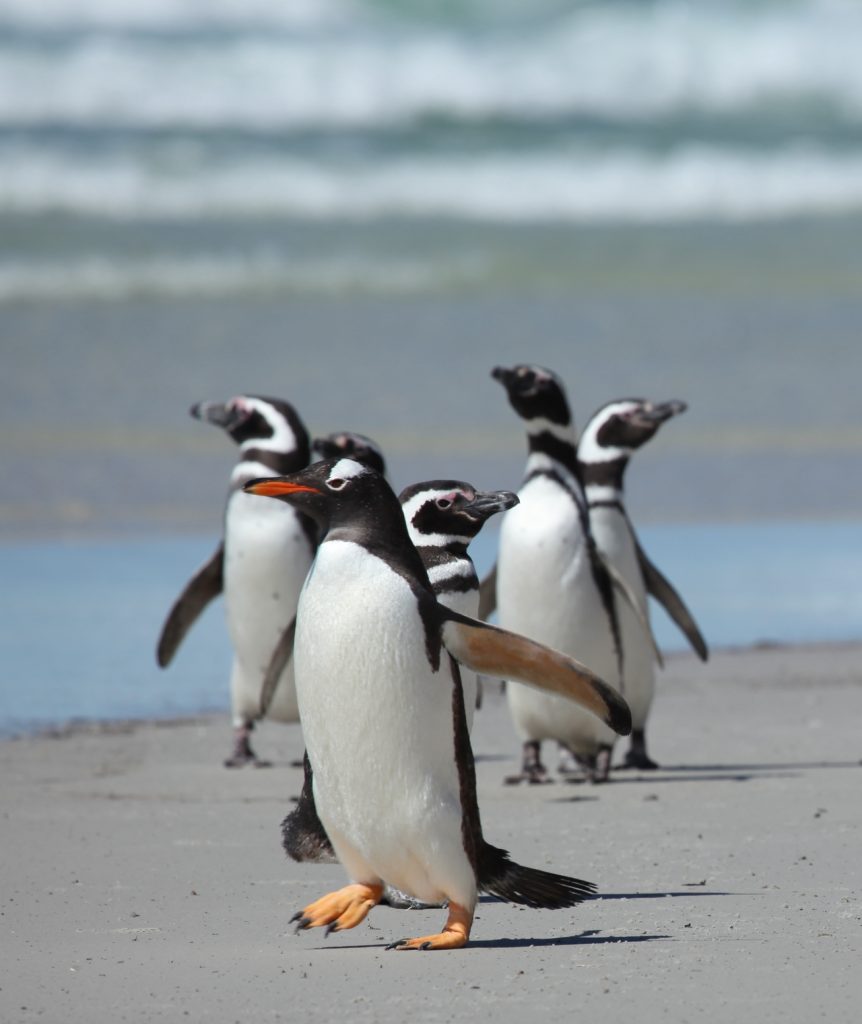
Finding a new species is usually a reason for celebration, but the research also highlights how vulnerable some of these newly recognized populations may be. The scientists used future habitat projections to examine how climate-related environmental changes could affect the four gentoo species. Their models indicate severe potential habitat losses for the northern, southeastern and eastern lineages. The southern gentoo is different in the projections, with the study indicating that its suitable range could potentially expand. The contrast is important because treating all gentoos as one species can hide the very different circumstances faced by individual populations. Once the lineages are recognized separately, scientists can examine their conservation needs at a much more specific level. The researchers say the findings have important conservation implications, particularly for the sub-Antarctic populations facing environmental changes.