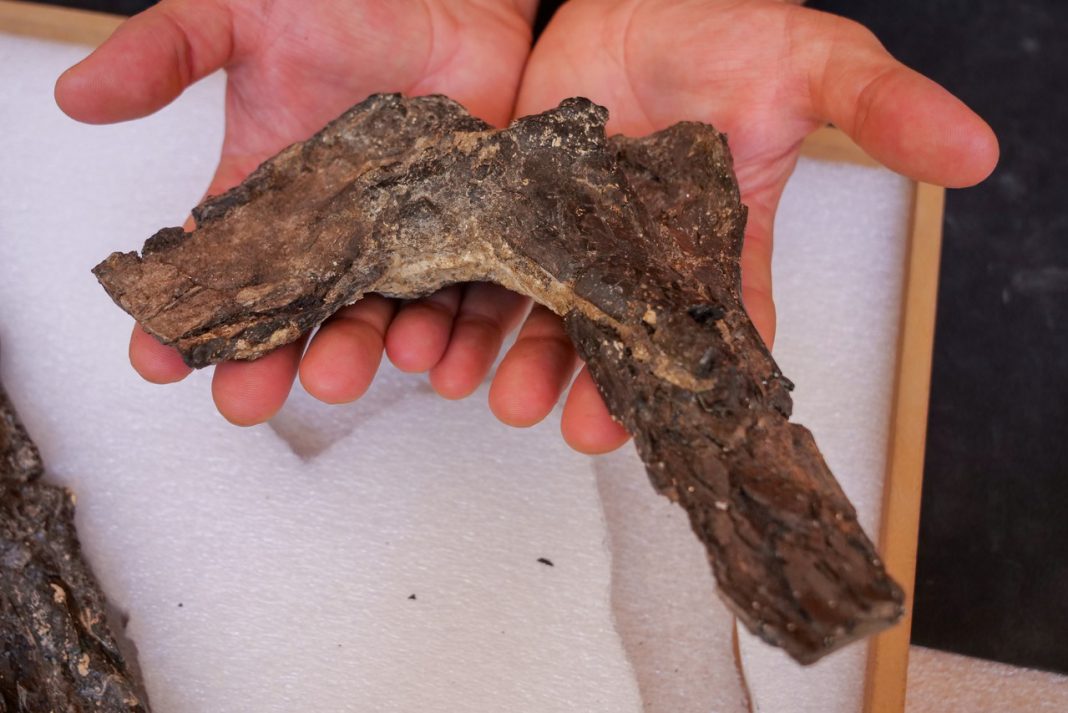

A 115-million-year-old dinosaur fossil from Brazil is giving scientists an extraordinary glimpse into the biology of prehistoric life. Researchers have identified microscopic structures resembling red blood cells, along with chemical traces associated with hemoglobin, inside the dinosaur’s bones. The discovery could shed new light on how soft biological material survives fossilization, although scientists are still investigating exactly what these ancient traces represent.
Microscopic Structures Resembling Red Blood Cells Were Found Inside Dinosaur Bones
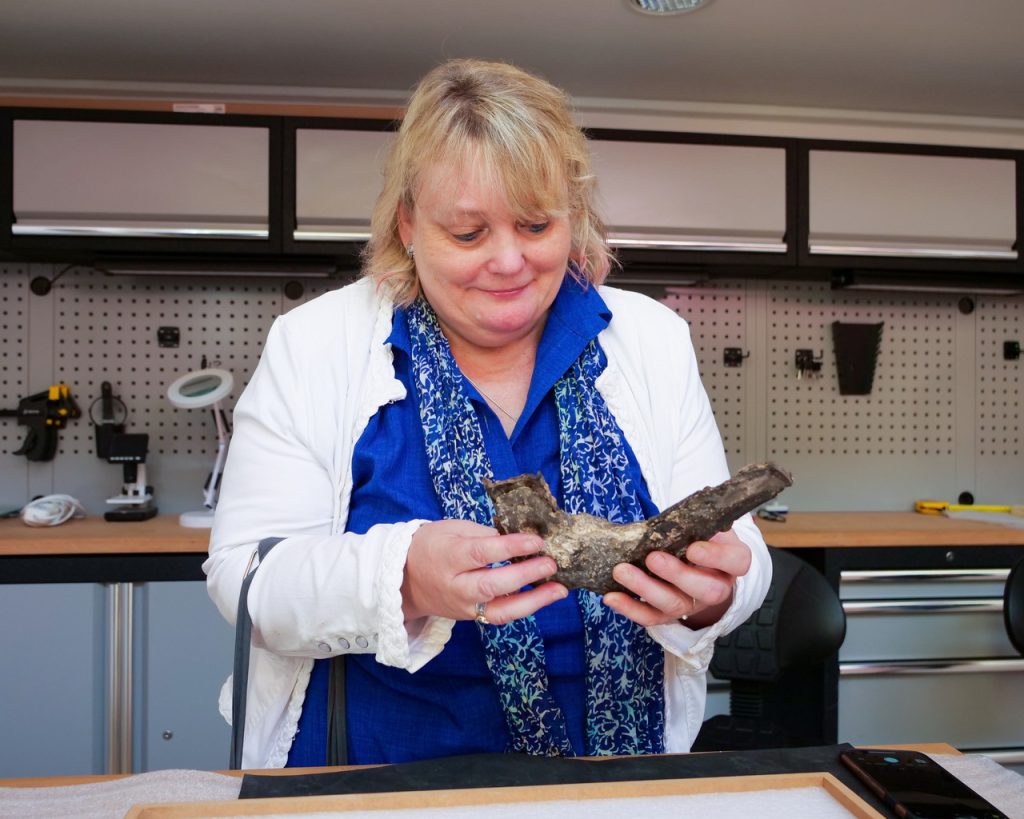
Dinosaur fossils may hold far more biological information than scientists once believed. An international research team led by Professor Kliti Grice of Curtin University in Australia has identified microscopic structures resembling red blood cells inside the limb bones of a 115-million-year-old dinosaur. The structures were discovered within vascular canals, tiny channels that once carried blood vessels through the animal’s bones. Researchers used advanced imaging techniques, including electron microscopy, to examine their shape, size and location. Chemical analyses also detected heme-related compounds associated with the structures, strengthening the possibility that they represent remnants of ancient blood cells. The findings are particularly significant because soft biological material is extremely difficult to preserve over geological timescales. However, the interpretation is not without debate. Some paleontologists have questioned whether the structures have the expected shape of red blood cells in non-mammalian animals, which typically retain their nuclei. The researchers therefore describe the discovery as an important source of evidence for understanding how biological structures and their chemical traces can survive fossilization.
The Fossil Belonged to a 115-Million-Year-Old Aratasaurus From Brazil
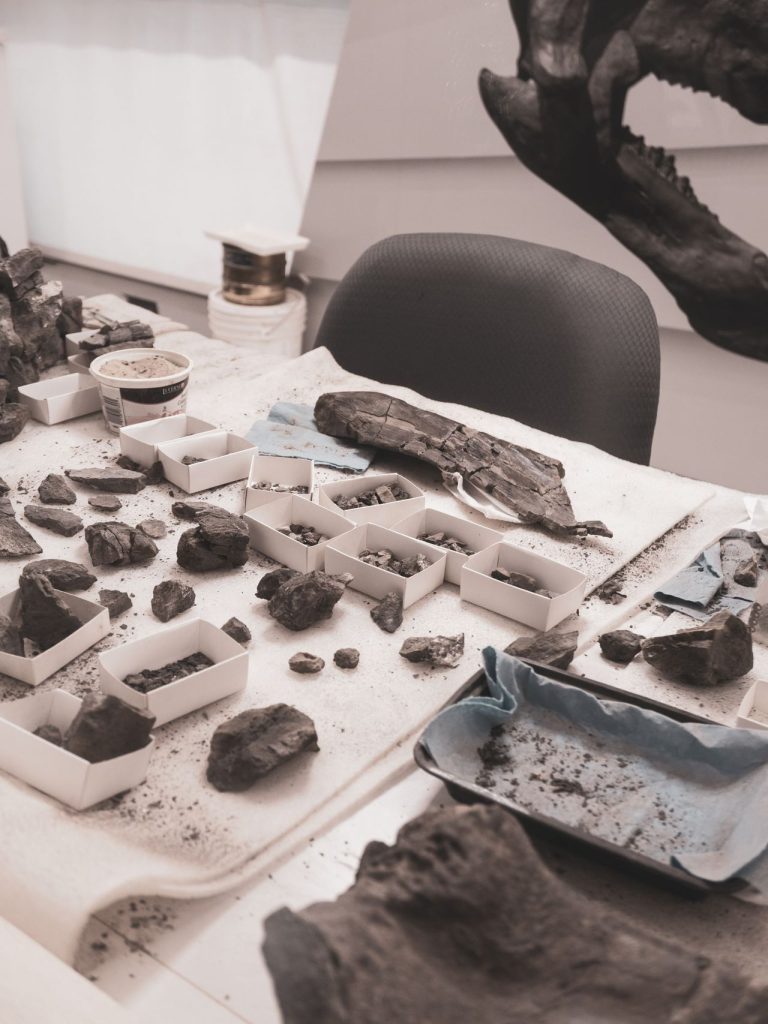
The discovery takes researchers back to the Early Cretaceous period, when a small meat-eating dinosaur called Aratasaurus museunacionali lived in what is now northeastern Brazil. The fossil examined in the study came from an individual estimated to have been around four years old when it died. Researchers believe the animal measured approximately 3.1 meters from head to tail and weighed about 34 kilograms. Its remains were recovered from a gypsum mine in Ceará state in 2008 and included parts of the right femur, tibia and foot. These limb bones eventually became the focus of the investigation into ancient biological preservation. Interestingly, the scientists were not initially searching for dinosaur blood when they began examining the material. Their broader goal was to understand how much biological information could survive fossilization. The unexpected discovery of cell-like structures and heme-related chemical traces made the specimen particularly valuable. It also demonstrates why previously collected museum and research fossils may deserve closer examination using modern analytical methods.
Chemical Tests Detected Heme, an Important Component of Hemoglobin
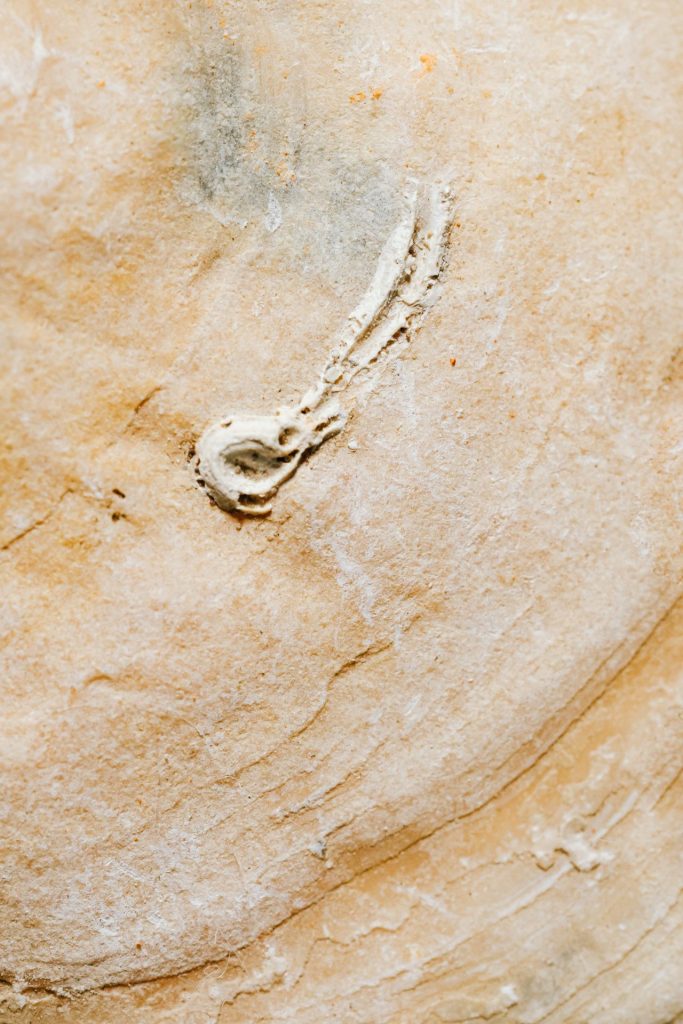
The most intriguing part of the discovery lies in the chemistry hidden inside the fossil. Researchers detected heme, an iron-containing molecule that forms an essential part of hemoglobin, the protein responsible for carrying oxygen in red blood cells. This finding matters because identifying a structure that merely resembles a biological cell is not enough to establish what it originally was. Chemical evidence provides another way to investigate its identity. The research team combined several techniques, including mass spectrometry, Raman spectroscopy and electron microscopy, to examine the microscopic structures and their surrounding mineral material. They also identified collagen-related amino acids, offering additional evidence of biological material within the fossil. The researchers argue that the combination of microscopic structures, their location inside vascular canals and the associated heme signatures provides unusually strong evidence of ancient blood-cell remains. However, this does not mean intact dinosaur blood or complete hemoglobin molecules survived for 115 million years. The researchers also found no ancient dinosaur DNA. Instead, the discovery involves preserved mineralized structures and chemically altered molecular traces that could help scientists investigate the biology of extinct animals.
Mineralization and Ancient Microbial Conditions May Have Helped Preserve the Biological Traces
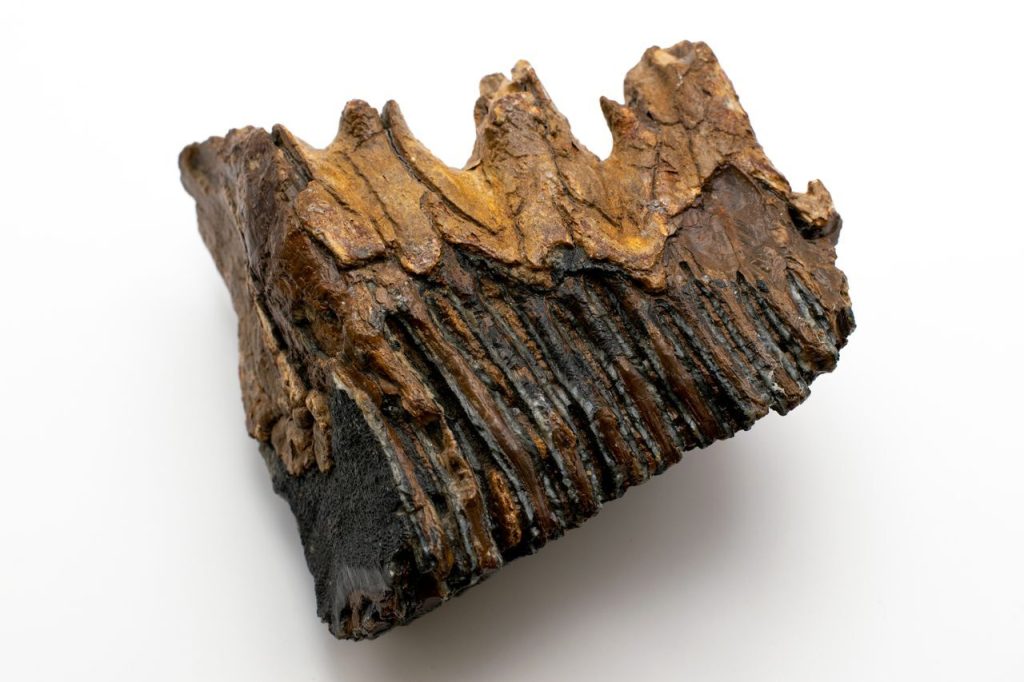
Preserving biological material for more than 115 million years requires an unusual combination of environmental conditions. Researchers believe the Aratasaurus specimen benefited from rapid burial in a low-oxygen environment rich in microorganisms. The dinosaur apparently died on or near a microbial mat, a thin community of bacteria and other microorganisms commonly found in coastal environments. Such microbial communities may have influenced decomposition and helped create conditions favorable to preservation. Another important factor was hausmannite, a naturally occurring manganese oxide mineral found in the fossil. Researchers suggest that this mineralization helped stabilize or replicate delicate microscopic structures before they could completely break down. It may also have protected some of the associated chemical traces over geological time. The fossil therefore offers an opportunity to understand how minerals, microorganisms and burial conditions can work together to preserve evidence of ancient life. Scientists are now exploring whether similar processes can be recreated under laboratory conditions, including experiments involving modern microbial mats from Shark Bay in Western Australia. If successful, this research could help explain why some fossils preserve biological traces that others lose entirely.