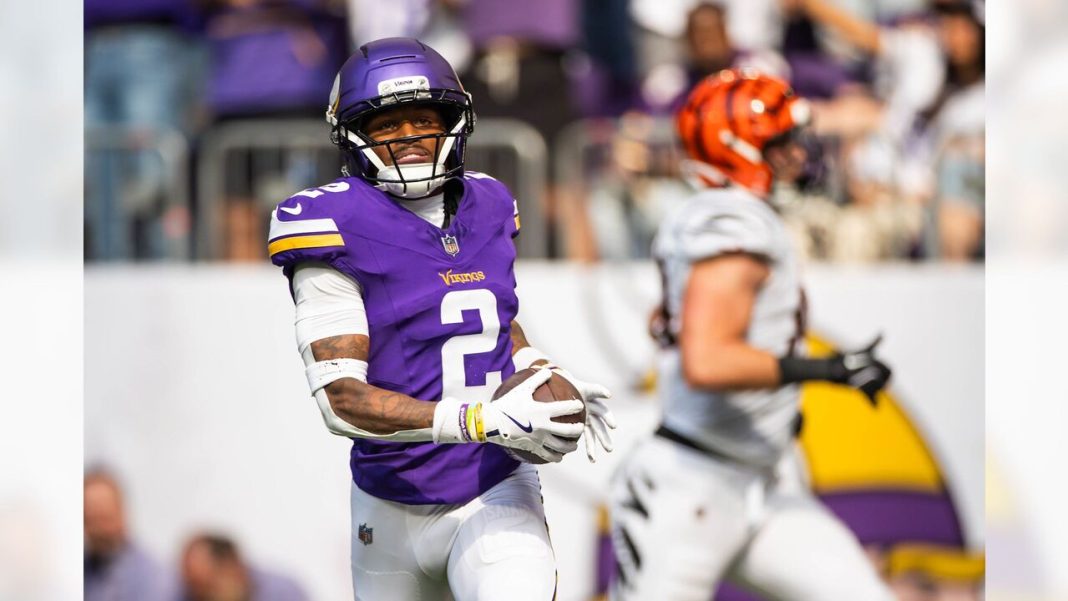

The NFC North rivalry takes center stage as the Minnesota Vikings travel to Ford Field to face the Detroit Lions on Sunday. Both teams have plenty at stake, with Minnesota looking to maintain its unbeaten start and Detroit hoping to strengthen its position in the division. From Jared Goff’s battle against Brian Flores’ aggressive defense to Jahmyr Gibbs’ growing role in Detroit’s offense, several individual matchups could shape the outcome. Here are six storylines worth watching as these division rivals prepare to meet.
Minnesota’s Aggressive Defense Tests Jared Goff
Detroit’s offense has plenty of firepower, but Sunday’s matchup presents a particularly difficult challenge for Jared Goff. Minnesota defensive coordinator Brian Flores has developed one of the NFL’s most disruptive defensive systems, built around disguising coverages, bringing pressure from unexpected positions, and forcing quarterbacks to make quick decisions. The Vikings blitz on approximately 70% of defensive plays, comfortably the highest rate in the league. That approach has helped Minnesota establish itself as the NFL’s top scoring defense, allowing just 12.3 points per game entering Week 8. Goff, however, is having an excellent season, throwing 14 touchdown passes without an interception through six games. He also leads the league in passer rating at 112.5. Detroit’s offensive line, which has earned the highest grade from Pro Football Focus, will be crucial in giving him enough protection to identify Minnesota’s defensive disguises. The interesting question is whether Flores can disrupt Goff’s rhythm or whether the Lions quarterback can use his experience and quick decision-making to punish the blitz.
Justin Jefferson Looks to Make Noise at Ford Field
Sometimes a familiar stadium can bring out the best in a player, and Justin Jefferson has certainly enjoyed his trips to Ford Field. The Minnesota wide receiver has collected 831 receiving yards and three touchdowns in six career appearances at Detroit’s home stadium, making it one of his most productive road venues. His individual production has been more modest recently, though, as Minnesota has shifted toward a more balanced offensive approach under quarterback Kyler Murray. Jefferson averaged 96.5 receiving yards per game during his first five NFL seasons, but that figure has dropped to 61.4 since the beginning of the 2025 season. The Vikings have still managed to win games without relying heavily on his receiving numbers, but Detroit’s defensive coverage could create an opportunity for Jefferson to become a bigger part of the offense. The Lions must also account for Jordan Addison, whose presence makes it harder to devote all their attention to Jefferson. With Minnesota looking to improve its passing production, a strong performance from its leading receiver could make a considerable difference.
Jahmyr Gibbs Faces a Tough Vikings Run Defense
Detroit’s running game has become increasingly dependent on Jahmyr Gibbs, who has embraced a larger role in the backfield following David Montgomery’s departure to Houston. Gibbs has responded with career-best production, averaging 103.3 rushing yards and 45 receiving yards per game entering the Vikings matchup. His versatility makes him difficult to defend because Detroit can use him between the tackles, outside the formation, or as a receiver out of the backfield. He has also become one of the league’s most productive players in terms of creating explosive plays and forcing missed tackles. Minnesota’s defense will need to account for his speed while remaining disciplined enough to prevent him from turning short gains into substantial yardage. The Vikings have allowed 119.3 rushing yards per game, giving Detroit a reasonable opportunity to establish its ground attack. Gibbs will also have an important responsibility in pass protection, particularly against Flores’ aggressive blitz packages. If he can contribute as both a runner and blocker, Detroit will have a better chance of keeping Goff comfortable and preventing Minnesota’s defense from dictating the game.
Detroit’s Defense Looks to Build on Recent Improvements
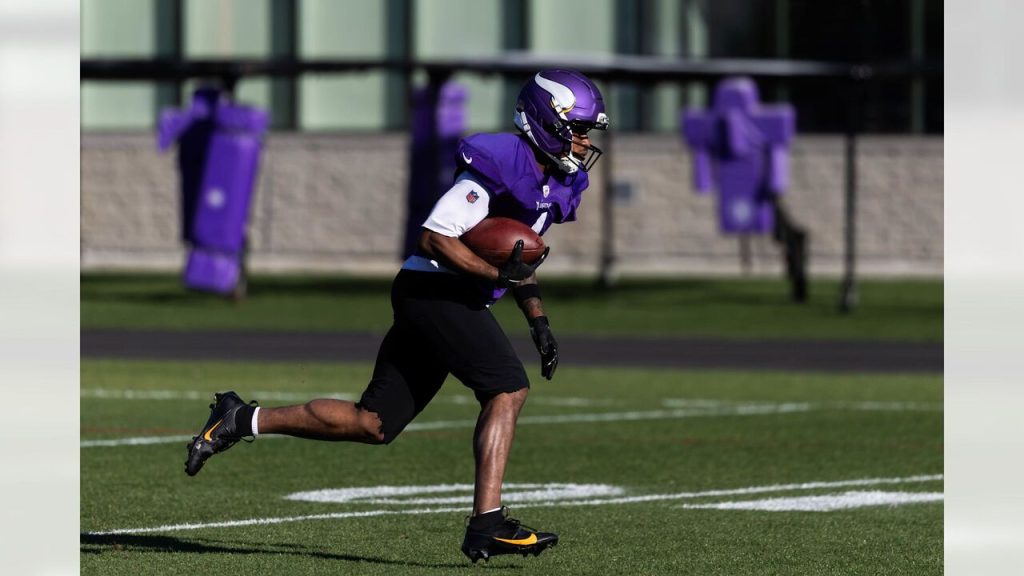
Detroit’s defense has experienced some difficult stretches this season, but its recent performances have offered reasons for optimism. The Lions limited the Green Bay Packers to 17 points in their Week 7 victory, their lowest points allowed in a game this season. They also forced an interception, restricted Green Bay’s rushing attack to just 60 yards, and prevented the Packers from converting consistently on third down. The return of safety Brian Branch provided another encouraging development. Branch made his season debut against Green Bay after recovering from an Achilles injury and immediately made an impact with an interception and four tackles. His versatility gives defensive coordinator Kelvin Sheppard another experienced playmaker capable of contributing in different coverage assignments. However, Minnesota presents a different challenge. Kyler Murray can extend plays with his mobility, while Jefferson, Addison, and former Lions tight end T.J. Hockenson provide several receiving options. Aaron Jones Sr. also gives the Vikings a reliable veteran presence in the backfield. Detroit will need to maintain its recent defensive discipline, particularly when protecting the middle of the field and limiting opportunities after the catch.
Kyler Murray and Minnesota’s Offensive Weapons Face a Major Test

Minnesota’s undefeated record has been built largely on its defense and special teams, but the offense still has considerable room for improvement. Through its first six games, the Vikings averaged 281.7 total yards and 20.8 points per game, numbers that place them among the league’s less productive offensive units. Murray has shown flashes of his playmaking ability since joining Minnesota, although his passing production has not consistently matched expectations. He has thrown for 812 yards and three touchdowns while recording two interceptions in the team’s first six games. His ability to move outside the pocket remains an important part of Minnesota’s offensive potential, but Detroit’s defense will try to prevent him from turning broken plays into significant gains. The Vikings also have several established weapons who could help Murray find his rhythm. Jefferson and Addison offer quality options downfield, while Hockenson can exploit coverage weaknesses over the middle. Detroit has struggled at times against opposing tight ends, making Hockenson an especially interesting player to watch against his former team. Minnesota does not necessarily need a huge passing performance, but it will need more consistent offensive execution if it hopes to remain unbeaten.
Winning the Battle in the Trenches Could Decide the Game
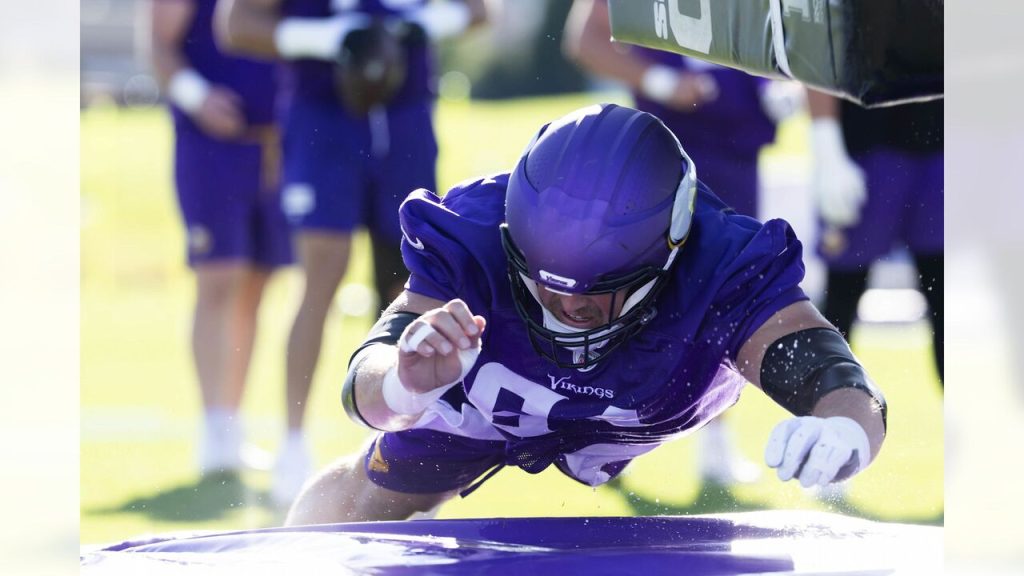
The matchup between the offensive and defensive lines could quietly determine how this divisional contest unfolds. Detroit has one of the league’s strongest offensive lines, and its ability to protect Goff will be particularly important against Minnesota’s frequent blitzes. The Lions cannot afford to allow Flores’ defenders to reach the quarterback before he has time to work through his progressions. Establishing the running game with Gibbs will also help. A productive ground attack can force Minnesota to respect the run, potentially creating more favorable passing situations for Goff. Detroit’s defensive front has its own responsibilities on the opposite side of the ball. The Lions have recorded 21 sacks, tying for the second-most in the NFL entering the matchup. Their ability to pressure Murray and contain Minnesota’s running game could prevent the Vikings from controlling possession. There is also an interesting statistical connection between Detroit’s defensive performance and its results this season. Opponents have averaged just 66.2 rushing yards in the Lions’ four victories, compared with 165 yards in their two defeats. Minnesota enters the game averaging 119.3 rushing yards per contest, making the battle along the line of scrimmage particularly important for both teams.