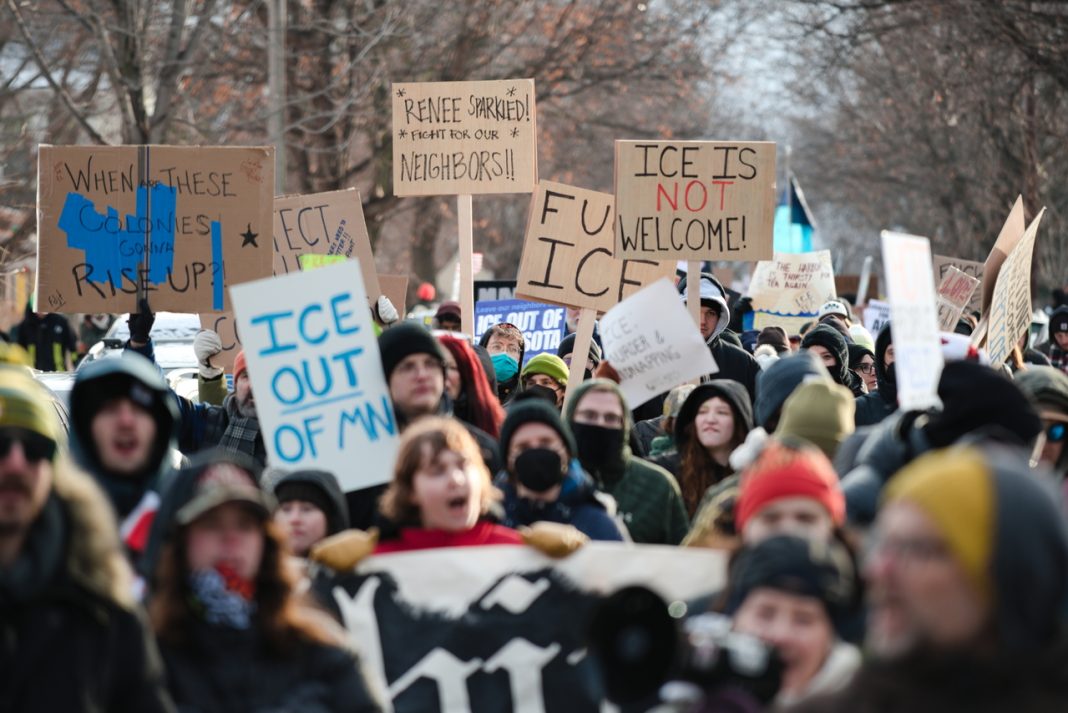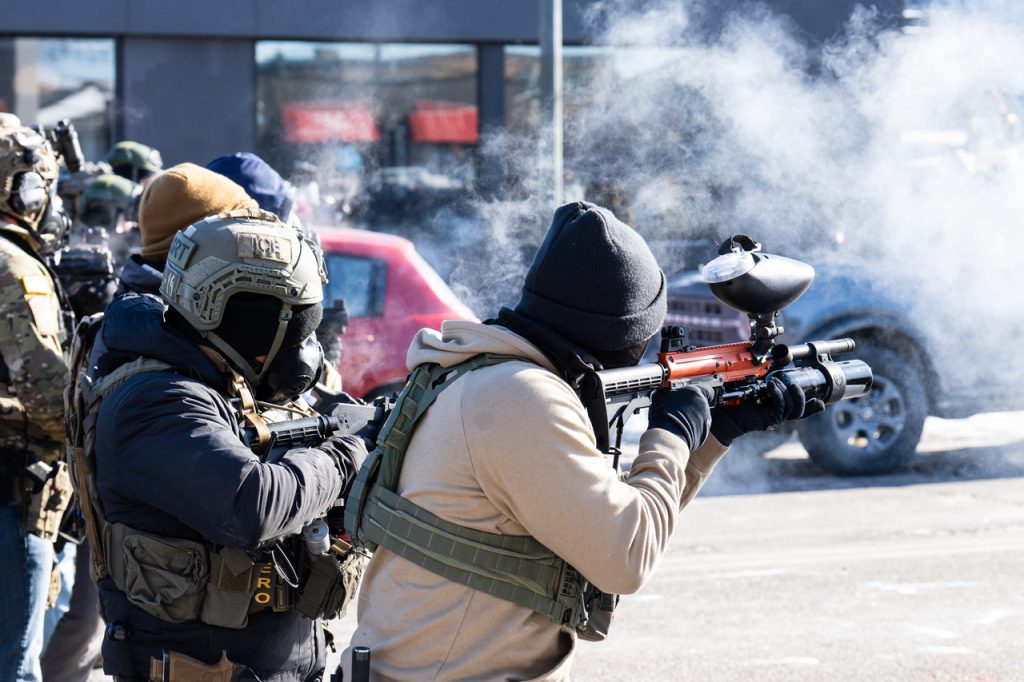
Federal agents fatally shot Alex Jeffrey Pretti, a 37-year-old Minneapolis resident and intensive care nurse, on January 24, 2026, during a high-tension immigration enforcement operation in the city. Video from the scene, statements from local officials, and reactions from family and community members reveal a chaotic confrontation that has raised serious questions about how and why the shooting unfolded. As state and federal authorities investigate accounts about whether Pretti posed a threat and how agents responded have fueled protests, legal challenges, and national debate over federal enforcement tactics.
What Happened During the Shooting
The fatal shooting of Alex Jeffrey Pretti unfolded on the morning of January 24, 2026, in Minneapolis amid a broader federal immigration enforcement operation in the city. Pretti, a 37-year-old U.S. citizen and registered intensive care nurse, was killed by U.S. Border Patrol agents, part of the Department of Homeland Security, during what officials described as an attempt to detain an undocumented individual. Available video footage shows a chaotic and fast-moving sequence. Pretti is first seen holding what appears to be a phone while filming or observing agents engaged in the operation. Multiple federal agents pepper-sprayed him and wrestled him to the ground.
Who Alex Pretti Was
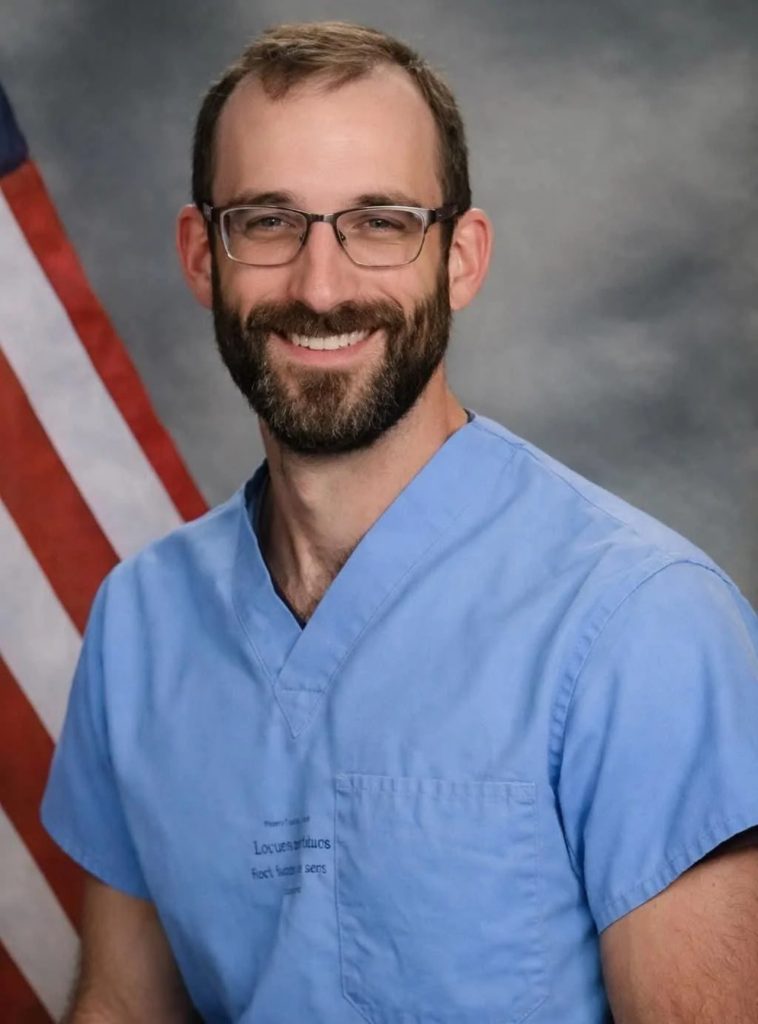
Far from a faceless name in a tragic headline, Alex Pretti was a devoted healthcare worker known for caring deeply about his community and patients. He worked as an intensive care nurse at the Minneapolis Veterans Affairs Health Care System, supporting critically ill veterans and earning the respect of colleagues for his empathy, skill, and calm presence. Pretti also held a degree from the University of Minnesota and had previously worked in medical research, reflecting a career grounded in service and scientific inquiry. Family members, friends, and coworkers remember Pretti as a generous, kind-hearted individual who was deeply committed to helping others. Co-workers described him as someone who put people at ease, often with a joke or a friendly word, and who brought compassion and professionalism to his work.
Federal Account vs. Witness Statements
The federal narrative, as presented by the Department of Homeland Security, centers on the claim that Pretti was armed and posed an imminent threat. According to DHS statements, he allegedly approached agents with a 9mm handgun and resisted efforts to disarm him, prompting an officer to fire defensively. Officials also suggested he carried multiple magazines and no identification at the time. That account has been met with skepticism from local law enforcement and community members. Minneapolis Police Chief Brian O’Hara acknowledged that Pretti was a lawful gun owner but stressed that videos available to the public show him holding a cellphone rather than a weapon moments before being tackled.
Witness statements and independent analyses of video material indicate Pretti was filming agents and attempting to help other individuals when he was subdued. The conflicting versions of events have intensified debate over what actually happened during the encounter. Family members have strongly disputed the federal description of Pretti’s actions, calling official claims “reprehensible” and asserting that he was not a threat. They maintain that he was trying to help a woman who had been pushed by agents, describing the government’s narrative as misleading and urging the public to seek the truth about their loved one’s death.
Investigation and Legal Actions Underway

In the immediate aftermath of the shooting, efforts to investigate the incident have been complicated by jurisdictional disputes. Minnesota officials, including the Hennepin County Attorney’s Office and the Minnesota Bureau of Criminal Apprehension (BCA), sought to secure the scene and launch an inquiry. A judge granted a temporary restraining order preventing federal agencies from destroying or altering evidence related to the shooting, underscoring the urgency of preserving materials as investigations proceed. State investigators reported that federal officials initially blocked local law enforcement from accessing the scene, despite having a search warrant. This tension between state and federal authorities has underscored broader concerns about jurisdiction and transparency, with local leaders demanding greater cooperation in gathering evidence.
Public Reaction and Broader Impact
Pretti’s death quickly became a flashpoint for public outcry and protest in Minneapolis and beyond. Hundreds of people gathered near the site of the shooting, holding vigils and demonstrations that called for justice and a halt to aggressive federal immigration enforcement tactics. Local officials, including Minnesota’s governor and mayor, publicly condemned the shooting, questioning federal narratives and demanding accountability. Reaction at the national level has been sharply divided along political lines. Some lawmakers have decried the use of force as excessive and unnecessary, calling for independent investigations and a reevaluation of federal operations in urban areas.
The shooting has also intensified broader debates about federal immigration enforcement, particularly the extended deployment of Border Patrol and ICE agents in interior cities like Minneapolis under Operation Metro Surge. Critics argue that using border-focused units for domestic enforcement raises questions about training, appropriateness, and accountability. Supporters of the federal operation emphasize security and law enforcement priorities, but the death of a U.S. citizen has brought renewed scrutiny to those tactics. In the wake of Pretti’s killing, protests spread to other cities, with demonstrators demanding transparency and systemic changes to immigration enforcement practices.
References
What we know about fatal shooting of Alex Pretti by federal agents in Minneapolis – bbc.com
Federal agents in Minneapolis shoot dead US citizen Alex Pretti – aljazeera.com