
What began as a series of federal immigration enforcement actions in Minnesota has grown into a reputational test for one of the state’s most recognizable companies. As ICE activity intensified, encounters linked to Target locations pushed the retailer into a national debate it did not initiate but could not avoid. Protests, viral videos, and public scrutiny have forced the Minneapolis-based brand to respond carefully, balancing employee concerns with its long-standing image as a community-focused company. Now, Target finds itself navigating a moment where silence, neutrality, and values are all being closely examined.
How Target Was Drawn Into a Political Firestorm
When Target first opened its doors in Minneapolis and expanded across the Twin Cities, it did so as a neighborhood retailer, a place where families shopped for everyday essentials. It wasn’t a political actor. But in early 2026, as federal immigration enforcement became a fierce flashpoint in the state, Target found itself thrust into the center of a national controversy it never anticipated. A likely reason is sheer proximity. Target’s corporate headquarters and large store footprint sit in regions directly affected by intensive immigration enforcement activity there. That drew the company into the narrative not by choice but by geography and circumstance.
What followed was not simply an economic story but a deeply social and political one. Target’s role suddenly felt ambiguous to many — a symbol of corporate America expected to stand for community values, yet positioned in the same geographic conversation as federal law enforcement operations that had stirred grief, protests, and legal challenges. The company’s attempts to navigate the situation revealed just how quickly an otherwise neutral brand can become ensnared in heated debate when larger forces, in this case, immigration policy, unfold in its backyard. For employees, customers, and community leaders alike, Target’s presence raised questions about corporate responsibility, neutrality, and the limits of what a retail brand can realistically or ethically influence in public policy matters.
ICE Encounters at Target Stores Spark Controversy

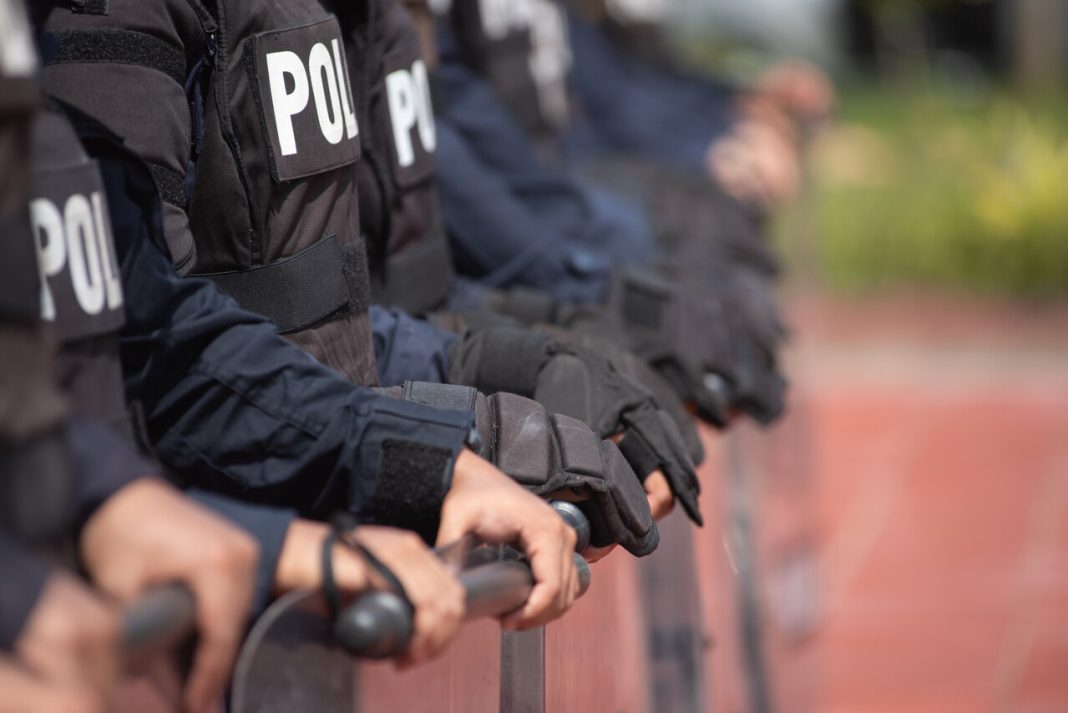
The controversy took on real force when specific incidents connected federal enforcement activity with Target locations. In one reported case, immigration officers made contact with employees inside a Target store in Richfield, Minnesota. That may seem an ordinary law enforcement action to an outsider, but in the local context, where trust between immigrant communities and authorities was already frayed, it reverberated deeply. Footage and witness accounts spread on social media, showing officers in plain clothes confronting workers amid the store aisles. For many observers, that imagery was shocking because it blurred the lines between routine retail environments and federal enforcement operations.
What residents and advocacy groups highlighted was not just that officers were present, but how that presence was perceived and experienced. The fear wasn’t limited to undocumented individuals. Even colleagues with legal status said the encounters rattled them, fostering anxiety about going to work safely and without fear of unexpected detentions. Target staff described a workplace that suddenly felt less secure, where normal business operations were interrupted by actions that seemed out of step with the company’s community-oriented messaging. These moments, captured in photos and shared widely online, became focal points for criticism, transforming isolated incidents into symbols of a broader grievance against how enforcement was unfolding in Minnesota.
Pressure From Activists and Labor Groups
In response to these encounters and the larger enforcement environment, activists and organized groups stepped up pressure on Target at locations far beyond Minnesota. Protests unfolded outside Target stores in cities across the country, led by immigrant rights advocates, labor unions, and community organizations that saw Target’s perceived silence as a missed moral opportunity. What began locally swelled into a national movement because the company’s brand presence is so widespread. Protesters didn’t just decry enforcement tactics; they called out Target by name, urging the company to use its influence and visibility to take a stand against federal immigration sweeps affecting vulnerable communities.
Labor groups also weighed in, focusing not only on immigration policy but on worker protections. They argued that Target, as a major employer of both U.S. and foreign-born workers, should ensure that its workplaces feel safe and supportive for everyone. Signage, chants, and speeches outside retail locations emphasized fairness, inclusivity, and corporate accountability. These demonstrations were not fringe acts but organized, sustained efforts to spotlight Target’s role, or lack thereof, in responding to one of the most contentious public policy debates in Minnesota. For those involved, pressuring Target was a way to amplify community concerns and push for broader corporate and civic engagement with issues that extend beyond the store’s aisles.
Target’s Public Response and Corporate Messaging
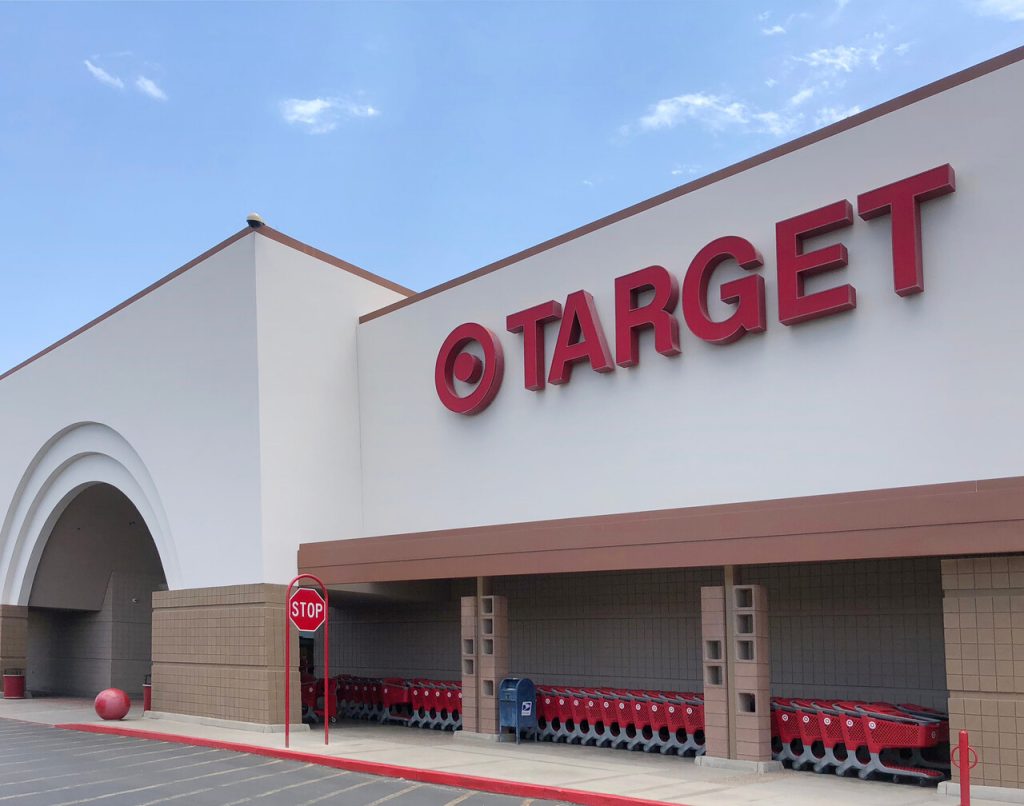
As pressure mounted, Target’s corporate leadership began issuing public statements aimed at addressing the situation without directly wading into the politics of immigration enforcement. Executives reiterated the company’s commitment to safety, inclusivity, and support for its workforce, but they stopped short of explicitly condemning federal policy or enforcement actions in Minnesota. This cautious approach reflects a delicate balancing act: the company wanted to show concern for employees and customers without appearing to take a partisan position that might alienate segments of its broader consumer base.
Target’s responses also included internal communications aimed at reassuring staff. Leadership highlighted existing resources for employees, including support through human resources and access to community engagement programs. However well-intentioned, these communications were criticized by some as insufficient in light of the public scrutiny and emotional weight of the moment. Target’s national brand, built over decades on family-friendly and community-focused marketing, meant that every statement was parsed for tone, implication, and meaning. Stakeholders, particularly advocacy groups, interpreted the company’s cautious language as corporate hedging — an attempt to avoid controversy rather than a substantive stance on community safety and human rights issues.
Brand Values Under Scrutiny by Customers and Analysts
Target’s brand was once celebrated for its blend of style, affordability, and corporate values that many Americans embraced. But in the context of the Minnesota ICE controversy, those values are now under scrutiny in new ways. Customers and analysts alike began comparing Target’s response to this crisis with how it has addressed other social issues in the past, from diversity initiatives to sustainability commitments. Critics asked why a company that advertised inclusion and community care appeared reluctant to take a firmer stand on a matter that directly affected employees and residents in its own backyard.
For brand analysts, the situation is a case study in how modern corporate reputations are vulnerable to external events that intersect with customer values. In an era when consumers increasingly expect companies to articulate clear stances on social justice matters, Target’s careful stance is being weighed against the more vocal responses of other brands in similar controversies. The long-term implications aren’t yet clear, but observers note that brands that fail to align actions with the values they project risk eroding trust, especially among younger demographics who prioritize purpose-driven consumerism. For many in Minnesota and beyond, the controversy underscores how even life’s most routine spaces, grocery aisles, clothing sections, and checkout lines, are now part of broader conversations about values, responsibility, and corporate citizenship.