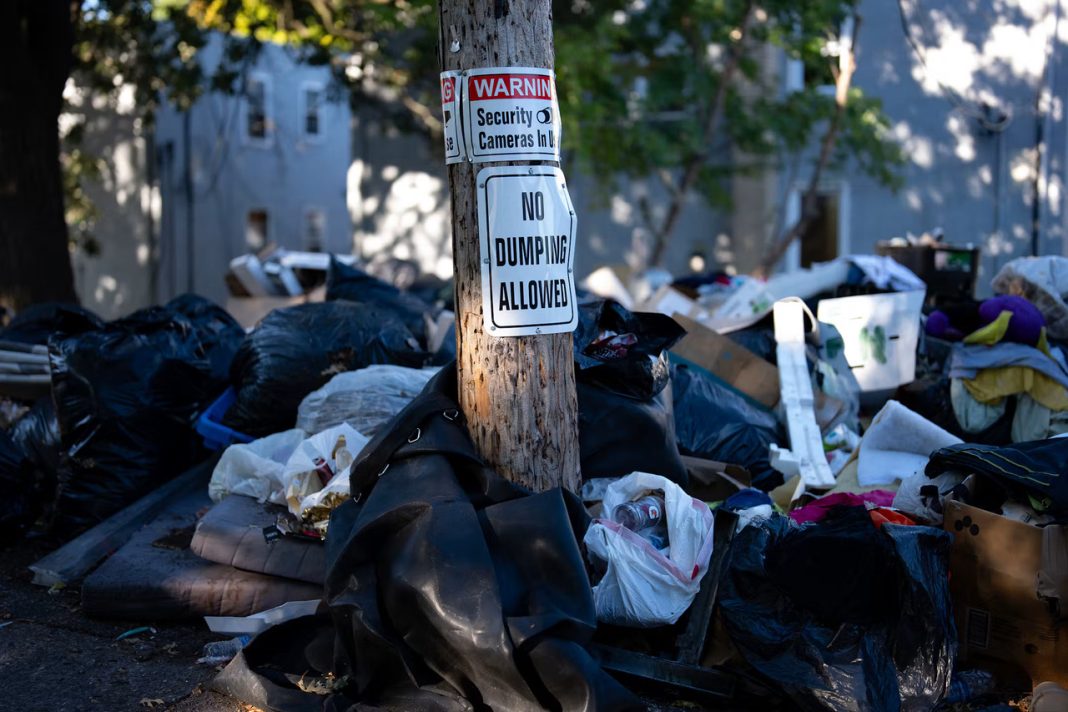

Illegal dumping has become a persistent problem in Minneapolis, particularly in North Minneapolis, where abandoned furniture, tires, appliances, and construction debris regularly turn alleys and vacant lots into dumping grounds. Despite cleanup efforts, warning signs, and disposal assistance, some locations continue to attract fresh piles of waste. The problem raises concerns about neighborhood safety, environmental fairness, and the cost of keeping public spaces clean. Here are six important things to know about Minneapolis’ ongoing illegal dumping problem.
North Minneapolis Has the City’s Worst Illegal Dumping Hotspots
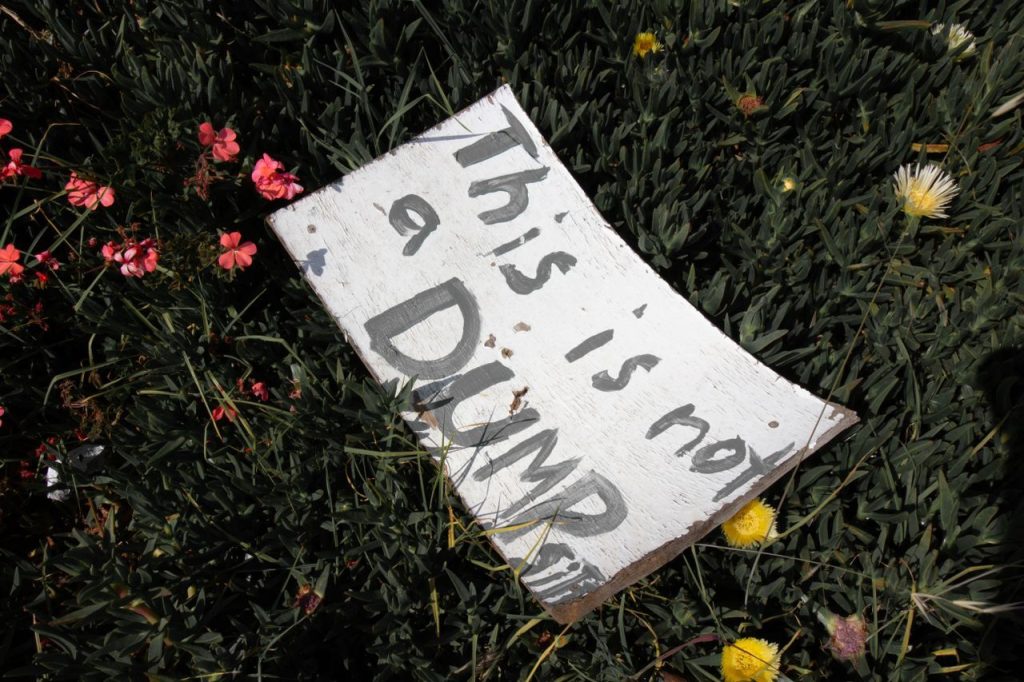
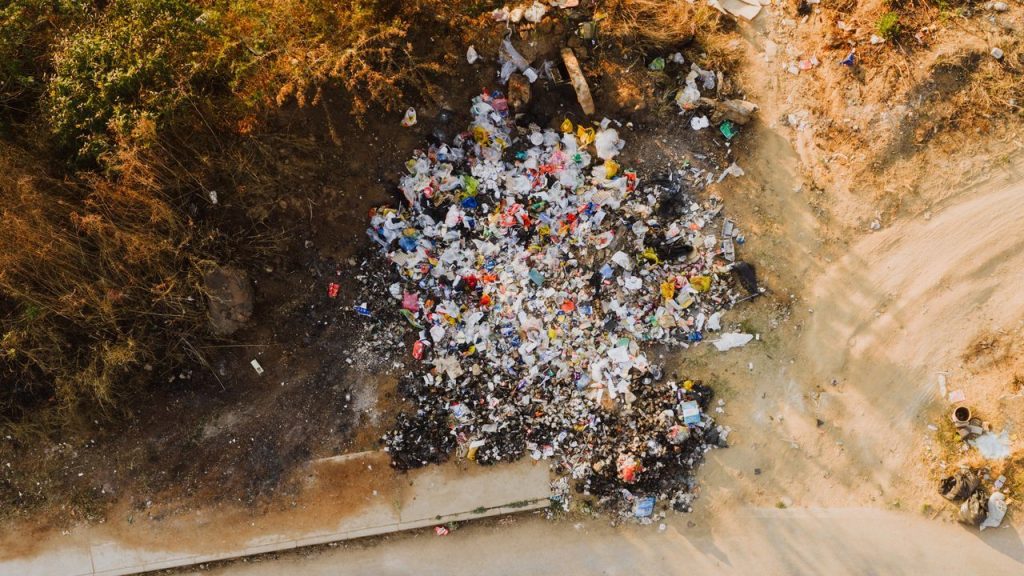
In North Minneapolis, piles of discarded furniture, tires and household garbage have become an ongoing neighborhood concern rather than an occasional eyesore. The Minnesota Star Tribune reported in October 2026 that the area experiences substantially more illegal dumping than other parts of the city. City officials identified numerous hotspots, including alleys, vacant lots and roadsides where rubbish accumulates repeatedly. One particularly troubling example involved an empty lot near 23rd and Lyndale avenues that became covered with mattresses, televisions, tires and construction debris. After a resident publicly highlighted the situation, the city cleared the lot and fenced it off. However, removing the waste does not always solve the underlying problem, as some locations attract new dumping after cleanup crews leave. The issue has drawn attention from residents and Minneapolis City Council Member LaTrisha Vetaw, whose office regularly receives complaints. The problem also raises broader questions about environmental fairness, neighborhood investment and whether every part of Minneapolis receives the same attention when it comes to maintaining clean public spaces.
Dumped Items Range From Mattresses and Tires to Construction Debris
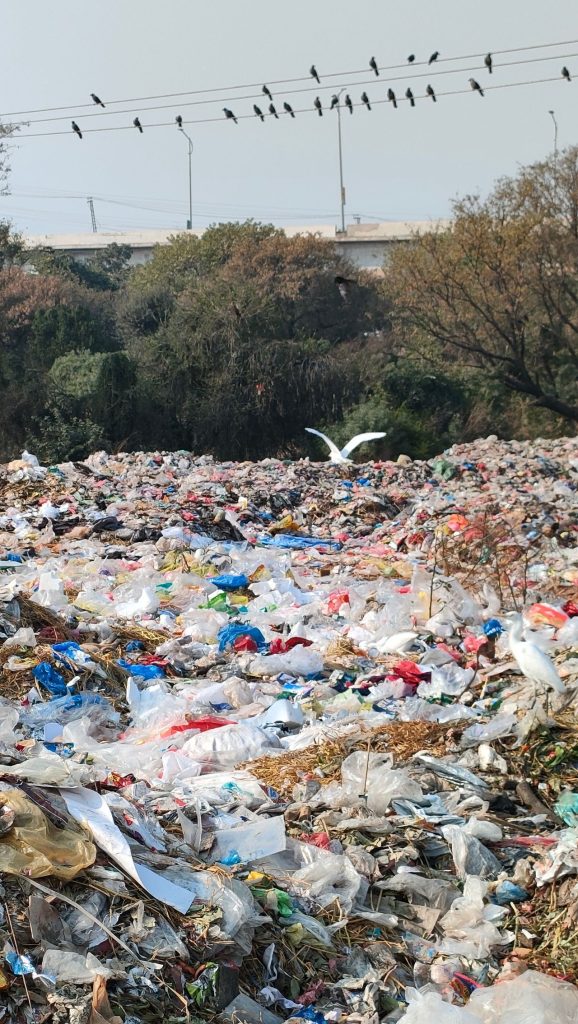
Illegal dumping in Minneapolis involves far more than a few abandoned garbage bags. The waste reported across North Minneapolis includes mattresses, sofas, chairs, tires, appliances, televisions, construction debris and other bulky household items. Some locations have accumulated such large quantities of rubbish that they resemble informal landfills rather than ordinary residential streets or alleys. The Star Tribune also described an unusual example involving a large, unmarked bus left in an alley for weeks. These discarded materials can create practical problems for residents, obstruct access through alleys and make it more difficult to maintain nearby properties. Construction debris and other improperly discarded materials can also require special handling, particularly when they contain substances that should not enter ordinary waste streams. Minneapolis distinguishes illegal dumping from smaller-scale littering, and the city’s reporting system tracks discarded material on public property, including roadsides, open streets and paved alleys. The wide variety of waste makes the problem difficult to address with a single solution. Different items may require different disposal arrangements, and clearing a heavily affected location can involve substantial time, labor and equipment.
Illegal Dumping Continues Despite Warning Signs and Security Cameras
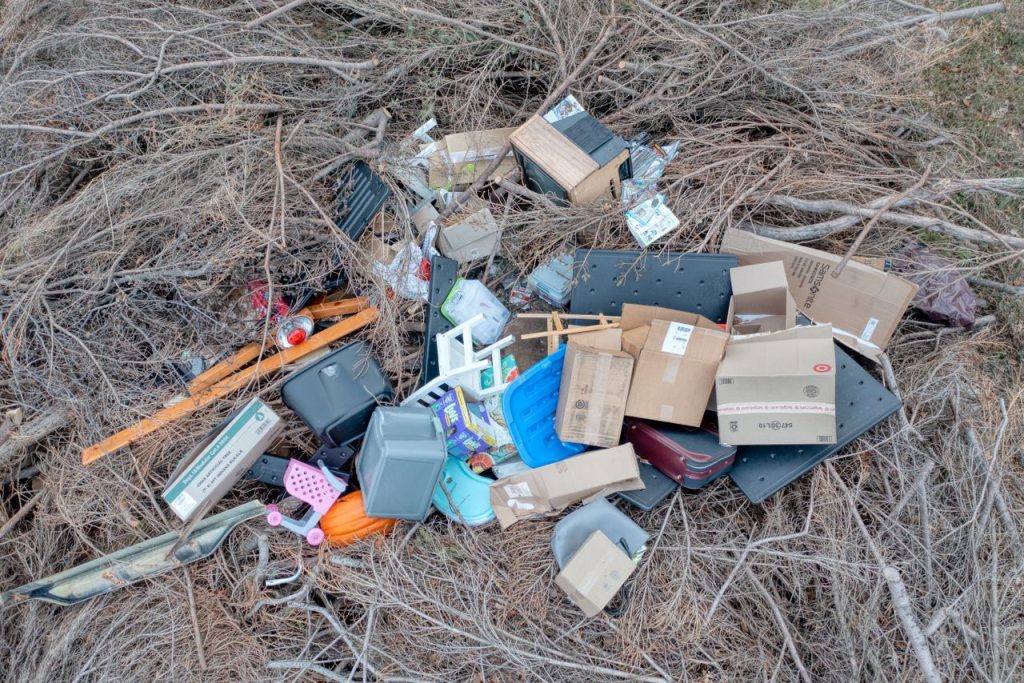
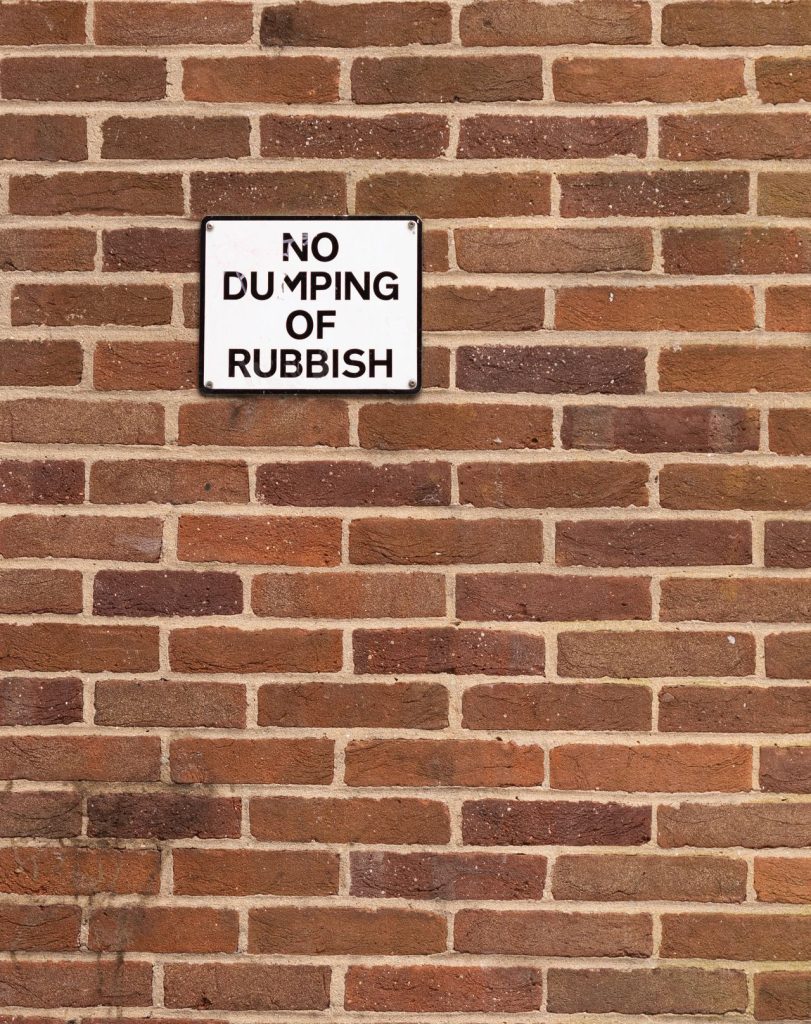
Warning signs and security cameras have not been enough to stop people from leaving rubbish where it does not belong. In one North Minneapolis alley described by the Star Tribune, a substantial pile of garbage sat near signs explicitly prohibiting dumping and warning that security cameras were operating. The scene illustrates a central challenge for neighborhood residents and city officials: people can ignore the rules when they believe they are unlikely to face consequences. Residents have tried different ways to discourage the behavior, including installing cameras, posting warnings and drawing public attention to problem locations. In some cases, community members have used social media to document the scale of the waste and demand action. These efforts can prompt a cleanup, but they do not necessarily prevent the next load of rubbish from appearing. Cameras are most useful when they capture evidence that allows investigators to identify the person responsible and establish what happened. Simply installing surveillance equipment does not guarantee that a vehicle’s license plate or the offender’s face will be recorded clearly. Preventing repeat dumping therefore requires more than visible warnings. Better access to legitimate disposal options, effective reporting and evidence that supports enforcement all have a role to play.
Junk Haulers and Suburban Dumpers May Be Contributing to the Problem
The person leaving a pile of waste behind may not live in the neighborhood where it appears. Minneapolis officials and local leaders suspect that some illegal dumping is carried out by junk haulers and people travelling from surrounding suburbs, where disposing of large items can involve additional charges. Rather than paying legitimate disposal fees, these individuals may leave mattresses, furniture, tires or construction waste in alleys and vacant lots. Council Member LaTrisha Vetaw has argued that some offenders treat North Minneapolis as a convenient place to discard rubbish because they assume the community will have little power to stop them. However, the precise number of people responsible and the share of dumping attributable to commercial haulers or suburban residents have not been established in the reporting. The timing of the problem offers another clue: city officials say the beginning of each month often brings an increase in discarded items as people move into and out of homes. Moving can generate bulky waste that is difficult to fit into ordinary garbage carts, creating pressure to find affordable disposal options. Understanding who is responsible matters because prevention strategies may need to address both individual residents and businesses that collect unwanted items. Without reliable evidence about offenders, however, identifying the right targets for enforcement remains difficult.
Minneapolis Offers Disposal Vouchers but Faces Gaps in Access to Drop-Off Facilities

Minneapolis already provides residents with options for disposing of bulky household items, but access to those services remains a major concern. The city’s solid waste program gives residents six vouchers each year for taking eligible large items, such as mattresses, tires and appliances, to a transfer station. This can help households avoid paying the full cost of private disposal and provides a legal alternative to leaving unwanted belongings in an alley. However, the city has historically relied on its South Transfer Station for self-hauling, creating a geographic disadvantage for residents in parts of North and Northwest Minneapolis who must travel farther to dispose of bulky waste. The North Transfer Station has been identified as a potential way to improve access and reduce illegal dumping in the surrounding area. Minneapolis previously secured federal funding to help revive the facility, but the city’s more recent reporting indicates that plans for an additional transfer station have been paused. That leaves a gap between the disposal options residents need and the facilities currently available to serve them. Expanding convenient, affordable drop-off services could make proper disposal easier for households and legitimate haulers alike. Still, better access alone would not eliminate deliberate illegal dumping, so disposal improvements would need to work alongside education and enforcement.
Catching and Penalizing Illegal Dumpers Remains Difficult
Cleaning up an illegal dumping site is often easier than proving who left the rubbish there. Minneapolis can issue citations and fines to people caught dumping waste unlawfully, but city officials say successful cases typically require clear evidence, such as photographs or video showing the offender and the vehicle’s license plate during the act. A pile of discarded furniture or a stack of tires may establish that dumping occurred, but it does not necessarily reveal who was responsible. In the Star Tribune’s October 2026 report, Minneapolis’ solid waste director said he had seen only one citation during his two years in the role, illustrating the difficulties involved in enforcement. The financial consequences may also fail to deter some offenders, particularly commercial operators who receive substantial payments to remove waste and may view a relatively small fine as a manageable risk. Cleanup responsibilities create another complication. When rubbish is dumped on private property, owners can be left responsible for removing it, while the city faces costs when it has to clear public areas. Officials have warned that removing material from private land could place an enormous additional burden on the city’s already strained finances. Residents who witness dumping can report it to Minneapolis 311, while an incident in progress should be reported to 911. Reports that include useful details about the person, vehicle and location can help authorities investigate without requiring residents to confront offenders themselves.