
Minnesota is making a major push to bring renewable energy into its schools, with a goal of reaching 400 solar-powered campuses by the end of 2026. Backed by state grants, the initiative aims to lower electricity bills, expand clean-energy education, and help schools reduce their environmental impact. The state is also investing in electric school buses, adding another piece to its efforts to modernize school operations. Here are seven key numbers that reveal the scale of Minnesota’s clean-energy ambitions.
Minnesota Is Targeting 400 Solar-Powered Schools by the End of 2026
Minnesota is approaching a major milestone in its efforts to bring renewable energy into public education. The state’s 400th solar-powered school is scheduled to come online before the end of 2026, according to the Minnesota Department of Commerce. The goal reflects a statewide push to help schools reduce electricity expenses while giving students firsthand experience with clean-energy technology. The initiative is supported by the state’s Solar for Schools grant program, launched in January 2022 to help eligible schools pay for solar installations. The program also encourages schools to incorporate renewable energy into their lessons, allowing students to see how solar panels generate electricity and how energy use affects the environment. Reaching 400 solar-powered schools would represent substantial growth in just a few years, although not every school with solar panels received funding through the state program. The milestone is part of a broader effort to make renewable energy more accessible to Minnesota schools and create long-term benefits for students, educators and local communities.
The Number of Solar-Powered Schools Has More Than Doubled
Going from approximately 190 solar-powered schools to a projected total of 400 marks a significant change in Minnesota’s approach to school energy use. Before the Solar for Schools program began in January 2022, roughly 190 schools across the state had solar installations. The planned milestone would more than double that number, demonstrating how grants and public investment can help schools overcome the upfront costs of installing renewable energy systems. Solar panels can require substantial initial spending, even though they may reduce electricity bills over time. For school districts working with limited budgets, financial assistance can make these projects more practical. The program also gives schools an opportunity to connect classroom learning with real-world technology. Students can explore electricity generation, renewable resources and energy efficiency using systems installed on their own campuses. Minnesota’s growing number of solar-powered schools reflects the combined effect of state support and local participation. The 400-school figure is a target expected to be reached by the end of 2026, rather than a claim that all 400 installations are already operating.
Nearly $32.6 Million Has Been Awarded or Reserved for School Solar Projects
Behind Minnesota’s expanding network of solar-powered schools is nearly $32.6 million in state grant funding awarded or reserved for school solar projects since the Solar for Schools program began. This money helps eligible schools cover the cost of purchasing and installing solar energy systems, reducing the financial burden that might otherwise prevent districts from moving forward. The program’s grant structure varies according to factors such as school eligibility, financial need, utility territory and system size. Depending on the category, grants may cover a substantial share of eligible project costs. That support is particularly important because schools must balance energy investments against competing needs such as classroom materials, building maintenance, staffing and student services. Grant funding does not mean solar installations are entirely free, and individual projects may still require additional financial resources. However, reducing the upfront expense can make the long-term economics more attractive. The state’s investment is intended to help schools lower operating costs while expanding access to renewable energy. The nearly $32.6 million figure includes both grants already awarded and funding reserved for projects, so it should not be interpreted as money that has all been spent.
School Solar Projects Represent Nearly 25 Megawatts of Generating Capacity
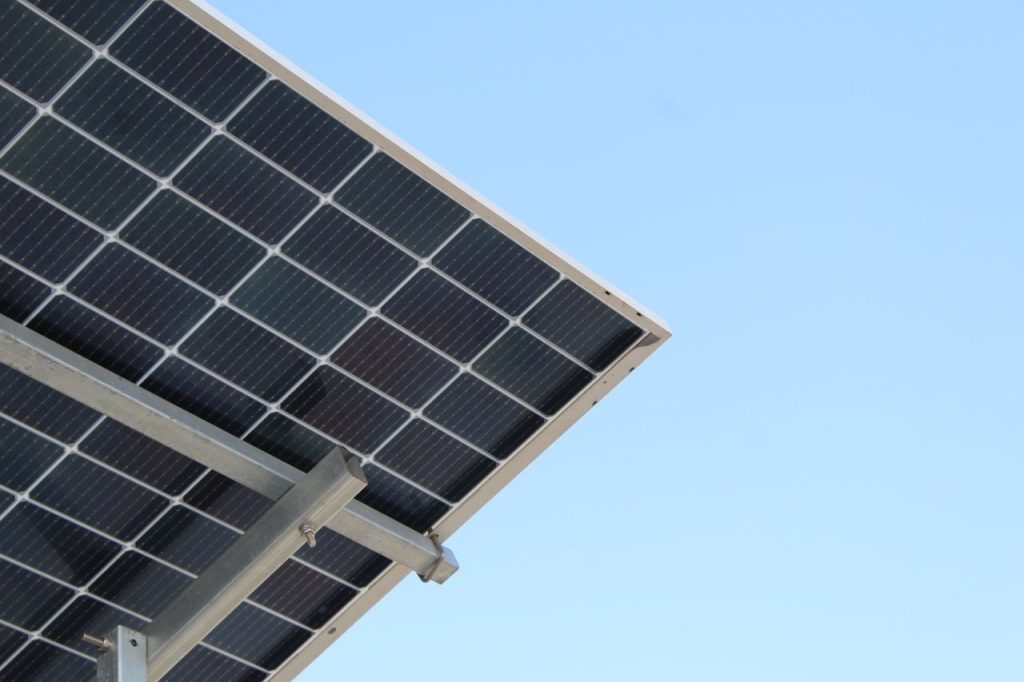
The number of schools installing solar panels tells only part of the story. The projects supported through Minnesota’s Solar for Schools program represent nearly 25 megawatts of solar generating capacity, a measure of how much electricity the systems can produce under suitable conditions. According to the Minnesota Department of Commerce, these installations are expected to generate more than 29 million kilowatt-hours of electricity annually. That is roughly equivalent to the yearly electricity consumption of 3,100 average Minnesota homes. For participating schools, the energy produced can help offset electricity purchased from the grid, although actual savings depend on factors such as system performance, weather, school energy use and utility arrangements. Solar generation may also help schools demonstrate renewable energy in action, turning rooftops and other suitable spaces into practical learning resources. It is important to distinguish generating capacity from annual electricity production: megawatts describe a system’s capacity, while kilowatt-hours measure the amount of energy generated over time. Together, these figures show that the initiative is intended to deliver meaningful energy production rather than simply add solar panels for demonstration purposes.
Schools Could Save an Estimated $46 Million in Electricity Costs Over 20 Years
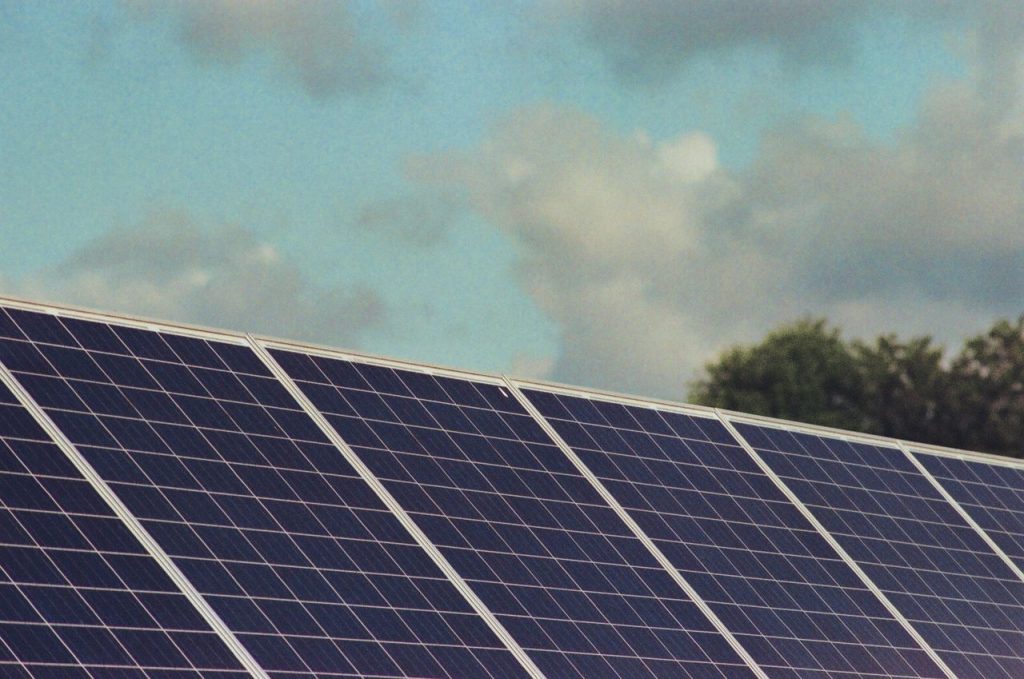
For school districts, the strongest argument for solar power may be what it allows them to do with money that would otherwise go toward electricity bills. Minnesota officials estimate that participating schools could save approximately $46 million in electricity costs over 20 years through the solar projects supported by the program. Those savings could help districts redirect resources toward educational priorities, including classroom supplies, student programs, building improvements and other operating expenses. The estimate is a projection over the systems’ expected operating period, not a promise that every school will save the same amount. Actual financial results will vary depending on installation costs, electricity prices, system output, maintenance requirements and each school’s energy consumption. Solar installations also require an initial investment, which is why grants play an important role in helping schools move ahead. The potential long-term savings make the projects attractive to districts seeking ways to manage unpredictable energy expenses. By generating some of their own electricity, schools can reduce their dependence on power purchased from utilities. Even modest savings at an individual school can become significant when combined across hundreds of campuses over many years.
Nearly $8.8 Million Has Supported 23 Electric School Buses Across 10 Districts
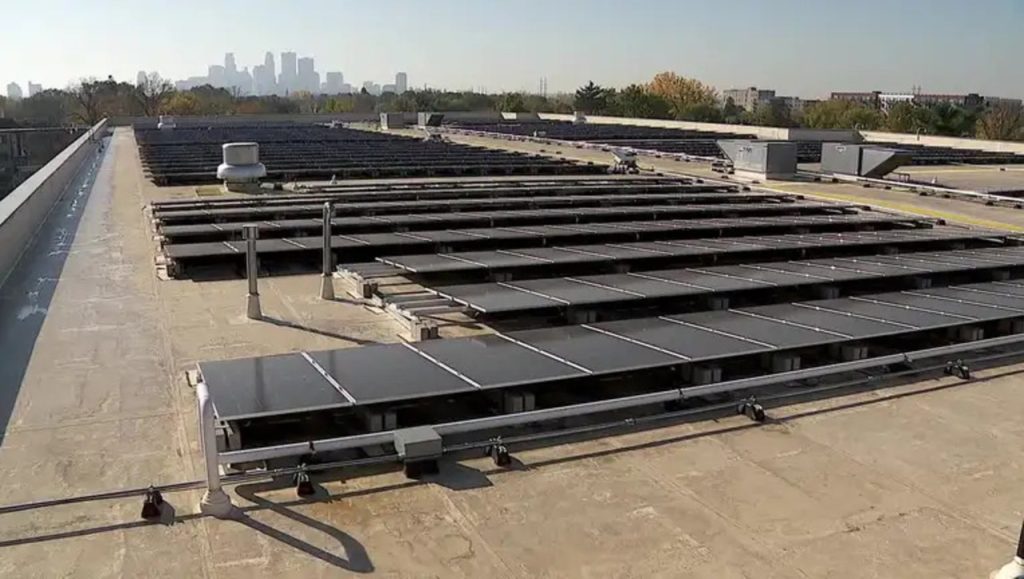
Minnesota’s clean-energy investments extend beyond school rooftops to the buses that carry children to and from class. As of October 21, 2026, the Minnesota Department of Commerce had awarded nearly $8.8 million through its Electric School Bus Grant Program to 10 school districts to help purchase 23 electric school buses. The funding also supports charging equipment and other infrastructure needed to operate the vehicles. Electric buses offer several potential benefits over diesel-powered models, including producing no tailpipe emissions and operating more quietly. Reducing exhaust around schools and along bus routes can help limit children’s exposure to harmful air pollution. Electric buses can also have lower fuel and maintenance costs, although the actual savings depend on electricity prices, vehicle use, charging arrangements and other operating conditions. The transition requires planning because districts must install appropriate charging facilities and ensure that buses can complete their routes reliably. Minnesota created its electric school bus grant program in 2023, and new funding rounds opened in October 2026 to give additional districts opportunities to explore the technology. The 23 buses represent an early step in expanding cleaner school transportation across the state.
Solar Energy and Electric Buses Could Help Schools Reduce Emissions
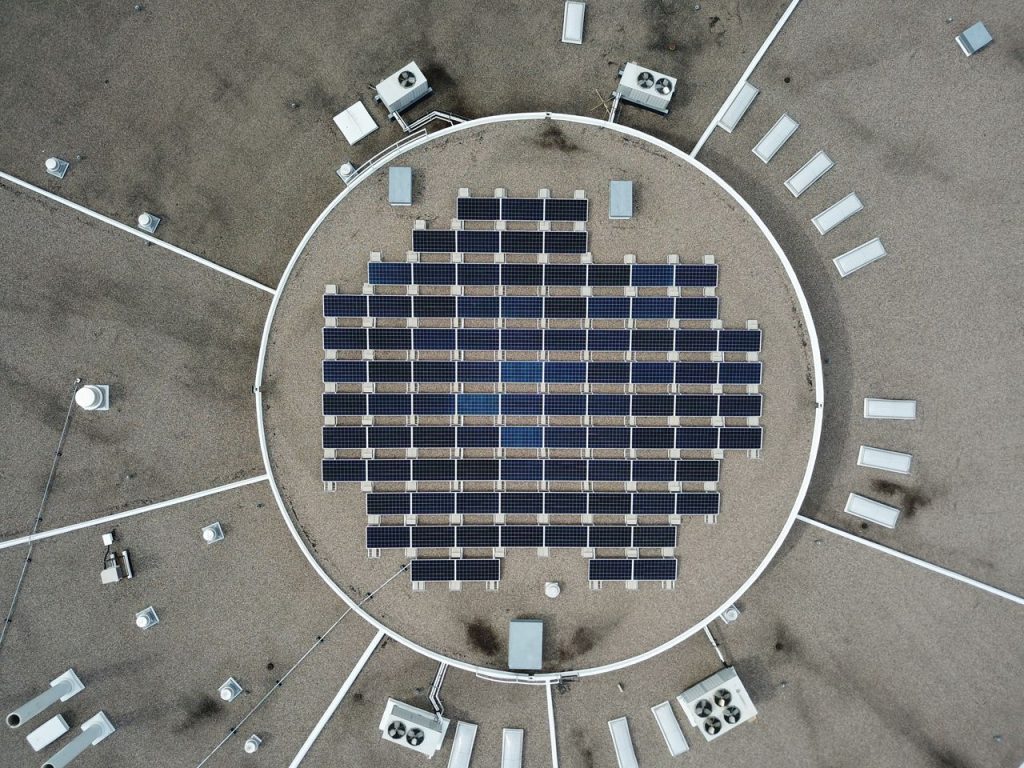
Minnesota’s push for solar-powered schools and electric buses is about more than energy bills. Together, these technologies offer schools a way to reduce some of the environmental impacts associated with electricity use and student transportation. Solar panels generate electricity without directly releasing greenhouse gases during operation, while electric school buses produce no tailpipe emissions as they travel. These benefits are especially relevant around school buildings, bus loading areas and neighborhoods where children spend time outdoors. The overall climate benefit depends on several factors, including the source of electricity used to charge buses, the performance of solar systems and the vehicles or energy sources being replaced. Electric buses also require charging infrastructure, and districts must consider route lengths, operating schedules and available charging capacity before introducing them into service. Minnesota’s Department of Commerce says these programs are intended to help schools manage costs, modernize transportation and create hands-on learning opportunities. Solar installations can help teachers explain electricity generation and renewable resources, while electric buses give students a visible example of how transportation technology is changing. The broader aim is to combine practical savings, cleaner operations and educational value in ways that benefit school communities over time.