
7 Unusual Tools and Tactics Helping Fire Crews Fight Yosemite’s Dome Fire

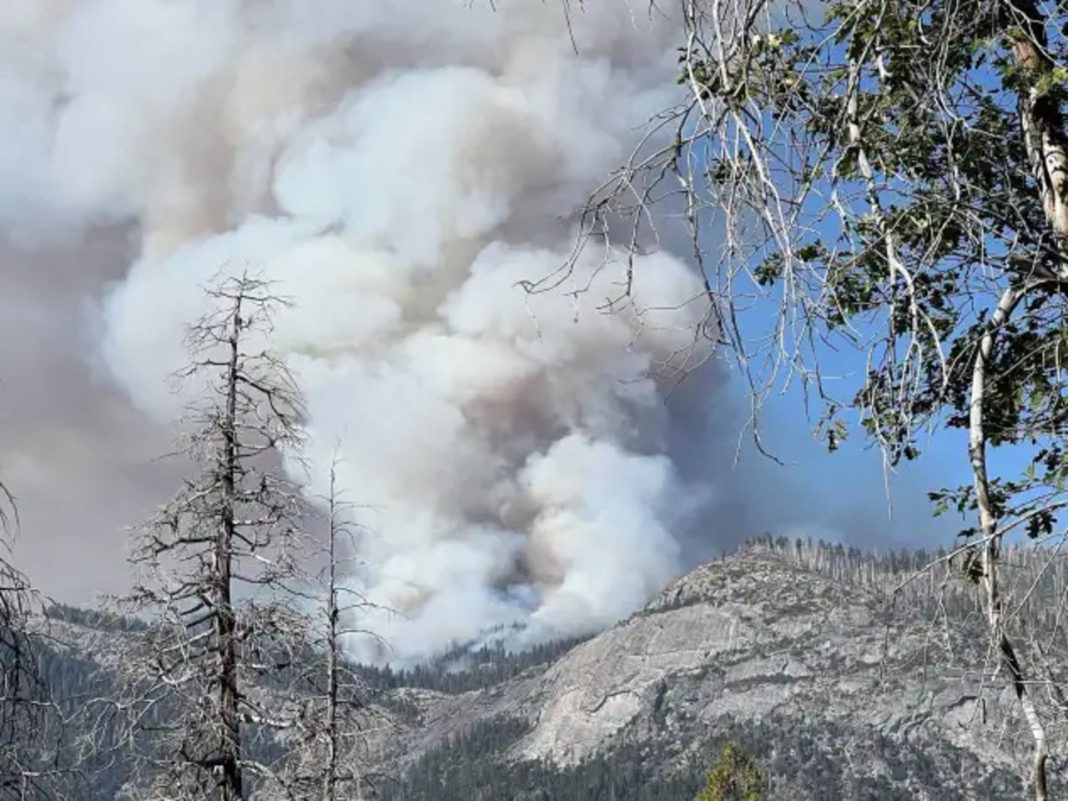
Fighting a wildfire in Yosemite is not simply a matter of sending in more equipment. The Dome Fire is burning across rugged terrain where firefighters must work around steep slopes, wilderness restrictions and limited access. Crews are combining helicopters, infrared technology, pack animals, hand-built firelines and even Yosemite’s granite landscape to slow the fire while protecting people, structures and the park itself.

Pack Mules Carry Supplies Through Rugged Terrain

Pack Mules Carry Supplies Through Rugged Terrain
Couleur/PixaBay

One of the most unexpected members of the Dome Fire operation has four legs. Pack mules are carrying meals, water, fuel, generators, lanterns, drip torches and other firefighting equipment into remote areas where moving supplies by conventional vehicles is difficult or impossible. Their work also frees helicopters for more urgent missions, including water drops, making the overall air operation more efficient.  

Helicopters Drop Water Where Crews Need It Most
Helicopters Drop Water Where Crews Need It Most
Chikilino/PixaBay

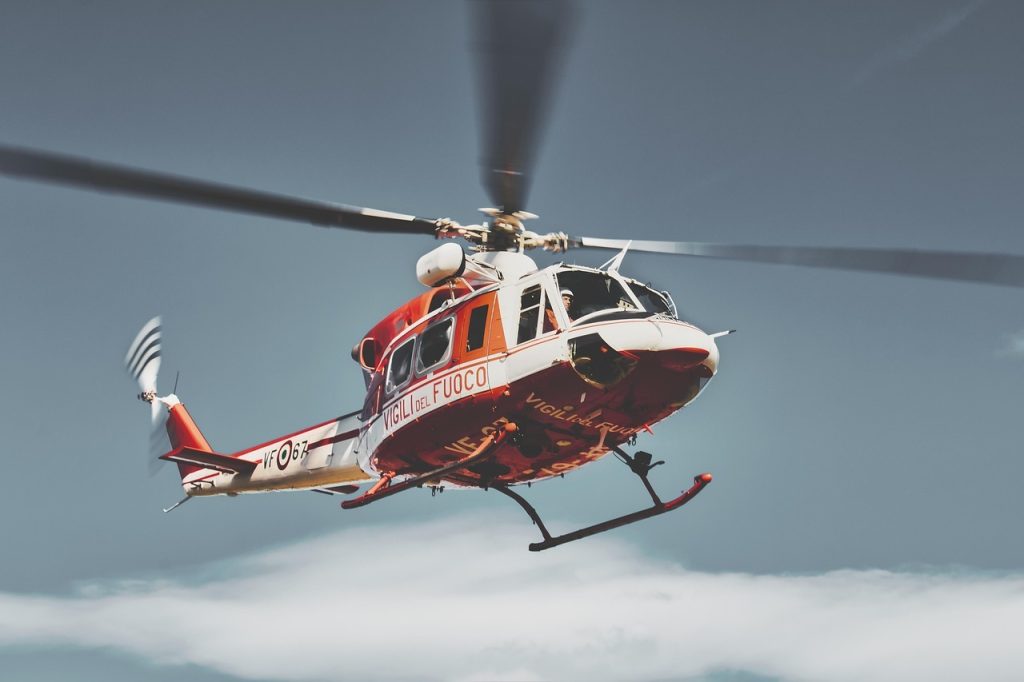
Helicopters are giving firefighters a way to attack the fire from above while crews work along its edges. The aircraft have been making water drops to help keep flames from crossing containment lines, while also transporting firefighters and equipment to active areas. On Oct. 5, helicopters were also used to support efforts around a slopover that had crossed the Ostrander Lake Trail.  

Granite Becomes a Natural Firebreak
Granite Becomes a Natural Firebreak
neelam279/Pixabay

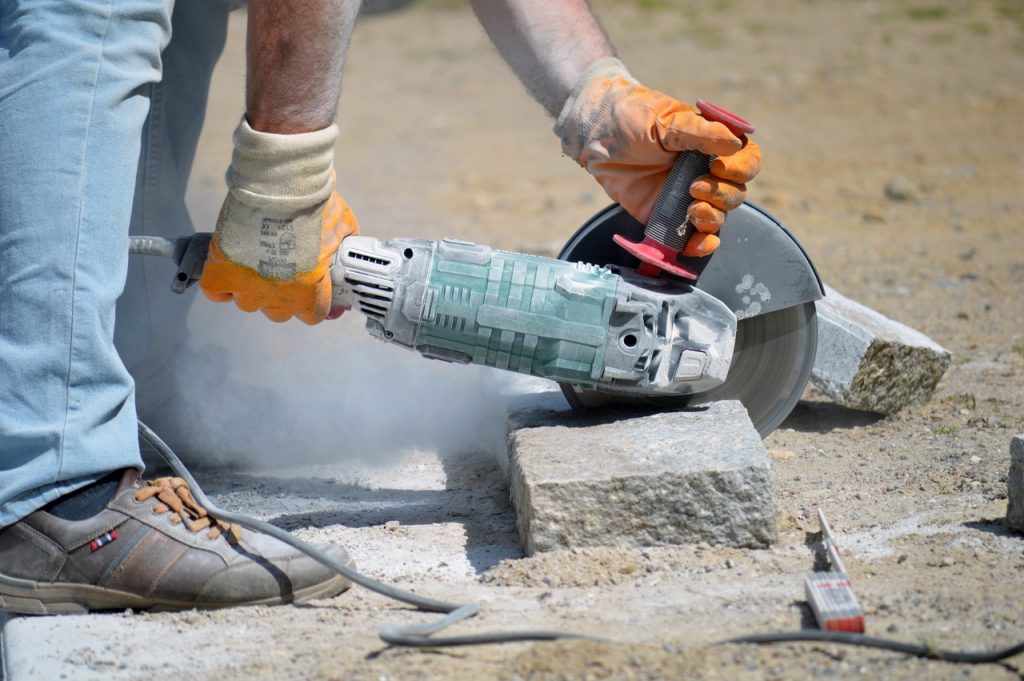
Instead of trying to build a conventional containment line everywhere, firefighters are taking advantage of Yosemite’s own landscape. Large areas of exposed granite can serve as natural barriers where direct line construction is not practical. This approach is especially useful in steep, rugged terrain, where crews can use existing rock formations and other areas with little burnable vegetation to help limit the fire’s movement.  

Structure Wrap Helps Protect the Ostrander Ski Hut
Structure Wrap Helps Protect the Ostrander Ski Hut
Randgruppe/Pixabay

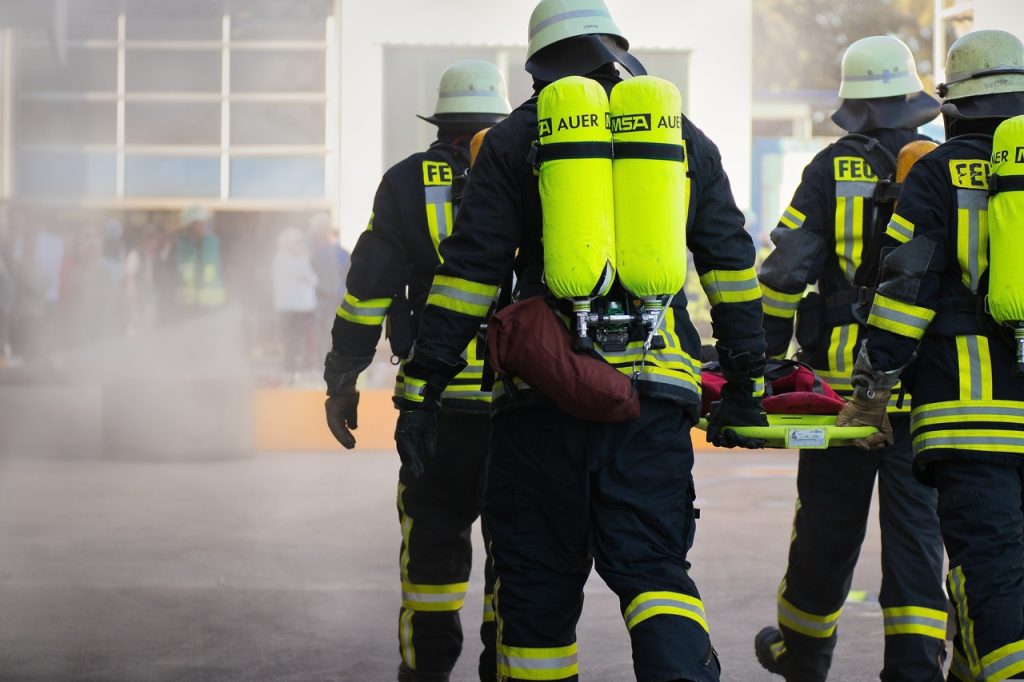
Firefighters are not simply trying to stop the fire’s advance. They are also protecting vulnerable structures in its path. At the Ostrander ski hut, crews have installed structure wrap as part of their protection efforts. This specialized material can shield vulnerable parts of a structure from radiant heat and embers, giving firefighters another layer of defense while they work to keep the fire from reaching the building.  

Infrared Drones Hunt for Hidden Hot Spots
Infrared Drones
Nature_Brothers/PixaBay

Some of the fire’s most important activity can be difficult to see with the naked eye, particularly after flames have moved through an area. Earlier in the incident, firefighters used two unmanned aircraft systems equipped with infrared sensors, with one operating during the day and another at night, to locate hot spots. Infrared technology allows crews to detect heat signatures and identify areas that may need attention even when visible flames are absent.  

Firefighters Are Using Minimal-Impact Tactics in Wilderness
Firefighters Are Using Minimal-Impact Tactics in Wilderness
Matthias_Groeneveld/PixaBay

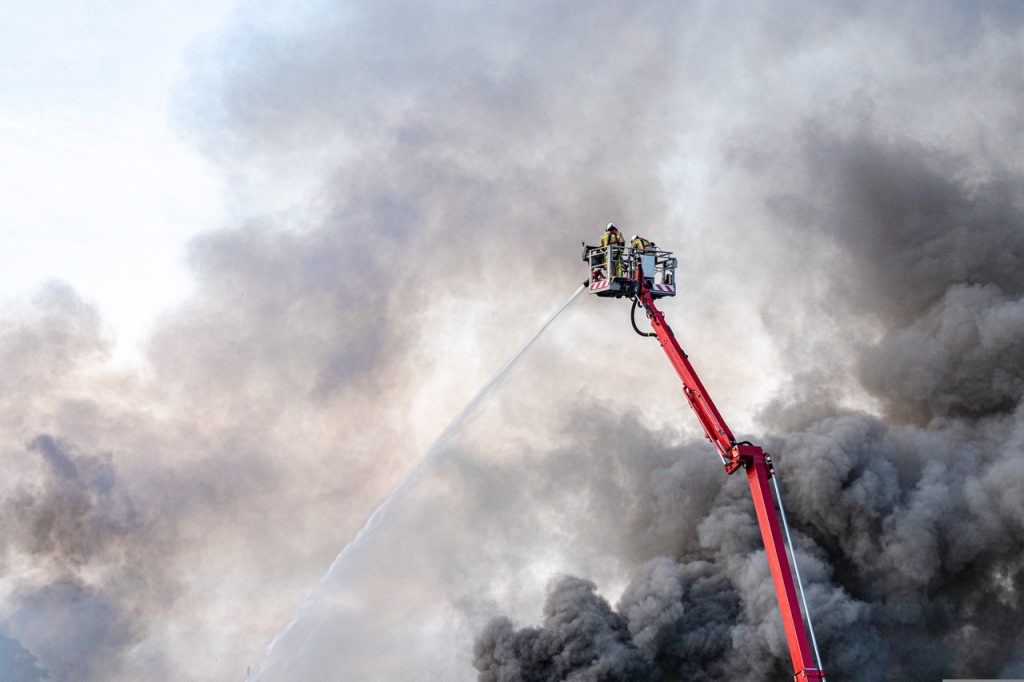
Yosemite’s wilderness setting limits the heavy machinery firefighters can use. Large ground-disturbing equipment such as dozers is generally prohibited in wilderness areas, so crews rely on Minimal Impact Suppression Tactics, or MIST. That can include carefully constructed handlines, natural barriers and other approaches designed to control the fire while causing as little additional disturbance to the protected landscape as possible.  

Crews Are Building Lines by Hand and Working From Both Directions
Crews Are Building Lines by Hand and Working From Both Directions
Kollinger/PixaBay

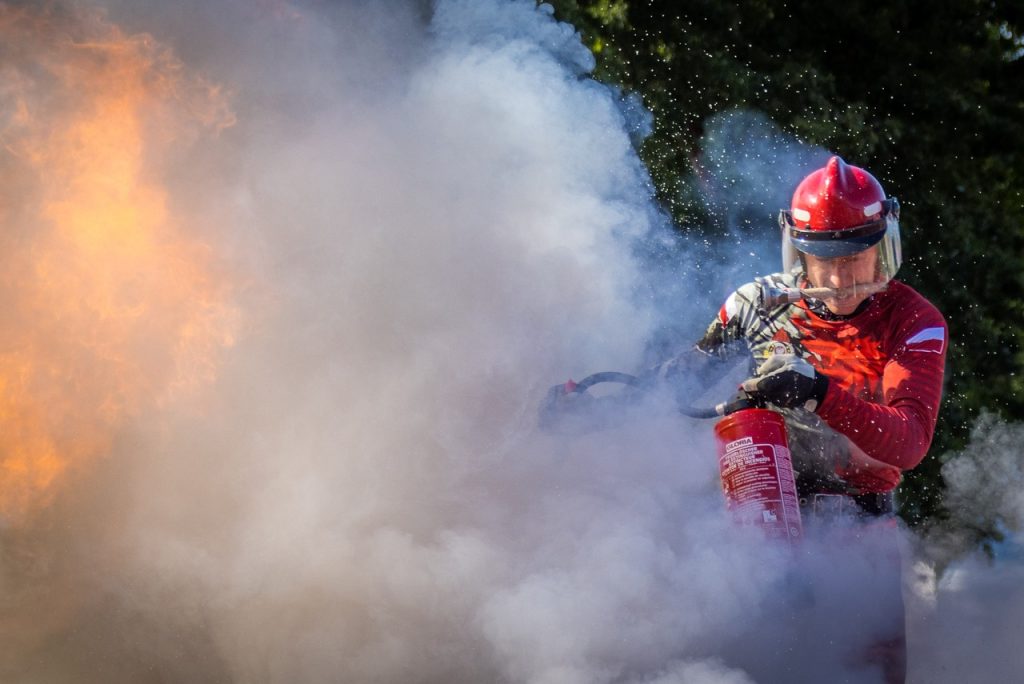
Sometimes the most effective tool is still a firefighter with a hand tool. Crews have been constructing and reinforcing containment lines along the fire’s perimeter, with workers approaching the eastern edge from both the north and south. Earlier operations also included handlines connected to existing trails and previous fire footprints. This strategy lets firefighters establish defensible boundaries while adapting their work to the rugged terrain and changing fire behavior.  

Logan Avery
Logan Avery
Logan Avery serves as Editor in Chief of Minneapolis Bulletin, overseeing the publication’s editorial standards and content strategy. He works closely with contributors and writers to ensure coverage remains accurate, engaging, and relevant to readers. His approach emphasizes clear storytelling, thoughtful reporting, and a strong commitment to quality journalism. Through his leadership, the Minneapolis Bulletin aims to deliver timely stories that inform and connect local communities.

Hot this week

NASA Wants Private Companies to Build America’s Next Space Stations. 6 Things to Know

NASA wants private companies to build America’s next space stations before the ISS retires. Here are six key details about the plan.

NASA’s Latest Arctic Ice Maps Show Where the Ocean’s Summer Freeze Fell Short

NASA’s latest Arctic maps reveal shrinking summer ice, declining older ice, and a winter maximum tied for the lowest on record.

6 Minnesota Road Changes Drivers Should Know About This Week

Minnesota drivers face overnight highway closures, construction detours, and lane restrictions this week. Here are six road changes to know.

4 Astronauts Just Returned From 237 Days in Space. Here Are 6 Highlights From Their Mission

Four astronauts have returned after 237 days in space, completing thousands of orbits, historic spacewalks, and groundbreaking research.

5 Minnesota Cities That Set October Heat Records This Weekend

Minnesota’s October heat shattered daily records over the weekend, with temperatures reaching 91°F before cooler weather moved in.

Topics

NASA Wants Private Companies to Build America’s Next Space Stations. 6 Things to Know

NASA wants private companies to build America’s next space stations before the ISS retires. Here are six key details about the plan.

NASA’s Latest Arctic Ice Maps Show Where the Ocean’s Summer Freeze Fell Short

NASA’s latest Arctic maps reveal shrinking summer ice, declining older ice, and a winter maximum tied for the lowest on record.

6 Minnesota Road Changes Drivers Should Know About This Week

Minnesota drivers face overnight highway closures, construction detours, and lane restrictions this week. Here are six road changes to know.

4 Astronauts Just Returned From 237 Days in Space. Here Are 6 Highlights From Their Mission

Four astronauts have returned after 237 days in space, completing thousands of orbits, historic spacewalks, and groundbreaking research.

5 Minnesota Cities That Set October Heat Records This Weekend

Minnesota’s October heat shattered daily records over the weekend, with temperatures reaching 91°F before cooler weather moved in.

6 Things Packed Into NASA’s Next Space Station Delivery Launching Tuesday

NASA’s next space station delivery carries six fascinating items, from artificial retinas and brain research to solar arrays and lunar mission hardware.

6 Things to Know About SpaceX’s Push to Become a U.S. Mobile Carrier

SpaceX plans to expand Starlink Mobile with new spectrum, thousands of satellites, and technology designed to challenge U.S. wireless carriers.

Colorado’s Nature Library Has Its Grand Opening This Weekend. 8 Things Visitors Can Borrow or Try

Colorado’s Nature Library helps visitors explore the outdoors with borrowable camping gear, wildlife cameras, stargazing kits, and more.
spot_img

Related Articles

Popular Categories

spot_imgspot_img