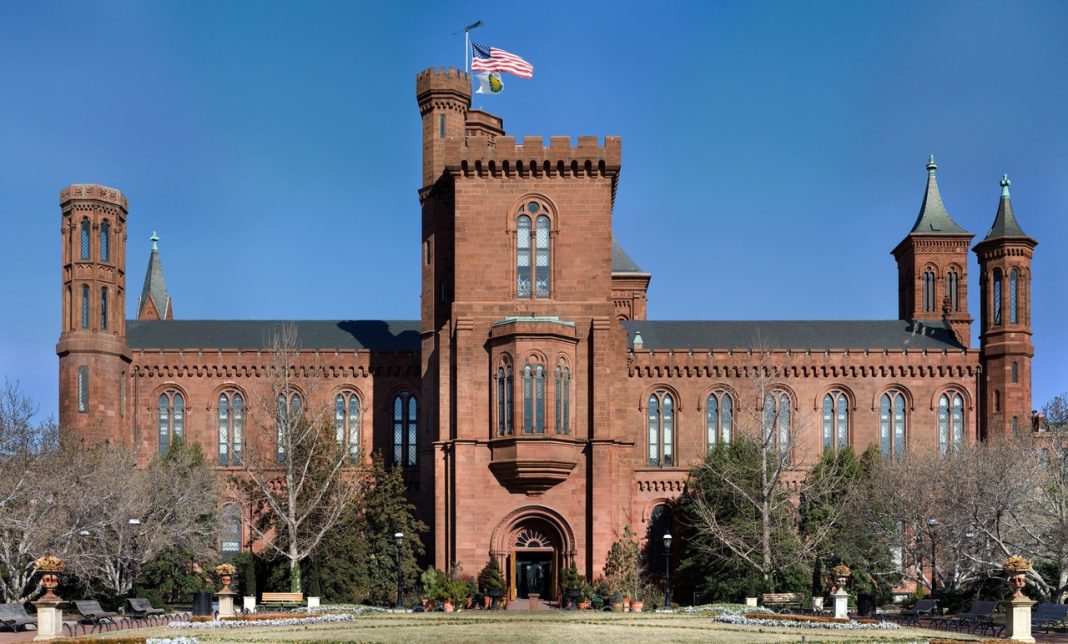

Books can preserve history, but artists can also turn the book itself into history. The Smithsonian’s American Stories exhibition brings more than 50 artists’ books together, spanning established names, contemporary creators, cultural traditions and deeply personal stories. From Sol LeWitt and Ed Ruscha to works exploring Native Hawaiian culture, Louisiana communities and textile heritage, the collection shows just how much meaning can fit between two covers.
Sol LeWitt Brings His Signature Precision to the Book Form
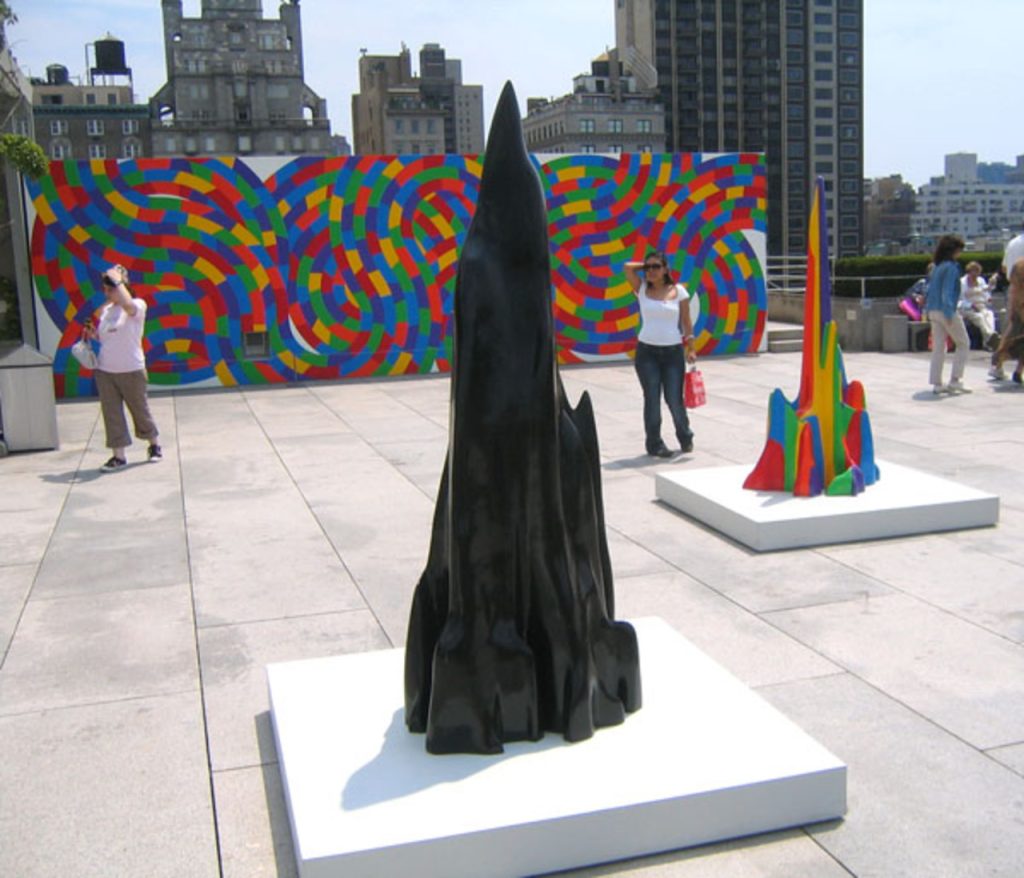
Sol LeWitt is one of the established figures represented in American Stories, placing his work alongside newer acquisitions in an exhibition devoted to the many ways artists can use books to tell stories. LeWitt is particularly associated with conceptual art and systems built from carefully defined rules, and his inclusion shows that an artist’s book can function as a serious work of art rather than simply a container for text or images. The Smithsonian describes the exhibition as a look at personal, collective and national histories through works inspired by the form or function of the book.
Ed Ruscha Shows How Familiar Books Can Become Art

Ed Ruscha is another major American artist whose work appears in the Smithsonian exhibition. Ruscha has long been known for treating ordinary words, images and book formats as artistic material, making his inclusion a natural fit for a show examining what a book can become in an artist’s hands. His presence also helps connect the exhibition’s contemporary works to an important history of American artists experimenting with the traditional relationship between pictures, words and pages.
Native Hawaiian Culture Gets a Place in the Story

One of the exhibition’s featured subjects is the commemoration of Native Hawaiian culture. The Smithsonian presents this as part of a larger effort to examine American identity through artists’ books, showing that the form can preserve cultural memory as well as personal experiences. Rather than treating the book simply as a written record, these works use its physical and visual qualities to explore histories and identities that are part of the broader American story.
A Louisiana Community’s Hurricane Rituals Become an Artistic Record

A hurricane approaching Louisiana becomes another distinctive subject in the exhibition. The Smithsonian specifically highlights an artists’ book focused on a Louisiana community’s rituals as a hurricane rolls in. That detail gives the collection a strong sense of place and shows how artists can use the book format to preserve community experiences surrounding a natural event. The work is part of the exhibition’s broader examination of collective history and the different ways Americans tell stories about their lives and communities.
African and American Fabrics Become a Story of Heritage

Textiles provide another way into the exhibition, with the Smithsonian highlighting an artist’s celebration of her heritage through African and American fabrics. The work demonstrates how an artist’s book can carry cultural meaning through materials as well as through conventional writing and imagery. By bringing together African and American textile traditions, the piece connects personal heritage with the wider questions of identity and experience that shape American Stories.
One-of-a-Kind Books Show How Art Can Exist as a Single Object
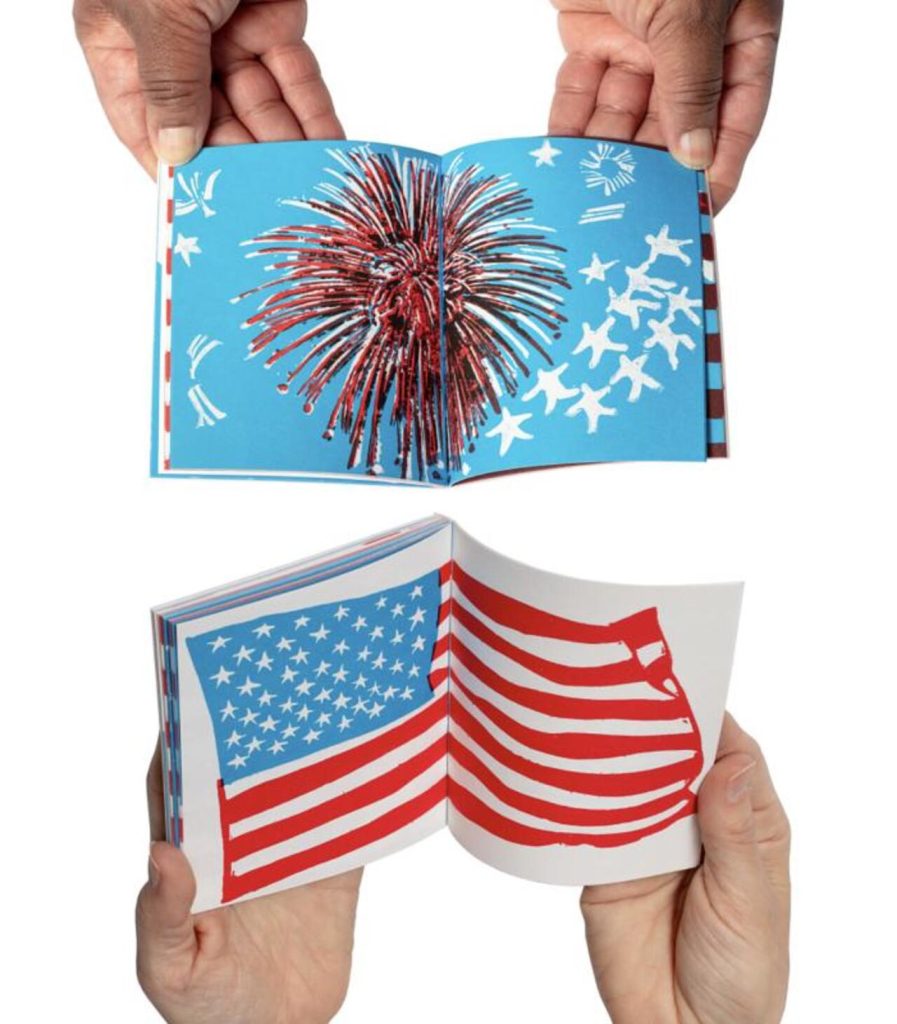
Some of the works in American Stories are not editions that can simply be reproduced and placed on a shelf. The Smithsonian notes that the exhibition includes one-of-a-kind artists’ books, making the physical object itself an important part of the experience. These unique pieces demonstrate how artists can manipulate pages, structures and materials to create something that functions simultaneously as a book and an individual artwork. The Smithsonian’s exhibition page also notes that some works are found only in its Libraries and Archives collections.
New Acquisitions Put Contemporary Artists Alongside Established Names
The exhibition is not limited to famous artists from earlier generations. The Smithsonian says American Stories also includes recent acquisitions by emerging contemporary artists, placing newer voices alongside established figures such as Sol LeWitt, Adrian Piper and Ed Ruscha. That mixture gives the exhibition a broader view of the artist’s book as an evolving medium, showing how contemporary artists continue to use bookmaking to explore identity, community and history.