
Why a Giant Ice Cube in Antarctica Just Won a Nobel Prize

A giant block of Antarctic ice might seem like an unlikely Nobel Prize winner, but IceCube has changed how scientists observe the universe. Buried deep beneath the South Pole, the enormous detector uses clear ice and thousands of sensors to catch fleeting signals from neutrinos, ghostlike particles that can travel across the cosmos almost untouched. Its discoveries have opened a new way to investigate some of the universe’s most powerful and mysterious objects.

The Ice Cube Is Really a Giant Neutrino Detector
The Ice Cube Is Really a Giant Neutrino Detector
kva.se

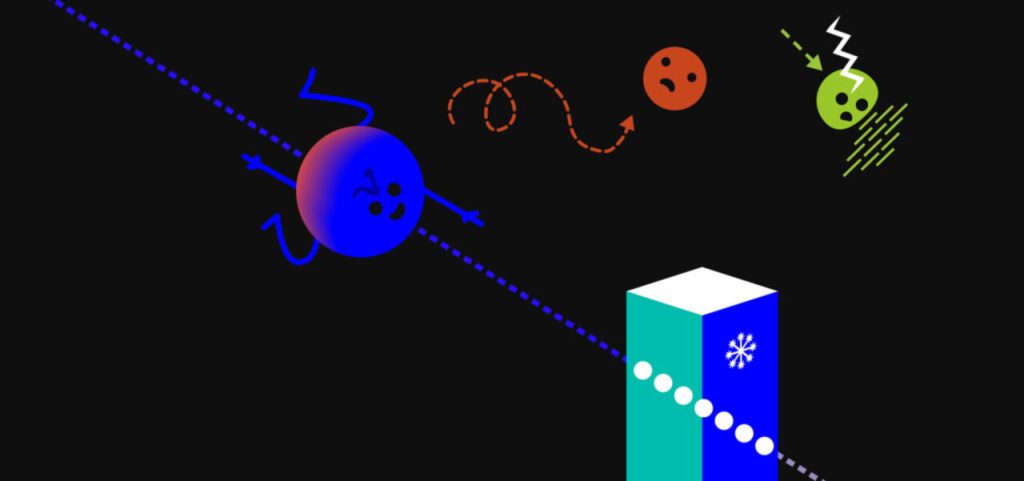
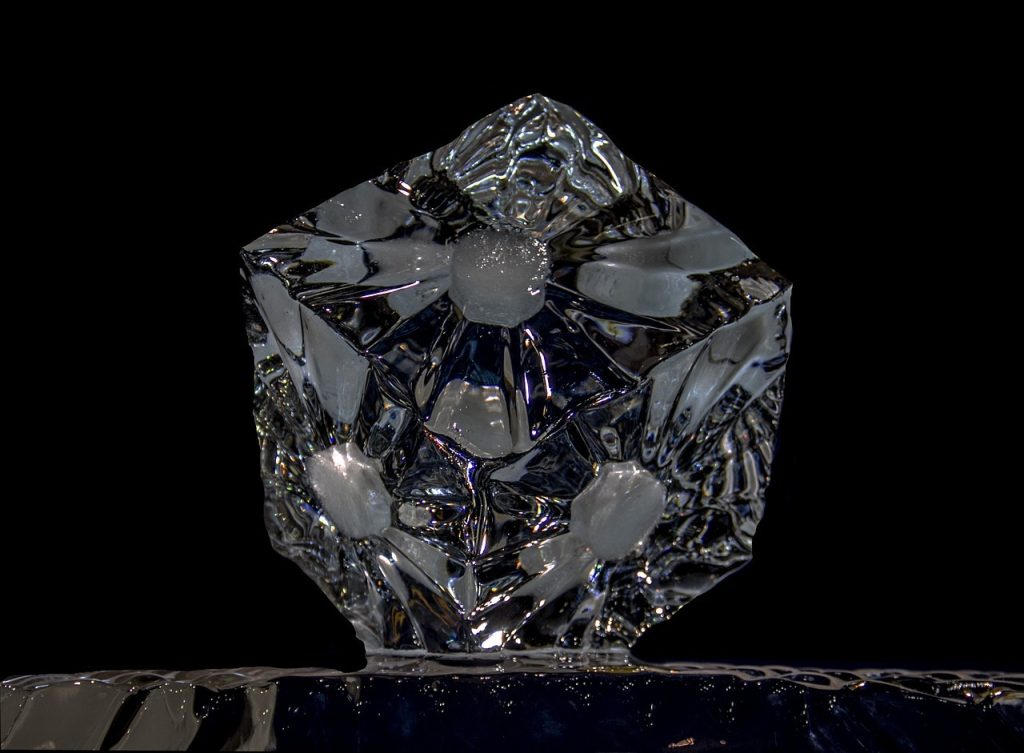
It looks like an enormous block of frozen water, but IceCube is actually one of the most unusual scientific instruments ever built. Deep beneath the South Pole, thousands of light sensors are embedded in about a cubic kilometer of exceptionally clear Antarctic ice. The detector uses that ice as its medium for spotting faint signals produced when elusive neutrinos interact with matter.

Francis Halzen Turned Antarctic Ice Into a Telescope
Francis Halzen
apnews.com

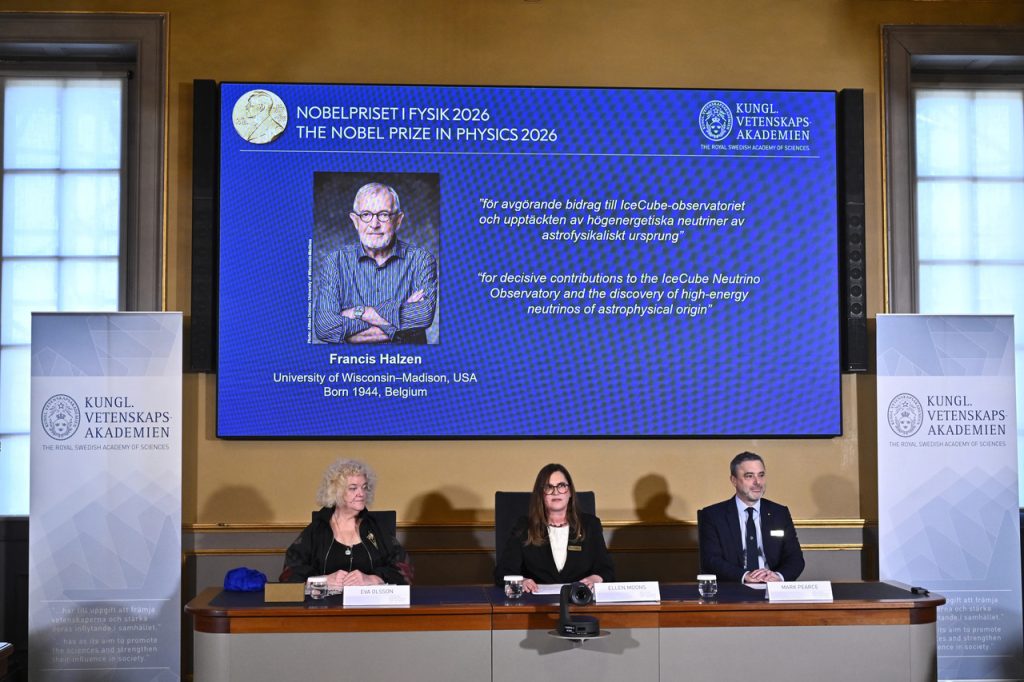
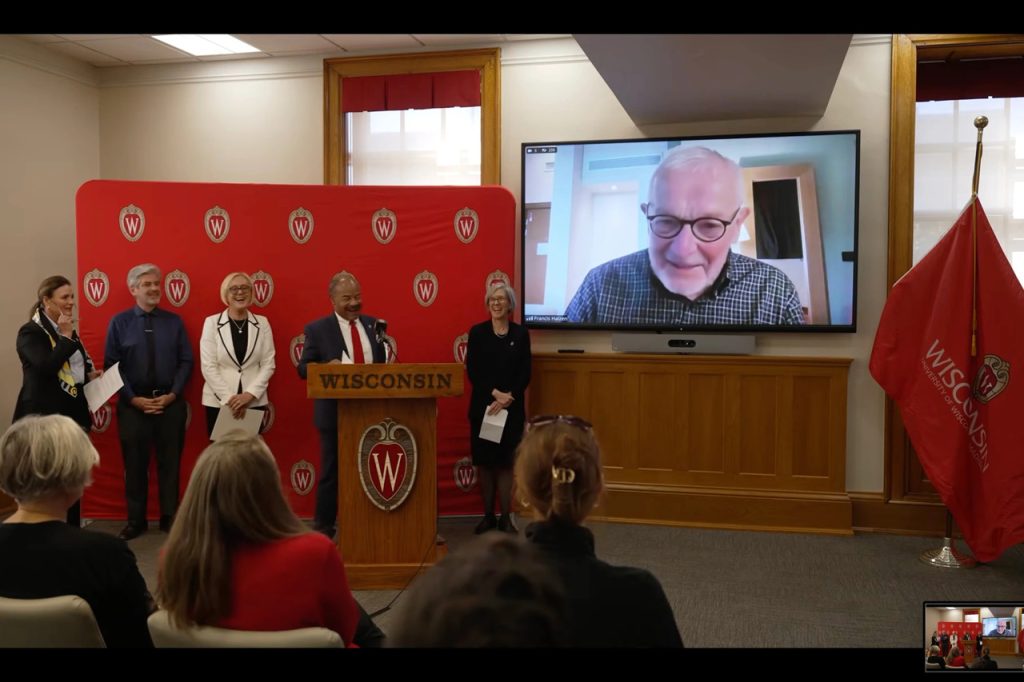
The story began with a bold idea from physicist Francis Halzen in the late 1980s. Instead of constructing a conventional telescope, scientists could use the enormous volume of transparent Antarctic ice itself as a detector. Halzen helped develop the concept that eventually became IceCube, transforming a seemingly inaccessible environment into an instrument capable of studying particles arriving from deep space.

Neutrinos Are Almost Impossible to Catch

Neutrinos Are Almost Impossible to Catch
apnews.com

Neutrinos are among nature’s most elusive particles. They have no electric charge and interact with matter extraordinarily weakly, allowing enormous numbers of them to pass through Earth and ordinary objects without leaving a trace. That makes them difficult to detect, but it also gives them a remarkable advantage: because they rarely interact, they can travel across vast cosmic distances without being deflected or absorbed in the way many other particles are.

Tiny Flashes Reveal Invisible Particles
Tiny Flashes Reveal Invisible Particles
apnews.com

IceCube does not photograph neutrinos directly. Instead, it looks for the brief flashes of blue light created when a neutrino happens to collide with an atom in the ice. Thousands of optical sensors buried deep below the surface watch for these faint signals. By studying the timing and pattern of the detected light, researchers can reconstruct information about the particle that produced it, including its direction and energy.

IceCube Gave Scientists a New View of the Universe
IceCube
Rochacarlos/PixaBay

For generations, astronomy depended heavily on light and other forms of electromagnetic radiation. Neutrino astronomy opened another window. Because neutrinos can escape extremely violent cosmic environments and travel long distances relatively undisturbed, detecting them gives researchers information that ordinary telescopes may not provide. IceCube therefore became more than a particle detector. It became a new kind of astronomical observatory.


Sophie Bennett
Sophie Bennett
Sophie Bennett is an editor and writer with a strong interest in clear communication and engaging storytelling. She focuses on creating content that is informative, accessible, and relevant to a broad audience. Her editorial approach emphasizes accuracy, readability, and thoughtful presentation of ideas. At the Minneapolis Bulletin, she contributes to delivering well-crafted stories that keep readers informed and connected to the topics that matter most.

Hot this week

Rosedale Center Is Closing Its Food Hall This Month. 5 Things Twin Cities Shoppers Should Know

Rosedale Center’s Potluck Food Hall is closing in October. Here’s what shoppers need to know about its restaurants and future.

6 Clues Behind the New Search for Amelia Earhart’s Missing Plane

A mysterious lagoon object, historical photographs and new underwater searches could offer fresh clues to Amelia Earhart’s disappearance.

NASA Wants Private Companies to Build America’s Next Space Stations. 6 Things to Know

NASA wants private companies to build America’s next space stations before the ISS retires. Here are six key details about the plan.

NASA’s Latest Arctic Ice Maps Show Where the Ocean’s Summer Freeze Fell Short

NASA’s latest Arctic maps reveal shrinking summer ice, declining older ice, and a winter maximum tied for the lowest on record.

6 Minnesota Road Changes Drivers Should Know About This Week

Minnesota drivers face overnight highway closures, construction detours, and lane restrictions this week. Here are six road changes to know.

Topics

Rosedale Center Is Closing Its Food Hall This Month. 5 Things Twin Cities Shoppers Should Know

Rosedale Center’s Potluck Food Hall is closing in October. Here’s what shoppers need to know about its restaurants and future.

6 Clues Behind the New Search for Amelia Earhart’s Missing Plane

A mysterious lagoon object, historical photographs and new underwater searches could offer fresh clues to Amelia Earhart’s disappearance.

NASA Wants Private Companies to Build America’s Next Space Stations. 6 Things to Know

NASA wants private companies to build America’s next space stations before the ISS retires. Here are six key details about the plan.

NASA’s Latest Arctic Ice Maps Show Where the Ocean’s Summer Freeze Fell Short

NASA’s latest Arctic maps reveal shrinking summer ice, declining older ice, and a winter maximum tied for the lowest on record.

6 Minnesota Road Changes Drivers Should Know About This Week

Minnesota drivers face overnight highway closures, construction detours, and lane restrictions this week. Here are six road changes to know.

4 Astronauts Just Returned From 237 Days in Space. Here Are 6 Highlights From Their Mission

Four astronauts have returned after 237 days in space, completing thousands of orbits, historic spacewalks, and groundbreaking research.

5 Minnesota Cities That Set October Heat Records This Weekend

Minnesota’s October heat shattered daily records over the weekend, with temperatures reaching 91°F before cooler weather moved in.

6 Things Packed Into NASA’s Next Space Station Delivery Launching Tuesday

NASA’s next space station delivery carries six fascinating items, from artificial retinas and brain research to solar arrays and lunar mission hardware.
spot_img

Related Articles

Popular Categories

spot_imgspot_img