
A fossil discovered in Illinois has turned into a remarkable scientific story, and its name makes the discovery even more personal. Researchers at Chicago’s Field Museum have identified Jeanerpeton mazonensis, a previously unrecognized proto-amphibian that lived about 309 million years ago. The fossil had been collected decades ago and initially identified as another ancient amphibian before two student scientists took a closer look. Their research revealed anatomical differences that warranted recognition as a new species. Even more charming is the reason behind its name: both researchers’ mothers are named Jean. The fossil also offers a rare glimpse into the ancient ecosystems of Mazon Creek, where unusually detailed preservation has helped scientists study creatures that lived long before dinosaurs.
A Fossil Once Mistaken for Another Species Turns Out to Be New
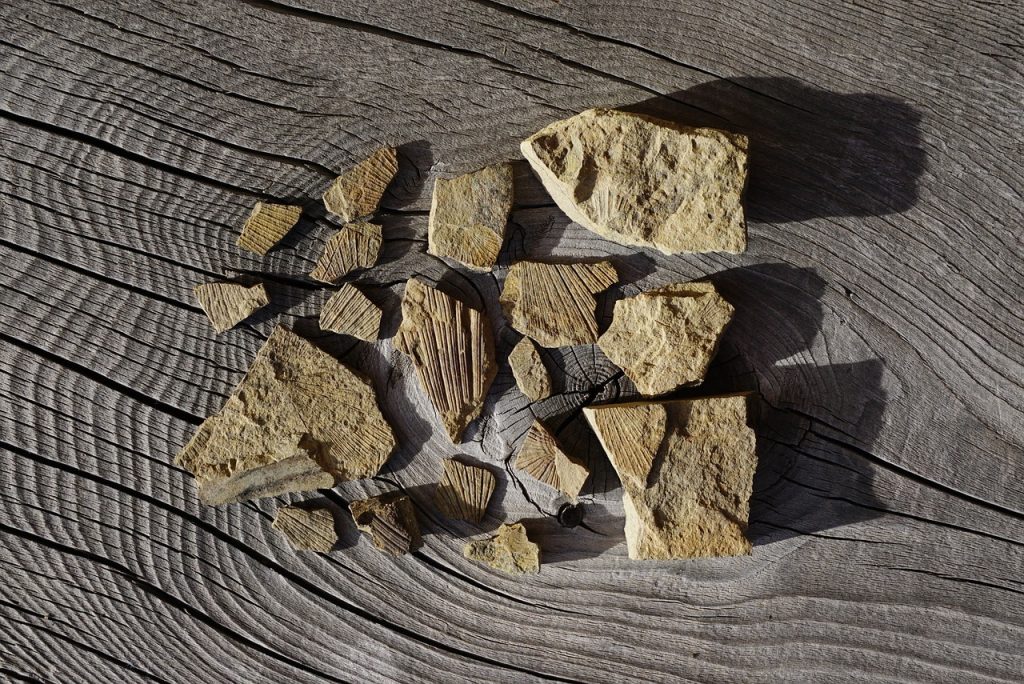
Sometimes a scientific discovery begins with a specimen that has already been sitting in a museum for years. That is exactly what happened with Jeanerpeton mazonensis, a newly described proto-amphibian from the famous Mazon Creek fossil beds in Illinois. The fossil was found years ago by an amateur collector and later donated to the Field Museum, where it was initially classified as Amphibamus grandiceps, an ancient amphibian already known from the area. A closer examination by student scientists Payton Kohlberg and Allison Sefcovic, working with Field Museum researchers, revealed anatomical differences significant enough to establish it as its own species. The researchers published their findings in the Journal of Vertebrate Paleontology, officially pulling the animal out of that previous classification. The case also illustrates why museum collections remain scientifically valuable long after specimens are first collected. A fossil that seemed familiar at one point can take on a completely different significance when researchers revisit it with new questions and more detailed comparisons.
This Strange Amphibian Lived 309 Million Years Ago
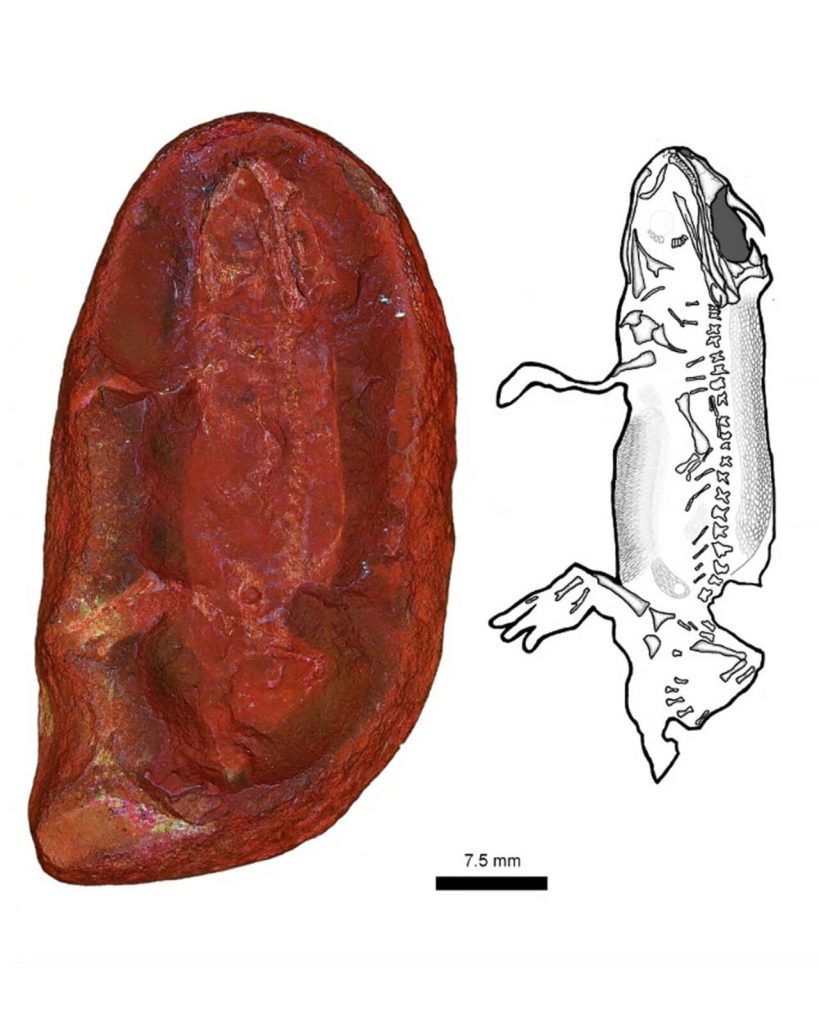
Picture Chicago before there was anything resembling the city we know today. Around 309 million years ago, the area was a swampy river delta during the Carboniferous period, an environment populated by early land-dwelling animals, giant insects and other creatures that lived long before dinosaurs appeared. Jeanerpeton mazonensis was one of those early animals. The Field Museum describes it as an early ancestor of today’s amphibians, with a body that can be imagined as something between a salamander and a squat, chubby frog. Its position in deep evolutionary history makes the fossil useful for studying how early amphibians developed characteristics that eventually became familiar in modern frogs and salamanders. Researchers are particularly interested in fossils from this period because they capture an important chapter in the transition and diversification of vertebrate life on land. The animal was not a modern frog or salamander, but it belonged to an ancient branch that helps scientists understand the much earlier roots of those groups.
Its Name Honors Both Researchers’ Moms
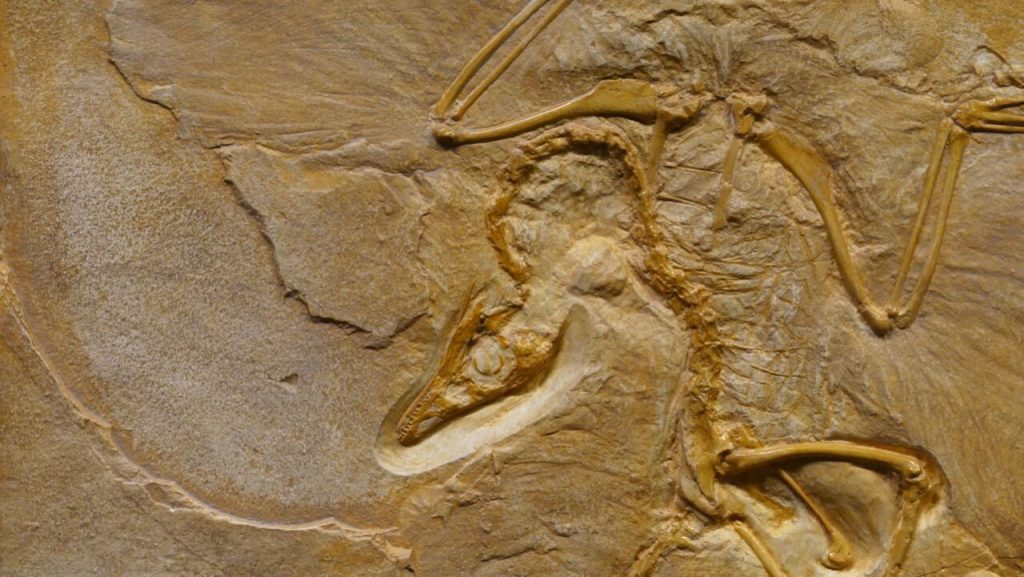
The creature’s scientific name has a wonderfully personal origin. When Payton Kohlberg and Allison Sefcovic began working on the fossil, they discovered that both of their mothers share the first name Jean. That coincidence inspired them to name the new species Jeanerpeton mazonensis. The Field Museum translates the name as Jean’s crawler from Mazon Creek. The first part, Jeanerpeton, honors their mothers, while mazonensis points to Mazon Creek, the Illinois fossil site where the specimen originated. Scientific names can commemorate people, locations, physical characteristics or other aspects of a discovery, and this one does all of the important identifying work while carrying a personal tribute. The choice also gives the story an unusual connection between family and paleontology. Two students were examining an animal that had been dead for more than 300 million years, and when they were allowed to formally name it, they chose to connect that ancient creature with the two women who share the same name and inspired the species’ memorable scientific designation.
Mazon Creek Preserved Details That Normally Disappear
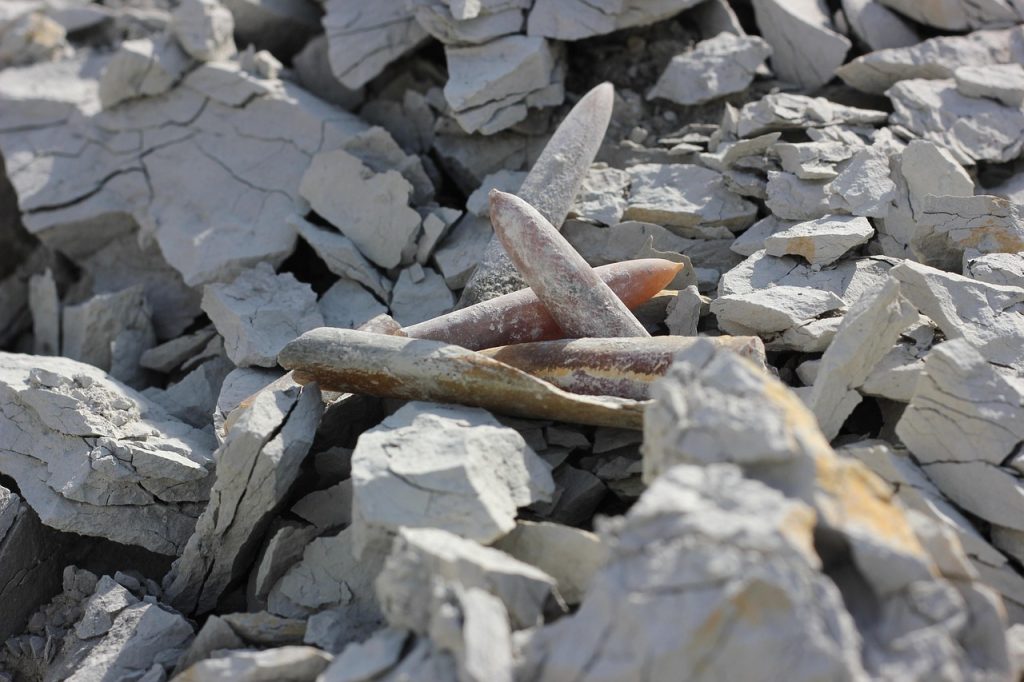
The fossil’s value comes partly from how much information survived the fossilization process. Mazon Creek was a river delta during the Carboniferous period, and sediment could rapidly cover dead plants and animals. That quick burial helped preserve delicate features that are often lost as fossils form. In Jeanerpeton, researchers can see impressions of the animal’s eyes, scales along its back and tiny structures known as gastralia, sometimes described as belly ribs. The Field Museum notes that Mazon Creek is especially valuable because fossils from the site can preserve soft-tissue outlines and other fine details that are rarely visible in fossils this old. Those details give scientists more than an idea of the animal’s general shape. They provide anatomical evidence that can be compared with related species and used to investigate the origins of traits seen in living amphibians. For researchers studying early tetrapods, that kind of preservation can make an enormous difference because small anatomical features may help distinguish one ancient species from another.
Two Student Scientists Helped Bring the Species to Light
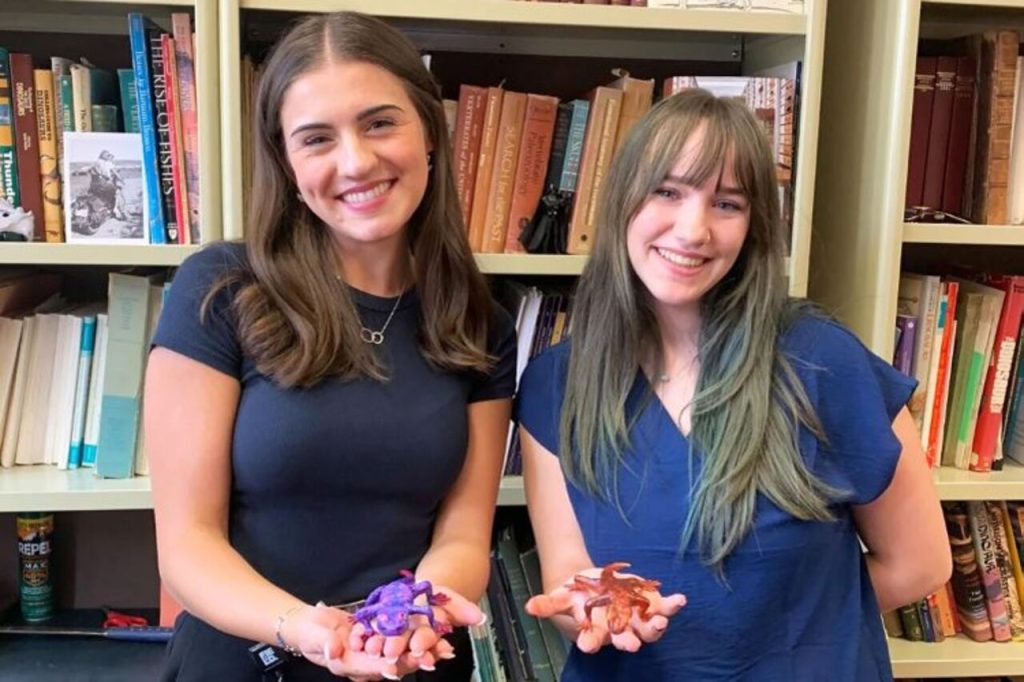
The discovery is also notable because Kohlberg and Sefcovic were student scientists when they conducted the research. Both were part of the Field Museum’s Women in Science internship program, which encourages young women to pursue careers in science and museums. They worked in the lab group of Arjan Mann, the museum’s assistant curator of fossil fishes and early tetrapods, alongside study co-author Cam So, a Field Museum postdoctoral researcher. Kohlberg came into the Mann Lab without much background in paleontology, making the project an opportunity to learn through direct research rather than simply studying the subject in a classroom. The experience ultimately led to the students becoming co-lead authors of the scientific paper describing the new species. Their work shows how museum research can involve students in genuine scientific questions, including the painstaking process of examining old specimens and determining whether they have been correctly identified. It also demonstrates that a specimen does not need to be newly excavated to produce new scientific information.
The Discovery Adds to the Story of Ancient Illinois
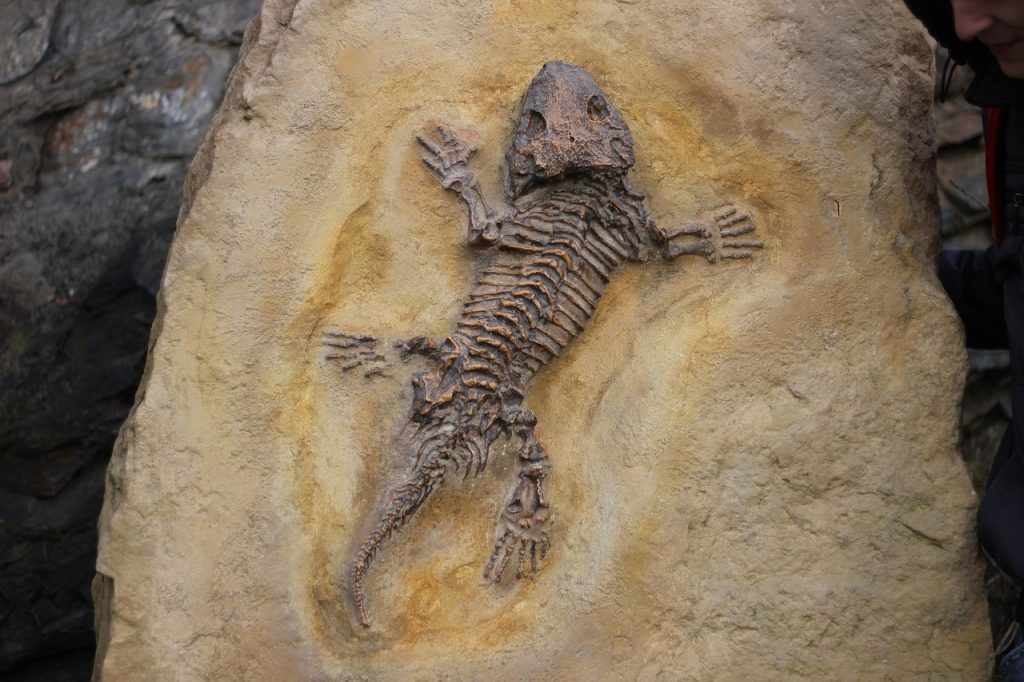
The newly recognized species gives scientists another piece of evidence for reconstructing what life looked like in Illinois more than 300 million years ago. Mazon Creek is already one of the world’s important fossil sites, but its value grows as researchers continue identifying and reexamining specimens from its deposits. Jeanerpeton mazonensis helps expand the known diversity of early amphibian relatives from the region while providing anatomical information about animals living during the Carboniferous period. The Field Museum says the discovery opens another door for researchers as they continue documenting the biodiversity preserved at Mazon Creek. Each newly understood fossil contributes another small part to a much larger picture of the ancient ecosystem. In this case, the animal also helps scientists investigate the origins of characteristics associated with today’s frogs and salamanders. What began as a specimen classified under a known species has therefore become a distinct piece of Illinois’s deep natural history, showing why continued research into existing museum collections can still reveal new chapters in Earth’s past.