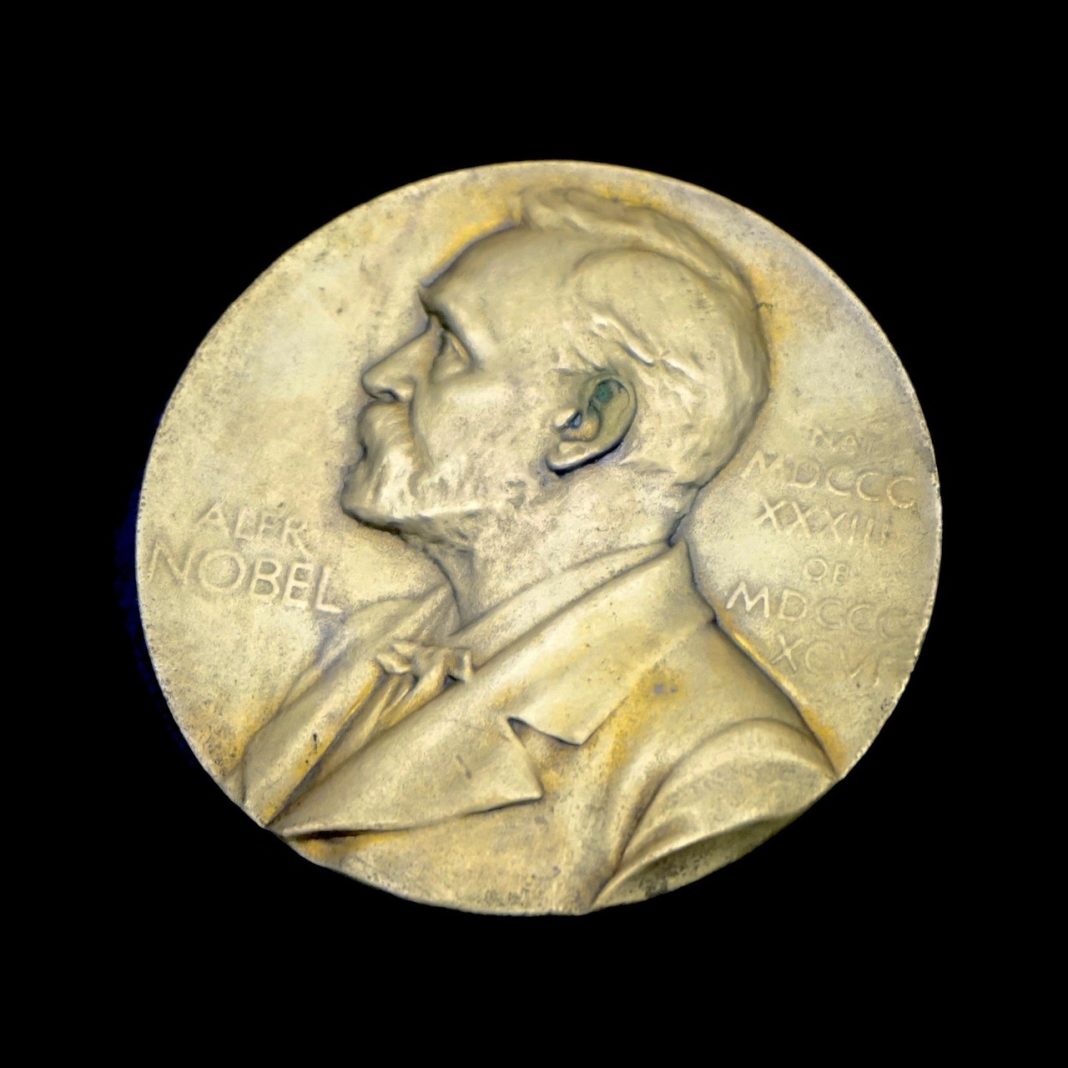

A giant block of Antarctic ice might seem like an unlikely Nobel Prize winner, but IceCube has changed how scientists observe the universe. Buried deep beneath the South Pole, the enormous detector uses clear ice and thousands of sensors to catch fleeting signals from neutrinos, ghostlike particles that can travel across the cosmos almost untouched. Its discoveries have opened a new way to investigate some of the universe’s most powerful and mysterious objects.
The Ice Cube Is Really a Giant Neutrino Detector

It looks like an enormous block of frozen water, but IceCube is actually one of the most unusual scientific instruments ever built. Deep beneath the South Pole, thousands of light sensors are embedded in about a cubic kilometer of exceptionally clear Antarctic ice. The detector uses that ice as its medium for spotting faint signals produced when elusive neutrinos interact with matter.
Francis Halzen Turned Antarctic Ice Into a Telescope

The story began with a bold idea from physicist Francis Halzen in the late 1980s. Instead of constructing a conventional telescope, scientists could use the enormous volume of transparent Antarctic ice itself as a detector. Halzen helped develop the concept that eventually became IceCube, transforming a seemingly inaccessible environment into an instrument capable of studying particles arriving from deep space.
Neutrinos Are Almost Impossible to Catch

Neutrinos are among nature’s most elusive particles. They have no electric charge and interact with matter extraordinarily weakly, allowing enormous numbers of them to pass through Earth and ordinary objects without leaving a trace. That makes them difficult to detect, but it also gives them a remarkable advantage: because they rarely interact, they can travel across vast cosmic distances without being deflected or absorbed in the way many other particles are.
Tiny Flashes Reveal Invisible Particles

IceCube does not photograph neutrinos directly. Instead, it looks for the brief flashes of blue light created when a neutrino happens to collide with an atom in the ice. Thousands of optical sensors buried deep below the surface watch for these faint signals. By studying the timing and pattern of the detected light, researchers can reconstruct information about the particle that produced it, including its direction and energy.
IceCube Gave Scientists a New View of the Universe
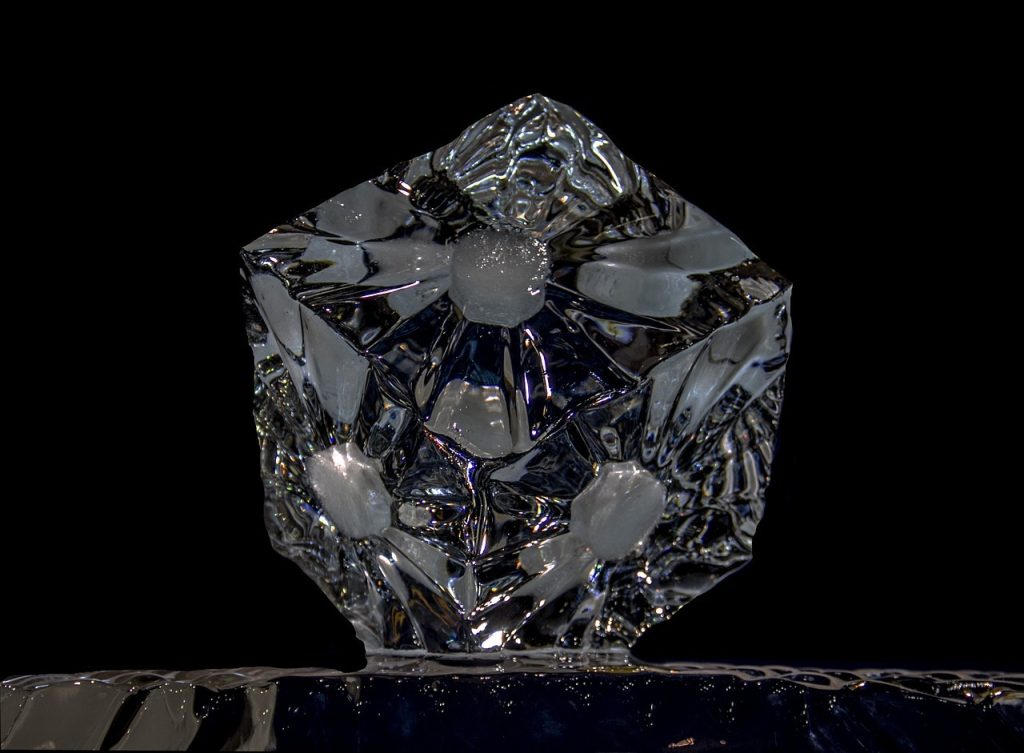
For generations, astronomy depended heavily on light and other forms of electromagnetic radiation. Neutrino astronomy opened another window. Because neutrinos can escape extremely violent cosmic environments and travel long distances relatively undisturbed, detecting them gives researchers information that ordinary telescopes may not provide. IceCube therefore became more than a particle detector. It became a new kind of astronomical observatory.