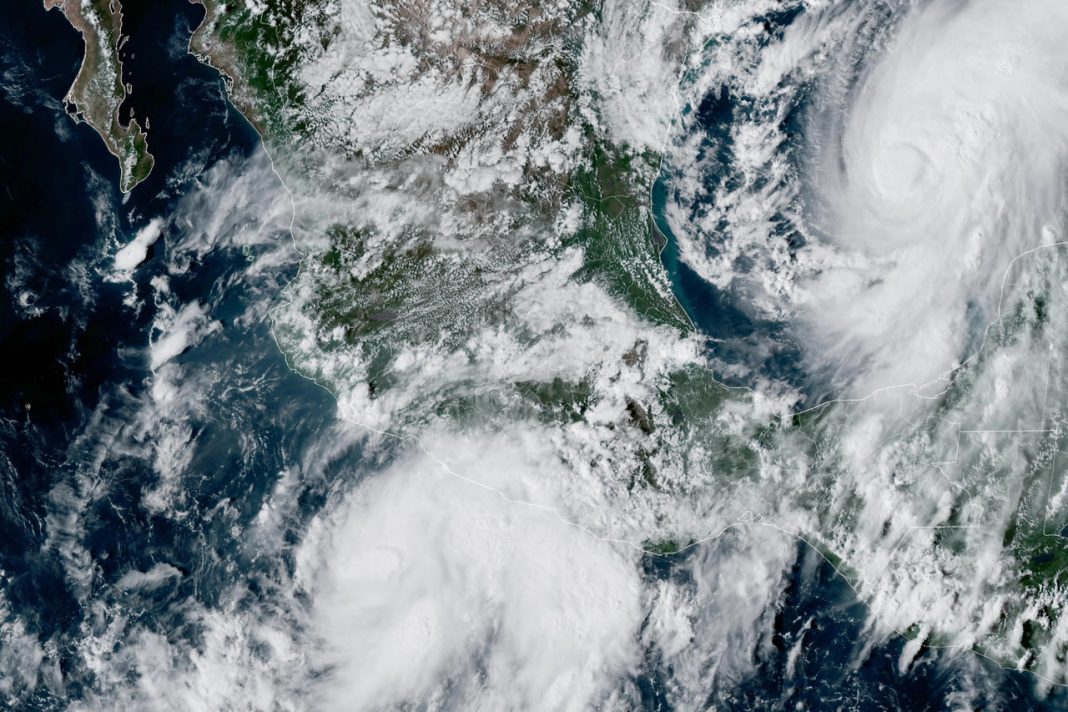

Hurricane Isaias has made Atlantic hurricane history in more ways than one. After an unusually quiet season, the storm strengthened into the Atlantic’s first hurricane of 2026, arriving just one day before the record for the latest first hurricane could have been matched. Its approach toward the Gulf Coast also brought concerns about flooding, strong winds, offshore oil production and disruptions for coastal communities.
Isaias Became the Atlantic Season’s First Hurricane
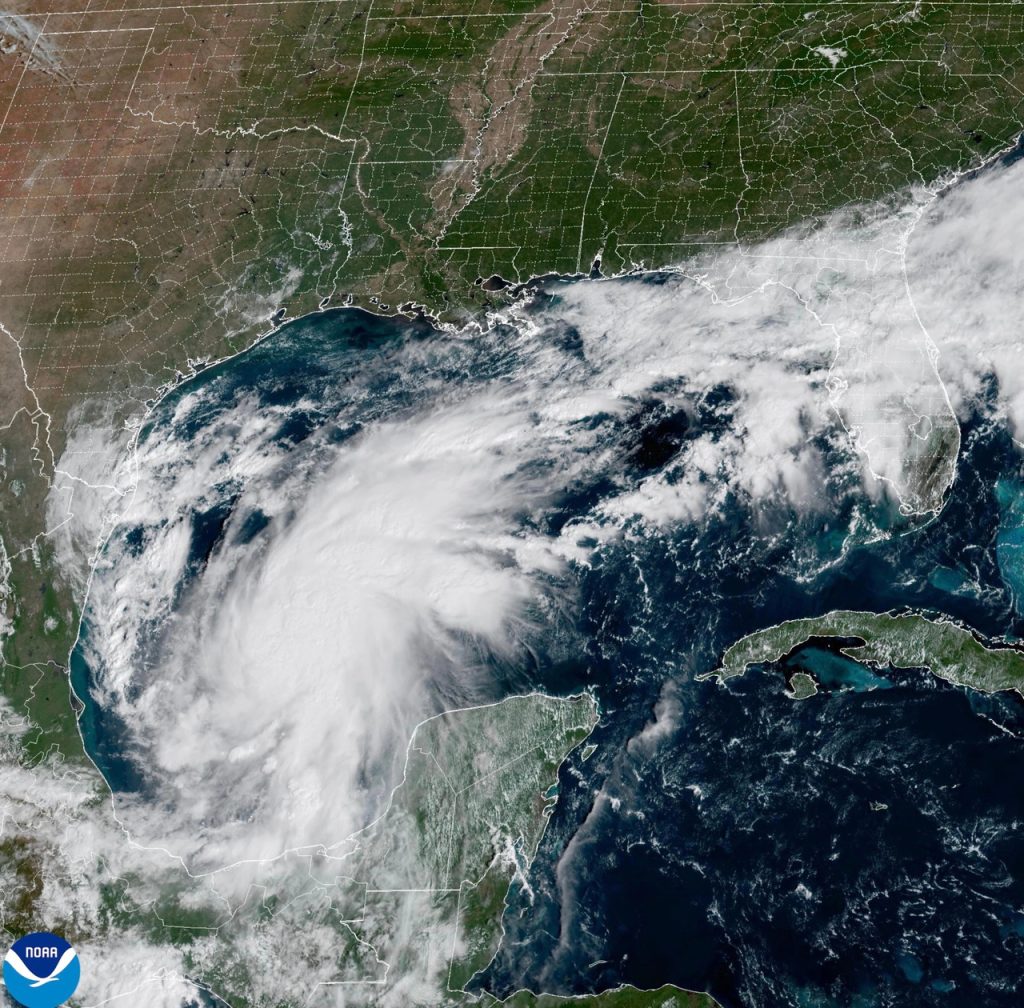
The 2026 Atlantic hurricane season had gone unusually long without a hurricane until Isaias finally crossed the threshold late Wednesday. Its maximum sustained winds reached about 75 mph, just above the 74-mph mark required for hurricane status. That made Isaias the season’s first Atlantic hurricane and marked a significant shift after months of unusually limited activity.
The Storm Came Within One Day of a Historic Record
Isaias formed remarkably late, more than four months after the Atlantic hurricane season began on June 1. The National Weather Service says the record for the latest first Atlantic hurricane dates to Oct. 8, 1905. Isaias strengthened on Oct. 7, leaving it one day short of tying that 121-year-old record.
The Gulf Coast Is Facing the Biggest Threat

The storm’s next major test is the northern Gulf Coast, where forecasters expected it to make landfall between the Mississippi coast and Florida Panhandle late Friday or early Saturday. Communities along the coast were preparing for strong winds, heavy rainfall and dangerous storm surge. The threat was not limited to the shoreline, with flooding potentially reaching farther inland as the system moves north.
Heavy Rain Could Bring Flash Flooding
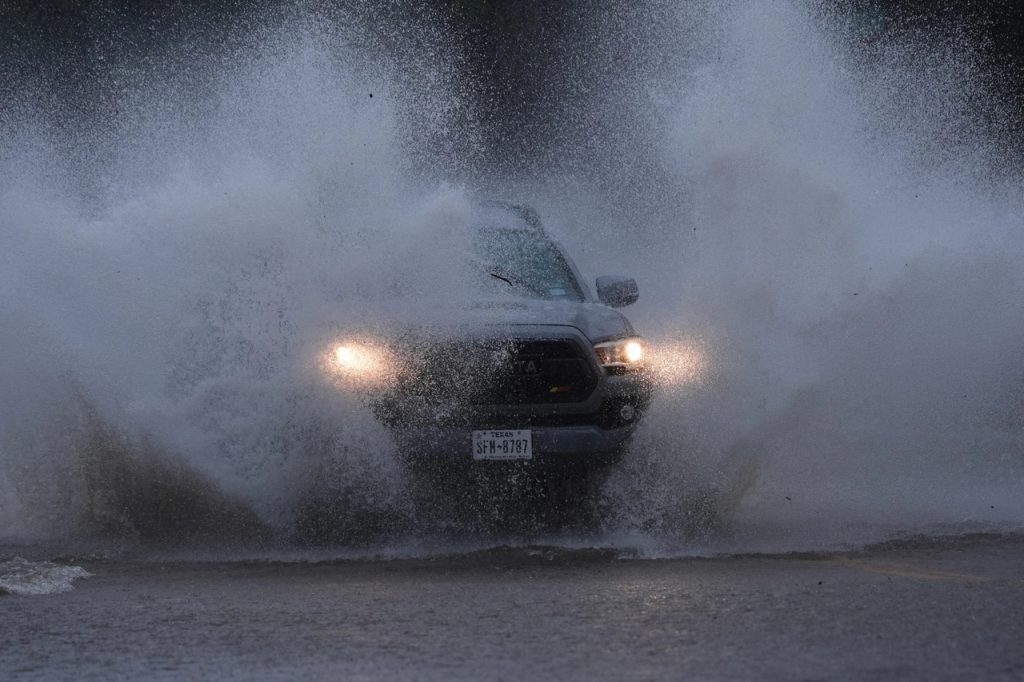
Wind is only part of the danger from Isaias. Forecasters warned that the hurricane could produce heavy rain capable of triggering flash flooding, particularly across vulnerable parts of the Gulf Coast and Southeast. As the storm moves inland, the risk can extend well beyond the immediate landfall area, making rainfall and flooding important concerns even for communities that avoid the strongest hurricane winds.
A Strong El Niño Helped Keep the Atlantic Quiet
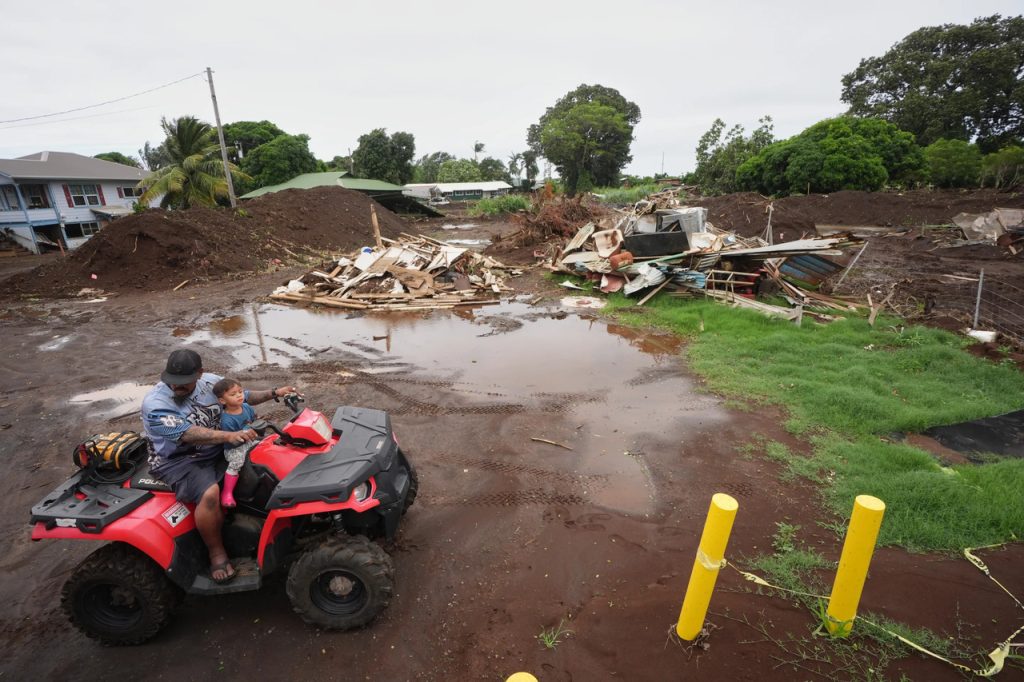
The unusual timing of Isaias is tied in part to an unusually quiet Atlantic season. A strong El Niño has generally made the environment less favorable for Atlantic hurricane formation by increasing wind shear, which can disrupt developing tropical systems. At the same time, conditions in the Gulf became more supportive of development, including very warm water and weaker wind shear in the region.
Gulf Oil Production Was Already Being Disrupted
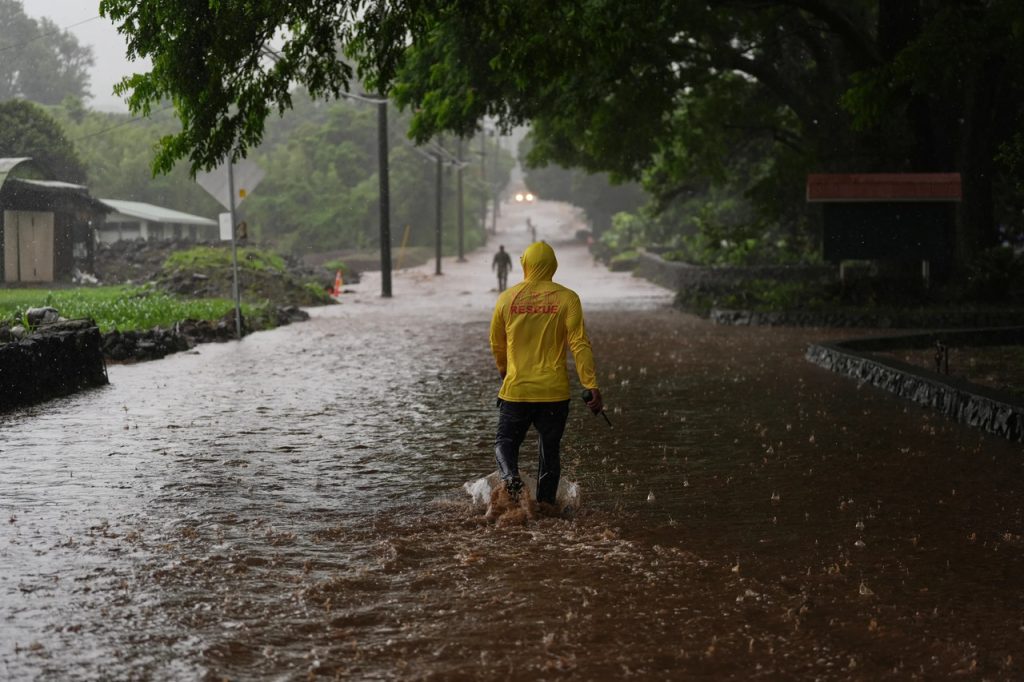
Isaias was affecting more than weather forecasts before reaching land. Gulf oil and gas operators began shutting down some offshore production as the storm approached. About 25% of Gulf offshore oil production, representing roughly 511,000 barrels per day, had been temporarily halted, while several offshore platforms were evacuated. The disruption also raised concerns about potential effects on energy markets if the storm reached refineries as a powerful hurricane.
Coastal Events and Communities Were Preparing
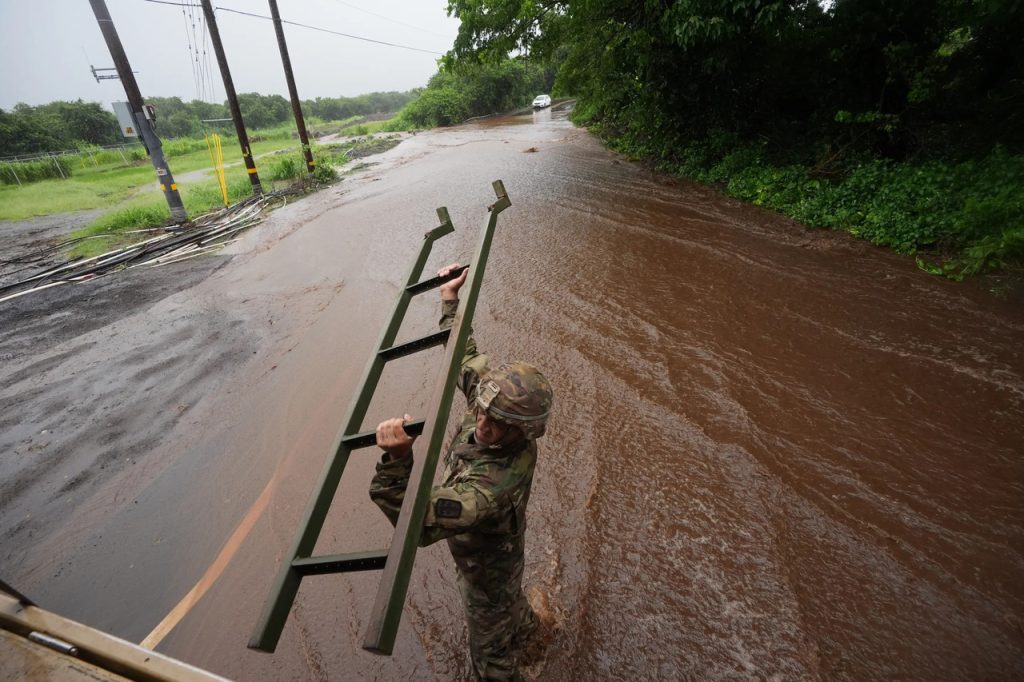
The approaching hurricane was already changing plans along the Gulf Coast. Gulf Shores, Alabama, canceled its National Shrimp Festival, an event that attracted an estimated 325,000 people the previous year. Florida and Alabama declared states of emergency in affected areas, while residents gathered supplies, moved belongings to higher ground and prepared for possible power outages and flooding. The response reflects the region’s experience with destructive hurricanes such as Camille, Katrina and Michael.