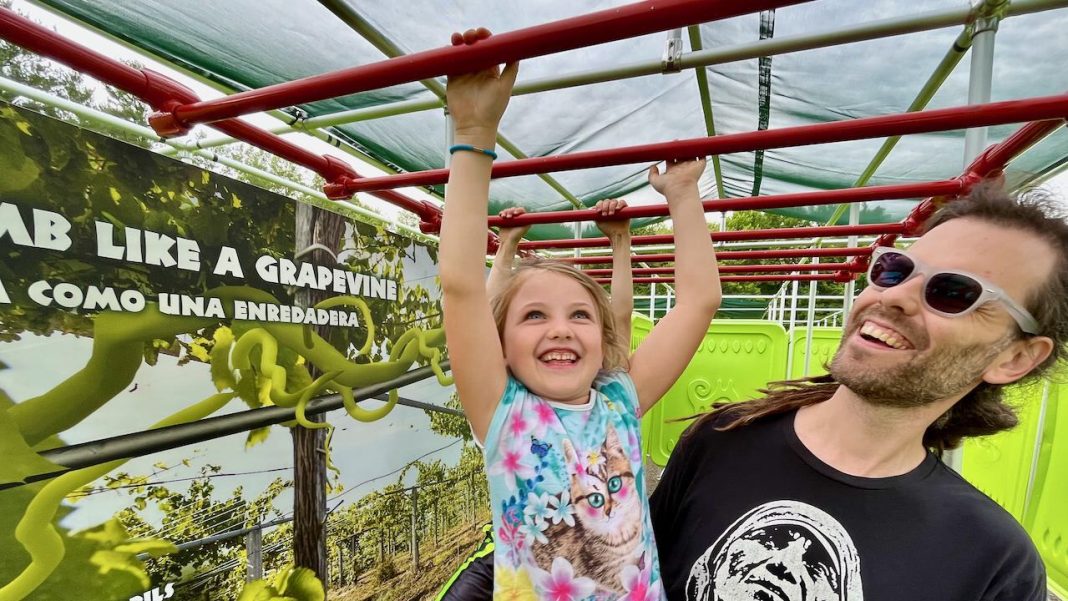

The Virginia Aquarium is inviting visitors to explore the natural world in a completely different way with Mission Botanica, an interactive indoor plant maze filled with playful challenges and surprising discoveries. From a bee-inspired zipline to a giant redwood experience and a replica of the unusual corpse flower, the new exhibit combines hands-on fun with fascinating lessons about plants and their role in nature.
A Giant Redwood Tree Experience That Turns Plant Science Into an Adventure
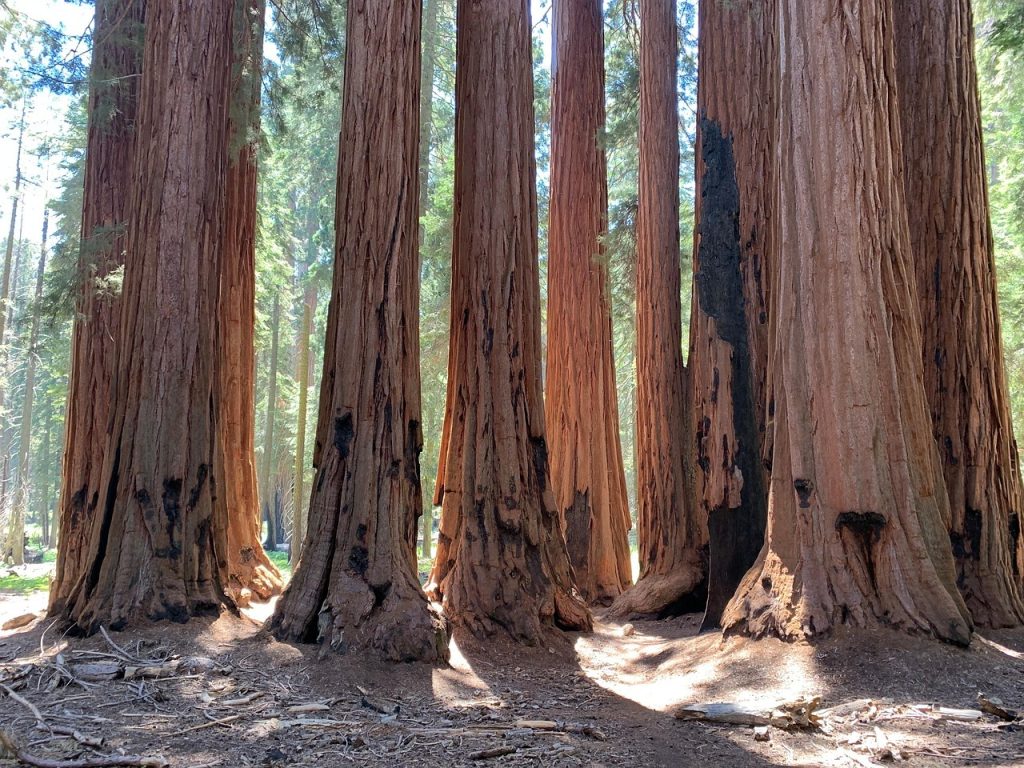
Plants may seem stationary, but they support some of the most dynamic relationships in nature. At Mission Botanica, the Virginia Aquarium’s new indoor maze, visitors can explore this idea through an activity inspired by a giant redwood tree. The experience invites guests to leap across rings representing the tree’s enormous trunk, turning a simple physical challenge into an opportunity to think about plant growth and size. Redwood trees are among the tallest trees on Earth, with coast redwoods capable of growing more than 300 feet tall under suitable conditions. Their immense trunks also provide habitats for insects, birds and other organisms. By bringing this feature into an interactive maze, the aquarium encourages visitors to engage with plant science through movement rather than relying entirely on signs or displays. The exhibit is designed for all ages, making it an opportunity for children and adults to explore the remarkable characteristics of plants together.
A Spider Web Challenge That Encourages Visitors to Protect a Garden
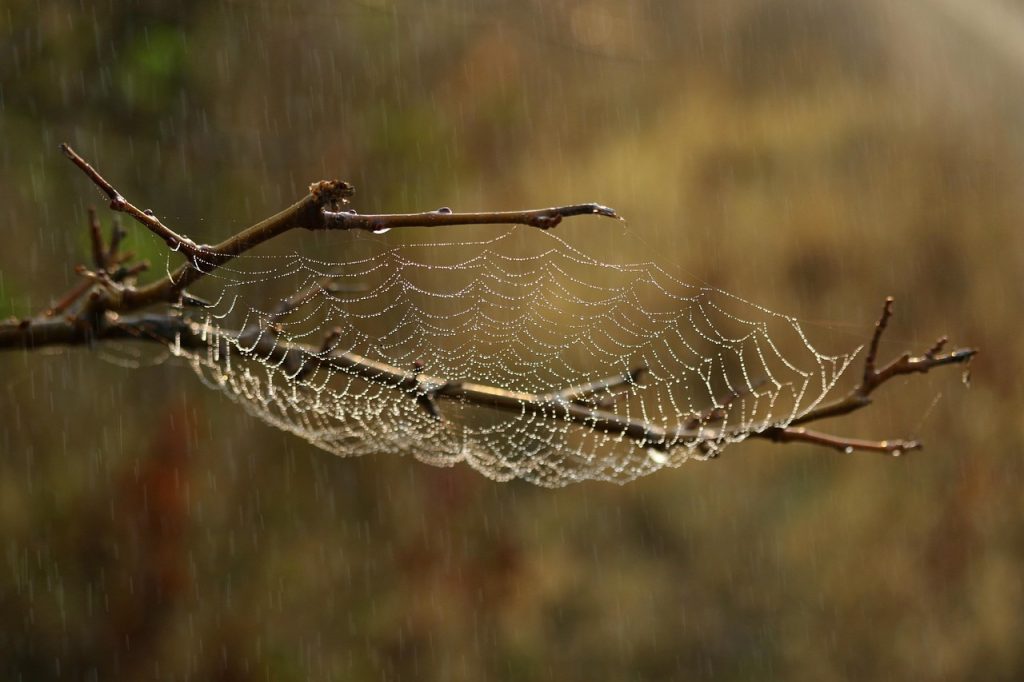
A garden is more than a collection of flowers and greenery. It is a small ecosystem where plants, insects and other animals interact, and Mission Botanica uses a spider web-inspired challenge to help visitors explore that relationship. Guests can climb a spider web as part of an activity designed around protecting a garden, introducing the idea that plants depend on a wider network of living things. Spiders, for example, help regulate insect populations by feeding on many insects that might otherwise damage vegetation. Other creatures, including bees and butterflies, help flowering plants reproduce through pollination. The challenge encourages visitors to think about how different organisms contribute to a healthy environment, even when those relationships are not immediately visible. By turning the idea into a physical activity, the aquarium makes ecological connections easier for younger visitors to understand. It also reinforces the importance of protecting gardens and natural habitats, where many small interactions help sustain the larger ecosystem.
A Zipline Ride That Mimics a Bee Carrying Pollen Between Flowers
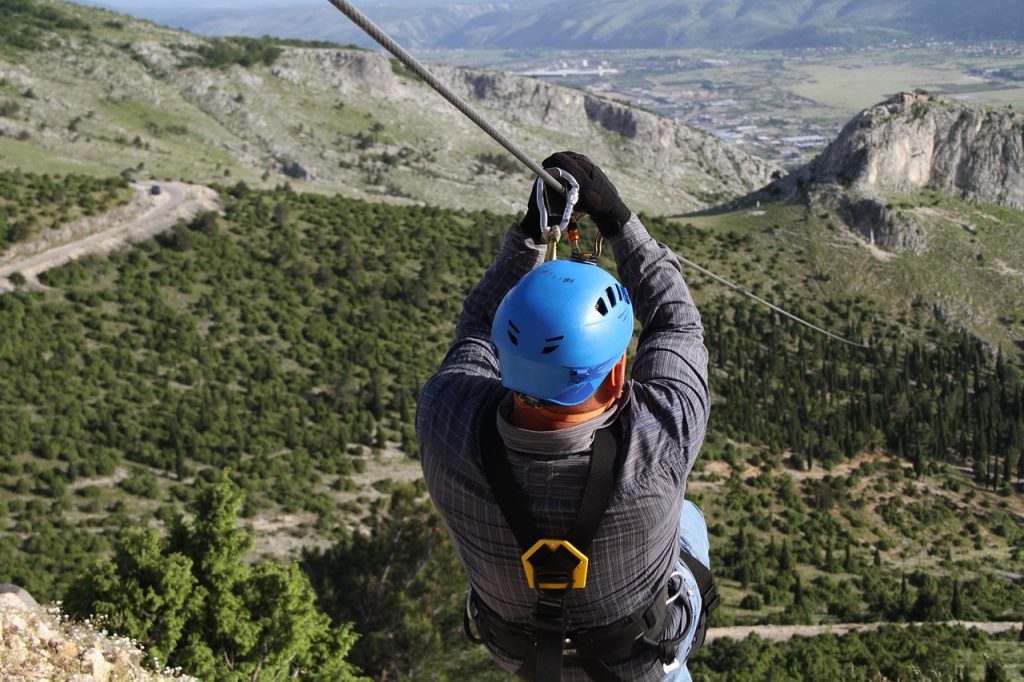
One of the most playful features of Mission Botanica lets visitors glide along a zipline like a bee carrying pollen between flowers. The activity introduces pollination, a process that allows many flowering plants to reproduce. As bees visit flowers to collect nectar and pollen, grains of pollen can stick to their bodies and be transferred to other flowers of the same species. That transfer can enable fertilization and the production of seeds, helping plants reproduce and maintain healthy populations. Pollinators also support many crops that people depend on for food, making their role important well beyond gardens and wild landscapes. The exhibit’s bee-inspired ride gives visitors a physical way to imagine this movement between flowers, connecting an enjoyable experience with a fundamental biological process. It is particularly useful for children, who can learn about pollination through an activity rather than a lengthy scientific explanation. By showing how a small insect can have a large influence on plant life, the attraction highlights an essential connection within nature.
A Corpse Flower Replica That Highlights One of the World’s Largest Flowers
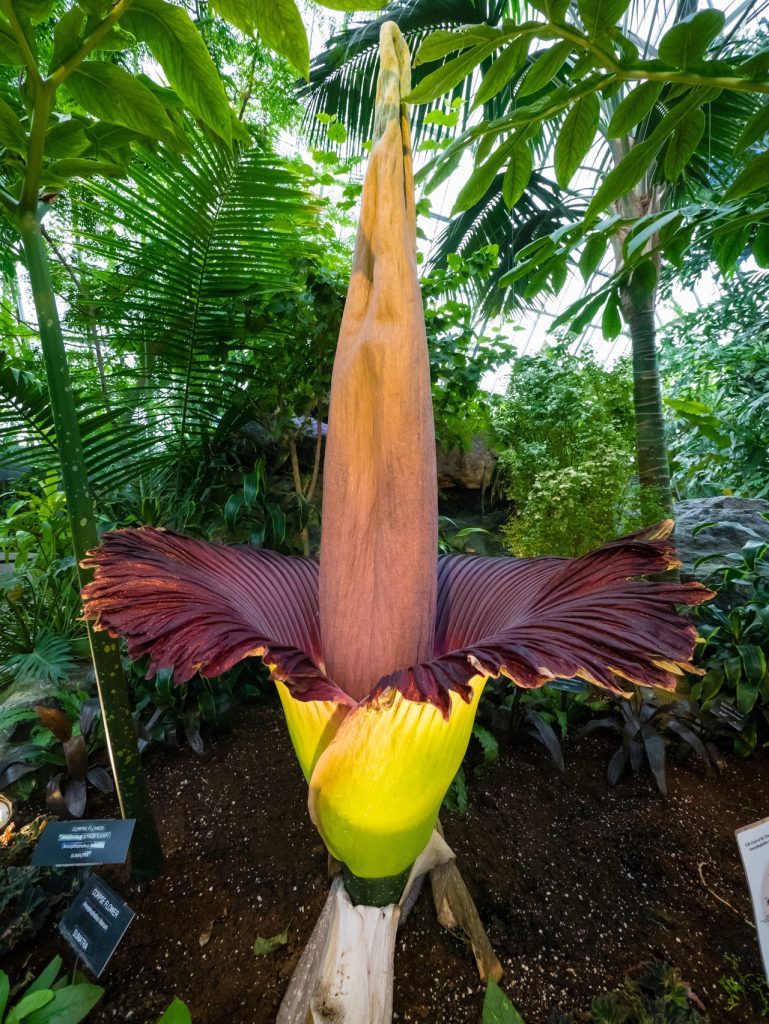
The corpse flower is famous for a reason that goes well beyond its unusual name. Native to the rainforests of Sumatra in Indonesia, the plant is scientifically known as Amorphophallus titanum and produces one of the largest unbranched flowering structures in the world. When it blooms, the plant releases a powerful odor often compared to rotting flesh. That smell attracts carrion-seeking insects, including certain beetles and flies, which can help pollinate it. The flowering event is relatively rare and short-lived, making it a source of fascination for botanical gardens and plant enthusiasts. Mission Botanica includes a corpse flower replica where visitors can pose for photographs while learning about the plant’s distinctive characteristics. A replica allows the aquarium to introduce this unusual botanical subject without needing a living specimen in bloom. The feature also challenges the assumption that all flowers rely on pleasant fragrances or bright colors to attract pollinators. In nature, even an unpleasant smell can serve an important purpose.
Question-and-Answer Challenges That Explore Plant Diversity
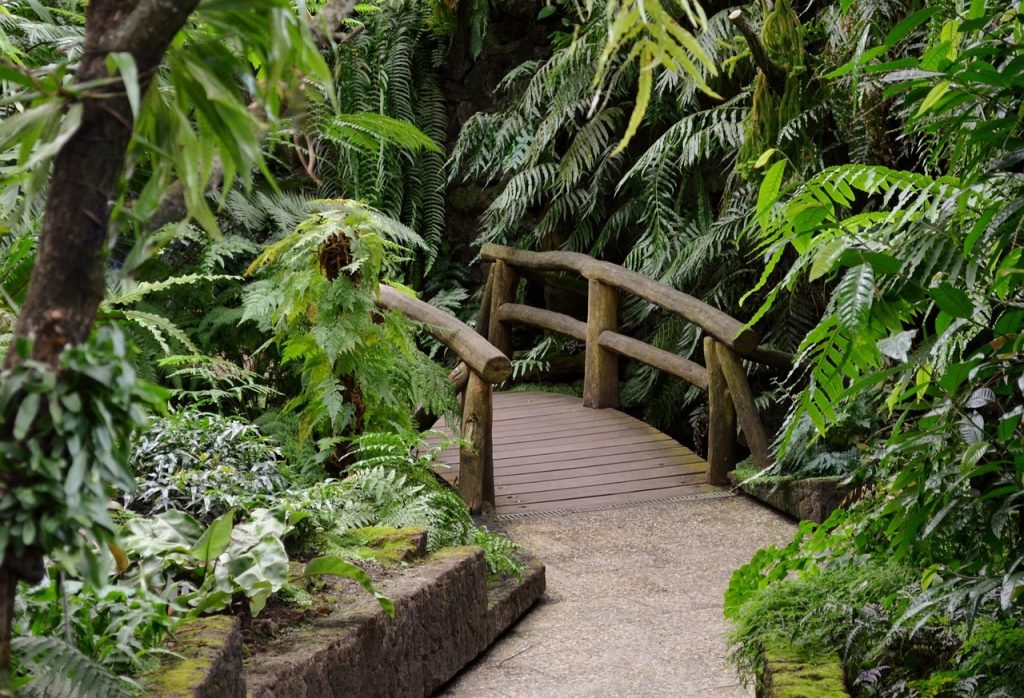
With more than 400,000 plant species found around the world, the plant kingdom offers an extraordinary range of shapes, sizes and survival strategies. Mission Botanica incorporates question-and-answer challenges throughout its maze, encouraging visitors to discover surprising plant traits and consider how different species survive in their environments. Some plants have evolved thick leaves that help conserve water, while others use specialized structures to capture sunlight or climb toward it. Certain species rely on animals for pollination or seed dispersal, while others depend on wind or water. These differences reflect the many habitats plants occupy, from tropical rainforests to dry deserts and cold mountain regions. The exhibit’s questions give visitors an opportunity to test their knowledge while learning new facts as they move through the maze. Rather than treating plant science as a list of definitions, the activities invite guests to observe, think and make connections. This approach can help families turn a visit into a shared learning experience, with children and adults discovering that plants are far more varied and adaptable than they may have imagined.
A Hands-On Indoor Maze That Shows Why Plants Matter to Life on Earth
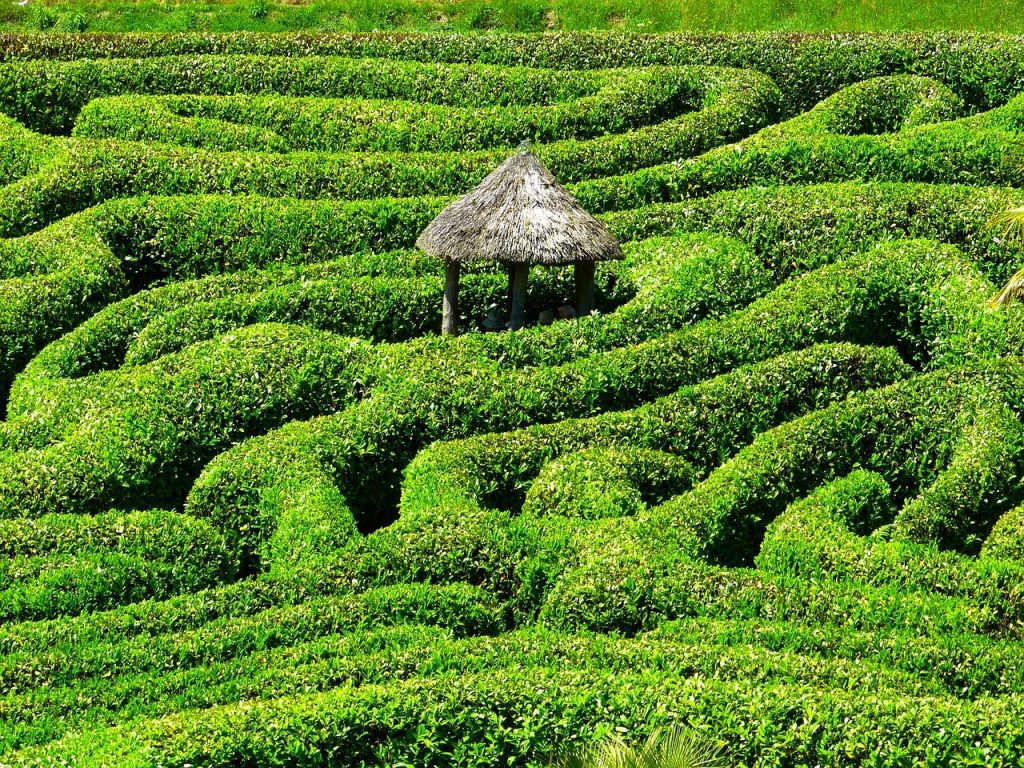
Mission Botanica is designed to make visitors think about plants as essential parts of the living world, not simply as decorations in gardens or parks. The indoor maze, created by Minotaur Mazes, invites guests to climb, leap and glide through activities inspired by plant life. Along the way, visitors encounter challenges connected to pollination, plant diversity and the relationships that sustain ecosystems. These experiences support a larger message: plants provide food, shelter and other resources that humans and animals rely on every day. They also absorb carbon dioxide, release oxygen through photosynthesis and help shape the habitats in which countless species live. The changing exhibit opened to the public on October 4, 2026, and is scheduled to remain at the Virginia Aquarium through January 10, 2027. It is included with aquarium admission and was fully funded by the Virginia Aquarium Foundation. The exhibit also offers weekly Toddler Meet & Move programming on Wednesday mornings, beginning October 7, giving younger children another way to engage with the activities.