
Minneapolis has a distinctive feature that sets it apart from many American cities: an independent Park Board with significant control over public green spaces, land acquisition, and park funding. Established in 1883, the Minneapolis Park and Recreation Board has helped shape the city’s lakes, trails, recreation centers, and neighborhood parks for generations. Its elected commissioners manage a vast public asset while operating separately from City Hall in important ways. However, that independence has also sparked debates over taxes, spending, and government accountability. Here are six key details that explain how the board gained its influence and why its role remains a subject of discussion.
Minneapolis Created an Independent Park Board in 1883
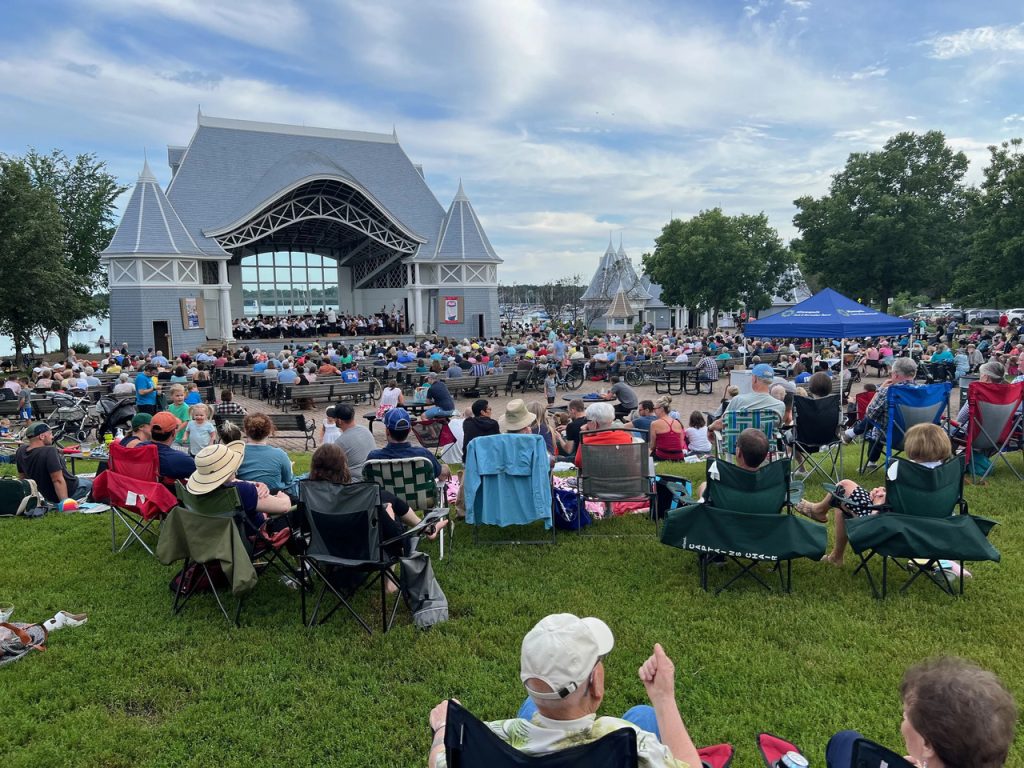
Minneapolis took an unusual approach to protecting its green spaces when voters approved the creation of an independent Park Board in April 1883. The effort was led by Charles Loring, a wealthy flour miller who believed the growing city needed a coordinated network of public parks. At the time, city leaders were focused on infrastructure such as roads, bridges, sewers, and hospitals, leaving parks with limited attention. Loring persuaded state legislators to establish a separate body with the authority to acquire land and raise taxes for park development. This gave the park system a degree of independence from City Hall that continues today. The arrangement helped shape Minneapolis into a city known for its lakes, trails, parkways, and neighborhood green spaces. It also created a governing structure that can make decisions about parks without relying entirely on the mayor or City Council.
The Board Can Acquire Land and Raise Taxes for Parks
Unlike a typical city parks department, Minneapolis’ Park Board has its own authority over important financial and land-use decisions. It can acquire property for parks and maintain a separate budget supported largely by property taxes. This independence has allowed the board to protect land that might otherwise have been developed for private use. The authority was particularly important during Minneapolis’ early growth, when public green space competed with commercial development and rising property values. However, the board does not have unlimited power to set taxes on its own. Its proposed property tax levy must go through the city’s Board of Estimate and Taxation, which establishes the maximum levy allowed for the Park Board and other city entities. This arrangement gives park commissioners meaningful financial control while still placing limits on how much they can collect from taxpayers.
The Board Helped Shape the Chain of Lakes and Minnehaha Falls
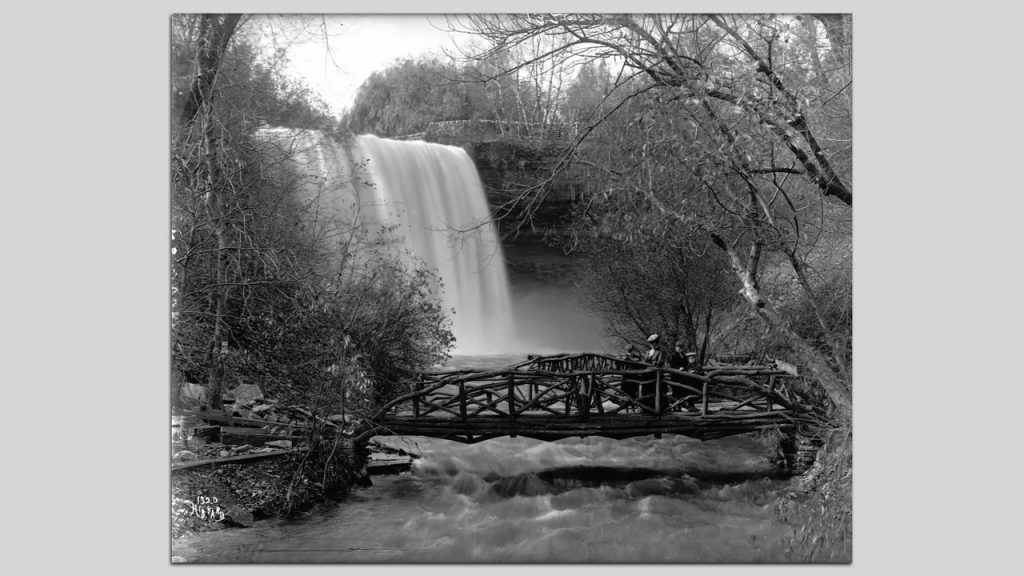
Minneapolis’ celebrated park system reflects more than a century of decisions about which natural spaces should remain open to the public. The Park Board helped establish a network of lakeside parks, public parkways, and interconnected trails that now define much of the city’s outdoor landscape. Its early efforts helped preserve the areas surrounding the Chain of Lakes, where public paths and recreational spaces replaced the possibility of exclusive private development along valuable waterfront property. The board also played a key role in developing the park around Minnehaha Falls beginning in the late 1890s. Its influence extended to places such as Lake Hiawatha, where improvements transformed the area into a recreational destination. Today, Minneapolis residents benefit from this legacy through beaches, walking trails, recreation centers, and accessible green spaces. The city’s park network demonstrates how decisions about land ownership and public investment can shape an urban environment for generations.
Voters Elect Commissioners to Oversee the City’s Park System

Minneapolis residents have a direct say in how their parks are governed because the Park Board is an elected body rather than simply a department appointed by the mayor. Nine commissioners oversee the system, with six elected from geographic districts and three elected at large. This structure gives individual neighborhoods representation while allowing commissioners to consider citywide priorities. The board oversees a substantial public asset, including parks, lakes, trails, parkways, recreation centers, and related programs. Its responsibilities involve decisions about maintenance, environmental stewardship, recreational services, and long-term investments. Because commissioners answer directly to voters, their priorities may differ from those of the mayor or City Council. That separation can help protect parks from political pressure, but it can also make coordination more complicated when city leaders disagree over spending or service delivery. Minneapolis’ elected Park Board remains unusual among major U.S. cities, giving residents a distinct way to influence the future of their public green spaces.
Separate Departments Have Created Tensions With City Hall

Having an independent Park Board helps protect the park system, but it also means Minneapolis operates two sets of public administration in some areas. The board and City Hall maintain separate departments for functions such as human resources and information technology, prompting critics to question whether the arrangement creates unnecessary duplication. Opponents of the structure argue that consolidating certain services could save money and simplify accountability for taxpayers. Park Board supporters counter that the organization has distinct operational needs and must retain enough independence to manage parks effectively. Earlier attempts to consolidate responsibilities have struggled to gain traction, partly because park officials fear that reducing the board’s independence could weaken its ability to protect public land. The debate is not simply about administrative efficiency. It also concerns who should control park spending and whether decisions about public green space should remain separate from broader city government priorities. These disagreements have repeatedly brought the board’s unusual structure into public discussion.
A 2026 Budget Dispute Put the Board’s Financial Independence in the Spotlight

The Park Board’s independence became especially visible during Minneapolis’ 2026 budget discussions, when Mayor Jacob Frey urged commissioners to limit a proposed property tax increase. The disagreement highlighted the challenge of balancing rising operating costs with pressure on homeowners to keep tax bills manageable. The board argued that deeper cuts could affect staffing and the upkeep of parks, recreation centers, trails, and other facilities. Frey pushed for a smaller increase, while park leaders sought funding they said was necessary to maintain services. The city’s Board of Estimate and Taxation ultimately set the Park Board’s maximum 2027 property tax levy at $100.5 million, an increase of 5.86% from 2026. The decision contributed about one percentage point to the city’s overall 11.9% property tax levy increase. The episode showed that the Park Board has considerable influence over its own budget, but it must still work within a broader tax-setting process. It also illustrated why the board’s independence remains both a defining feature of Minneapolis government and a recurring source of debate.