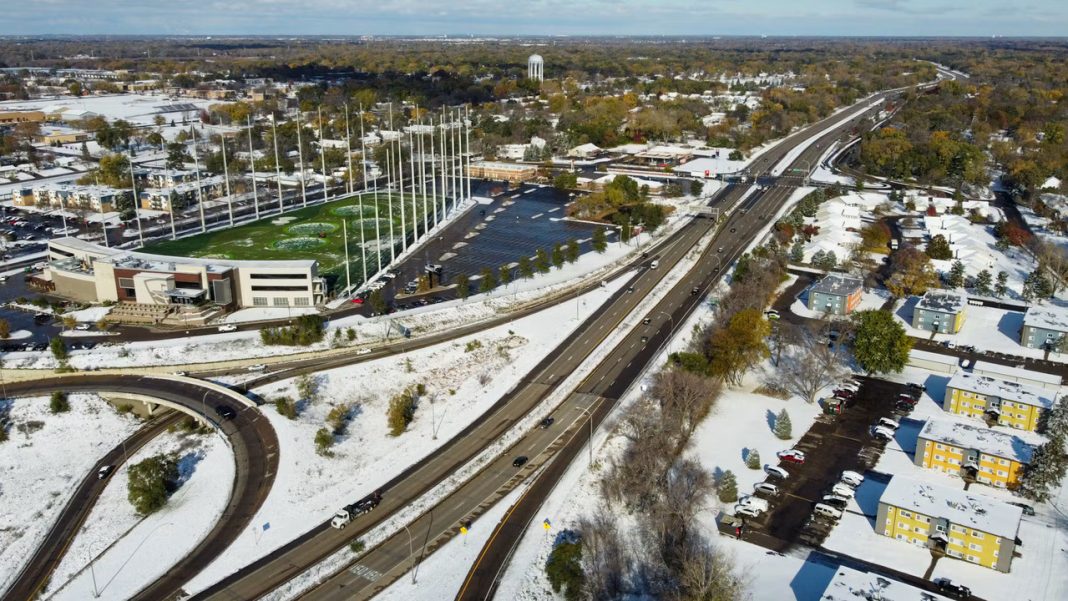

Minnesota’s Highway 252 could look very different under MnDOT’s latest proposal, which aims to improve safety, reduce congestion, and create better connections for drivers, pedestrians, and cyclists. However, the four-lane freeway plan has raised concerns among Brooklyn Center residents and local officials over neighborhood impacts, property acquisitions, and environmental effects. Here’s what to know about the proposed changes, their expected benefits, and how the public can weigh in before the review process moves forward.
MnDOT Prefers a Four-Lane Freeway for Highway 252

A major change could be coming to Highway 252 as the Minnesota Department of Transportation (MnDOT) moves forward with plans to replace its existing traffic signals with a four-lane freeway. The preferred alternative would cover the stretch between Highway 610 and Interstate 694, running through Brooklyn Park and Brooklyn Center. The proposed roadway would have two lanes in each direction, with interchanges designed to separate highway traffic from vehicles traveling on local streets. MnDOT says this arrangement could improve traffic flow, make travel times more predictable, and reduce crashes associated with busy intersections. The plan emerged after the department evaluated 10 alternatives to address safety, congestion, and transportation needs along the corridor. However, selecting a preferred alternative does not mean construction is guaranteed to proceed exactly as proposed. The plan remains subject to environmental review, public feedback, and further decisions before the project can advance to its next stages.
Three New Interchanges Would Change Local Access

The proposed freeway would introduce three interchanges at 85th Avenue, Brookdale Drive, and 66th Avenue. These structures would allow vehicles to enter and exit Highway 252 without relying on the existing traffic signals, changing how drivers move between the highway and nearby streets. MnDOT’s broader proposal also includes a crossing at 73rd Avenue, along with additional pedestrian and bicycle bridges intended to improve connections across the corridor. Although interchanges can help traffic move more efficiently, their construction requires additional land for ramps and supporting infrastructure. This creates a significant consideration for surrounding neighborhoods, where residents and businesses could experience changes in access and property impacts. MnDOT has identified minimizing property acquisitions as a priority, and its earlier analysis estimated nine potential property relocations under the access combination recommended for further study in 2025. That estimate included six residential and three commercial properties, although the final impacts will depend on the design that ultimately moves forward.
MnDOT Expects the Plan to Reduce Crashes by 41%
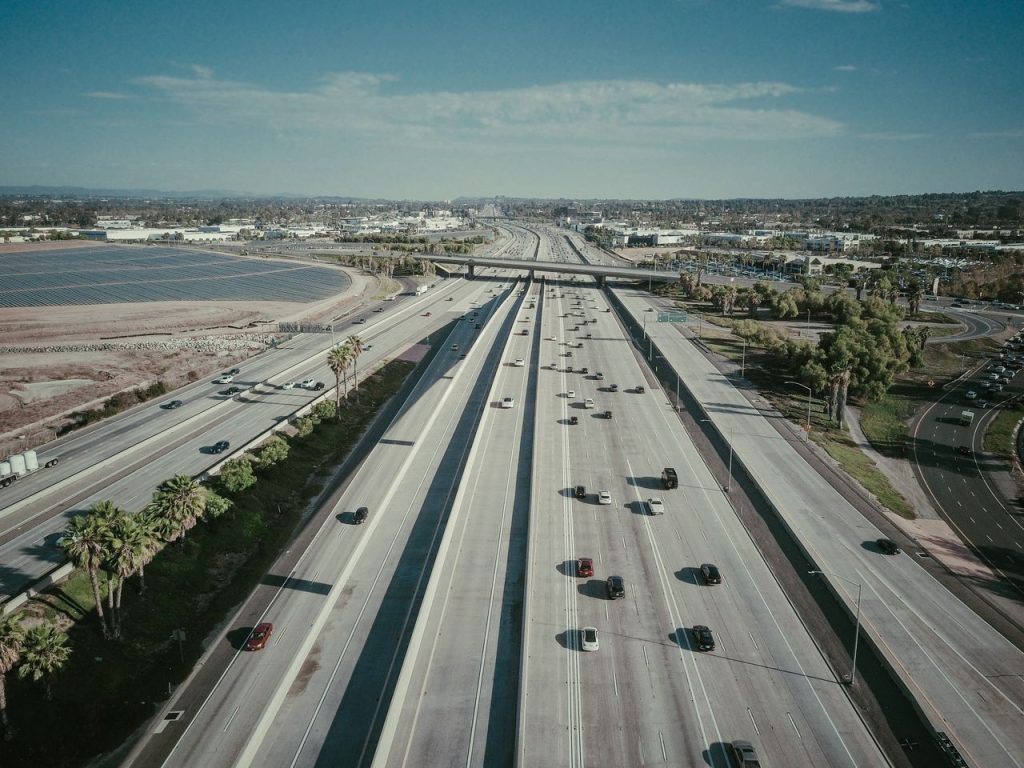
Safety is one of the central reasons MnDOT is pursuing changes to Highway 252. The department says the corridor has a crash rate above the statewide average for comparable roads, while congestion and signalized intersections contribute to delays and unpredictable travel times. The proposed freeway would separate through traffic from local road crossings, reducing the need for vehicles to stop at traffic lights along the highway. Based on its analysis, MnDOT projects that the preferred alternative could reduce overall crashes by approximately 41% compared with the no-build alternative. The agency also estimates a 25% reduction in serious and fatal crashes. These figures are projections based on the department’s evaluation, not reductions that have already occurred. The proposal is also intended to improve conditions for people walking, biking, and using public transportation, who currently face busy intersections and long crossing distances. Whether the expected safety benefits outweigh the project’s other effects remains an important part of the environmental review and public discussion.
Walking, Biking, and Public Transportation Are Part of the Proposal

Highway improvements affect more than people behind the wheel, particularly in communities where residents need to cross busy roads to reach bus stops, shops, and other destinations. MnDOT’s preferred alternative includes pedestrian and bicycle connections intended to make travel across the corridor safer and more convenient. The four-lane freeway would also include shoulders that buses could use, giving transit vehicles another way to navigate congested sections of the highway. According to the department’s analysis, the preferred alternative could reduce average travel times for both vehicles and buses by approximately three and a half minutes. These changes are intended to improve mobility while addressing safety concerns that affect people who do not drive. Still, the details of where crossings are located and how local streets connect to the highway will matter greatly to nearby residents. The environmental review provides an opportunity to examine those design choices, including their potential effects on neighborhood connections, transit access, and the everyday journeys people make across Brooklyn Park, Brooklyn Center, and north Minneapolis.
Brooklyn Center Residents Have Raised Concerns About the Plan
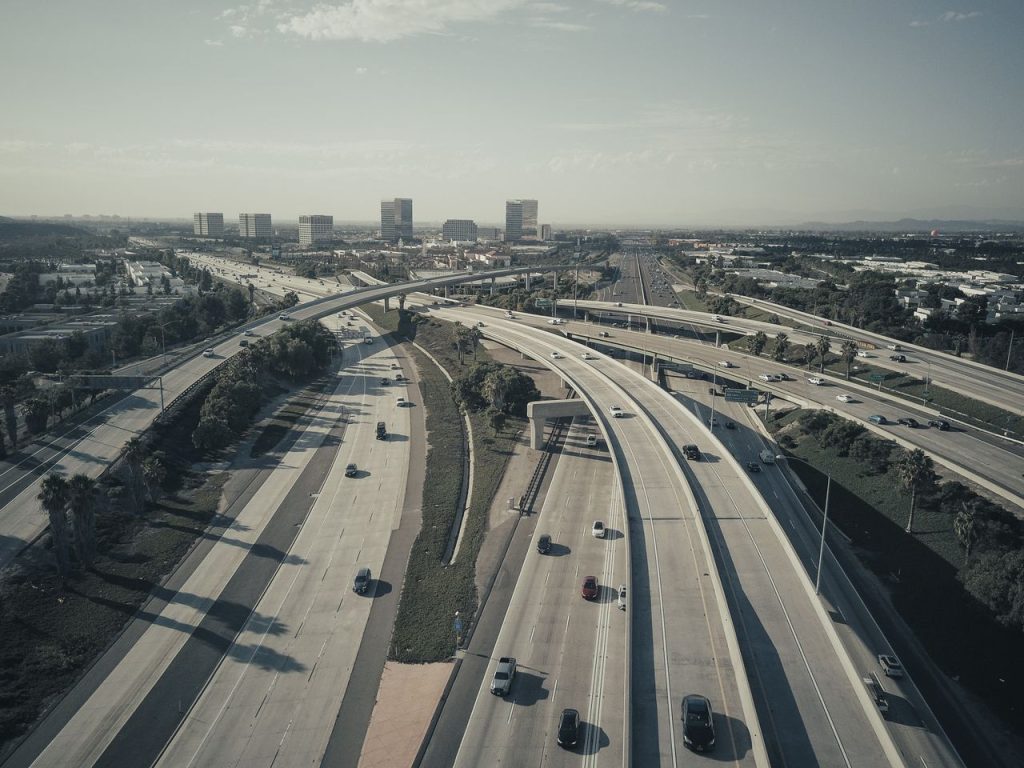
Not everyone believes converting Highway 252 into a freeway is the right solution. Brooklyn Center residents and local officials have previously criticized MnDOT’s approach, arguing that the proposed designs do not adequately reflect community concerns about neighborhood safety, environmental impacts, and equitable transportation access. Some residents fear that a freeway could increase traffic and pollution in an area already facing significant health challenges. Others worry about homes and businesses that could be affected by the construction of interchanges and ramps. Local officials have also questioned whether the planning process has given sufficient weight to public feedback. These concerns are especially important because the surrounding corridor includes lower-income households and communities of color that could experience the consequences of transportation decisions differently. MnDOT has said it reviewed more than 500 public comments during an earlier phase of planning, but disagreement over the direction of the project has continued. The current environmental review offers another opportunity for residents to raise concerns and explain how the proposed changes could affect their neighborhoods.
Residents Can Submit Comments Through December 22, 2026
The preferred alternative is now part of a draft Environmental Impact Statement, giving the public an opportunity to examine MnDOT’s analysis before the agency completes its environmental review. The comment period runs from October 23 through December 22, 2026. Residents, business owners, commuters, and other interested parties can review the proposed design, compare the alternatives considered, and provide feedback on the project’s potential effects. MnDOT has scheduled public hearings in Brooklyn Park on November 10, Brooklyn Center on November 12, and Minneapolis on November 19. A virtual meeting is also planned for December 8. Comments can be submitted through the project website, by email, on comment cards, or through written or oral communication at a public hearing. After the comment period closes, MnDOT will review the feedback and respond to substantive comments as it develops the final Environmental Impact Statement. Public participation matters because concerns raised during this stage can help inform the final decision and design. Residents can find the draft documents, meeting details, and instructions for submitting comments on the department’s official Highway 252/I-94 project website.